



You've got a design in mind, a blank shirt in front of you, and about ten browser tabs open. One printer says screen printing. Another says DTG. A third says DTF. Someone else tells you to just upload a PNG and trust the process. That's usually where new apparel sellers lose time and margin.
Custom t shirts look simple from the outside. In practice, the difference between a shirt people wear once and a shirt they reorder comes down to method, file setup, placement, and how you buy your transfers. If you get those four decisions right, production gets easier and profit gets cleaner.
Your T-Shirt Idea Is Just the Beginning
A good shirt idea isn't the hard part. Plenty of people have a strong slogan, a clean logo, or a design that fits a niche. The hard part is turning that idea into a product that prints well, feels right on the garment, and still makes money after you account for blank cost, transfer cost, labor, and shipping.
That matters because custom apparel is not a tiny side category anymore. The global custom t-shirt printing market was valued at $5.16 billion in 2024 and is projected to reach $9.82 billion by 2030 at an 11.5% CAGR from 2025 to 2030, with Asia Pacific accounting for over 39.4% of global revenue in 2024, according to Grand View Research's custom t-shirt printing market analysis.
For a new entrepreneur, that growth means two things. First, buyers already understand the product. You don't have to convince people that custom t shirts matter. Second, competition is serious, so sloppy production choices get exposed fast.
The decisions that actually affect the result
Most first-time sellers focus on the artwork itself. Shops focus on the production path.
These are the decisions that move the outcome:
- Printing method: This affects color, feel, durability, and whether a short run makes financial sense.
- Artwork quality: A weak file gives you weak prints, no matter how good the machine is.
- Placement: A design can be technically sharp and still look wrong on the shirt.
- Ordering strategy: Buying one design at a time is rarely the cheapest way to build inventory.
A profitable shirt isn't just a cool graphic. It's a graphic that survives production without wasting time, material, or margin.
What new sellers usually get wrong
The common mistakes are predictable. They order the wrong method for the garment. They upload web-sized art. They place oversized prints like standard chest prints. Or they pay for transfers in a way that leaves empty film space they already bought but never used.
If you want custom t shirts to become a real product line instead of a one-off experiment, treat the process like production, not just design. The shops that stay efficient do that early.
Choosing Your Printing Method DTF vs The Rest
The printing method decides more than is commonly understood. It affects how the shirt looks in photos, how it feels in hand, what fabrics you can use, how quickly you can reorder, and whether small runs are practical.
For most modern custom t shirts, DTF is the most flexible option. It handles detailed, full-color art, works across a wide range of fabrics, and removes a lot of the setup friction that slows down small brands.

How each method works in plain language
DTF prints your design onto film, applies adhesive powder, cures it, and then heat presses it onto the shirt. In practical terms, think of it as a production-ready transfer that carries full-color artwork cleanly onto fabric.
DTG prints directly into the garment surface. It's great when the garment and artwork fit the method, but fabric compatibility and consistency can be more limiting.
Screen printing pushes ink through separate screens. It's still excellent for simple graphics and bigger runs, especially when the design doesn't change.
HTV uses cut vinyl shapes or heat-applied material. It works for names, numbers, and simple text, but it's not the method I'd choose for detailed retail graphics.
Here's the quick side-by-side view.
| Printing Method Comparison | ||||
|---|---|---|---|---|
| Method | Best For | Color Count | Durability | Feel on Shirt |
| DTF | Full-color art, mixed fabrics, short to mid runs | High flexibility | Strong when pressed correctly | Smooth transfer feel |
| Screen Printing | Bulk runs with simpler art | More efficient with limited colors | Strong | Ink feel varies by ink and deposit |
| Vinyl Transfer | Names, numbers, simple shapes | Limited | Good for the right use case | More noticeable layer |
| DTG | Detailed prints on suitable garments | Full color | Good when garment and process align | Often softer feel |
A short video can help if you want to see the process in motion.
Where DTF usually wins
DTF is usually the strongest choice when your order looks like real modern merch. That means gradients, tiny details, multiple colors, black shirts, cotton blends, polyester, or mixed inventory.
It also helps when you don't want to get trapped by setup-heavy workflows.
- For small brands: You can test designs without building your whole business around large minimums.
- For print shops: You can accept more varied jobs without changing your production logic every time.
- For team and event work: You can keep art consistent across different garment types.
Shop-floor reality: If your artwork is detailed and your garments vary, DTF usually creates fewer production headaches than older methods.
Where the other methods still make sense
That doesn't mean every job should be DTF.
Screen printing still makes sense when you've got a stable design, enough volume, and artwork that fits the method. HTV is still useful for personalization. DTG can still work well for specific garment and artwork combinations.
But if you're deciding what method gives the broadest practical coverage for custom t shirts today, DTF is the one I'd start with. If you want a more focused breakdown of one common comparison, this guide on DTF vs DTG printing differences is worth reading.
Preparing Your Design File for Perfect Prints
A new seller approves a mockup on a laptop, the transfer arrives, and the print looks softer, smaller, or harsher than expected. That usually starts in the file, not on the press. In a DTF workflow, good prep saves time twice. It prevents bad transfers from being ordered, and it makes gang sheet building faster because the art is already clean, sized, and ready to place.
Build the art at 300 DPI at the final physical print size. That's the production standard for clean apparel graphics, and web art at 72 DPI often falls apart once it's enlarged for a full front or back print, as explained in Printify's guide to t-shirt design size and resolution.

The file habits that save reprints
Shops can work around a lot. We cannot invent detail that was never in the file.
If you're sending art to a transfer provider or laying out gang sheets for multiple placements, these habits prevent the problems that cost money later:
- Build at final size: A left chest logo, full front, and oversized back print should each be prepared for their actual output size.
- Keep the background transparent: Hidden white boxes and flattened backgrounds are still one of the easiest ways to ruin a transfer file.
- Use the right file type for the artwork: Vector works best for logos, text, and hard edges. Raster can print well too, but only if it started at proper resolution. This guide on what file format is best for printing gives a practical breakdown of what shops usually want.
- Clean the perimeter: Stray pixels, rough selections, and glow effects that looked fine on screen become obvious once pressed onto fabric.
- Check color expectations: DTF handles detail and color range well, but shirts, fabrics, and finishes still influence the final appearance.
That last point matters for new brands. DTF is flexible across cotton, blends, and polyester, but consistency still starts with a disciplined file. A sloppy PNG creates the same headache whether you press one shirt or one hundred.
Placement matters more than beginners expect
File prep is not just resolution. Size and placement decide whether the shirt looks retail-ready or homemade.
Oversized blanks are a common miss. Standard chest placement can look undersized on a wide, boxy shirt, and a back print that works on a regular tee can feel too high on a hoodie once the hood is down. Measure the actual garment width and printable area before you lock the art size. Size labels alone do not tell you enough.
Two placement rules worth keeping
- Measure the garment, not just the product type. Heavyweight streetwear tees, fashion fits, youth garments, and cropped styles all change visual balance.
- Build placement sets before ordering transfers. If you know you need left chest, full front, and back sizes in advance, your gang sheet layout gets cleaner and your ordering tool can pack the sheet with less wasted space.
Good artwork does not rescue bad placement. Placement is part of the print file.
How to Order Transfers and Maximize Your Budget
Most new sellers overpay because they order like consumers instead of operators. They buy one design at a time, leave unused space on film, and rebuild the same order logic every time a customer wants a size variation or a second design.
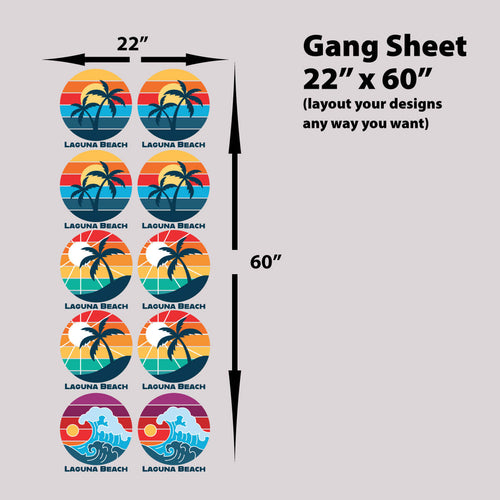
The smarter move is to think in terms of transfer real estate. If you're only ordering a single front graphic, ordering by size can be fine. The minute you have multiple logos, sleeve hits, neck tags, youth sizes, left chest art, or alternate colorways, a gang sheet becomes the better tool.
Why gang sheets matter
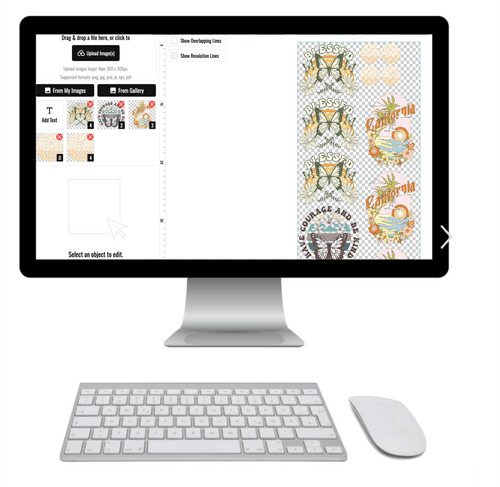
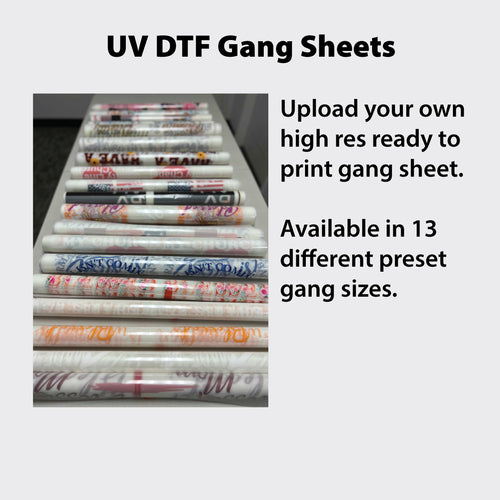
A gang sheet lets you place multiple designs on one sheet of transfer film. That means you can combine front prints, back prints, pocket logos, test designs, and repeat graphics in one order instead of paying for each element separately.
That's how experienced apparel sellers squeeze more value out of every print run.
- More designs per order: Useful for samples, mixed-size orders, and small launches.
- Less wasted space: Empty film is paid-for space that produced nothing.
- Better inventory flexibility: You can press what you need, when you need it.
- Cleaner math: Your cost per usable transfer goes down when the sheet is packed well.
Here's what that workflow looks like in practice.

The difference between manual and auto-built gang sheets
Manual gang sheet building works, but it's slow. You spend time resizing art, aligning pieces, and trying to use every inch without creating a messy file. That's fine if you enjoy production prep. Most entrepreneurs don't.
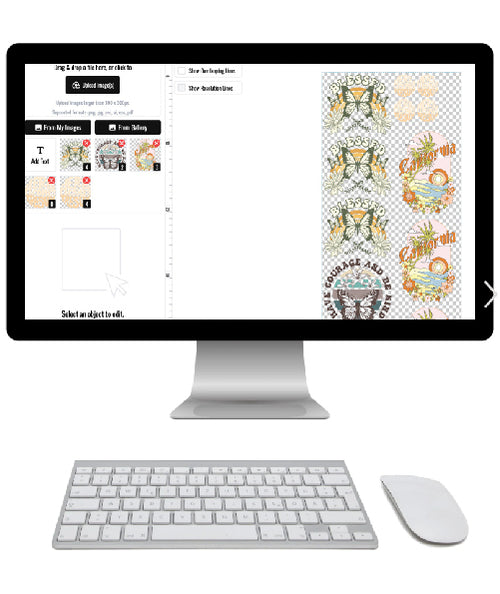
An Auto-build gang sheet builder removes that bottleneck. You upload your artwork, set quantities and sizes, and the builder arranges the sheet to reduce wasted space. For a lot of small brands and busy shops, that's the point where ordering gets fast enough to scale.
One option in that category is Lion DTF Transfers, which offers an Auto-build gang sheet builder along with ordering by size and manual gang sheet options. The practical value is simple. It reduces layout work and makes it easier to buy transfers in a more cost-conscious way.
If you're paying for a sheet, fill the sheet. That one habit changes margins faster than most beginners expect.
A simple buying framework
Use this rule set:
- Single design, predictable size: Order by size.
- Multiple graphics or placements: Build a gang sheet.
- Testing a collection: Put all sample graphics on one sheet.
- Running a shop: Standardize repeat orders by sheet layout, not by memory.
Custom t shirts become easier to manage when your ordering system matches how you sell. That's why gang sheets are not a niche trick. They're a normal business workflow.
Custom T Shirt Ideas From Hobbies to Brands
A customer walks in with a fishing club logo, a church event idea, or a first streetwear mockup. The shirt is the same product. The job is not. The profitable choice comes from matching the print method to how that customer will buy, reorder, and wear the shirt.

A streetwear drop with layered graphics
New apparel brands usually start with big ideas. Oversized back prints, left chest hits, sleeve details, photo-based art, and heavyweight blanks show up early, even in small test runs.
DTF fits that model well. It handles full-color artwork without separating every color, and it gives a small brand room to test several graphics before committing to a larger run. Placement matters here too. Oversized and dropped-shoulder garments need print sizes that match the cut, not just the label size, as noted earlier.
The business advantage is flexibility. A brand can sample three or four designs, press only what sells, then reorder without rebuilding screens every time the artwork changes. If the collection settles into one or two proven designs and volume climbs, screen printing may become worth pricing out. Early on, DTF usually keeps risk lower.
Work shirts for a local service business
Service businesses buy differently. A plumber, cleaning company, lawn crew, or gym staff order often starts small, then turns into repeat purchases with mixed sizes and occasional employee turnover.
That reorder pattern is where DTF earns its place in a shop. The logo stays consistent, the garment types can change, and the customer does not need to wait until they have a large batch to make the order worthwhile. One week it is six black tees and two hoodies. Next month it is four safety shirts and a jacket. That is easier to handle with transfers than with a setup-heavy process.
Margins improve when those repeat logos are organized on gang sheets. A shop can place front logos, back logos, and sleeve marks on one sheet and keep common layouts ready for future orders. If you use an auto-builder, prep time drops further, which matters more than beginners realize on small but frequent jobs.
Fundraisers, reunions, and one-off gifts
These orders are less predictable and often more emotional. The buyer wants the shirts to look right, but quantities, sizes, and art quality can change fast.
Use a simple decision filter:
- One gift shirt with detailed art: DTF is usually the cleanest choice.
- Small fundraiser with uncertain final counts: DTF keeps the order flexible.
- Family reunion with several print locations: Gang sheets help control transfer cost.
- Large event with simple art and stable quantities: Screen printing can make financial sense.
I tell new sellers to judge the job by repeatability first. If the design, quantity, and garment choice are stable, traditional methods get stronger. If the order is mixed, full color, or still being tested, DTF is often the better business decision.
Good custom t shirt ideas become good products when the production method fits the way the buyer actually orders.
Pricing Turnaround and Long-Term Care
Pricing custom t shirts starts with the garment, but it doesn't end there. The final number is shaped by artwork complexity, number of print locations, order structure, production method, and how much labor the order creates before it ever hits a press.
What changes the price most
Screen printing often becomes more attractive when the design is stable and the order is large enough to justify setup. DTF usually gives you a cleaner path for short runs, full-color graphics, and repeat jobs that change slightly from order to order.
From an operator's standpoint, that's the key trade-off. Traditional methods reward predictability. DTF rewards flexibility.
Three cost drivers matter most:
- Artwork structure: Detailed, multi-element designs are easier to run through transfer workflows.
- Order shape: Mixed sizes and mixed placements raise labor if the workflow isn't organized.
- Garment choice: A premium blank can improve the finished product, but it changes your margin quickly.
Turnaround is a production question, not a promise question
Shops don't miss deadlines because they lacked good intentions. They miss them because the art wasn't ready, the blanks weren't available, or the production path wasn't suited to the order.
If you need fast turnaround, send clean files, confirm garment availability early, and choose a method that doesn't create unnecessary setup work. That's one reason transfer-based workflows are popular with rush jobs. They reduce the amount of prep between approval and pressing.
Care determines perceived quality
Customers judge print quality over time, not only on delivery day. A shirt that looks great out of the box but degrades quickly hurts the brand on the tag, not just the shop that produced it.
The simple care guidance is still the one that works:
- Wash cold when possible
- Turn the garment inside out
- Avoid aggressive dryer heat
- Don't iron directly on the print
Good care extends the life of the print and protects the money you already spent producing the shirt. That matters whether you're selling fashion merch, uniforms, or event apparel.
Frequently Asked Questions About Custom T Shirts
What fabrics work best for custom t shirts
That depends on the method, but one reason DTF has become so useful is that it works across a broad range of apparel fabrics. That's helpful when your order includes fashion tees, blended blanks, performance garments, or hoodies in the same job.
If you're selling a branded line, choose the garment based on the customer experience first. Then confirm the print method supports it well. A cheap blank can make even a strong print feel disposable.
What's a hot peel transfer
A hot peel transfer is removed soon after pressing instead of waiting for it to cool fully. In production, that speeds up workflow and helps keep the press moving.
For the user, the advantage is practical. It saves time during application and makes short-run pressing less tedious, especially when you're handling multiple garments in sequence.
How should I place a back print on a hoodie
This is one of the most common placement mistakes. A back print on a hoodie should sit lower than it would on a regular tee, because the hood can cover artwork placed too high. A good rule of thumb is to position the top of the design several inches below the hood's bottom seam when the hoodie is lying flat, as shown in this hoodie back print placement video.
Are UV DTF stickers the same as DTF apparel transfers
No. They solve different problems.
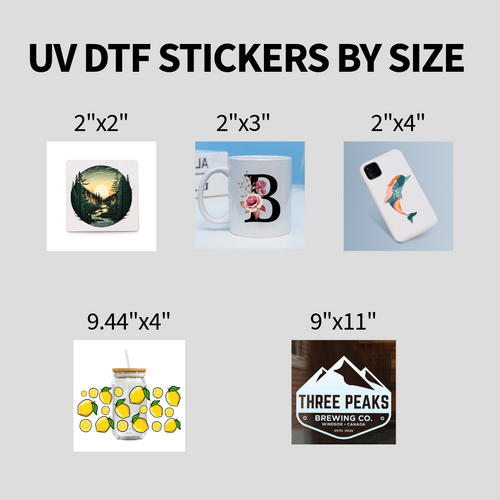
DTF apparel transfers are made for fabric and applied with heat. UV DTF stickers are for hard surfaces such as cups, packaging, glass, and similar items. If you run a merch brand, both can be useful, but they are not interchangeable.
What pressing advice matters most at home
Start with the transfer provider's instructions and don't freelance the settings. Most home pressing issues come from uneven pressure, rushed peel timing, or pressing on seams and collars that create an uneven surface.
If you're pressing at home:
- Pre-press the garment: Remove moisture and flatten the print area.
- Use firm, even pressure: Uneven pressure causes partial adhesion.
- Let the shirt rest after pressing: Don't fold it immediately.
- Test before committing to inventory: One sample shirt can save a full batch.
The people who get consistent custom t shirts at home usually aren't doing anything fancy. They're just following the process closely.
If you're building a merch brand, running a print shop, or just need a cleaner way to produce custom t shirts, Lion DTF Transfers offers DTF transfers, gang sheets, and an Auto-build gang sheet builder that can simplify ordering and reduce wasted film space.