



You've got a shirt idea that looks solid on screen. Maybe it's a brand graphic, an event design, a slogan that people will wear, or a customer order you need to turn around fast. The hard part usually isn't the idea. It's getting from that idea to a finished shirt that looks clean, presses consistently, and holds up after wear.
That's where most t shirt creation advice falls apart. One guide talks about design. Another talks about heat pressing. A third talks about selling merch. Real production doesn't happen in separate categories. It happens as one workflow, and every weak step shows up on the finished garment.
For small shops, home press users, and brands testing new designs, DTF transfers make that workflow much easier to control. You can build full-color prints without screen setup, order what you need, press on demand, and keep quality tight if your files, garments, and pressing habits are right.
Your T-Shirt Idea Deserves a Professional Workflow
A customer approves the mockup, the shirt gets pressed, and the final piece still looks off. The art sits too low. The colors lose impact on the fabric. The edges look soft. By the time that happens, the mistake is already built into the job.
Good t shirt creation starts before printing. In a shop setting, the cleanest results come from treating every order as a repeatable production process. That matters even more with DTF, because the transfer will reproduce what the file gives it and the press setup allows. If the artwork is weak, the garment is the wrong choice, or placement is inconsistent, the press cannot fix it.
The practical goal is simple. Build a workflow that removes guesswork.
That means making three decisions early and sticking to them. Use artwork that will read clearly on fabric. Prepare files that print cleanly without surprises. Press with the same method every time so one shirt matches the next. Shops that skip one of those steps usually end up blaming the transfer, even though the problem started in design prep or garment handling.
I've found that small businesses get the best results from DTF when they stop separating “design work” from “production.” It is one chain. A weak file leads to a weak transfer. A rushed press setup leads to uneven adhesion. A missed quality check turns one mistake into a stack of remakes. If you want a useful reference point before the art goes to print, this guide on what makes a good T-shirt design covers the choices that hold up on an actual garment.
Professional shops stay consistent because they standardize the basics:
- Proof before quantity: one test shirt is cheaper than a batch of reprints.
- Lock in placement rules: chest prints, full fronts, and sleeves need set measurements.
- Send production-ready files: not screenshots, mockups, or compressed art pulled from social posts.
- Separate sampling from selling: approve the physical result before opening the order volume.
A professional workflow does not add friction. It cuts wasted shirts, wasted press time, and the kind of small errors customers notice right away.
From Concept to a Print-Ready Design
Good shirt ideas usually fail in file prep, not in the concept itself. The art can look sharp on screen and still produce a weak result if the lines are too fine, the contrast is soft, or the file was built for a mockup instead of a press-ready transfer.

Design for visibility first
Start with how the shirt will be seen. A customer might first spot it as a thumbnail in an online store, across a vendor table, or on someone walking by. If the design only works when viewed up close at 100 percent on a monitor, it is not ready.
Designs hold up better on fabric when they use clear contrast, a strong focal point, and type that can still be read at a glance. This creator-focused design guidance on printable, sellable styles gets that part right. A shirt has to communicate fast before anyone cares how clever the details are.
What usually prints well:
- High contrast colors that separate the art from the garment
- One clear focal point instead of several competing elements
- Simple supporting details that do not clog the design
- Readable type with enough weight to survive transfer and wash
What usually causes rework in production:
- Thin script fonts
- Dense textures behind text
- Low-contrast color combinations
- Tiny outlines and fine strokes that look crisp on screen but break down on fabric
For a practical benchmark, use examples that balance readability, placement, and sell-through. This guide on what makes a good T-shirt design is useful because it connects visual choices to how the shirt performs as a product.
Build the file the way it will be printed
Print shops need artwork, not a marketing mockup. That sounds obvious, but a lot of small brands still send compressed web graphics, screenshots, or files exported at whatever size their design app happened to default to.
The fix is simple. Build the file at the actual print size, keep it at 300 DPI, and export in a format your transfer printer can use cleanly. For most DTF orders, that means a transparent PNG or a properly sized PDF, depending on the artwork and the shop's setup.
Use this checklist before you upload art for DTF transfers:
| File element | What to use |
|---|---|
| Resolution | 300 DPI |
| Preferred formats | PNG or PDF |
| Background | Transparent when no printed background is needed |
| Canvas size | Match the intended print dimensions |
| Edge quality | Clean lines, no fuzzy selections or accidental halos |
| Color review | Check the art on the actual shirt color before production |
This is also where designers need to think like production managers. A distressed effect that looks great in a mockup can print too soft on a heather shirt. A bright color palette can shift once it sits over a dark garment. Small decisions in the file affect how easy the transfer is to press cleanly and how the finished shirt reads from a few feet away.
Mockups help, but they are not placement proof
Mockups are good for selling the idea. They are weak at confirming final print position.
A shirt that looks centered in a mockup can still sit too high, too low, or too close to a seam on a real garment. Collar depth, placket position, pocket seams, youth sizing, and oversized fits all change what "centered" should mean.
Treat mockups as a visual draft. Treat print-ready files as production documents. If the artwork is clear, correctly sized, and built for the actual garment, the DTF workflow stays efficient and you avoid the expensive part of t shirt creation, remaking shirts that were preventable errors from the start.
The Modern Workflow Using DTF Transfers
DTF works well for modern t shirt creation because it solves a problem small businesses run into constantly. You need flexibility. One order might be a left chest logo, two oversized back prints, three youth sizes, and a last-minute name add-on. That kind of mixed production is awkward with methods built around long setups or single-design runs.

Why DTF fits small-batch and mixed-order work
DTF gives you a ready-to-press transfer printed on film, which means the design work and printing stage are separated from the garment application stage. That matters in a real shop because you can organize production better. You don't need to print directly onto each shirt one at a time. You can stage transfers, stage garments, then press in clean batches.
It's also practical when your order mix changes daily. Full-color logos, detailed artwork, small chest placements, and larger statement prints can live in the same workflow without changing your whole setup.
If you need a plain-language overview of the process itself, this guide on what DTF is and how it works covers the basics clearly.
Gang sheets are where efficiency shows up
Most shops don't lose money on one dramatic mistake. They lose it in little gaps. Empty sheet space. Repeated upload time. Extra ordering rounds for one missed logo. Splitting small designs into separate jobs when they could have been combined.
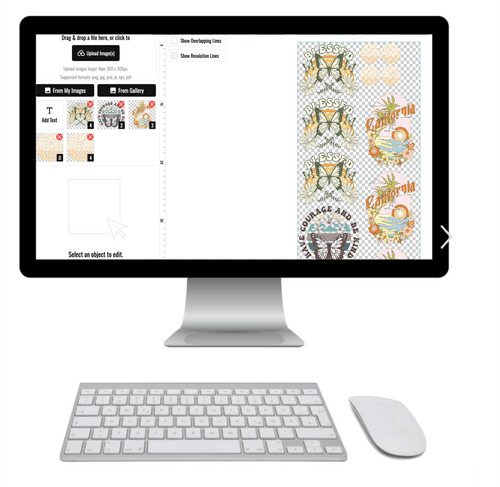
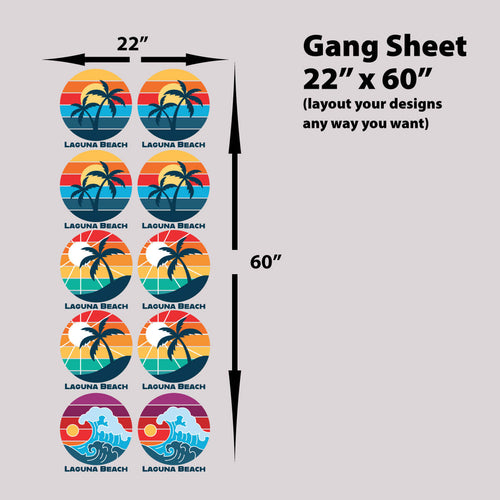
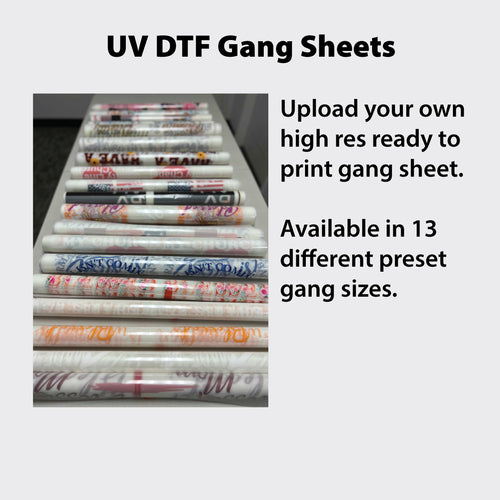
That's why gang sheets matter. A gang sheet lets you place multiple designs on one larger sheet instead of ordering every graphic separately. If you run a brand, decorate team gear, or manage custom jobs, this quickly becomes a cost-control habit rather than a technical trick.
Here's where smart ordering makes a visible difference:
- Mixed sizes on one sheet: adult, youth, sleeve, and left chest prints together
- Variant testing: two or three versions of a design without separate setup logic
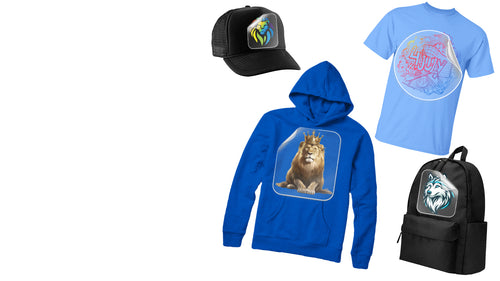
- Logo libraries: repeated marks for hats, tees, hoodies, and event apparel
- Small-run fulfillment: enough transfers to cover active demand without overcommitting
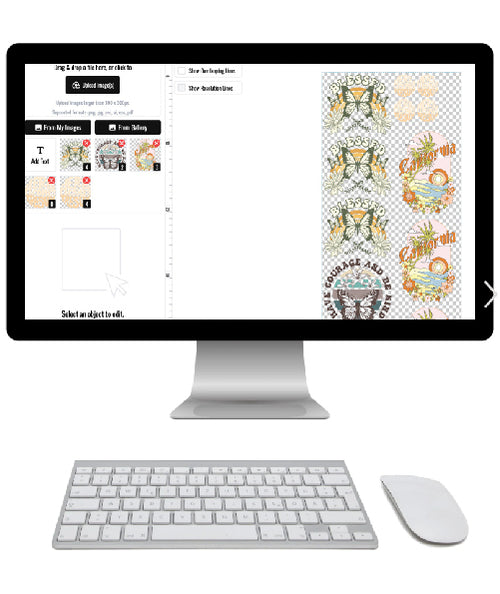
One useful option is Lion DTF Transfers, particularly if you want an Auto-build gang sheet builder that arranges uploaded designs for space efficiency and reduces the manual work of building a sheet yourself. That kind of tool is practical when you're trying to fit multiple logos, sizes, and placements into one order without wasting printable area.
Gang sheets aren't just an ordering convenience. They're one of the simplest ways to control production cost while keeping design variety high.
What works well in a DTF workflow
DTF is strongest when you build your process around repeatability. Shops get the best results when they stop improvising every order and start grouping tasks.
A clean workflow usually looks like this:
-
Approve the art first
Finalize the file before anyone touches garments. -
Group transfers by job type
Keep school orders, brand orders, and one-off customer jobs separate. -
Sort garments before pressing
Don't open a transfer pack and then start hunting for shirt sizes. -
Press samples early
Check placement and feel on the actual blank you plan to use. -
Batch similar garments together
Cotton tees, blends, and odd garments don't always behave the same.
What doesn't work is treating every shirt as a one-off emergency. DTF is forgiving, but it still rewards organized shops more than reactive ones.
How to Press DTF Transfers for Perfect Results
The pressing stage decides whether the shirt looks store-ready or homemade. You can have solid artwork and a good transfer, then ruin the result with bad pressure, trapped moisture, crooked placement, or a rushed peel.
Start with the garment, not the transfer.

The pressing sequence that prevents most mistakes
A shirt should go onto the platen flat, dry, and lint-free. If it's wrinkled or carrying moisture, the transfer can't make even contact. That leads to edge lift, inconsistent texture, or sections that don't bond the same way.
Use this sequence every time:
- Pre-press the shirt: remove moisture and flatten the print area.
- Align the garment: make sure the collar, side seams, and shoulders sit naturally.
- Position the transfer carefully: check height, centerline, and angle before pressing.
- Apply firm, even pressure: uneven pressure creates uneven adhesion.
- Peel as directed by the transfer type: don't guess.
- Post-press if needed: this can improve finish and overall bond.
Core setup: Use the transfer supplier's recommended temperature, time, and pressure for the film and garment you're pressing. Keep those settings consistent across the run instead of adjusting shirt by shirt.
A lot of press issues come from inconsistency, not from wrong equipment. One operator presses firmly. The next presses lightly. One shirt gets pre-pressed. The next one doesn't. Then people wonder why matching garments look different.
For a practical settings reference, this guide to heat press settings for DTF is a good starting point. Always match the final settings to the transfer instructions you received.
A visual walkthrough helps if you're training staff or checking your own routine:
Placement errors usually start before the press closes
Most crooked prints aren't caused by the press. They happen during positioning. Shops that press cleanly tend to standardize placement methods instead of eyeballing each garment from scratch.
A few habits help:
| Step | Why it matters |
|---|---|
| Fold or mark the shirt centerline | Keeps chest designs from drifting left or right |
| Check distance from collar visually on the actual shirt | Different shirt cuts change how “centered” feels |
| Lay the transfer after smoothing the fabric | Wrinkles shift placement once pressure hits |
| Step back before pressing | A quick visual check catches slanting fast |
Expert tip for pockets, seams, collars, and buttons
A lot of general tutorials stop being useful when real garments are considered. Real garments are not always flat rectangles. Pocket tees, polos, infant wear, plackets, thick seams, and collars change pressure contact.
Industry guidance from Transfer Express notes that collars and seams interfere with proper heat press contact and recommends rolling collars off the platen or using smaller platens and raised surfaces to work around buttons and seams, which helps prevent the misalignment and poor pressure behind common production errors, as shown in their video on avoiding T-shirt printing mistakes.
In practice, that means:
- For collars: keep the collar off the pressing surface if it creates height difference.
- For buttons or plackets: use a smaller platen or a raised print area so the transfer sits flat.
- For seams: don't press across a ridge and expect even adhesion.
- For pocket-area prints: reduce design size and confirm the print zone before pressing.
If the garment can't sit flat, the transfer won't press flat. Fix the garment setup first.
That single adjustment saves a lot of avoidable reprints.
Finishing Touches and Lasting Quality Checks
A shirt can come off the press looking good and still fail in the details. I see it often with rushed production runs. The print looks clean from three feet away, but the edges are starting to lift, the finish is uneven, or the placement is slightly off once the shirt is folded.

Finish the print with control
After the carrier comes off, inspect the shirt before it ever reaches the stack. For DTF, that means looking at the transfer as a physical layer on fabric, not just as artwork. The goal is simple. Confirm that the adhesive bonded evenly, the surface finished cleanly, and the print still looks right on the actual garment.
A short finishing press or cover-sheet repress can help flatten the hand feel and settle the print, especially on larger chest graphics. It also exposes weak spots fast. If an edge wants to lift after that final press, it was not bonded correctly in the first place.
This matters even more on mixed garment runs. Cotton, poly, and blends do not always react the same way under the same pressure and dwell time, so the last inspection step catches what the press cycle alone cannot.
A QC checklist that catches real production problems
Use the same inspection points on every shirt.
- Edge check: Look around the full outline of the transfer for lifting, tiny gaps, or corners that did not fully grab.
- Surface check: Watch for patchy gloss, dull spots, press marks, or texture changes that suggest uneven pressure.
- Color check: Compare the finished print to the approved sample under consistent light. Brand colors usually show problems first.
- Placement check: Confirm the print sits correctly on that garment size, especially after pressing caused any fabric shift.
- Stretch check: Gently pull the fabric in both directions. The print should flex with the shirt without cracking, separating, or exposing adhesive.
One bad result usually points to a process issue, not a one-off defect. If the first few shirts in a batch show the same edge lift or color shift, stop and fix the cause before more blanks are wasted.
Check the shirts the way customers handle them
Flat-table inspection is only part of the job. Pick the shirt up. Let it hang. Fold it once. Look at the print from normal viewing distance and under better light than the press corner if needed. Slight skew, platen marks, and sheen differences show up faster that way.
For shops using ready-to-press transfers from suppliers like Lion DTF, this step helps separate transfer quality from press setup errors. If the print surface is consistent but adhesion varies from shirt to shirt, pressure, temperature, or garment setup is usually the problem.
Inspect at the press table, while the job is still easy to correct.
That habit protects margin. It also keeps your workflow honest. Good t-shirt creation is not just design plus a press. It is a repeatable DTF process that ends with a shirt you would sell without hesitation.
Scaling Your Production with Smart Ordering
Friday at 3 p.m., a customer adds 24 more shirts to an order that was supposed to be packed by end of day. That kind of change does not break a shop with a good DTF workflow. It only breaks the shops that order transfers, organize files, and schedule production one job at a time.
As noted earlier, demand for custom T-shirts continues to grow. The shops that benefit from that growth usually are not the ones with the biggest equipment list. They are the ones that can reorder fast, combine jobs intelligently, and keep press time focused on garments instead of admin work.
Smart ordering starts before you buy transfers
Scaling problems usually show up in purchasing first. A shop can have a solid press, good blanks, and clean artwork, then still lose money because every repeat order starts from scratch. Files are saved under different names, left-chest logos are sized slightly differently from the last run, and sleeve prints get ordered separately from the back print that should have been on the same sheet.
That is why I treat ordering as part of production, not office work.
Gang sheets are one of the easiest ways to keep volume under control without creating dead stock. They let you group front prints, back prints, tags, sleeve hits, and size variations into a single planned order. For small businesses, that matters more than people think. The savings are not only in material use. They show up in fewer purchase decisions, fewer missing pieces, and fewer jobs waiting on one forgotten transfer.
Three habits make scaling easier:
- Keep repeat artwork archived in production-ready form: approved size, correct resolution, transparent background, and a file name that makes sense six months later.
- Order by job family, not by random request: combine prints for the same launch, client, school, or event so production can run in batches.
- Fill gang sheets with known future demand: if a logo gets used every week, use open space for that logo instead of leaving the sheet half empty.
Control variety without turning the shop reactive
Growth usually creates a mix problem. Core designs need to stay available, but new designs still need room for testing. If you overorder every new graphic, money sits on the shelf. If you place tiny rush orders all week, press time gets fragmented and shipping costs climb.
DTF is strong here because it supports short runs and mixed designs without the setup burden of many other print methods. The advantage only holds if the ordering system is disciplined. A shop that batches transfers by garment type, print size, and due date will stay ahead. A shop that buys every design separately will feel busy all day and still miss margin.
For online sellers, this matters even more. Trend-driven merch, event drops, and local collaborations often need small tests before a larger run. Smart ordering lets you test demand without filling storage bins with prints you may never press.
A production system that scales usually looks like this:
- archive approved artwork in a repeatable format
- group transfers into planned gang sheet orders
- press a sample before committing blanks
- run production by garment type and print location
- inspect at the press table, then pack
- reorder proven designs from the archived file set
That process keeps small shops flexible without letting every new order disrupt the whole week.
If you need ready-to-press transfers for your t shirt creation workflow, Lion DTF Transfers offers custom DTF uploads, gang sheets, and an Auto-build gang sheet builder that helps organize multiple designs on one sheet for easier ordering and tighter production control.