


You're already in the messy part of the job. The design is approved, the shirts are sitting in a cart, and now you need transfers that won't blur, crack, or turn into a layout headache when the deadline gets tight. For DTF San Francisco buyers, the question isn't whether DTF works, it's which provider can handle file prep, color consistency, and local timing without creating more work for your team.
San Francisco is a city built on dense commercial use, emergency response upgrades, and constant reinvention, so the local market tends to reward vendors who can move fast and stay organized. The Financial District alone is widely described as the city's first commercial district, with over 220,000 office workers today, and its growth reflects decades of planning and expansion that turned downtown into a heavy-duty business core with big service demands (Downtown SF history). That matters for apparel buyers because the same downtown pressure shows up in merch runs, event drops, uniforms, and last-minute restocks.
Why San Francisco Creators Are Switching to DTF Transfers
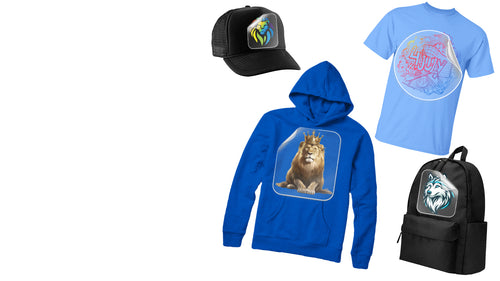
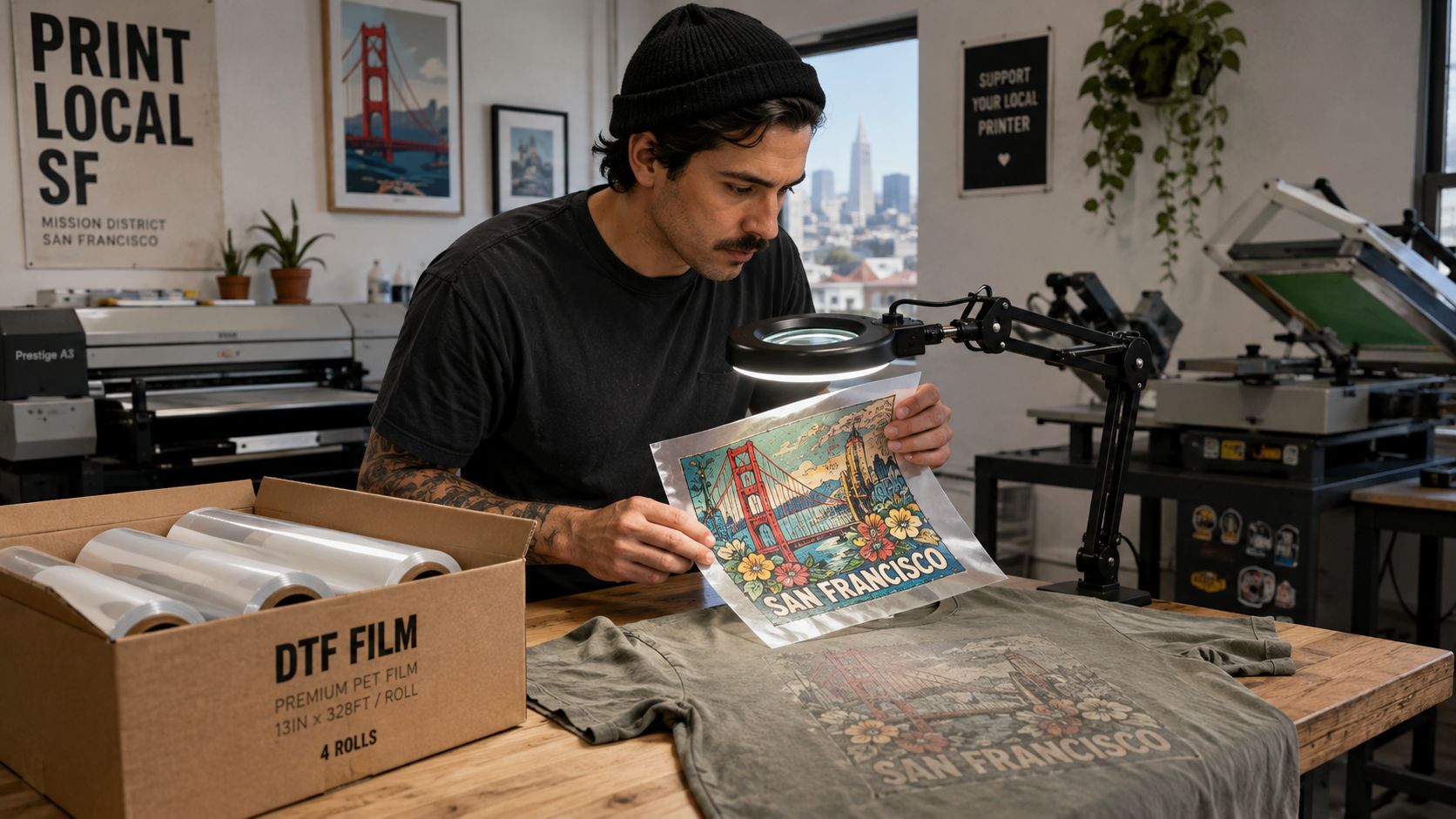
A brand owner in SoMa might be trying to outfit a small launch crew for a Friday event, while a print shop near downtown is juggling mixed garments for cotton tees, polyester jerseys, and blended hoodies. Screen printing is still useful, and vinyl still has its place, but neither one handles fast, full-color, short-run work as smoothly as DTF transfers when the art is detailed and the fabric mix keeps changing.
Why the format fits Bay Area work
DTF makes sense for local creators because it adapts to the kind of jobs San Francisco buyers place. Streetwear runs often need high detail and bold color, corporate merch often mixes fabric types, and event orders rarely arrive with much lead time. DTF handles that mix better than methods that demand a separate setup for every color or every garment type.
It also suits the practical reality of Bay Area production. A team can order a few logos for uniforms, a seasonal drop for a neighborhood brand, or sticker-style graphics for activation tables without overcommitting to inventory. That flexibility is why the conversation keeps shifting away from classic one-method shops and toward transfer workflows that preserve detail while staying efficient.
Practical rule: if the design has gradients, small type, or multiple color layers, DTF usually beats the old default of forcing everything through one rigid print method.
A provider like Lion DTF Transfers sits in that lane with premium hot-peel DTF, gang sheets, and UV DTF stickers, which gives buyers several ways to handle the same project without rebuilding the workflow each time. The rest of this guide is about the decisions that affect results, like file quality, sheet layout, press discipline, and how to avoid paying for wasted film.
How to Evaluate a DTF Transfer Provider
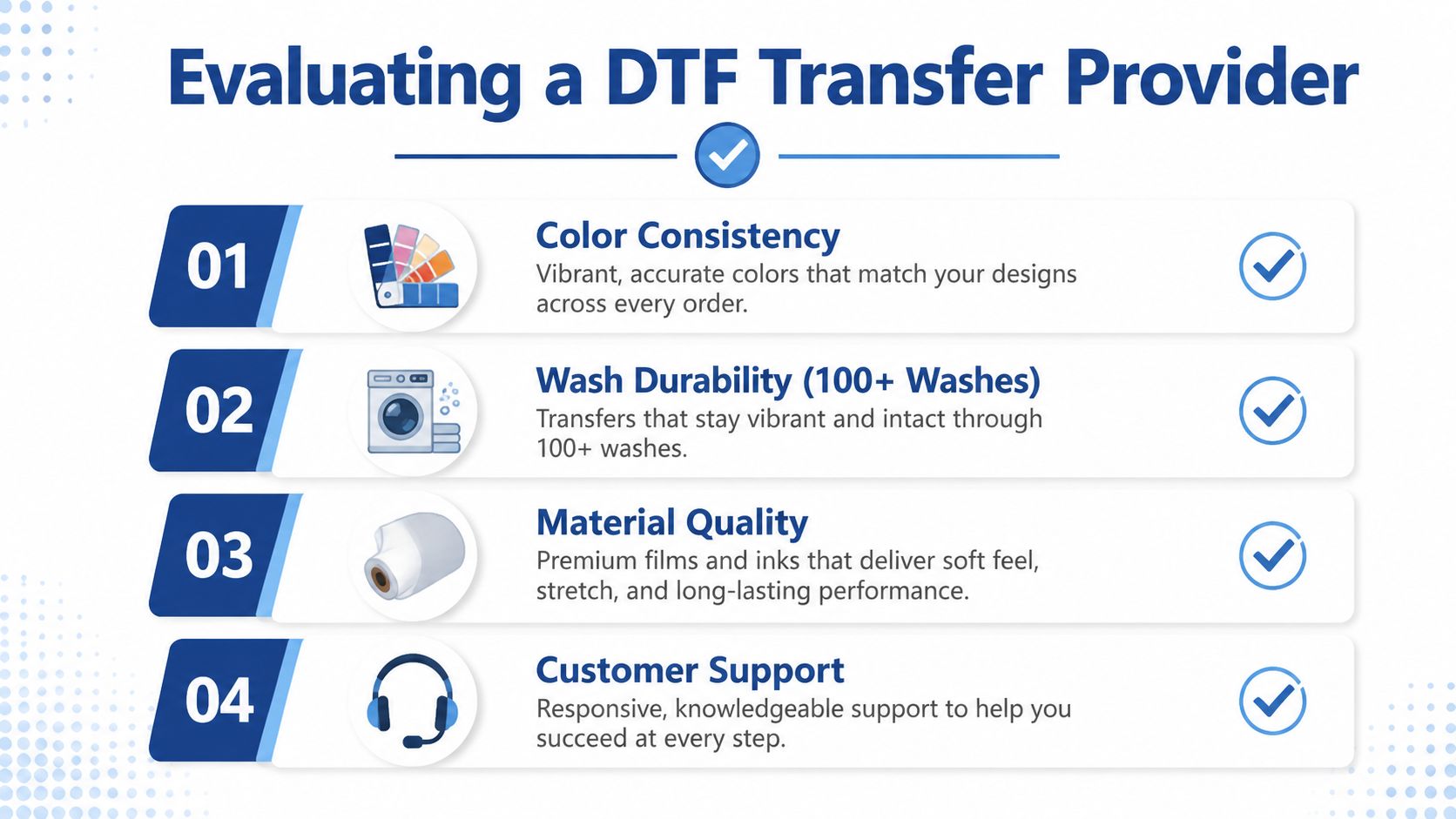
The quickest way to spot a weak transfer vendor is to ask about the unglamorous details. Good-looking mockups are easy. Consistent output, fast support, and repeatable press performance are what matter when you're ordering for a real Bay Area deadline.
Start with color and repeatability
Color matching is where many providers reveal themselves. If a logo shifts between one reorder and the next, the job becomes a headache for the buyer, especially when uniforms or brand merch have to stay visually consistent. Ask how the shop handles color correction, and whether it prints from a controlled workflow rather than guessing from whatever file arrives in the inbox.
The printing sequence matters too. A commercial DTF workflow uses RIP software, then prints CMYK plus a white-ink underbase, then moves through powder adhesive, curing, cutting, and heat pressing, a chain that's designed to protect color fidelity and durability in high-throughput shops. If a provider can't explain that process clearly, they probably aren't controlling quality tightly enough.
Check support, speed, and proof of reliability
Support is not a luxury in transfer work. Buyers need someone who answers by call, text, email, or chat when a file exports badly or a pickup window changes. Verified reviews matter here because they show how the shop behaves when things get busy, not just when a sales page is polished.
A provider's support team matters most when the order is already late.
Speed should also be concrete. Some shops offer 24-hour printing, same-day shipping, or next-day air, while standard orders ship in 1 to 2 business days according to Lion DTF's published service details. Pricing transparency matters too, because costs as low as $0.017 per square inch only help if the provider also makes layout and reruns straightforward. For a deeper comparison framework, see how to choose a reliable DTF transfer supplier in the US.
Use this checklist when comparing any vendor:
- Color match process: ask how they handle reorders and brand colors.
- Durability testing: confirm the shop stands behind wash performance.
- Turnaround options: verify what's available for urgent local deadlines.
- Layout tools: make sure gang sheets are easy to build and revise.
- Support channels: look for fast answers before and after checkout.
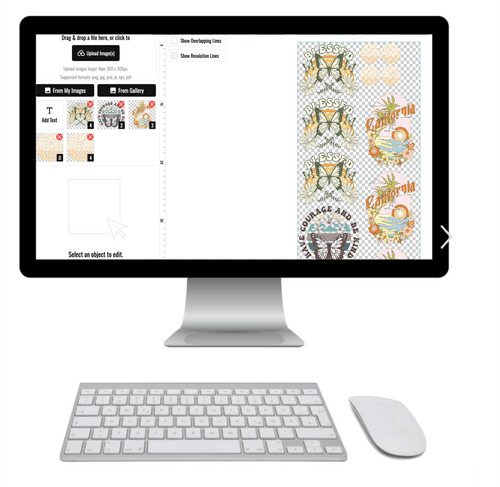
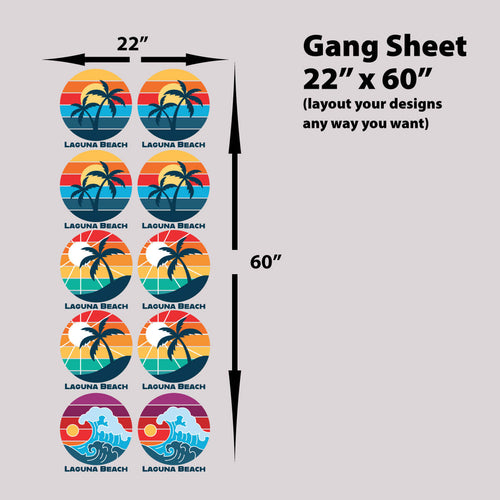
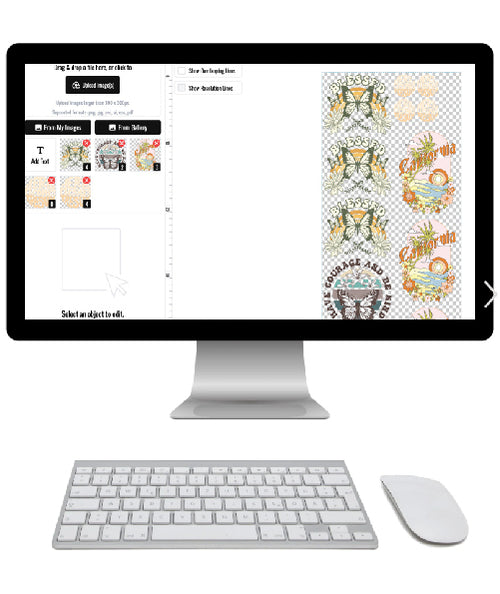
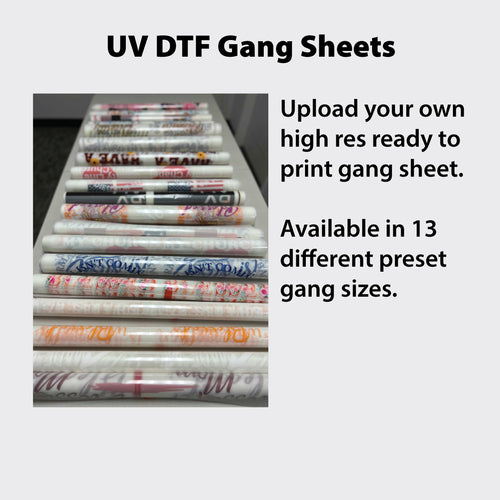
One thing that saves money fast is gang sheet capability. When multiple logos, sizes, or placements fit onto a single film layout, the cost per design drops and the chance of wasting space falls with it. That's where Lion DTF's Auto-build gang sheet builder helps, because it removes the manual tedium of arranging every element by hand and keeps the sheet tight enough to be useful.
Preparing Print-Ready Files for DTF Transfers
Most file problems show up before anything is printed. A blurry logo, a jagged font edge, or a bad background choice doesn't get fixed by a stronger press, it gets fixed by sending a cleaner file.
Build the file so the printer doesn't have to guess
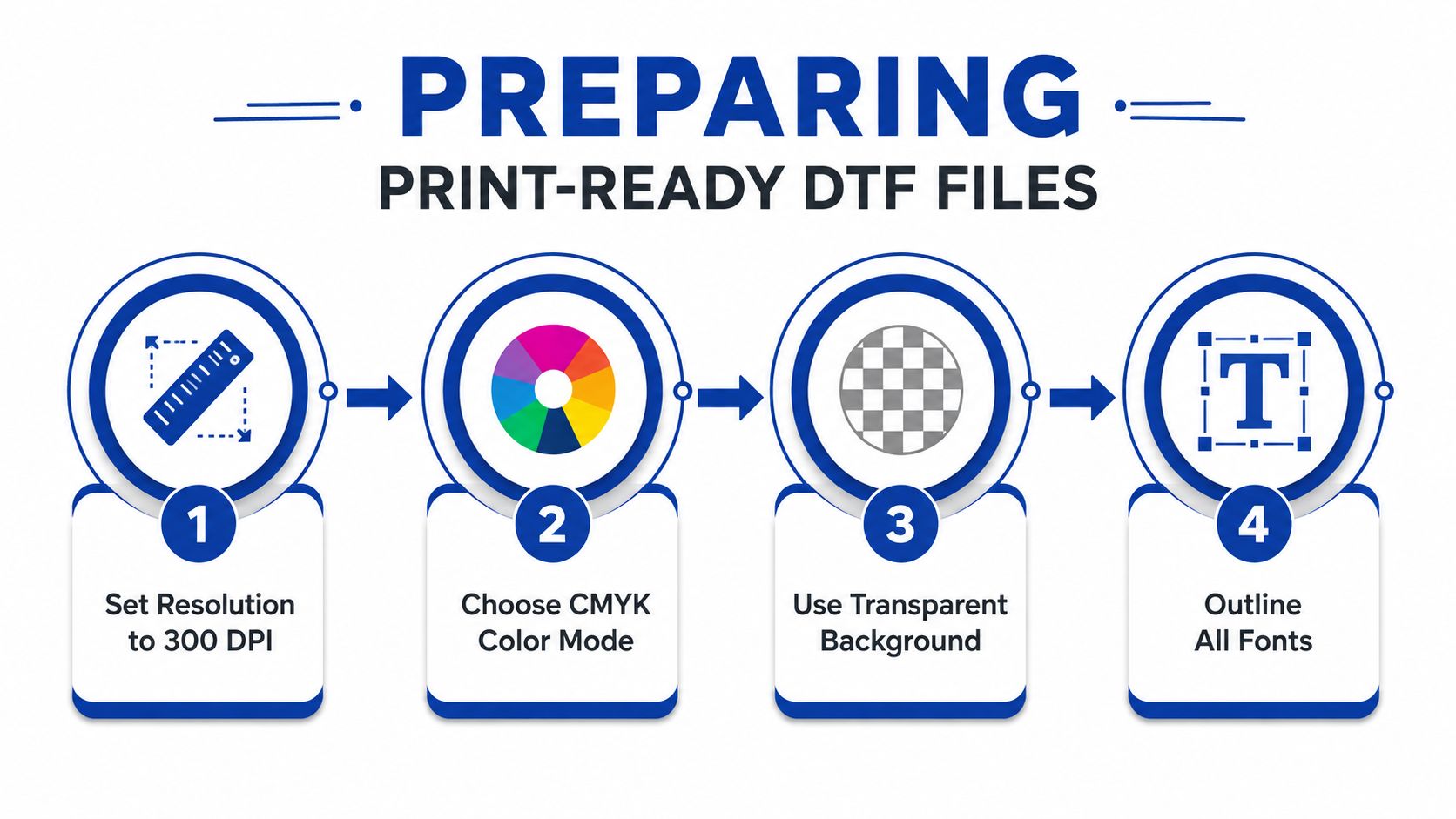
The cleanest DTF file starts with the right resolution, the right color mode, and a transparent background. Text should be outlined so missing fonts don't break the job, and any low-quality logo needs cleanup before it reaches production. If a design was pulled from a screenshot or a web image, it usually needs vectorization or at least a serious rebuild before it's worth printing.
The most common mistake is sending artwork that looks fine on a phone but falls apart on film. RGB files can also create unexpected shifts if the printer needs a CMYK-ready file, and a white underbase can't rescue artwork with weak edges or muddy transparency. Small errors become obvious once the design is pressed onto a shirt.
Save time with layout tools and clean art support
For teams juggling multiple graphics, the Auto-build gang sheet builder is a practical advantage because it packs designs efficiently and reduces wasted film. That matters for school orders, mixed-size merch drops, and team uniforms where one sheet may need several logos, names, or placements. It's also a good fit for buyers who don't want to spend an hour nudging boxes around in design software.
Best practice: send one clean master file for each logo, then let the layout system handle the sheet instead of forcing a manual collage that wastes space.
When the artwork isn't clean enough to use as-is, design help can save the order. Lion DTF's “We Build a Gang Sheet for You” service is useful for creators who don't have the software or the time to do it themselves, and its file guidance is outlined in what file format is best for printing. For seasonal merch, that means you can move faster without sacrificing consistency across the whole run.
Choosing Materials, Finishes, and Ordering Methods
Hot-peel and cold-peel transfers serve different operators. Hot-peel is a better fit when speed matters and the shop wants to keep production moving, while cold-peel can appeal to users who prefer a more controlled release. The right choice often comes down to how experienced the press operator is and how forgiving the garment fabric feels under heat.
Match the transfer to the job
DTF works across cotton, polyester, and blends, but the finish still changes the outcome. On soft streetwear, buyers often want a transfer that feels integrated without becoming stiff. On corporate apparel or team gear, durability and consistency usually matter more than the hand feel alone.
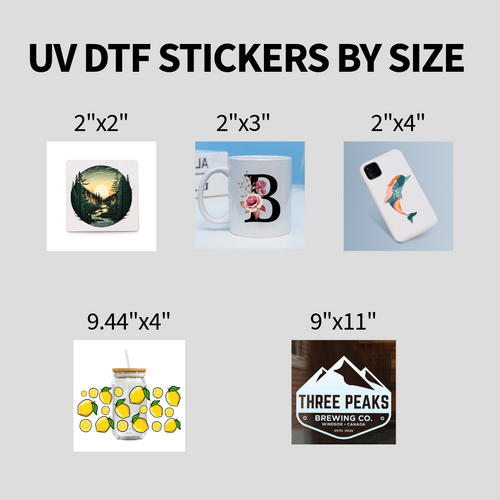
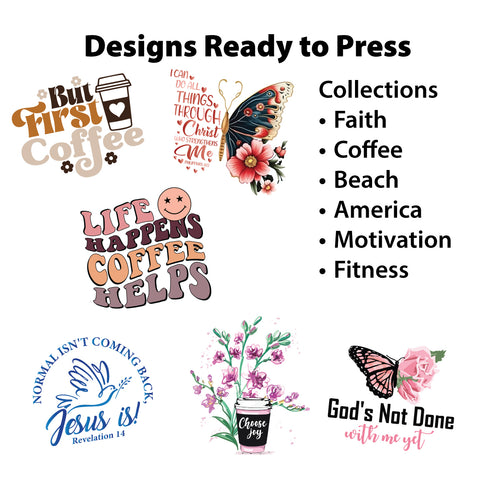
UV DTF stickers are a different use case. They're not for shirts, but they're useful for hard surfaces, branded packaging, and promotional items where a film-style graphic needs to stick cleanly. Ready-to-press collections also make sense when the buyer wants themed artwork quickly rather than a fully custom upload.
Compare ordering paths before you buy
If the project is simple, ordering by size can be the cleanest route. If there are multiple logos, names, or placements, the gang sheet route is usually more efficient because it bundles the art in one layout. Ready-to-press themed collections fit faster-turn promotional work when the buyer doesn't need custom branding from scratch.
| DTF Ordering Options Compared | Best For | Turnaround |
|---|---|---|
| Upload print-ready files | Custom logos, uniforms, merch drops | Fast once files are approved |
| Auto-build gang sheet builder | Multi-design runs, mixed sizes, cost control | Fast online layout and print |
| Order DTF by size | Simple one-off graphics | Quick for straightforward jobs |
| Ready-to-press collections | Themed merch and fast event needs | Fastest for prebuilt artwork |
For urgent San Francisco deadlines, local pickup can be the difference between making a launch and missing it. Standard shipping works for planned projects, but same-day pickup is the better play when a Friday event or Monday delivery changes late in the week. Next-day air sits in the middle when timing is tight but pickup isn't practical.
The city's downtown activation scene also shows why this matters. Downtown First Thursdays reported more than 300,000 attendees and a projected $27.9 million in spending downtown since launching in May 2024, and its 2026 season is scheduled as a 12-month renewal from January through December 2026 with events on the first Thursday of each month from 5 to 10 p.m. at Second Street between Market and Howard (DFT 2026 renewal). For merch tied to events like that, the ordering method has to match the calendar.
Heat Press Settings and Troubleshooting Common Issues
A good transfer can still fail if the press work is sloppy. That's why press discipline matters as much as artwork quality, especially for home users who rely on a small machine and for commercial shops that need repeatable output across many garments.
Press it the same way every time
A workable starting point for DTF is 240-280°F with medium-firm pressure for 7-10 seconds, then a peel based on the film type. Those settings line up with Lion DTF's press guidance in its heat press settings for DTF, but the operator still has to adjust for garment thickness and press behavior.
Cotton usually tolerates a straightforward press. Polyester and blends need more attention because too much heat or sloppy timing can cause dullness or odd texture changes. A test press on one shirt is cheaper than scrapping a whole run.
Fix failures before they spread
Incomplete adhesion usually means the pressure, time, or surface prep was off. Cracking after washes often points to a press issue, a weak transfer, or rushed handling after application. Ghosting and color dullness usually show up when the garment shifted, the peel happened too early or too late, or the press wasn't closing evenly.
Keep the shirt flat, keep the press consistent, and don't change three variables at once.
Small-batch users should focus on repeatability, not speed. Commercial operators should build a simple standard, then train everyone on it so one press station doesn't produce a different result from the next. If the transfers are strong and the press work is disciplined, the finished garment usually holds together the way the buyer expected.
Local Logistics, Pricing, and Placing Your Order
San Francisco buyers usually want two things at once, a fair price and no surprises. That's why per-square-inch pricing can be easier to manage than guessing sheet values, especially when gang sheet optimization trims waste across a mixed order.
Lion DTF says pricing can start as low as $0.017 per square inch, and that scale works for both small custom runs and larger production orders. For local shops, same-day pickup is useful when the schedule breaks late, while next-day air helps when the job can't wait but someone else still needs to press it. Standard 1 to 2 business day shipping works for planned drops and repeat inventory.
Keep the order process simple
The cleanest path is usually this. Evaluate the project, prep the files, choose the ordering method, and place the order before the deadline becomes the problem. If the layout is messy, use the Auto-build gang sheet builder. If the artwork needs help, use the service that builds the sheet for you.
Support also matters when timing is tight. Buyers can reach Lion DTF by call, text, email at info@liondtf.com, phone 833-350-5466, or website chat, which helps prevent the kind of delay that turns into a missed pickup or a reprint. For San Francisco jobs, that responsiveness is often more valuable than a small difference in price.
If you're sorting out a DTF order for shirts, uniforms, stickers, or a downtown event, Lion DTF Transfers handles custom uploads, gang sheets, ready-to-press options, and UV DTF work with fast turnaround. Visit Lion DTF Transfers to review the ordering options, compare formats, and place your next run with a cleaner file and a tighter layout.