



Raleigh-Cary had a civilian labor force of 849,421 people in January 2025, and total nonfarm employment reached 770.1 thousand in March 2026, so DTF Raleigh serves a large, active market rather than a niche side order. For a Raleigh buyer comparing local options, hot-peel DTF from a specialty provider can land at roughly $0.017 per square inch, with 1 to 2 business-day shipping and same-day pickup where available.
You may be choosing transfers for a school event, testing a hoodie design for an online shop, or trying to rescue a team order before the weekend. The local market gives you choices, but it also creates the wrong kind of comparison if you look only at the headline price. A low quote can become expensive after artwork cleanup, shipping, wasted film, failed pressing, or a missed deadline.
Raleigh was officially established in 1792, and its growth into a regional business center is reflected in current employment data from Raleigh's historical record and the U.S. Bureau of Labor Statistics Raleigh-Cary profile. That mix of startups, schools, makers, teams, and growing brands is exactly where DTF makes practical sense.
What DTF Means for Raleigh Buyers Right Now
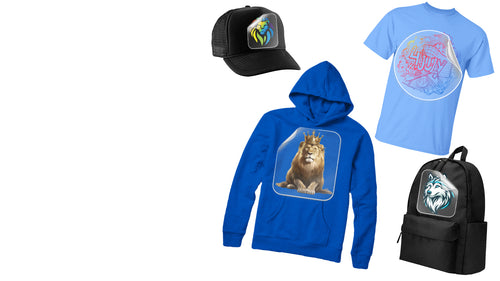
Direct-to-film printing creates a finished transfer rather than printing directly onto the garment. The shop prints full-color artwork onto a clear film, applies adhesive, cures the transfer, and sends it ready for application with a heat press. You can press it onto a shirt, hoodie, tote, or other compatible textile without pretreating the garment or weeding individual design elements.
That workflow removes much of the setup that makes older decoration methods awkward for small orders. You typically don't need screen creation, color-by-color setup, or a large minimum. A detailed graphic with gradients, small lettering, and multiple colors can be prepared as one transfer, which makes DTF useful for samples, team names, limited merch drops, and replacement pieces.

Why Raleigh orders transfers
Raleigh buyers often need flexibility more than they need a traditional production run. A startup may want a small employee order, a school may need spirit wear across different garment colors, and a maker may want to test a design before buying finished inventory. DTF covers cotton, polyester, blends, and tri-blends, giving buyers more garment freedom than methods that perform best on a narrower fabric range.
The practical question isn't whether DTF can produce bright artwork. It usually can. The better question is whether it fits the job.
- Choose DTF for short runs: It makes sense when you need a small quantity, multiple artwork variations, or no meaningful setup burden.
- Choose DTF for mixed fabrics: Polyester jerseys, cotton tees, and cotton-poly fleece can stay in the same decoration workflow.
- Compare deadlines carefully: Local DTF providers compete with screen printers, embroidery shops, and DTG services, so pickup and shipping can matter as much as print quality.
- Price the finished piece: Include transfer area, garment cost, pressing labor, freight, artwork work, and tax. Raleigh's combined sales tax rate is 7.25% in 2026, including state, county, and special district components, according to this Raleigh sales-tax breakdown.
Use cost per piece, minimums, fabric, deadline, and pickup versus shipping as your decision frame. That will tell you whether DTF is the right tool, not just whether the provider's sample looks attractive. For more context on selecting a local transfer workflow, see this guide to custom DTF transfers near Raleigh.
How the DTF Printing Process Actually Works
A DTF transfer is similar to a professionally made sticker-decal for fabric. You receive the printed, adhesive-backed design, then use heat and pressure to bond it to the garment. The provider handles printing and curing, but pressing is your responsibility when you order transfers rather than finished apparel.
From artwork to cured film
The process starts with artwork preparation. A shop checks the file, scales it to the requested dimensions, and processes it through RIP software. RIP preparation controls ink placement and the white underbase, which keeps colors visible on dark garments and supports fine detail.
The printer then lays down CMYK color and white ink onto clear PET film. While the printed layer remains wet, the shop applies hot-melt adhesive powder. The powder needs even coverage because it becomes the bonding layer between the transfer and the fabric.
The coated film moves through a curing stage. Heat bonds the powder to the printed ink, turning the wet print into a stable transfer that can be handled, cut, packaged, and pressed.

What you do at the heat press
After cutting or receiving a pre-cut transfer, position it on the garment. A common starting instruction is approximately 260-270 degrees Fahrenheit for 10 seconds, followed by the peel specified for that film, either hot or cold. The exact setting should come from the provider because film, powder, garment composition, and press pressure can change the result.
Don't treat the transfer like a disposable decal. Align it carefully, flatten the garment first, and keep seams, collars, zippers, and thick hems away from the design area. A crooked placement or uneven pressure can make a good print look defective.
Pressing rule: Test one transfer on the actual garment before committing a full order. The transfer and the shirt are separate variables, and your press is part of the production system.
Watch this DTF transfer process video before your first application, especially if you haven't used a clamshell or swing-away press. You can also review this plain-language explanation of how DTF transfers work for a film-to-garment overview.
DTF Against Embroidery, Screen Printing, and DTG
DTF isn't a universal replacement for every decoration method. It wins when you need flexible quantities, detailed color artwork, and broad fabric compatibility. Another method may be cheaper or more appropriate when the design and order size are predictable.
| Method | Best Minimums | Fabric Range | Color & Detail | Typical Per-Unit Cost | Best Fit |
|---|---|---|---|---|---|
| DTF | Low or no minimums | Cotton, polyester, blends, and tri-blends | Full color, gradients, fine detail | Predictable by transfer area | Short runs, names, complex artwork, mixed fabrics |
| Embroidery | Small uniform groups | Structured garments and embroidery-friendly textiles | Thread-based detail, strong logo presence | Usually less attractive for small quantities | Caps, polos, premium uniforms |
| Screen printing | Larger coordinated runs | Strong on common apparel fabrics | Excellent for simple-color artwork and bold graphics | Often strongest for larger runs | High-volume orders with repeatable designs |
| DTG | Small cotton-focused runs | Best on suitable cotton garments | Photorealistic color and detail | Depends on garment and machine setup | Detailed cotton shirts and one-off artwork |
Where each method earns its place
Embroidery gives polos and hats a premium, dimensional appearance. It struggles when the artwork contains large fills, gradients, or very small details, and the setup can make low-quantity orders inefficient. For logos on caps and polos, embroidery remains my first recommendation.
Screen printing is still the practical choice for more than 100 simple-color pieces when the artwork stays consistent. Its per-unit economics improve as volume rises, but setup fees and screen preparation punish short runs. A school ordering one design across a large group may save money with screen printing, while a school ordering many names or garment variations may not.
DTG produces strong photorealistic results on cotton garments. It isn't the method I'd choose for polyester performance wear or a broad mixed-fabric order, and dedicated equipment can limit provider availability.
DTF sits between these options. It handles complex art, dark garments, polyester, and tri-blends without forcing a large production commitment. Proper curing and pressing support strong wash durability, but the finished result still depends on the garment, application settings, and care.
Decision rule: Under 25 pieces, complex artwork, or non-cotton fabric points toward DTF. More than 100 simple-color pieces points toward screen printing. Caps and polos with a clean logo point toward embroidery.
Your per-unit comparison should include the whole job. DTF's predictable area-based pricing is useful, but a large front graphic can still cost more than a small chest logo. Ask for the transfer dimensions and calculate the decorated garment, pressing, delivery, and applicable tax together.
How to Judge a Raleigh DTF Provider
Start with physical evidence, not a monitor preview. Screens display color differently, and a digital mockup can't show how white ink behaves on cotton, polyester, or a tri-blend. Ask the provider for physical samples on the fabrics you plan to use, then inspect edge sharpness, white coverage, stretch, and hand feel.
Questions that protect the order
Use this checklist before paying:
- Check color accuracy: Ask whether the shop can show comparable samples and how it maintains consistent white ink flow. A recent-generation printer isn't enough by itself. The provider should explain how it monitors color and repeat orders.
- Review file preparation: Send artwork at 300 dpi at final size when possible. A serious shop should flag a low-resolution logo instead of printing a blurry file.
- Clarify safe areas: Ask about bleed, transparent backgrounds, and edge clearance. The provider should explain these terms in plain language and identify risks before production.
- Get turnaround in writing: Confirm production time, shipping time, cutoff times, and whether same-day or next-business-day service is available for your order type.
- Ask about defects: Find out what happens if a misprint is discovered after production or if a transfer fails during application. Reprint and credit policies should be clear before checkout.
- Test support: Make sure you know how to reach the shop by phone, email, chat, or text during business hours. After-press questions often arise when the operator is standing at the heat press.
The provider should also tell you how transfers are packaged and stored. Film exposed to excessive heat, moisture, or pressure can become harder to handle, which is especially relevant when an order sits in a delivery area before pressing.

The cheapest quote rarely stays the cheapest job if it creates rework, a failed application, or a missed event. Compare the provider's communication, file review, replacement policy, and delivery process along with the transfer price. Raleigh's business market is substantial, with a population estimate of 499,825 on July 1, 2024, and a 6.8% increase from the 2020 Census base, as shown on the Raleigh population reference. A busy market gives you choices, so use them to demand clear answers.
Ordering DTF Transfers With the Auto-Build Gang Sheet
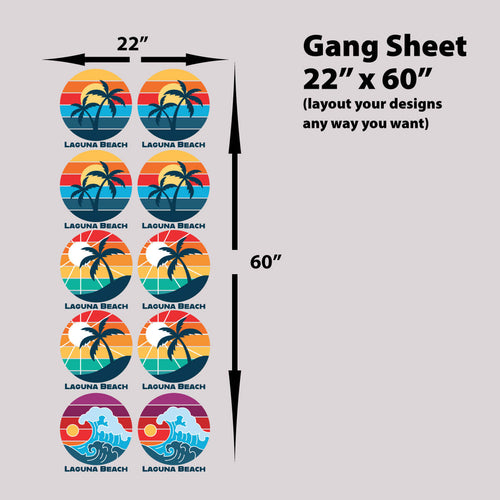
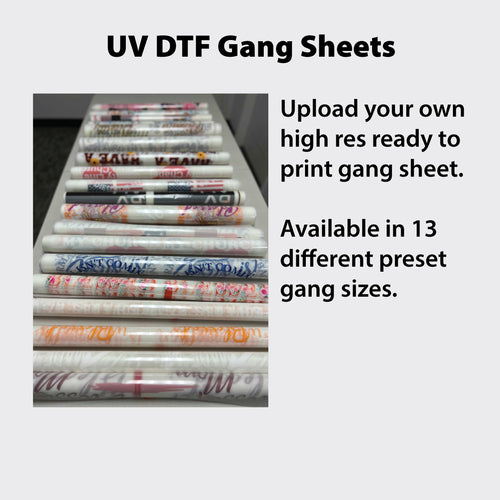
Gang sheets matter because they let you place multiple designs on one film sheet instead of buying each image as a separate production item. Packing the sheet efficiently reduces unused space and can bring pricing to roughly $0.017 per square inch, depending on the provider and order configuration.
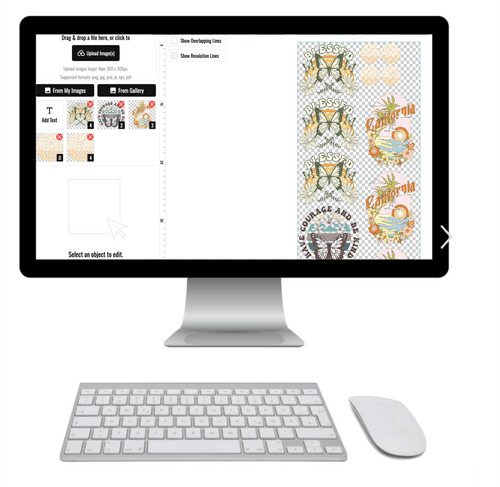
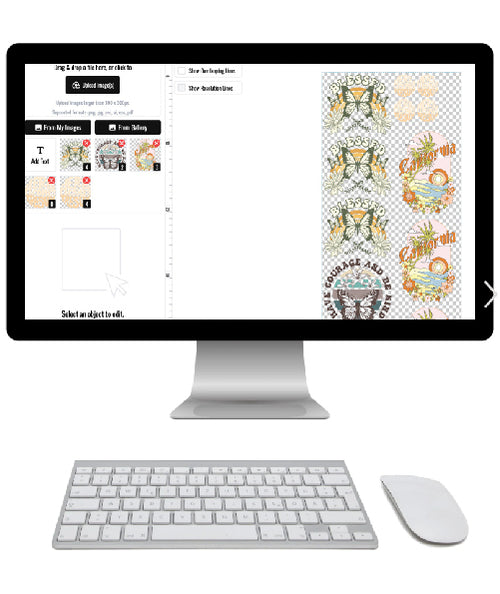
Always use the Auto-build gang sheet builder when you're ordering multiple designs. It makes the layout easier to review, helps reduce waste, and improves cost effectiveness because you can see how much film the artwork occupies before checkout.
A first-order workflow
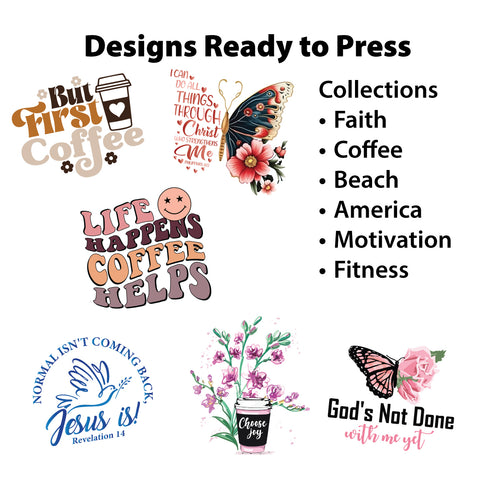
- Choose the product path: Select ready-to-press transfers from a catalog, or upload your own PNG with a transparent background. Ready-to-press artwork is quicker for common themes. Custom uploads give you control over branding, names, and original artwork.
- Open the builder: Enter the Auto-build gang sheet tool and add your designs. Use the 22-by-36-inch sheet template as your working area, then place the artwork according to the garment sizes and placements you need.
- Arrange the sheet: Drag designs into position, rotate them to use unused areas, and duplicate repeated graphics. Remove unnecessary negative space. The live square-inch total should update as you work, giving you a direct view of how layout decisions affect the quote.
- Match the artwork to the garment: Build at final print size and check whether the graphic belongs on a chest, full front, sleeve, back, or youth garment. A design that looks balanced on a large hoodie may overwhelm a smaller shirt.
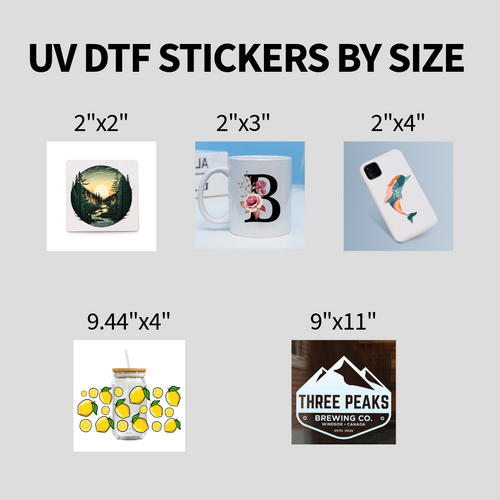
- Run the file check: Use 300 dpi artwork at final size, keep critical content at least 0.125 inch from the edges, and confirm that the dimensions match the intended placement. Transparent backgrounds prevent unwanted boxes around the design.

Choose between ready-to-press pricing and by-the-sheet pricing based on how much control you need. A buyer with repeated small graphics may prefer individual pre-cut transfers, while a print shop or school coordinator may get more value from a packed sheet. Review the Auto-builder gang sheet workflow before uploading a complex layout.
Order a sample first when the garment, color, or artwork is unfamiliar. A sample lets you verify scale and pressing behavior before you commit the entire sheet. Don't pay until the provider's artwork checklist, dimensions, quantity, and delivery choice all match your production plan.
Same Day Shipping for Raleigh Orders
Your delivery choice should follow the deadline, not habit. A Raleigh buyer pressing at an offsite location may need a tracked delivery window.
Three paths cover most orders:
| Option | Typical Turnaround | Best For | Trade-off |
|---|---|---|---|
| Same-day pickup | Same day where available | Small rush jobs for buyers in Raleigh or nearby Cary, Apex, and Durham | Requires driving before the afternoon cutoff |
| Next-day air | Next business day where available | Deadline-sensitive orders when pickup isn't practical | Freight can add meaningful cost |
| Standard shipping | 1 to 2 business days | Larger runs without a hard deadline | Lower delivery cost, but more time and storage exposure |
Same-day pickup often carries no shipping premium, but it costs you time and requires coordination. Next-day air protects a hard deadline when you can't get to the shop, though the freight can outweigh the savings from a slightly lower transfer quote.
Standard ground shipping is usually the sensible choice for flexible bulk orders. It keeps the order simple, but don't leave the package in a hot mailbox or on a sunny porch. Raleigh summers can expose film and adhesive to high temperatures, which may affect how the transfer handles and presses.
Deadline rule: Pick up small rush jobs when you can control the handoff. Use next-day air when the pressing site is offsite. Use standard shipping for non-urgent bulk orders and move the package into a cool, dry storage area as soon as it arrives.
Ask three questions before checkout. What time is the order ready? Which carrier or pickup window applies? Who receives the package if nobody is available? Those answers matter more than a generic “fast turnaround” promise.
Real Raleigh Use Cases for DTF Transfers
A youth sports team is a strong DTF candidate when it needs 28 player names plus a back logo. The coordinator can arrange the work on one 22-by-60-inch gang sheet at roughly $0.017 per square inch, select one-business-day shipping, and have volunteers press the transfers onto supplied blanks at a booster meeting. The shop produces the transfer, while the team controls garment sourcing and application.
A small merch seller launching a 50-piece hoodie drop has a different priority. A ready-to-press catalog design on dark cotton-poly fleece can move directly into the seller's in-house pressing workflow, avoiding a second vendor for garment decoration. The seller should still test the artwork on the actual fleece because fabric texture, seams, and pressure affect application.
Match the order to the operator
| Scenario | Quantity | Sheet Size | Turnaround | Who Presses |
|---|---|---|---|---|
| Youth sports names and back logo | 28 names plus logo | 22 by 60 inches | One business day for shipping | Team or booster volunteers |
| Small hoodie merch drop | 50 hoodies | Sized to the packed artwork | Planned production window | Seller in-house |
| Middle school spirit wear | Mixed student names and logo | Auto-built sheet | Coordinated school delivery | School staff, volunteers, or garment provider |
| Screen-printer reorder | 12 replacement pieces | Sized to the reorder artwork | Rush or standard, based on deadline | Screen printer or customer |
A middle school can upload one PNG, use the Auto-build gang sheet tool to tile names across a sheet, and split the finished delivery between teacher pickup and parent shipping. That setup reduces manual layout work, but the organizer should proof every name before payment. A misspelled name is an artwork approval problem, not a printer problem.
A local screen printer can use DTF for a 12-piece reorder without burning another screen. That keeps the main press available for larger runs and gives the customer a consistent way to replace missing or damaged pieces.
Best fit: DTF earns its place when the order changes from garment to garment, the artwork is detailed, or the quantity is too small to justify traditional setup.
In every scenario, pressing responsibility needs to be explicit. If the provider supplies transfers only, assign one operator, use a tested press setting, and keep a sample garment available for calibration.
Putting It Together and Quick Answers
Choose local pickup when the order is less than 24 hours from pressing and you have a safe place to store the transfers. Choose next-day air when pressing happens offsite and the delivery handoff matters more than freight cost. Choose standard 1 to 2 business-day shipping for a flexible drop where lower delivery cost matters more than maximum control.
Questions Raleigh buyers ask
Will DTF work on my fabric?
DTF bonds to cotton, polyester, tri-blends, and most compatible performance fabrics without garment pretreatment. Confirm the specific garment with the provider before ordering a large run.
How long will the print last?
Expect 80-plus wash durability when the transfer is pressed with the recommended settings by Lion DTF Transfers company followed by a hot peel and a final 5-second cover sheet, provided the garment and care instructions are suitable.
Can I get a rush order?
Same-day pickup or next-day air may be available in some locations. Check cutoff times at checkout, and don't assume a shipping speed replaces production time.
Can someone fix my artwork?
Design support can include file cleanup, background removal, and color separation for an added fee when the upload isn't print-ready. Ask for approval before the file enters production.
Raleigh is a sizable, active market, with 482,425 residents in the 2020 Census, according to the official Raleigh city profile reference. Your next step is simple: calculate the actual decorated area, choose the fabric, confirm who will press the garments, and select pickup or shipping against the deadline.
Lion DTF Transfers offers custom ready-to-press transfers, gang sheets, an Auto-build gang sheet builder, artwork support, or shipping options for Raleigh orders. Visit Lion DTF Transfers to upload your artwork, build a packed sheet, compare order formats, and start with a sample when the job has no room for rework.
Email orders@LionDTF.com or Text or Call: 833-350-5466