



You're probably staring at a small but urgent order right now, maybe shirts for a pop-up, polos for staff, or transfers for a last-minute team run. The deadline is close, the budget is tight, and you don't want to buy the wrong print method, upload the wrong file, or pay for more setup than the job needs. For DTF Omaha, the smart move is to choose the format that keeps the order simple, fast, and cheap to press.
If the order is local, the decision isn't “DTF or not.” It's whether you should send one design or build a gang sheet, pick pickup or shipping, and lock standard or rush timing before the calendar turns on you. Omaha's scale matters here, because a city of 486,051 in the 2020 census and an estimated 488,797 in 2025 supports a deep base of schools, teams, shops, and sellers that need custom apparel done without drama, and Omaha is the 42nd-most populous U.S. city (Hurrdat Brand Goods).
A Typical Omaha DTF Order and the Decisions Behind It
A coffee shop owner in midtown calls on Monday and wants 24 matching shirts for a Saturday pop-up, plus six polos with names on the back for staff. The budget is tight, the art is already in a Canva file, and the owner has never ordered transfers before. That's a normal DTF Omaha order, and it forces five decisions fast.
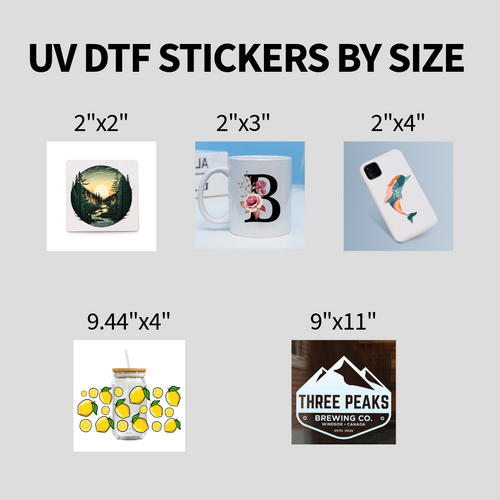
First, the owner has to choose the printing method. DTF is the clean choice when the design is full color, the order is short, and the art needs names, logos, or event graphics without screen setup headaches. Then comes sizing, because a chest logo for a shirt is not the same as a back print for a polo.
The order decisions happen in a fixed sequence
The buyer has to decide whether to submit one image at a time or stack several designs on a gang sheet. Empty space on a single-image transfer is wasted money, so that choice matters more than people think. The next fork is fulfillment, local pickup or shipped delivery, then turnaround, standard or rush.
Practical rule: if the job has more than one design, you should think gang sheet first and single-image order second.
Omaha buyers usually make the mistake of starting with price per transfer instead of the total order structure. That's backwards. The right question is, “What do I need to send, how fast do I need it, and how much dead space am I paying for?” Once you answer those three things, the rest of the order is easy.
For a small business owner, that's the whole game. The press time is only one piece. File prep, packing the artwork, and picking the right lane at checkout are what decide whether Saturday is smooth or stressful.
What DTF Printing Actually Means for Omaha Buyers
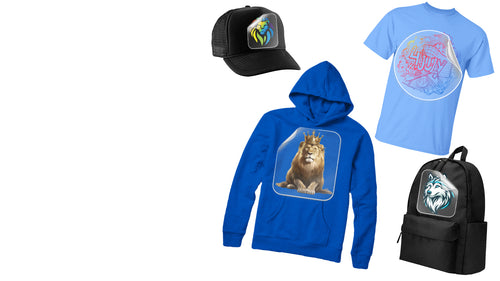
DTF, or direct-to-film, is straightforward. The artwork gets printed onto a special film, adhesive powder is added, the film is cured, and then the design is heat-pressed onto the garment. It functions like a high-resolution sticker that bonds into the fabric instead of sitting stiffly on top of it.
That's why Omaha buyers use it for short runs with lots of color. DTF handles photo-style art, small lettering, and layered logos without asking you to pay for multiple screen setups or separate color passes. It's a strong fit when you want detailed artwork and don't want to simplify the design just to make production easier.
Why DTF feels different from screen printing and vinyl
Screen printing pushes ink through a mesh stencil. It's efficient when you're printing the same design in large quantities, but it doesn't love variation. Vinyl, including HTV, sits on top of the garment and usually makes sense for simple lettering or limited-color graphics.
DTF behaves differently. It gives you full-color output, sharp edges, and a soft hand feel once pressed correctly. You can use it for names, numbers, logos, and detailed art without worrying about per-color screen fees or the design getting chopped down to fit the process.
What DTF is not matters too. It does not give you embroidery texture, raised stitching, or the woven feel of thread. It also isn't a banner process or a rigid sign material. If you need fabric decoration that presses cleanly and stays light, DTF is the right lane. If you need dimensional threadwork or huge display graphics, you're in the wrong aisle.
Where DTF Wins and Where It Doesn't in Omaha
DTF wins when the buyer cares about flexibility more than industrial-scale repetition. That's the sweet spot for small businesses, schools, boosters, sports teams, churches, and e-commerce sellers who want to test art before tying up cash in inventory. The best local orders are usually the ones with variation, not the ones with endless sameness.
A café wanting 12 shirts for a weekend market is a classic fit. So is a booster club ordering 18 name-and-number tees for a one-night fundraiser. A youth baseball coach who needs 24 player shirts after a roster change gets more value from DTF than from a setup-heavy process. An Etsy seller testing 36 pieces of a new design also gets a better starting point with transfers than with a bulk print commitment.
The line where DTF stops making sense
DTF is the wrong call when the order turns into a very large identical run and per-piece economics start favoring another method. It's also the wrong answer for projects that need metallic or neon specialty inks, because that's a different production conversation. And if the garment needs embroidered texture, don't try to force DTF into that role.
The decision boundary is simple. If the buyer needs short-run variety, DTF is usually the cleaner move. If the buyer needs huge repetition, specialty finishes, or thread, pick something else.
If a job is mostly about flexibility, DTF usually wins. If it's about volume or texture, it usually doesn't.
That's not a quality judgment. It's a production judgment. Omaha buyers save money when they match the method to the job instead of buying based on habit.
Single Designs Versus the Auto-Build Gang Sheet Builder
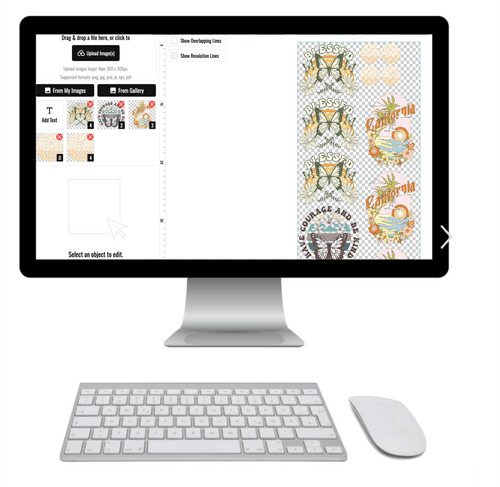
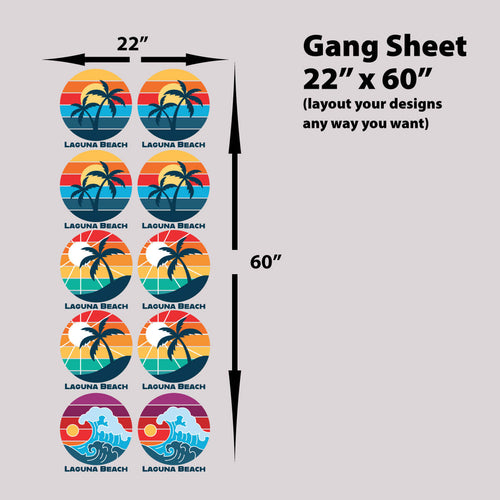
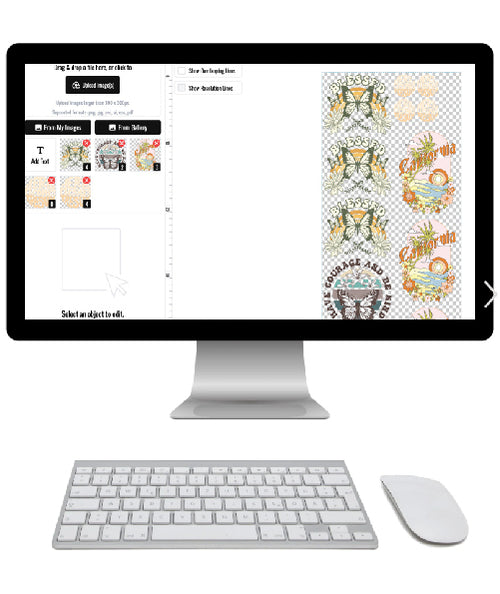
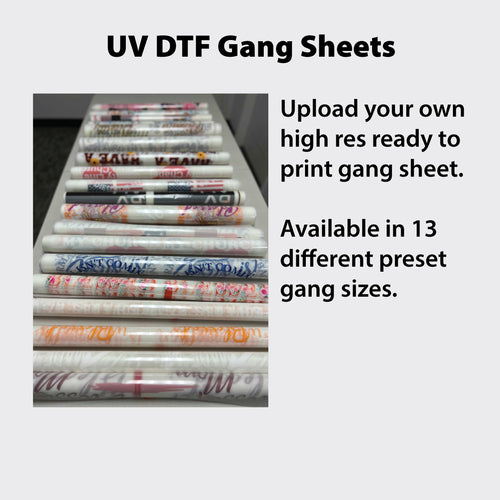
The expensive mistake is ordering one design at a time when you could have packed several designs into the same sheet. Lion DTF prices by linear foot at a set sheet width, so the empty space on a lone transfer is money you're handing over for nothing. The Auto-Build gang sheet builder solves that by letting you fill the sheet and push more usable artwork through the same production lane.
A 22-inch sheet with three to five average-sized logos usually gives you much better use of material than five separate single-image orders. The exact design mix changes the math, but the principle doesn't. Once you stop paying for blank space, your per-transfer cost drops.
| Order Method | Sheet Length Used | Number of Designs | Cost Per Design | Best For |
|---|---|---|---|---|
| Single image | One design area only | 1 | Higher because unused space stays empty | One-off gifts, testers, ultra-rush jobs |
| Gang sheet | Full sheet packed with multiple graphics | 3 to 5 or more | Lower because space is shared across designs | Teams, staff shirts, mixed-size runs |
The practical comparison is simple. A single 4x4 logo ordered alone uses the transfer space inefficiently. The same 4x4 logo placed on a gang sheet with four other designs spreads the sheet cost across five transfers instead of one, which is exactly where the savings come from. For buyers who care about lean ordering, that matters more than any glossy sales pitch.
This practical guide to the gang sheet builder is worth reading if you want to understand how the sheet format affects checkout and layout. My advice is blunt, use single-image ordering only when the job is one-off, a tester, or so rushed that you don't have time to build the sheet. For everything else, go straight to the Auto-Build gang sheet builder and stop paying for dead air.
File Prep That Keeps Your Omaha Order on Schedule
Bad files slow everything down. Good files go straight into production. For DTF Omaha orders, the safest starting point is a PNG with a transparent background, though PSD, AI, and PDF files are also common upload formats when the artwork is built properly. The file has to be sharp at final size, because if the source art is soft, the printed transfer will be soft too.

The specs that save you from revision emails
The safe resolution target is 300 DPI at final print size. That matters because low-resolution artwork pulled from social media gets ugly fast, especially on small chest logos and fine text. Color should be prepared for digital output, which means buyers should think in terms of screen-ready files rather than assuming a physical swatch will match whatever they see on a phone.
Omaha buyers also need to respect the width limits of the sheet they're ordering. If the art is wider than the film can run, it needs to be resized before checkout. And if the logo includes a Pantone requirement, that's a physical matching conversation, not a casual “close enough on screen” decision.
A pre-upload checklist that keeps the job moving
- Check transparency: Make sure the background is clear, not a white box hidden behind the art.
- Check resolution: The file should hold up at 300 DPI at the size you plan to print.
- Check sizing: Measure the final transfer area before you upload, not after.
- Check file name: Use a clear name so you can identify each design fast when you're ordering multiple transfers.
The common delay points are obvious once you've seen them a few times. Flattened backgrounds show up where buyers expected transparency, low-resolution logos look fuzzy, and color assumptions create back-and-forth that no one wants. If you want the order to hit the press queue quickly, upload art that already behaves like print-ready art.
Next Day Shipping and Turnaround Options Compared
If you're in Omaha and you need transfers fast, next day shipping is the easiest answer when time is of essence. Shipping makes more sense for planned jobs that can wait. Standard turnaround is the right move when the deadline is comfortable and you want the order to arrive by carrier instead of by car. Rush is only for real emergencies, because speed always brings a premium and you should only pay it when the calendar leaves no room to spare.
Where to print DTF transfers near me is the kind of search people make when they're already behind. Don't wait until then.
| Fulfillment Option | Typical Turnaround | Best For | Cost Tier | Decision Trigger |
|---|---|---|---|---|
| Same Day Shipping | Same-day or next-day availability for eligible orders | Shops, schools, teams with an in-house press | Lower than rush shipping | You need transfers tomorrow |
| Standard shipping | Planned orders with normal production timing | Merch runs, reorders, non-urgent jobs | Standard | The deadline can absorb a few extra days |
| Rush shipping | Faster handling for urgent jobs | Hard deadlines and last-minute events | Higher | The date cannot slip |
Choose standard shipping when the event is planned and there's no reason to spend more. Choose rush only when missing the deadline costs more than the premium. That's the whole decision tree.
Pressing Instructions for Hot-Peel DTF Transfers
A first-time presser usually overthinks the heat press and under thinks the garment prep. Start with a quick pre-press to flatten the shirt and drive out moisture. If you skip that step, you're fighting wrinkles and steam before the transfer even touches the fabric.
For hot-peel DTF transfers, set the press to 270°F and run 10 seconds with medium pressure. Once the platen lifts, peel the film immediately in a smooth, low-angle motion. Don't yank it straight up like tape, because that's how edges get stressed.

How to finish the press so the shirt ships cleanly
A second press is smart insurance. Use a Teflon sheet or parchment and run 270°F for 5 seconds to lock down durability and knock out the shiny ink look that sometimes shows after the first press. That finish step matters on garments that are going straight to customers, because it gives the transfer a more settled appearance.
If edges lift, the press probably didn't deliver enough pressure. If the shirt shows dye migration, especially on poly-blends, the fabric is the problem, not the transfer. That's when you stop guessing and send a photo back to the printer instead of trying three more presses and making the issue worse.
If the transfer looks wrong, photograph it before you try to “fix” it three times.
Hot-peel DTF transfer instructions are worth saving if you press at home or in a shop with newer staff. The main rule is simple. Press clean, peel clean, finish clean.
Your Next Steps for a Fast Affordable Omaha DTF Order

Start with quantity, not with design feelings. If you've got multiple graphics, the Auto-Build gang sheet builder is usually the cleanest way to cut waste and control the cost per transfer. If you've got one design and one deadline, keep it simple and don't overbuild the order.
A five-minute ordering sequence that works
- Confirm Quantity. Calculate how many pieces each design needs, then decide whether gang sheet economics make more sense.
- Choose Delivery. Same day shipping if you need the transfers in hand fast, or ship if the deadline is flexible.
- Prepare Files. Upload print-ready art, preferably a transparent PNG that matches the size you need.
- Place Order. Lock in the turnaround lane that matches the calendar, then submit the order with the correct details.
- Receive and Press. Follow the pressing instructions and keep the first test piece handy before you run the whole batch.
That sequence keeps you out of the usual traps. You won't overpay for blank space, you won't miss a cutoff because you hesitated on delivery, and you won't lose time fixing a file that should've been ready before upload. For Omaha buyers, speed is usually just a matter of making the right choice once, not making ten small fixes later.
If you need the job done without wasting hours on setup, place the order now and stop letting the deadline sit in your inbox.
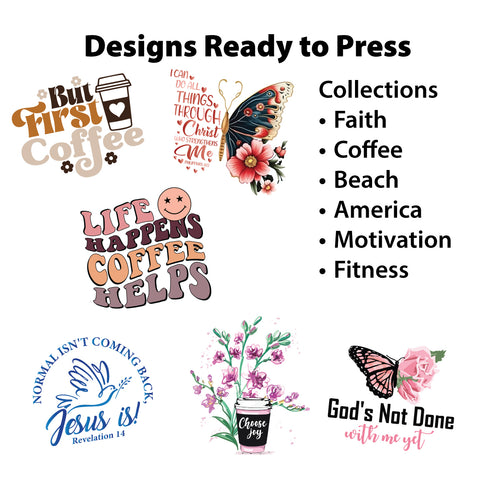
Lion DTF Transfers handles ready-to-press DTF transfers, gang sheets, and hot-peel production for orders that need clean files and fast turnaround. If you're comparing, shipping, or sheet-building options for DTF Omaha, visit Lion DTF Transfers and start with the format that matches your deadline and budget.
Email orders@LionDTF.com or Text or Call: 833-350-5466