
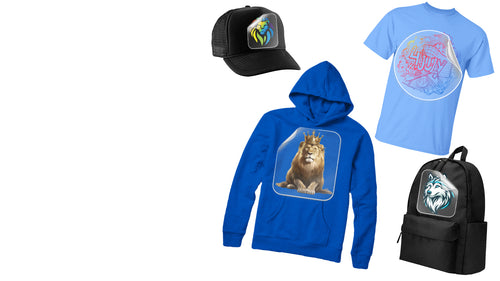



Hot peel DTF transfers are all about speed. It’s a printing method where you peel the transfer film away immediately after heat pressing, while the design is still piping hot. This technique gives you a much softer finish, more vibrant colors, and a seriously faster production workflow compared to the old cold peel methods.
Why Hot Peel DTF Transfers Are a Game Changer

If you're serious about your custom apparel, you need to understand the real-world benefits of hot peel DTF transfers. This method is fast becoming the go-to for creators who need both quality and efficiency, and for good reason.
The immediate peel doesn’t just save you a ton of time on each press. It actually creates a print that feels less like a plastic sticker and more like it’s part of the fabric itself. That's the hand-feel your customers are looking for.
Unlike cold peel, where you have to wait around for the transfer to cool down, the hot peel process is one fluid, fast motion. That speed is a massive win for anyone handling bulk orders or working against a tight deadline. You can go from pressing to peeling to finishing in a seamless flow, cranking up your output without ever compromising on a premium look.
Unlocking Speed and Softness
The magic is in the adhesive. The unique chemistry of hot peel adhesives allows the ink to release cleanly from the film at high temperatures. This process actually embeds the design into the garment's fibers more deeply, which is the secret behind that remarkably soft texture.
You get professional-quality shirts that not only look incredible but are genuinely comfortable to wear.
A huge advantage of the hot peel method is its incredible durability. When you apply them correctly, these transfers are tested to stand up to over 100 washes without cracking, fading, or peeling. Your creations are built to last.
Making Production More Efficient
To get started, you have to think about maximizing your resources. Profitability in this business comes down to smart planning, especially when it comes to your prints. Instead of ordering designs one by one, the pros group them together.
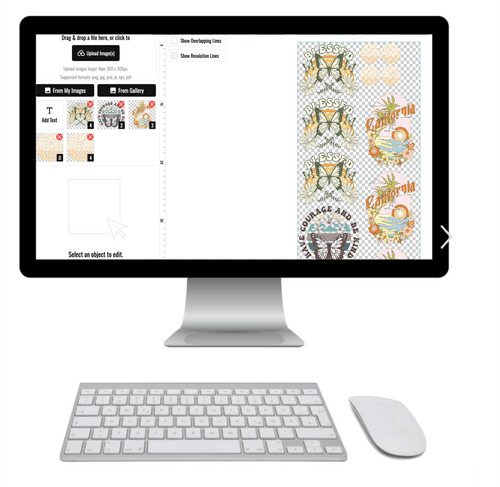
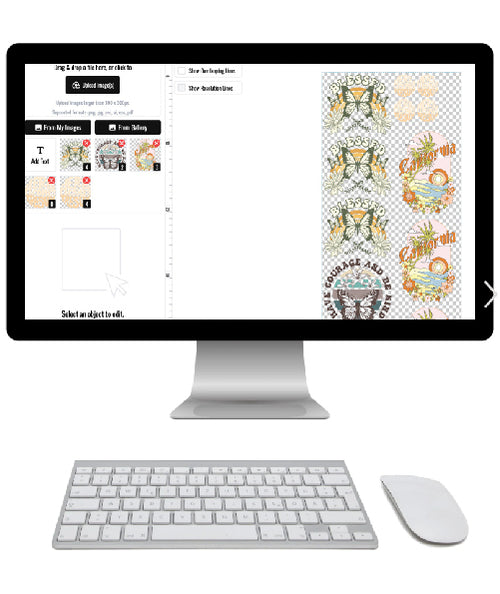
Our Auto-build gang sheet builder was designed specifically for this. It takes all the guesswork out of the process, letting you upload multiple designs that it automatically arranges to use every last square inch of the transfer sheet. This approach slashes your cost per print and makes your operation more profitable from day one.
If you’re still getting up to speed on the basics, our guide on what DTF printing is and how it works is a great place to start.
Setting Up Your Workspace for Perfect Transfers

A professional-quality print starts long before you ever lower your heat press. The real difference between an amateur job and a flawless, durable design often comes down to the prep work you do beforehand. A clean, organized workspace is your first move toward consistent and efficient results.
Think about it: you’ve got a big order to get out the door. Having your garments sorted, your transfers ready, and your heat press calibrated ahead of time lets you focus completely on production. This setup doesn't just speed up your workflow; it prevents costly mistakes.
Choosing the Right Fabrics
Hot peel DTF transfers are known for their versatility, working great on a huge range of materials. But knowing your fabric inside and out is the key to getting a perfect press every time.
-
100% Cotton: This is the easiest and most forgiving fabric for DTF. It takes heat well and gives the adhesive a fantastic surface to bond with, creating vibrant, long-lasting prints.
-
Polyester & Blends (50/50): These materials are also great candidates, but they demand a bit more attention. Polyester is sensitive to high heat, which can cause dye migration—this is where the fabric’s dye bleeds into your transfer’s white ink. Sticking to the recommended temperatures is absolutely crucial here.
-
Tri-Blends: It’s possible to press on tri-blends, but they can be tricky. They often need lower temperatures and careful testing to avoid scorching the fabric or weakening the adhesion. Always test a small transfer on a scrap piece first.
Before you press any garment, you need to do a pre-press for 5-10 seconds. This is a non-negotiable step. It gets rid of the two biggest enemies of a good transfer: hidden moisture and wrinkles. A flat, dry surface is the only way to ensure the transfer bonds evenly and securely.
A pre-press isn't just a suggestion; it's a requirement for professional results. Skipping this step is the number one cause of transfers failing to stick properly, especially in humid environments.
Organizing for Maximum Efficiency
An organized station is an efficient one. When you're juggling multiple designs, especially if you've cut them from a large gang sheet, having a system is essential. Lay out your garments in stacks and have your transfers cut and ready to go. This assembly-line approach will save you a ton of time.
For creators looking to boost both efficiency and profit, our Auto-build gang sheet builder is an indispensable tool. It lets you fit multiple designs onto a single sheet, which dramatically lowers your cost per print. By planning your jobs with gang sheets, you can streamline your prep work by having all designs for an order printed together, making organization simple and incredibly cost-effective.
Taking a few minutes to prepare your workspace, calibrate your press, and pre-press your materials will save you from the most common frustrations. This initial effort is what guarantees your hot peel dtf transfers result in a product you’re proud to sell.
Nailing Your Heat Press Settings for Any Fabric
This is where all your prep work pays off—the moment you bring your design to life at the heat press. Getting this step right is everything. Vague recommendations just don't fly here. For professional, consistent results with your hot peel DTF transfers, you need tested, specific settings for temperature, time, and pressure that are dialed in for your specific material.
It’s crucial to understand the "why" behind the numbers. We’ve all seen it: a polyester shirt ruined by dye migration because the heat was too high, causing the fabric’s color to bleed straight into the design. On the flip side, if your pressure is off, you risk transfers peeling after the first wash. It’s a delicate balance, but one you can master.
Our premium transfers are engineered to give you a more forgiving and reliable experience. That built-in quality is a lifesaver, especially when you’re pressing multiple designs from a single sheet—a process made incredibly simple and cost-effective with our Auto-build gang sheet builder.
The Two-Press Method
For a finish that looks and feels incredible and lasts wash after wash, the two-press method is non-negotiable.
The first press is all about getting the transfer’s adhesive to bond securely with the garment. This is the main event where the magic happens. After you peel the film away, the second press locks it all in. This quick press cures the ink, boosts long-term durability, and gives the print a soft, matte finish that feels like it’s part of the fabric, not sitting on top of it.
This two-step process is what separates the good from the great. It’s the secret to creating products that stand up to real-world wear and tear.
Recommended Settings by Fabric Type
Think of these settings as your starting point. Every heat press has its own quirks, so running a small test on a scrap piece of fabric is always a brilliant move. Below is a quick-reference guide to get you started with the most common fabrics you'll encounter.
Here's a table with our go-to settings to help you get that perfect press every time.
Recommended Heat Press Settings for Hot Peel DTF Transfers
| Fabric Type | Temperature | Press Time | Pressure | Peel Method |
|---|---|---|---|---|
| 100% Cotton | 270-280°F | 10 seconds | Medium-Firm | Hot Peel |
| 50/50 Blends | 260-280°F | 10 seconds | Medium | Hot Peel |
| Polyester | 240-250°F | 7-10 seconds | Medium | Hot Peel |
| Tri-Blends | 260-280°F | 7-10 seconds | Light-Medium | Hot Peel |
These guidelines are designed to give you a solid foundation, ensuring your transfers adhere beautifully and last for the long haul.
For that second finishing press, you only need about 5-10 seconds. Always use a Teflon sheet or some parchment paper over the design to protect it and your heat platen.
This level of quality and durability is exactly why the DTF printing market is exploding. The global market, which includes in-demand hot peel DTF transfers, was valued at USD 2.72 billion in 2024 and is on track to hit USD 3.92 billion by 2030. This incredible growth shows how DTF is empowering businesses to meet the demand for custom apparel with transfers that offer superior adhesion and wash durability—often tested to withstand over 100 washes. Read more on the impressive growth of the DTF market.
For a deeper dive into perfecting your technique, check out our guide on heat press settings for DTF. Mastering these settings is the key to getting the absolute most out of every single transfer you press.
Mastering The Perfect Hot Peel Technique
The peel is the moment of truth with hot peel DTF transfers. This single action is what separates a flawless, professional finish from a frustrating failure. It’s a move that takes confidence and a bit of practice, but once you get it down, you unlock incredible speed and quality in your production workflow.
The name tells you everything you need to know: you have to peel the film while it’s still hot. Hesitation is your enemy here. The second your heat press pops open, you need to be ready to go. If you wait even a few extra seconds and let the transfer cool down, the adhesive can bond back to the film instead of staying on the shirt.
The Art of the Immediate Peel
Think of the peeling motion as one smooth, fluid action. Whatever you do, don't just yank the film straight up. That’s a surefire way to stretch the warm design or, worse, cause parts of it to lift off the fabric.
Instead, grab a corner of the film and peel it back at a low, consistent angle. Keep the film close to the garment as you roll it away. This technique puts minimal stress on the fresh ink and adhesive, allowing the design to release cleanly. Nailing this quick, decisive peel is what makes your entire process so much faster.
Of course, a perfect peel starts with a perfect press. Getting your settings dialed in is what creates the ideal conditions for the adhesive to release properly.
As you can see, the right temperature, time, and pressure are the foundation. When those are correct, the film is ready to release cleanly, setting you up for success.
The goal is to make the hot peel feel like second nature. With practice, you'll build the muscle memory to peel smoothly and confidently every time—a massive advantage when you're tackling big orders.
This level of efficiency is a huge reason why hot peel DTF transfers are making such an impact on the industry. The DTF printer market, which is projected to hit USD 2.68 billion by 2025, is built on this kind of speed. Unlike cold peel films, the hot peel method delivers the sharper edges and premium look that fashion brands and event organizers need on a tight deadline. Discover more about DTF market trends and forecasts.
Ultimately, speeding up your production line means you can take on more jobs and boost your profitability. This becomes even more true when you use tools like our Auto-build gang sheet builder, which makes creating bulk orders incredibly simple and cost-effective.
Boost Your Profits with Smart Gang Sheet Strategy
Knowing how to apply a hot peel transfer is one thing, but making real money with them requires a different mindset. It’s time to think less like a creator and more like a savvy business owner focused on return on investment.
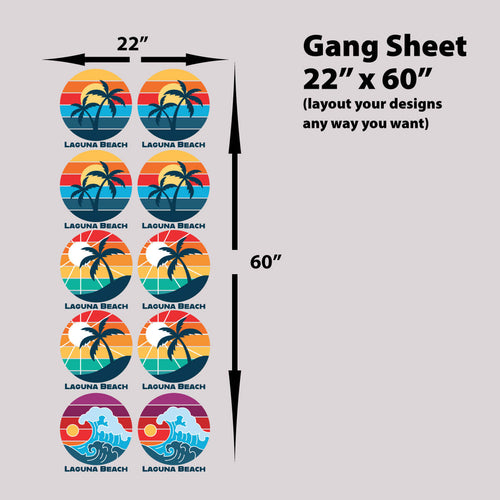
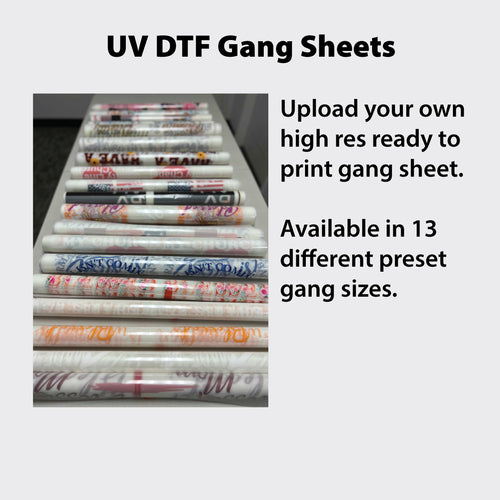
The single best way to improve your profit margins is to get smart with gang sheets. Instead of ordering designs one by one, a gang sheet lets you load up a large film with all the logos and graphics you need for multiple jobs. This crushes your cost per print and gives you a serious competitive edge.
Maximizing Space with Our Auto-Build Gang Sheet Builder
We built our Auto-build gang sheet builder to make this entire process dead simple. Think of it as your secret weapon for saving money. Just upload all the designs you need—it doesn't matter if they're for ten different clients or one big project—and our software does the heavy lifting.
It automatically arranges your graphics to use every last inch of the film, so there’s zero wasted space. You stop paying for blank film and start getting the absolute most value from your hot peel DTF transfers.
Let’s run through a real-world example to see how it impacts your bottom line.
- The Job: A client orders 20 small chest logos, 15 full-back designs, and 30 sleeve graphics for a new apparel line.
- Ordering Individually: Buying all 65 of these transfers separately would be expensive and a huge pain to manage. Your cost per design would be high, chewing right into your profit.
- The Gang Sheet Strategy: With our Auto-build gang sheet builder, you upload all 65 files at once. The tool fits them perfectly onto just a few large sheets. Your cost per print drops dramatically, letting you either pass the savings to your client or just pocket a much healthier profit.
This strategic use of gang sheets is a key profitability driver in the DTF industry. The ability to print multiple designs simultaneously on a shared sheet can cut material waste by up to 40%, which is why it's a go-to method for screen printers and e-commerce brands scaling their custom merchandise.
This kind of efficiency is a major reason the DTF printer market, which relies heavily on scalable hot peel DTF transfers, is projected to grow from USD 683 million in 2025 to USD 981 million by 2032. For a closer look at these industry drivers, you can learn more about the DTF market's growth.
We Build It For You
Don't have the time to set up your own sheet? No problem. Our "We Build It For You" service makes professional printing easy.
Just send us your files, and our expert team will create a perfectly optimized gang sheet for you. You get all the cost-saving benefits without any of the prep work on your end.
For a full breakdown of how to get the most out of this powerful tool, you can check out our guide on DTF gang sheets.
How to Fix Common Hot Peel Problems
Even with a perfectly dialed-in setup, you'll eventually run into issues with your hot peel DTF transfers. It happens to everyone. The key is knowing how to spot the cause and fix it fast, so you can get back to pressing flawless apparel.
Most hot peel problems come down to just a few common culprits. A quick adjustment to your heat, pressure, or technique is usually all it takes to get things back on track.
Transfer Is Not Sticking or Is Lifting
This is hands-down the most common headache, but thankfully, it’s usually an easy fix. If your transfer isn't sticking or the edges are lifting after you peel, it means the adhesive didn't fully activate and grab onto the fabric fibers.
Nine times out of ten, the problem is one of these three things:
- Not Enough Pressure: Your press needs to deliver firm, even pressure to push the melted adhesive into the garment. If it feels too easy to close, crank up the pressure until you feel solid resistance.
- Temperature Is Too Low: If your heat is off, the glue simply won't melt properly. Double-check your settings for the specific fabric you're using. If you're still having issues, try bumping the temperature up by 5-10 degrees.
- Skipping the Pre-Press: This step is non-negotiable. Garments straight out of the box hold moisture and wrinkles, both of which will ruin your adhesion. A quick 5-10 second pre-press removes moisture and creates a perfectly flat, dry surface for the transfer.
The Print Has a Shiny or Plastic-Like Feel
A great hot peel transfer should have a soft, matte finish that feels like it’s part of the fabric. If your design looks shiny or feels like a thick plastic sticker, the issue happened during your second press.
The fix is simple: always use a protective cover for the finishing press. After you peel the film away, place a Teflon sheet or a piece of parchment paper over the design. That final 5-10 second press will give you that perfect matte finish, improve the feel, and lock in durability.
Dye Migration on Polyester Garments
You've just pressed a crisp white design onto a bright red polyester shirt. You peel the film, and your design is now pink. That’s dye migration, and it happens when the heat causes the polyester dye to turn into a gas and stain your transfer ink.
The only real way to fight dye migration is with careful temperature control. Polyester is extremely sensitive to heat. Always stick to the lower end of the temperature range—usually 240-250°F —for polyester and poly-blend fabrics. The goal is to use just enough heat to get a good press without waking up those fabric dyes.
Here’s a pro tip: when you’re working with new garments, use our Auto-build gang sheet builder to add a few small test designs to your sheet. This lets you dial in your settings on a small swatch without sacrificing a full-sized transfer.
Your Hot Peel DTF Questions Answered
Let's tackle a few of the most common questions we get about hot peel DTF transfers. Getting these details dialed in is the key to pressing with confidence and getting those professional, can't-tell-it-from-screen-print results every single time.
Can I Use a Home Iron for Hot Peel DTF Transfers?
You might be tempted, especially for a one-off project, but we've seen the results and they aren't pretty. A home iron just can't provide the consistent, even pressure and exact temperature needed for the adhesive to bond correctly.
This almost always leads to transfers peeling and cracking after the very first wash. To get a durable, professional finish that lasts, a quality heat press isn't just a recommendation—it's a requirement.
Is the Second Press Really Necessary?
Absolutely. That second press is a non-negotiable step if you want maximum durability and that signature soft, matte finish that feels like part of the shirt.
After you peel the film, this quick 5-10 second press with a protective cover does more than just flatten the print. It cures the ink directly into the fabric's fibers, locking in the design for good.
It's the secret to improving wash-fastness and getting rid of any leftover shine from the film. This step gives your print a high-end, screen-printed feel instead of a stiff, plastic-like texture. Don't skip it.
How Can I Print More Cost-Effectively?
Without a doubt, the best way to lower your cost per print is to use gang sheets. Instead of ordering dozens of individual designs, you can pack a single large sheet with as many logos, neck labels, and graphics as you can fit.
Our Auto-build gang sheet builder was designed specifically for this. Just upload your designs, and it automatically arranges them to maximize every square inch of the sheet. It's a simple move that drastically cuts your expenses and immediately boosts your profit margins on every order.
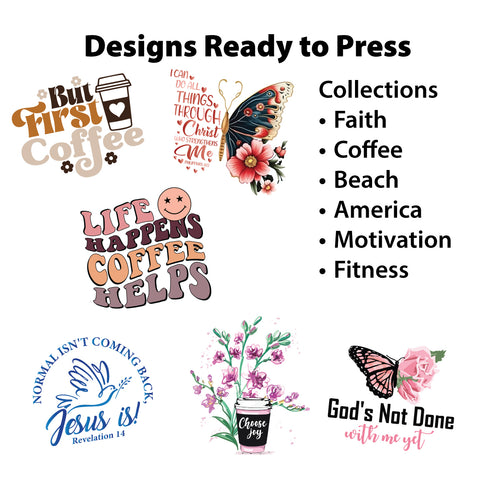
Ready to create stunning, durable custom apparel? The expert team at Lion DTF Transfers makes it easy to get started with premium hot peel transfers, fast turnaround times, and world-class support. Build your custom gang sheet or shop our ready-to-press designs today!