



You've got a deadline, a stack of blank tees, and a customer who wants branded merch before the weekend crowds hit Broadway. That's the moment DTF Nashville stops being a buzzword and starts being the practical answer. When screen printing is too slow for the order size, and vinyl would turn your team into a weeding factory, DTF gives Nashville shops a way to move fast without making the art simple.
The reason it works here is simple. Nashville has always rewarded businesses that can move with the city, and the same idea applies to merch. From local cafes and bands to schools, boutiques, and event crews, the winning play is usually the one that gets finished on time, looks sharp, and doesn't force you to overbuy inventory.
Why Nashville Businesses Are Switching to DTF Transfers
A coffee shop on the east side gets a text on Tuesday afternoon. The owner needs 50 tees for a pop-up on Thursday, and the design has full color, fine type, and a gradient that would make screen setup expensive and slow. That shop doesn't need a lecture, it needs a print method that can hit the date.
DTF transfers fit that kind of job because they skip the heavy setup screen printing demands and avoid the tedious hand-cut work of vinyl. In real shop life, that means fewer bottlenecks when the order is small, the art is busy, or the deadline is ugly. It's also why DTF has become a practical option for Broadway merch, youth sports, church events, and neighborhood brands that need polished apparel without a large run.
Where DTF actually earns its keep
DTF is strongest when the order is too small for screen printing to be comfortable, but too detailed for vinyl to be worth the labor. It's also a smart fit when customers want multiple colors or a design that would take too many screens to justify. If you're running a shop, you already know how often that middle ground shows up.
Practical rule: If the job is short-run, multicolor, or tied to a deadline that can't slip, DTF usually deserves a hard look before you quote anything else.
Nashville buyers also care about convenience. Same-day pickup changes the math because it removes shipping wait time and lets a shop close the loop fast. That matters when a promoter, team coach, or boutique owner is making a same-week decision and doesn't want to gamble on freight delays or a production queue that keeps stretching.
The stronger DTF pages in town tend to focus on service first and economics second, but buyers don't live in a sales pitch. They live in a spreadsheet. The question is whether the order makes money at the size and speed they need, and DTF often wins that comparison when the run is small to medium and the clock is tight.
Understanding DTF Technology and How It Works

A Nashville shop can have a file approved in the morning and a finished transfer ready for press the same day, which is why DTF gets attention from teams that need speed without giving up full color. The process starts with 300 DPI artwork at final size, then water-based inks are printed onto specialized PET film. From there, adhesive powder is added, cured, and the image is pressed onto the garment. For a plain-English overview of that workflow, what a DTF transfer is is a useful reference.
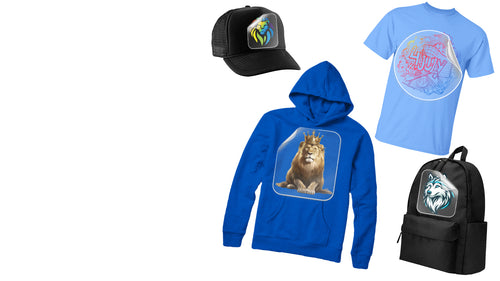
The film stage is where a lot of the practical value shows up. DTF systems use coated release film made for hot- or cold-peel production, and the transfer can be built for cotton, polyester, blends, and other fabrics that give older methods more trouble. That flexibility matters in real merch work, because Nashville buyers rarely order one fabric, one color, and one design style at a time.
Why the film details matter
The film and adhesive pair control how the print feels, how cleanly it releases, and how well it holds up in production. A technical sheet for DTF film notes 75–100 μm PET, >80% water-based ink absorption, and pressing around 270°F for 10 seconds. Those settings do not sound flashy, but they are what help a shop get repeatable results when a customer wants the same print reordered later.
That repeatability changes the economics. A transfer with predictable adhesion and a consistent finish is easier to price, easier to press, and easier to sell on small runs where setup time matters more than raw volume. It also helps when you are comparing labor on a short merch order, because a DTF print can carry busy art, layered color, and mixed garment types without the same setup burden that screen printing brings.
The trade-off is straightforward. DTF is built for detail, color, and flexibility, not for pretending every job should be produced the same way. A transfer with a slightly raised texture can still look retail-ready, but the final feel depends on the film, coating, cure, and press settings, not just the artwork itself. One commercial spec also points to 60+ washes durability, which is a reminder that the print is engineered as a system, not just sprayed onto film.
The transfer is only as good as the file and the press behind it. Good film cannot make up for a rushed setup.
For shops serving Nashville businesses, that is the core calculation. DTF makes sense when the order needs full color, a short turnaround, and a production path that does not punish small quantities. It is less about hype and more about whether the run can be completed profitably before a deadline turns into a loss.
DTF vs Screen Printing vs Vinyl Which Method Fits Your Project

The right method depends on what you're printing, how many you need, and how fast you need them. DTF, screen printing, and vinyl can all produce good work, but they don't solve the same problem. The mistake I see most often is choosing based on habit instead of the actual order.
What each method is good at
DTF is the flexible option. It fits small and medium runs, complex color, and rush work because setup stays relatively light compared with screen printing. Screen printing still makes sense when the job is large and simple, especially for repeat basics where the setup gets spread across a big run.
Vinyl is the least forgiving for intricate art. It can work for simple names, numbers, and clean shapes, but once the design gets detailed or multicolor, the labor becomes the product's hidden cost. That's why it's rarely the smartest path for merch that needs to look retail-ready but isn't going to be ordered in huge volume.
A practical decision rule
If the order is a one-off sample, a short team run, or a branded event shirt with full color, DTF is usually the easiest fit. If it's a large quantity of a simple graphic, screen printing may still be the lower-cost route. If the design is simple and the quantity is tiny, vinyl can work, but only if you're okay paying with labor.
Practical rule: Don't ask “Which method is best?” Ask “Which method keeps this order profitable after setup, labor, and deadline pressure?”
For more detail on the trade-off between methods, the comparison in DTF vs screen print transfers is worth reading before you quote the next job.
Nashville DTF Pricing Gang Sheets, Custom Sizes, and Rush Orders
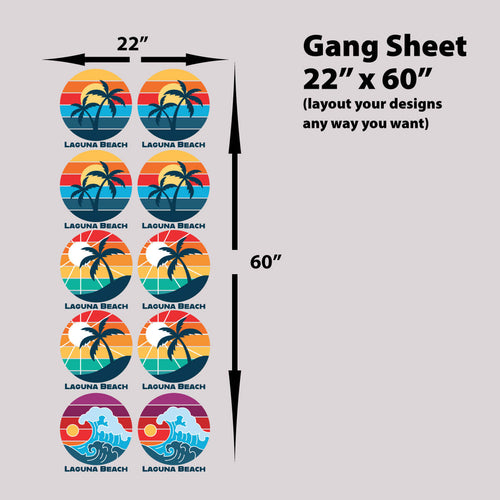
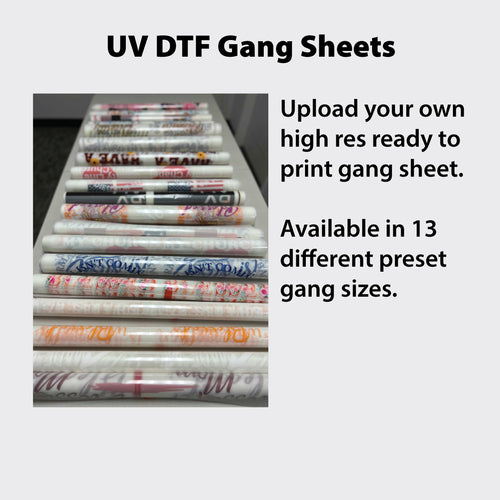
The pricing conversation gets clearer when you stop thinking in vague “transfer” terms and start thinking in sheet usage. A good gang sheet lets you pack more artwork onto the film you're already buying, and that changes the economics for Nashville shops that need several logos, sizes, or event pieces in one run.
Why gang sheets matter for small orders
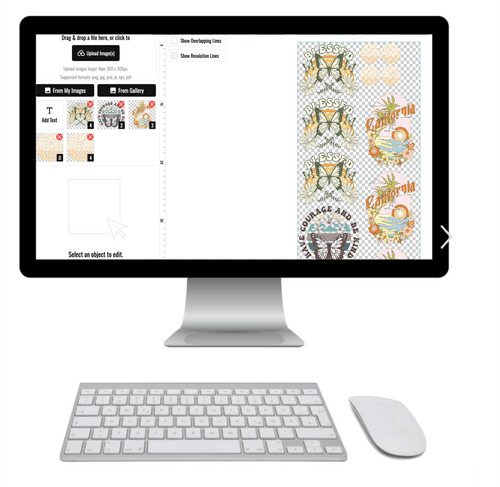
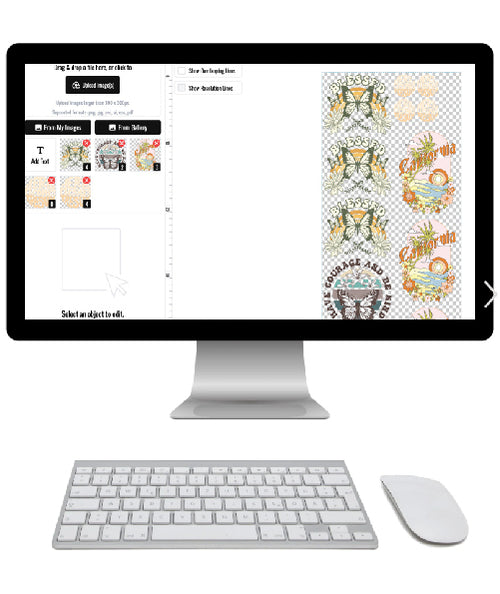
The strongest use case for a gang sheet is simple. If you've got several designs, or one design in several sizes, you want to use the printable area efficiently instead of buying isolated pieces one at a time. That is why our Auto-build gang sheet builder is a useful workflow tool, because it reduces manual layout work and helps you use the film more effectively.
Practical rule: Gang sheets make the most sense when you're combining designs, cutting waste out of short runs, or trying to keep a rush order from turning into a labor problem.
The pricing gap in the local market is part of the opportunity. Many Nashville DTF pages advertise custom transfers, but they don't clearly explain the order sizes where DTF beats screen printing, or the point where same-day pickup changes the math. That matters because buyers are not only asking whether the product exists, they're asking whether it is the cheapest way to hit their deadline.
For a clear breakdown of gang sheet printing versus individual printing, the main question is how much artwork you can fit onto one sheet before waste starts eating your margin.
| DTF Pricing Scenarios for Nashville Businesses | Order Type | Quantity | Cost Per Unit | Turnaround |
|---|---|---|---|---|
| Team order | Short run | Small batch | Lower when gang sheets are packed efficiently | Fast when art is ready |
| Merch drop | Medium run | Mixed designs | Better than isolated singles when layouts are tight | Same-day pickup can help |
| One-off sample | Single piece | 1 | Highest relative unit cost | Fastest when setup is simple |
Rush orders only make sense when the cost of missing the date is higher than the premium for speed. If the shirts are tied to a pop-up, a launch, or a school event, that premium is often justified. If the deadline is soft, slower production may be cheaper. Same-day pickup changes the calculation because it removes shipping delays, and for a Nashville business that is often the difference between making the event and missing it.
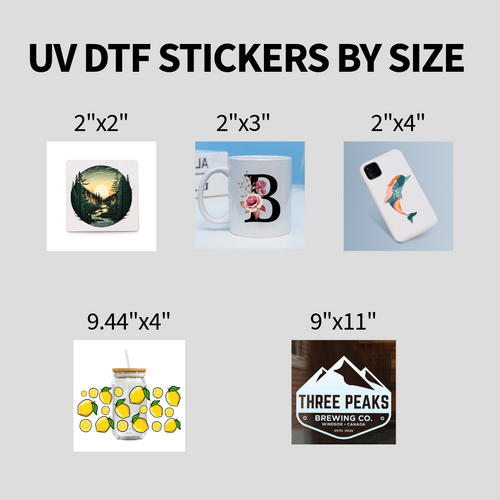
Custom sizes matter for the same reason. A shirt for a staff order, a youth size for a fundraiser, and a larger front graphic for a merch drop do not belong in the same layout unless you plan the sheet around them. The better the fit between art, sheet size, and quantity, the easier it is to keep the order profitable.
How to Order DTF Transfers in Nashville From Upload to Pickup
The cleanest orders start with clean files. A 300 DPI transparent PNG is still the safest format for sharp print output, especially when the artwork has edges, text, or small detail. If the file is fuzzy before it hits production, it won't magically improve later.
The order flow that keeps mistakes down
Start by preparing the artwork at final size, then upload it into the online builder. The Auto-build gang sheet builder is especially useful when you have multiple graphics and don't want to hand-place every piece. It keeps the process quick and lowers the chance of wasting space on the film.
Next, choose your size and quantity. That's where shops often overbuy because they're guessing at space instead of measuring the art first. A better habit is to fit the designs to the job, then choose the sheet that matches the layout instead of forcing the layout to match the sheet.
File prep that saves time later
A few habits keep orders moving:
- Use transparent backgrounds: White boxes around artwork waste space and create ugly surprises at press time.
- Keep text readable: Tiny lettering often looks fine on a screen and weak on film.
- Check the final dimensions: Print size matters more than how the artwork looks in your design app.
Upload the file as if the printer knows nothing about your project. If the file can't stand on its own, the order will slow down.
Once the order is placed, pickup or shipping depends on your deadline. Same-day pickup changes the whole schedule for Nashville buyers who need to avoid freight delays, while shipping is the better fit for out-of-town fulfillment or scheduled restocks. If you're ordering regularly, it helps to keep your recurring logos and sizes organized so the next upload takes minutes instead of an hour.
Pressing DTF Transfers Temperature Timing and Care Instructions
A transfer can be printed cleanly and still fail at the press if the heat, time, or pressure are off. For the verified technical guidance, 240-280°F for 10 seconds is a common pressing reference point. The same technical sheet also lists 720x1080 DPI at 0.97 m²/h and 720x1440 DPI at 0.73 m²/h on the production side, which shows the trade-off Nashville shops deal with every day. The print stage and the press stage both shape what the customer sees after the shirt leaves the shop.
What the press needs to do
The goal is straightforward. The adhesive needs enough heat to bond, the press needs enough pressure to set the transfer, and the garment needs to avoid extra stress that can distort the print. Fabric type, film behavior, and printer settings all affect the result, so a single universal number rarely tells the full story.
That matters for economics too. A shop that presses too hot or too long can ruin a batch, while a shop that presses too lightly ends up with reprints and wasted labor. For a Nashville business running same-day pickups, those mistakes hit harder because there is less time to recover before a deadline.
Care matters after the sale. Turn the garment inside out before washing, avoid harsh heat, and treat the print like finished apparel instead of a disposable promo shirt. If the customer wants the transfer to hold up, the care routine has to match the quality of the press.
Common failures and what usually causes them
Most problems fall into a few buckets. Edge lift usually points to weak bonding or a rushed press. A rough hand feel often comes from film construction, adhesive laydown, or too much pressure. Fading and early wear usually come from washing mistakes after the shirt leaves the shop.
Practical rule: Check the press before you blame the art. A clean file can still fail under bad heat.If you train a new operator, keep the press notes visible next to the machine. Repeating settings from memory is how shops drift from consistent work into avoidable reprints. A written process keeps output steady when orders stack up and pickup windows get tight.
Why Nashville Creators Trust Lion DTF Transfers
Nashville buyers don't just want a transfer. They want a supplier that can handle the order without turning a simple project into a support ticket pile. That's where reputation, response time, and production discipline matter more than flashy marketing.
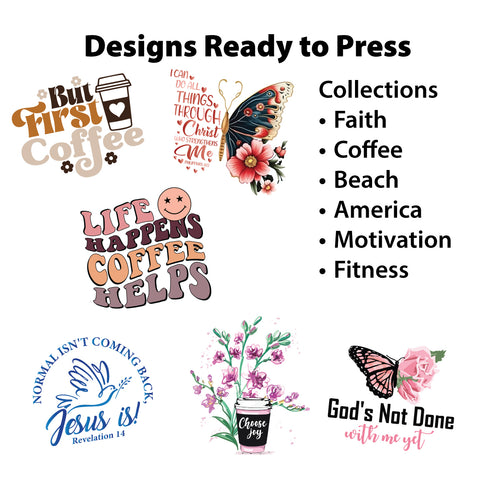
Lion DTF Transfers offers custom DTF transfers, ready-to-press collections, and an online gang sheet builder, so shops can upload artwork, arrange layouts, and order in a single flow. It also supports related work like design help, vectorization, and custom gang sheet building, which helps when a client sends in a file that isn't press-ready yet. For teams that need local speed, the 24-hour printing capability and pickup options make deadline planning much easier.
Nashville also has a long history of practical credibility built into the city itself. The fire service dates back to 1806, with a paid department established on July 24, 1860, and the city bought its first apparatus in 1820 (Nashville Fire Department history). That kind of continuity matters because it reflects how Nashville businesses think, they tend to trust systems that have already proven they can hold up under pressure.
The same thinking applies to DTF. If you're running a merch line, a print shop, or a local brand, you need transfers that arrive on time, press clean, and don't require you to babysit every order. The more your production depends on repeatability, the less room you have for vague promises.
For businesses that want to keep the process simple, direct support helps. Lion DTF Transfers provides contact options through orders@liondtf.com and 833-350-5466, plus website chat, so you're not left guessing when a file needs a quick check or a rush order needs confirmation. That's the kind of operational support that keeps a Nashville shop moving.
If you're ready to stop losing time to weak file prep and slow turnaround, order your next run through Lion DTF Transfers. Use the gang sheet builder, keep your deadline tight, and get transfers that are ready to press instead of ready to fix.
Email orders@LionDTF.com or Text or Call: 833-350-5466