



You're probably here because an LA client, school, merch brand, or print customer needs transfers fast, and the usual options keep creating the same headaches. Files arrive late, colors drift, pickup timing gets fuzzy, and nobody wants to burn a day chasing a vendor who can't tell you whether the order will be ready before a press run starts.
That's the primary reason Lion DTF Los Angeles searches keep growing. Los Angeles has the scale to support constant short-run demand, from merch drops and events to school gear and local brand launches. The city's population was 3,898,747 in the 2020 U.S. census, later estimates placed it at about 3.87 million residents in 2025, and Downtown Los Angeles alone had about 85,000 residents, covered 5.84 square miles, and was found in a 2013 study to host over 500,000 jobs, with a daytime population estimated at 207,440 (History of Los Angeles). That density matters because buyers here need speed, convenience, and consistency, not a generic definition of the process.
Why DTF Printing Is Taking Over Los Angeles
A streetwear brand in East L.A. cannot afford to wait on a process that only works for one fabric, one color, or one type of artwork. A school spirit wear coordinator in the Valley needs transfers that hold up across cotton hoodies, polyester blends, and mixed-size orders without forcing a separate production method for every item. Direct-to-Film, or DTF, fits that kind of work.
What DTF does
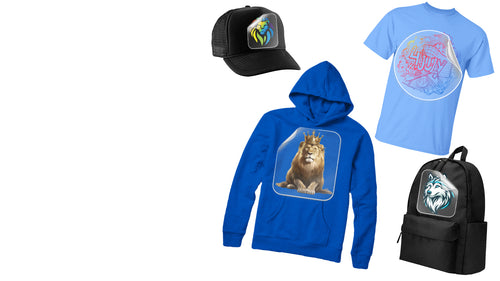
DTF printing starts by printing the design onto a special PET film with CMYK plus white ink, then applying hot-melt adhesive powder and curing it before heat-press transfer. That sequence matters because the image is built on film first, not directly into the garment fiber. The result is a transfer that stays flexible and supports full-color artwork without depending on the garment itself for image formation.
For Los Angeles buyers, that flexibility matches how orders come in. The city's market is broad enough to support merch for creators, events, schools, teams, and local labels, and DTF works well when those buyers want vibrant art across different fabric types. It is especially practical when the design has fine detail, layered color, or a short production window.
Practical rule: If the garment mix changes often, DTF is usually easier to standardize than methods that need separate setup logic for each substrate.

Why it fits Los Angeles buying behavior
Los Angeles is not a one-size-fits-all apparel market. Retail, hospitality, entertainment, school, and creator demand overlap here, which means buyers often need short-run production, fast reorders, and transfers that can handle a mixed product line without slowing the press schedule.
DTF also helps when a buyer wants a sharper visual result on film before pressing. For color fidelity, the conversation is not abstract. It is whether the provider can keep files consistent, match the garment well, and hold up under repeat orders. Simple logos and text can move efficiently, while detailed retail graphics need more care in the setup and proofing stage.
That is the trade-off LA shops and buyers care about most. DTF gives flexibility and detail, but only if the files are prepared correctly and the provider can keep quality steady under pressure. If either piece is weak, the print looks cheap fast.
How DTF Compares to Other Print Methods
When a buyer asks whether DTF is the right call, the answer depends on the project. A one-color team run, a detailed merch graphic, a cotton tee, a poly blend, a rush event order, each of those pushes the decision in a different direction. The useful comparison is not “which method is best,” it's “which method wastes the least time and money for this order.”
The method that fits the job
DTF is strong for short runs, full-color graphics, and mixed fabrics. It avoids the garment-specific limitations that slow other workflows. That makes it a solid choice for LA merch sellers, schools, and small businesses that don't want separate production rules for every fabric or order size.
DTG is usually better for direct printing on cotton, especially one-offs where the garment itself can handle the process. Screen printing still makes sense for larger batches of simple art, because setup can be worth it when the same design repeats at volume. Vinyl works for limited color counts and simpler graphics, but it's not built for complex imagery.
| Method | Best For | Fabric Compatibility | Color Complexity | Setup Cost | Turnaround |
|---|---|---|---|---|---|
| DTF | Short runs, full-color apparel transfers | Broad, including mixed fabrics | High | Low to moderate | Fast |
| DTG | One-offs and small cotton orders | Best on cotton | High | Moderate | Moderate |
| Screen Printing | Larger batches of simple designs | Wide, but setup varies | Moderate | Higher upfront | Faster once set up |
| Vinyl | Names, numbers, simple shapes | Broad, but limited by application | Low | Low | Fast for simple jobs |
The comparison that matters most in Los Angeles is operational. A vendor who can turn around a small, detailed DTF order quickly is often more useful than a shop with a lower price on a method that won't fit the artwork or the timeline. That's why a buyer should stop asking only what the method is and start asking how the method matches the actual job.
If your artwork has many colors, gradients, or photographic detail, DTF usually beats vinyl and is easier to deploy than screen printing for short runs.
The best providers also help buyers avoid overbuying. If a job doesn't need a full production setup, DTF keeps the order nimble. If the design is simple and the quantity is high, screen printing may still win on cost. The point is to match the process to the project instead of forcing every job into one workflow.
How to Choose a Reliable DTF Provider in Los Angeles
A good DTF transfer looks easy. A bad one shows its problems immediately, with weak color, poor edge quality, inconsistent peel behavior, or transfers that fail after a few washes. Los Angeles buyers shouldn't choose on price alone, because the cheapest option often creates the most rework.
Questions that separate strong shops from weak ones
Start with color. Ask how the provider handles color matching and whether they work from referenced artwork, prior orders, or printed samples. Brand consistency depends on repeatable color, especially for logos, school marks, sponsor art, and merch lines that need to look the same across every drop. If a vendor can't explain their process clearly, that's a warning sign.
Then ask about durability and production behavior. A provider should be able to speak plainly about wash durability, hot-peel performance, and how they handle defects. Wash testing matters because transfers have to survive real use, not just look good the day they're pressed. Hot-peel behavior matters because it affects press-line speed and how much labor the shop burns during fulfillment.
Ask before you order: What happens if a sheet is defective, how fast can you replace it, and who answers technical questions when a file doesn't print cleanly?
The provider's communication style matters too. If you're waiting hours for a simple answer before you've even paid, that problem usually gets worse after the order lands. LA buyers need responsive support, especially when pickup windows, shipping cutoffs, or event deadlines are involved.

A simple vetting checklist
- Quality Verification. Ask for physical samples on different fabrics. A screen image doesn't tell you how a transfer will press.
- Reliability and Reviews. Look for consistent feedback, not just a handful of perfect ratings.
- Communication and Support. Test response time and technical knowledge before the order gets urgent.
- Turnaround and Logistics. Confirm production timing, pickup options, and delivery choices for the LA area.
For buyers who want a supplier reference point, Lion DTF Transfers' guide to choosing a reliable transfer supplier is a useful benchmark for what a serious vendor should be ready to discuss.
File Preparation and Gang Sheet Optimization
A lot of DTF headaches start before the file ever reaches the press. The artwork is too small, the background still has a box around it, the color profile is off, or the buyer sends separate files that should have been combined into one tighter layout. In Los Angeles, that turns into wasted film, extra labor, and longer back-and-forth before anyone can print.
The file details that actually matter
Start with resolution, but don't overthink the part that was already covered above. As noted earlier, 300 DPI is enough for simple logos and text, while finer work needs more detail to hold up cleanly on fabric. The issue at this stage is whether the file is built to print without cleanup.
Use CMYK for color work and export in a format that keeps edges sharp and transparency intact. PNG, TIFF, or vector artwork are the usual practical choices, depending on how the shop accepts files. If you upload the wrong color profile or a low-resolution image, the print can look fine on a monitor and still miss the mark once it is pressed.
A clean file also makes it easier for a local shop to answer the only color question that matters: does the artwork match the garment after pressing, or only on screen? That question matters more in LA than in a lot of other markets, because many buyers are moving between client approvals, pickup windows, and same-day production.
Why gang sheets save money
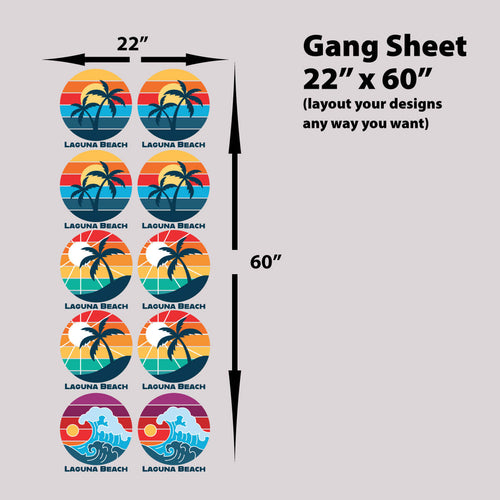
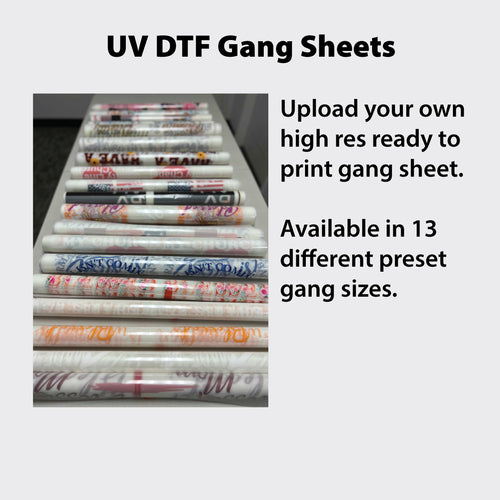
A gang sheet puts multiple designs on one film sheet so the printer uses the available space more efficiently. That lowers waste, keeps mixed orders organized, and usually gives buyers better value when they need different artwork sizes in one run. It is especially useful for LA shops and brands that need a few left-chest logos, sleeve marks, and a larger front graphic in the same order.
The smartest order usually fits the film first, then the folder.
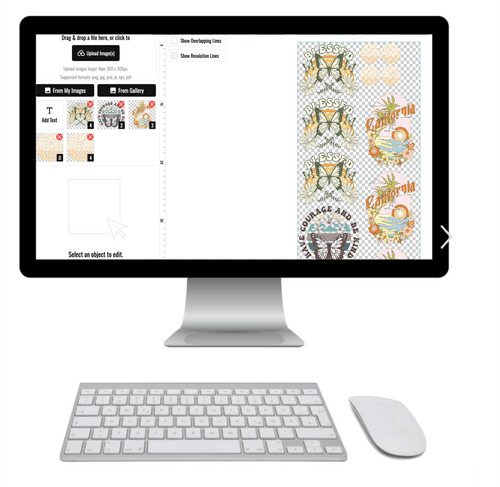
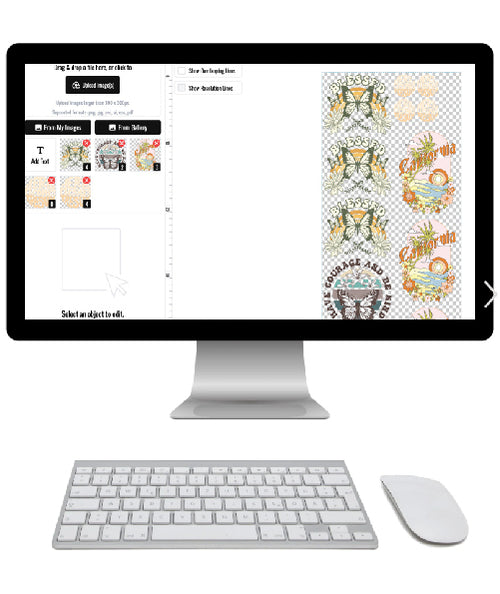
The gang sheet guide from Lion DTF Transfers shows the kind of layout thinking that saves time at production. A good gang sheet builder can arrange designs automatically, which cuts down on manual placement and reduces the chance that usable art gets packed into a wasteful layout. That matters when you are trying to keep costs down without asking the shop to fix avoidable file issues.

A practical workflow is straightforward. Upload the art at the right resolution. Check transparency and color space. Build the gang sheet so the designs nest cleanly together. Export the files in a way that keeps the shop from guessing about placement or scale.
That is where the savings come from. A buyer who groups artwork well spends less time correcting files, gets more usable transfers from the same sheet, and makes pickup or production faster for everyone involved.
Pricing, Turnaround, and Logistics in Los Angeles
Pricing in DTF is rarely just about the sticker number. The final cost shifts with artwork size, layout efficiency, rush handling, and whether the order is picked up locally or shipped. In Los Angeles, logistics matter almost as much as print quality, because a fast transfer that's hard to collect can still miss the deadline.
What buyers should plan for
Lion DTF Transfers notes pricing as low as $0.017 per square inch, along with 1 to 2 business day shipping, 24-hour printing, same-day pickup, and next-day air options for qualifying orders. Those are useful operational markers because they show how local and fast a DTF workflow can run when the file and order details are ready. The cost still depends on design complexity, order size, and whether the job needs a rush.

The logistics question is usually simpler than buyers expect. If you're near Downtown Los Angeles, pickup can be convenient if parking, timing, and access are easy. If your shop sits farther out, shipping may be the better choice when the order isn't urgent or when you want to avoid time lost in traffic. The right option is the one that protects press time.
Here's the practical split:
- Use local pickup when the job is urgent, the files are approved, and someone can press the same day.
- Use shipping when the job is scheduled ahead, the order can travel without risk, and you want to avoid a rushed handoff.
- Use rush service only when the deadline really justifies the premium, because rushed jobs leave less room for file correction.
The Los Angeles transfer page from Lion DTF Transfers is a useful local reference point for buyers comparing pickup and fulfillment options in the market.
One more operational issue gets overlooked too often. A buyer can save money on the transfer itself and lose it on wasted press time if the files aren't clean or the provider isn't responsive. In Los Angeles, where production calendars move fast, the cheapest order is rarely the one with the lowest quoted price.
Real-World Use Cases from LA Businesses and Creators
A streetwear brand on a tight launch schedule doesn't need a long technical lesson. It needs transfers that arrive on time, press cleanly, and look consistent across sizes. DTF is a strong fit when the brand wants a limited-edition drop with layered color and doesn't want to commit to a full screen setup.
A school ordering spirit wear faces a different problem. Sizes vary, artwork often changes by grade or team, and the garments may not all be the same fabric. DTF handles that mix well because the transfer format stays flexible while keeping the artwork sharp enough for names, mascots, and event graphics.
A promotional products company often lives inside deadline pressure. A last-minute conference order, sponsor shirt run, or event giveaway can't always wait for a traditional production schedule. DTF gives that buyer a way to keep the order moving without forcing minimums that don't match the job.
DIY makers use it differently. A crafter with a home heat press might need a few custom gifts, a birthday shirt, or a family reunion order. They don't need a production-heavy workflow, they need transfers that are easy to press, easy to plan, and predictable enough to avoid wasting blanks.
The common thread is simple, the project is usually small, varied, or urgent, and DTF solves all three without requiring a major setup shift.
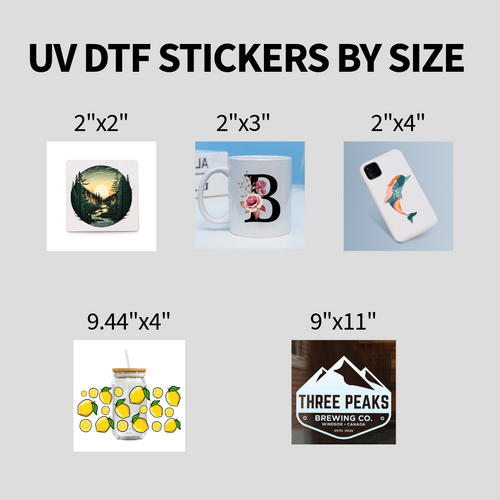
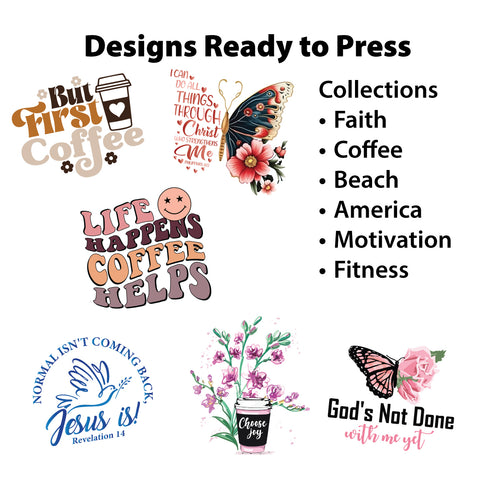
Lion DTF Transfers also offers custom DTF transfers by size and gang sheets, which fits these use cases when the buyer wants to bundle multiple designs into one order. That kind of layout flexibility is especially useful for schools, creators, and brands that don't print the same artwork over and over.
Your Action Plan for Ordering DTF in Los Angeles
Start with the garment, the artwork, and the deadline. Then choose the provider that can explain color matching, reprint handling, and turnaround without hedging. After that, prepare the file correctly, build the gang sheet efficiently, and decide whether pickup or shipping protects the schedule better.
Use the Auto-build gang sheet builder when you want to reduce manual layout work and squeeze more value from the film. It's a smart move for mixed orders, because it helps keep small and large graphics organized without wasting space. Before you place a big order, run a small test batch and press it on the actual garment.
If you need a practical starting point, compare your files against a provider that can handle local LA logistics, technical support, and fast turnaround without making the process complicated. That's how you avoid reprints, save time, and get transfers that are ready when the press is.
A CTA for Lion DTF Transfers.