


You've got a Friday deadline, a stack of blank shirts, and a message from a coach, event organizer, or customer asking if the prints can be ready in time. In Jacksonville, that pressure shows up fast because the city's size, traffic patterns, and neighborhood access can make a simple order feel bigger than it should. That's where DTF transfers have become the practical answer for a lot of local buyers, especially when they need full-color artwork, small quantities, and a clear plan for pickup or shipping.
Why Jacksonville Creators Are Switching to DTF Transfers
A school booster club wants shirts for the weekend. A small brand is trying to get merch out before a pop-up. A church group needs matching tees for an event, but nobody wants to pay for a giant screen setup just to print a limited run. Those are the kinds of orders that push people toward DTF, or Direct-to-Film, because the method fits tight timelines and mixed design needs better than older, setup-heavy options.
Jacksonville buyers tend to care about speed and flexibility more than theory. The city's scale matters here, because Jacksonville's modern structure changed after the 1968 consolidation of the City of Jacksonville and Duval County into one government, creating a huge municipal footprint of about 841 square miles and helping make it the most populous city in Florida under that system (Jacksonville history overview). A larger market with a wider spread of neighborhoods naturally makes local turnaround and access more important.
Why that matters for DTF orders
DTF gives people a way to order what they need without waiting on large setup runs. It also handles complex, colorful graphics that would be awkward or expensive in older methods. For local schools, teams, and small brands, that means fewer barriers between a design idea and a finished shirt.
Jacksonville's access issues make that even more relevant. The city flags transportation as a major social determinant of health and notes that many areas have limited access to services and resources. That affects how people choose a printer, because a shop that can work with pickup timing or shipping windows saves customers from extra trips and missed deadlines.
Practical rule: If the order is small, colorful, and deadline-driven, DTF is usually the first method worth pricing out.
For a plain comparison with older transfer methods, this guide from Lion DTF Transfers lays out the difference in a straightforward way: DTF vs. screen print transfers. The point is not that DTF solves every job. It solves a lot of the jobs Jacksonville buyers place.
What DTF Transfers Actually Are and How They Work
A customer usually starts here with a simple question. They want to know what shows up on the shirt, how it gets there, and why it can hold detail better than they expected. DTF answers that by putting the design on a film first, then moving it onto the garment with heat and pressure. For a Jacksonville buyer, that matters because the order often has to be planned around school calendars, event dates, and whether a pickup or delivery window is workable.

The basic build of the transfer
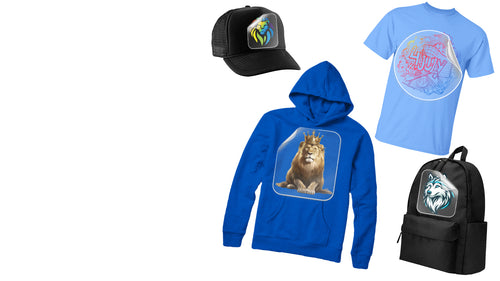
A DTF print starts on PET film. The design is printed in mirrored CMYK, then a layer of white ink goes down to create an opaque backing. After that, the print gets dusted with thermoplastic polyurethane, or TPU, hot-melt powder, which melts during curing and later bonds the design to the garment during pressing (DTF process overview). That sequence is why DTF works well on shirts, hoodies, and other common apparel items.
The white layer is not just there for looks. It supports color on dark garments by keeping the artwork from sinking into the fabric's background. If the white base is weak, the print can lose contrast. If the powder stage is uneven, adhesion can suffer. Each part of the process changes the final result, the same way each step in a recipe affects the finished meal.
Why white-ink circulation matters
White ink has to keep moving. If it sits still, the heavier pigments settle, which can clog lines and nozzles and create weak underbase coverage or maintenance issues.
That detail matters because DTF printers are not passive machines. Shops have to manage agitation, humidity, and cleaning as part of normal production, not as optional extras. In plain terms, a good transfer depends on a controlled process, not just a file upload.
When people ask what they are paying for, the answer is the full chain, film, print, powder, cure, and press. A proper shop is not only selling ink on a sheet. It is selling a transfer that has been built to stick, show color clearly, and survive real wear.
Key Benefits That Matter for Jacksonville Buyers
The advantage of DTF isn't that it sounds modern. It's that it solves the problems buyers have, especially when they're ordering for a local team, a merch drop, or a last-minute event. In Jacksonville, that usually means a mix of small quantities, varied artwork, and a hard deadline.
What changes the buying decision
DTF handles full-color prints without the screen setup that older methods usually require. That matters when a youth league wants names and numbers, a brand wants detailed artwork, or a fundraiser needs several designs in one order. It also fits low-minimum ordering, which is useful when nobody wants to overbuy inventory that may sit in a box after the event.
It's also a practical option across common fabric types. DTF transfers are used on cotton, polyester, and blends, so customers don't have to redesign every order around one garment type. For home crafters and smaller print shops, another benefit is simple workflow, since DTF does not require pretreatment in the same way some other garment-printing methods do.
Why humid weather and repeat washing come up so often
Jacksonville buyers often ask about durability because the local climate and day-to-day use matter. A transfer that looks good on day one still has to hold up through repeated wear, washing, and summer heat. Lion DTF Transfers with proper care can last 100+ washes, which is the kind of durability claim buyers should look for when comparing options on apparel they expect to use hard.
A transfer's value shows up after the first few wash cycles, not just in the photo on the product page.
That's why DTF often becomes the lowest-risk choice for repeat restocks, color consistency, and small batches. It's not always the answer for every job, especially extremely large runs, but it's a strong fit when the order is specific, time-sensitive, and likely to be reordered later.
A quick buyer checklist
- Choose DTF when the design has many colors or fine detail.
- Choose DTF when the order is small or mixed across several shirt styles.
- Choose another method when the order is very large and the design is simple.
- Ask about pressing method if you're using a home heat press or a small shop setup.

Preparing Your Artwork and Using the Auto-Build Gang Sheet Builder
Good artwork makes the whole process easier. If a customer uploads a blurry file or a design with a white background that should've been transparent, the transfer can still print, but it won't look the way they wanted. The safest default is a PNG with transparency, because it keeps the artwork clean against different shirt colors.
What to check before uploading
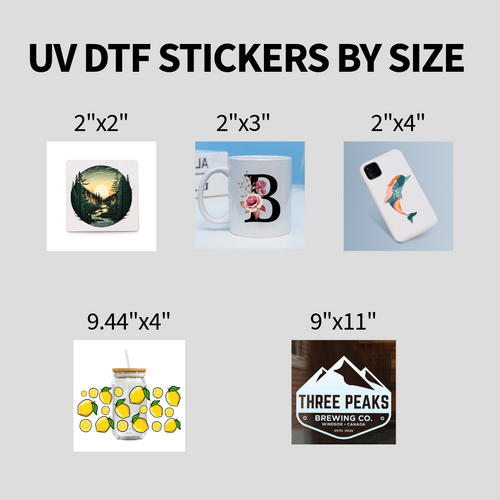
The print file should be sized in inches, not pixels, so the final transfer matches the garment. For crisp output, 300 DPI is the standard target for print-ready art. If you're unsure whether your design is large enough, it's better to check the intended shirt size first than to guess and hope the printer can fix it later.
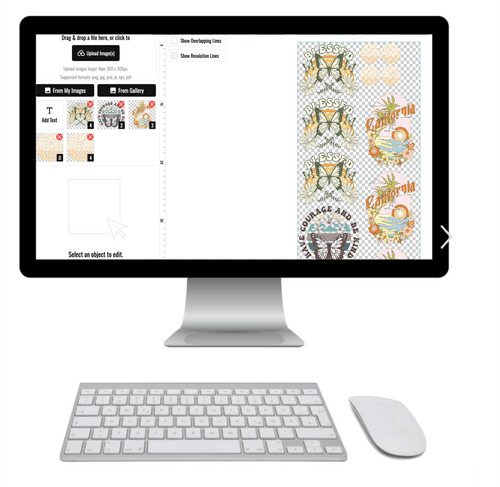
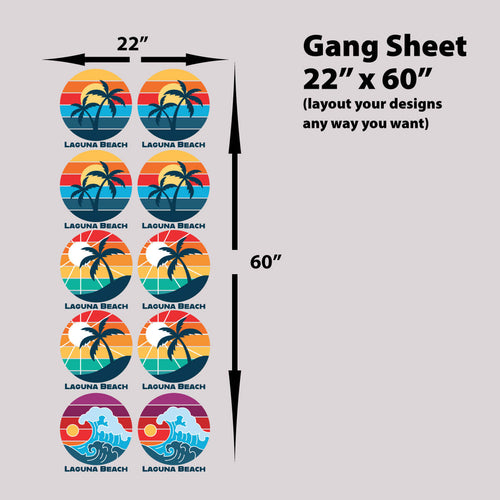
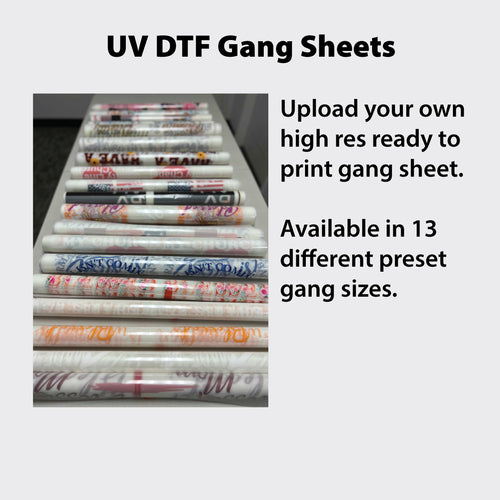
This is also where gang sheets matter. Instead of ordering one design at a time, you can place several graphics on a single sheet. That helps when you're printing left-chest logos, sleeve hits, sponsor marks, or multiple shirt sizes in one go.
Auto-Build saves wasted film. When designs are packed efficiently, you use less sheet space, which helps keep the order cost-effective.
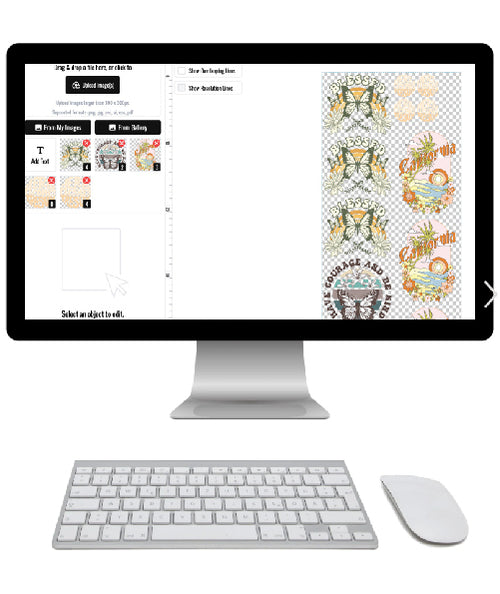
Lion DTF Transfers offers an Auto-Build gang sheet builder for exactly that purpose, and it's the easiest way to arrange multiple designs without dragging each item into place by hand. The builder is especially useful when a buyer has mixed artwork sizes and wants a quick layout that avoids empty film space. If you'd rather not handle layout at all, the site also offers a We Build a Gang Sheet for You option for handoff-style ordering.
Why the builder helps first-time buyers
The hard part for most first-time customers isn't the printing. It's figuring out how to use the sheet efficiently. The Auto-Build tool removes a lot of that uncertainty by organizing the artwork for you, which can reduce mistakes and save money because pricing is tied to the sheet area you use.

For a deeper walk-through of that workflow, Lion DTF's guide to the gang sheet builder is worth reading before you upload. Once your file is clean and sized correctly, the ordering process gets much simpler.
Pricing, Turnaround, and Pickup Versus Shipping in Jacksonville
The first question buyers usually ask is simple, how much will it cost. With DTF, the answer depends on how much sheet space your artwork uses, how fast you need the order, and whether pickup or shipping fits your schedule better. Lion DTF Transfers prices DTF transfers by square inch, with rates as low as $0.017 per square inch.
How to think about the order path
Start with your deadline and work backward. A school event tomorrow puts more weight on same-day pickup than on a shipping estimate, while a planned order with a little breathing room may fit standard shipping just fine. If the job has to move right away, next-day air can make sense for the right order.
Jacksonville changes that decision because getting across town is not always quick or simple. The city covers a wide area, so “local” does not automatically mean close for every neighborhood. That matters for school teams, event organizers, and small brands spread across the city who need a transfer ready without extra travel time.
Local access matters for another reason too. Some buyers have limited transportation, so a pickup point that looks convenient on a map may still be hard to reach in practice. That is why the choice between pickup and shipping is not just about price, it is about which option fits the route, the clock, and the person handling the order.
DTF Ordering Paths at a Glance
| Option | Best For | Typical Turnaround | Notes |
|---|---|---|---|
| Local pickup | Buyers who need the transfer fast and can get across town | Same day | Useful for deadline-heavy orders |
| Standard shipping | Planned orders with a little lead time | 1 to 2 business days | Good balance of convenience and timing |
| Next-day air | Urgent events and last-minute restocks | Next day | Best when the deadline is fixed |
| 24-hour printing | Orders that need quick production before shipping or pickup | 24 hours | Helps when printing time is the bottleneck |
What to watch before you order
- Check artwork size first. Bigger designs use more sheet area.
- Choose pickup when travel is easier than waiting for shipping.
- Use shipping when the address is hard to reach or the deadline allows it.
- Ask about same-day options early, because tight timelines leave less room for delay.
For local searchers comparing suppliers, Lion DTF's page on custom DTF transfers near me connects the ordering process to real turnaround questions in a direct way. That usually matters most in a city where the schedule is tight and the delivery path is just as important as the print itself.
Pressing Your DTF Transfer and Caring for the Finished Garment
A good transfer still needs a clean press. If the garment is damp, the heat press is uneven, or the peel is rushed, even a strong print can end up looking off. The process is simple enough for a home setup, but it has to be followed in order.
The press itself
Start by pre-pressing the garment for 5 seconds so moisture comes out of the fabric. Then place the transfer face down on the shirt and press at 240°F - 270°F for 7-10 seconds with medium-firm pressure. After that, peel the film in a smooth motion while it's still hot if you're using a hot-peel transfer.
Lion DTF Transfers' premium transfers are engineered for hot peel, which is convenient because it keeps the workflow moving. If a design includes specialty details that call for a different finish, some transfers can be used with a cold-peel approach instead. The key is to follow the transfer type you ordered, not guess.
Aftercare that protects the print
Wait 24 hours before the first wash. That pause gives the bond time to settle. After that, wash the garment inside out in cold water, skip bleach and fabric softener, and use tumble dry low or hang dry.
Those steps matter more than you might think. Jacksonville buyers often put uniforms and event shirts through repeated use, and the combination of summer wear, wash cycles, and regular drying can punish a print that wasn't cared for properly. A transfer that's pressed correctly and washed correctly should hold up in normal use without becoming a maintenance project.
DTF Jacksonville FAQs and Why Lion DTF Transfers Is the Local Pick
The first question people usually ask is about durability. If you are printing for Florida wear, you want to know whether the transfer can keep up with heat, humidity, and regular washing. Lion DTF Transfers with proper care can last 100+ washes, which gives buyers a concrete durability benchmark instead of a vague promise.
The next question is about order size. Buyers do not always need dozens of shirts, and that is one reason DTF works so well here. The format supports small runs and repeat orders without forcing you to commit to a giant batch upfront. That helps schools, clubs, and merch drops that change from month to month.
For time-sensitive Jacksonville orders, Lion DTF Transfers offers next-day air options, which makes it easier to choose the right delivery path when the deadline is fixed. That matters in a city where getting across town can take more planning than people expect.
Why the local option works
A local DTF provider only helps if someone can answer the phone, explain the layout, and keep the order moving. Lion DTF Transfers backs its orders with thousands of verified 5-star reviews and offers support by call, text, email, and website chat at info@liondtf.com and 833-350-5466. For buyers juggling school schedules, sports events, or a merch launch, that kind of contact makes the process less stressful.
The practical choice in Jacksonville usually comes down to three things, speed, access, and confidence in the finished shirt. DTF fits that mix better than a lot of one-size-fits-all printing options because it handles short runs, rich color, and fast movement without asking the buyer to overcommit.
If you are comparing options for your next order, the simplest move is to build the sheet, check your turnaround needs, and ask for help before the deadline gets tight. Visit Lion DTF Transfers to build your gang sheet with Auto-Build, review transfer options, and place an order that fits the way Jacksonville works.