
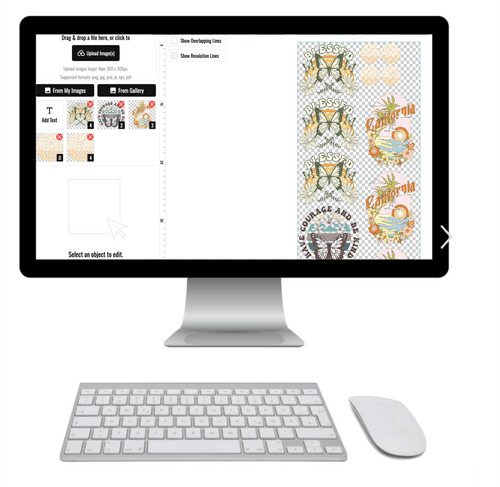



You've got the order open on one screen, a blank gang sheet on the other, and a Fort Worth client texting that the shirts need to be ready before the weekend event. In this market, the key question is whether artwork gets to a pressed garment fast enough, because across a metro this spread out, a simple pickup can turn into half a day on the road.
DTF Fort Worth matters because the city sits inside a large demand base. Fort Worth is home to more than 800,000 residents and ranks among the largest cities in the United States Fort Worth history and city facts, and the broader metroplex supports a wide mix of schools, sports teams, apparel resellers, nonprofits, and promotional buyers who all need reliable turnaround, practical pricing, and transfers that press cleanly the first time.
Why Fort Worth Businesses Are Switching to DTF Transfers
A Fort Worth boutique gets a Friday call about a Saturday pop-up. The client wants full-color shirts, the design is not simple, and the old supplier in another city wants extra time for setup, proofing, and shipping. DTF gets the order moving because it cuts out the delays that eat into margin and patience.
The local pain points are logistical, not just creative
Fort Worth buyers need a supplier who can handle rush timelines, and last-minute order changes. In a region shaped by a sprawling metro and a global airport, the cost often shows up in the hours spent waiting, driving, or fixing a bad file before anything can hit the press.
DFW's regional scale matters here. Dallas/Fort Worth International Airport opened for commercial service in 1974 after the city agreement in April 1968, groundbreaking in December 1968, dedication in September 1973, and opening on January 13, 1974 DFW history and governance. It started with only nine operating airlines, and the facility's 11-member board, split between Dallas and Fort Worth, still reflects that regional reality. That mix of airport traffic, shared governance, and metro-wide movement affects how quickly local buyers can coordinate pickup, delivery, and last-minute changes.
That matters because buyers in Fort Worth are often working inside a tight local economy with a wide geography. A same-day job is not just a print order, it is a coordination problem.
Why DTF fits this market
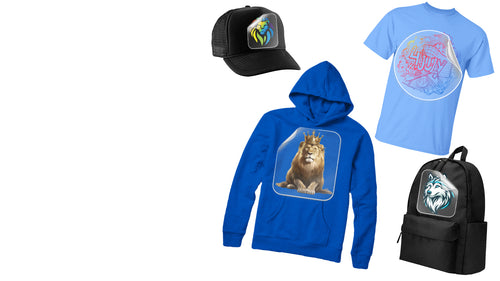
DTF, or Direct-to-Film, gives you full-color transfers without screens, vinyl cutting, or garment pretreatment. That makes it a strong fit for the kind of mixed, short-run, deadline-driven work common in Fort Worth, especially for teams, events, branded merch, and creator drops.
The other reason it is catching on is simple scale. Fort Worth is not a small niche market. It sits inside a metroplex that keeps expanding, and buyers need a method that works for one shirt today and a larger repeat order next week without changing the whole workflow.
The cost side matters too. File prep, color correction, and rush fees can change the final price more than the transfer itself, especially when an artwork file arrives late or needs cleanup before production. A supplier like Lion DTF gang sheet ordering options can help buyers reduce waste when they batch designs properly, but the biggest savings usually come from organized artwork and clear communication before the job starts.
That is the practical appeal. DTF is less about novelty and more about removing friction. For Fort Worth businesses, that often matters more than any feature list.
Understanding How DTF Printing Works
A DTF transfer bonds to fabric through heat and pressure. The image starts on a PET film, gets coated with adhesive, then becomes part of the garment once it is pressed and peeled.
The core process from file to fabric
The workflow is simple once you've watched it in a shop. A design is printed with water-based inks onto film, adhesive powder is applied while the ink is still wet, the film is cured, and the transfer is then pressed onto the garment. After the film is peeled away, the artwork stays on the fabric.
For Fort Worth buyers, that simplicity matters because it cuts down on handoffs. There are no screens to burn, no vinyl to weed, and no garment pretreatment step like the one used in some direct-print workflows. Fewer steps mean fewer chances for delays, which helps when a pickup has to happen on the same day and the metro stretch between supplier and customer is not small.

What affects print quality
Resolution and printhead setup shape the result. A 600 mm-wide DTF platform with dual 4720 heads is specified at 720×1,080 dpi, 2.4L ink sacs, and 240W power draw, while production-grade systems using XP600-Pro-4HD are reported at about 16 m²/hour in production and 3.8–9.4 pl droplet sizes DTF technical specs. Higher DPI can improve edge fidelity and gradient smoothness, but it also slows output, so the right setup depends on whether the job calls for tighter detail or faster turnaround.
Higher resolution helps detail, but it also consumes more production time. For rush apparel work, that trade-off matters as much as color accuracy.
The file itself matters too. Clean artwork, solid sizing, and clear transparency handling reduce headaches at press time, while messy files can add prep time before anything goes to film. If you are comparing providers, where to order DTF transfers in Fort Worth should come down to who can explain that prep clearly and keep the work moving.
DTF also gives shops practical flexibility. It works across cotton, polyester, blends, and plenty of mixed-use garments, so buyers do not have to separate every order by fabric type. That is useful in Fort Worth, where one customer may need team shirts, tote bags, and staff polos in the same week, and each job still has to fit the same production window.
DTF Pricing and Gang Sheet Economics
They ask what a transfer costs, when they should be asking what the order layout is costing them. The cheapest looking transfer often turns expensive once you add wasted space, file prep, and rush handling.
Why gang sheets change the math
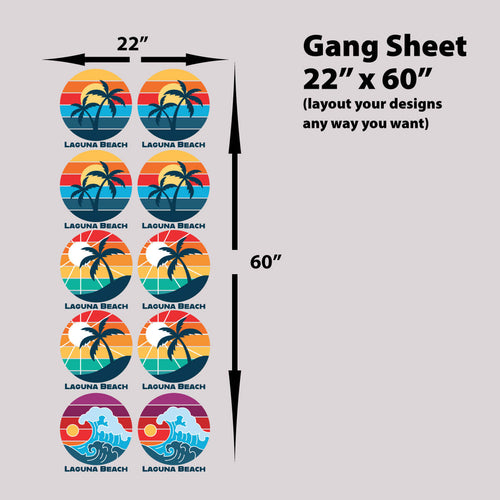
A gang sheet is one large print layout with multiple designs arranged to use as much film as possible. That reduces waste and pushes the price per design down because you're not paying for empty space. Lion DTF's pricing framework goes as low as $0.017 per square inch DTF gang sheet pricing guide, which is exactly why layout efficiency matters.
| DTF Order Pricing Examples | |||
|---|---|---|---|
| Order Type | Sheet Size | Designs | Estimated Cost |
| Small merch drop | 22" x 24" | Multiple logos and shirt fronts | Low, if the sheet is tightly packed |
| Team jerseys | 22" x 60" | Names, numbers, left chest marks | Better value than ordering separately |
| Seasonal holiday run | 22" x 120" | Mixed artwork, many small graphics | Most efficient when fully ganged |
That table is the part buyers should focus on. The cost isn't only about the design count, it's about how much usable film you fill.
Hidden costs that surprise first-time buyers
File prep is one of the biggest. If your artwork isn't ready, someone has to size it, clean it up, or rebuild it. Color matching can also add friction when a brand expects a very specific tone and the supplied art isn't built cleanly.
Rush shipping is another obvious one. It's easy to ask for a fast order and forget that speed has a real production and logistics cost. Minimums can also matter, not because they're always unreasonable, but because they change the economics of a small order.
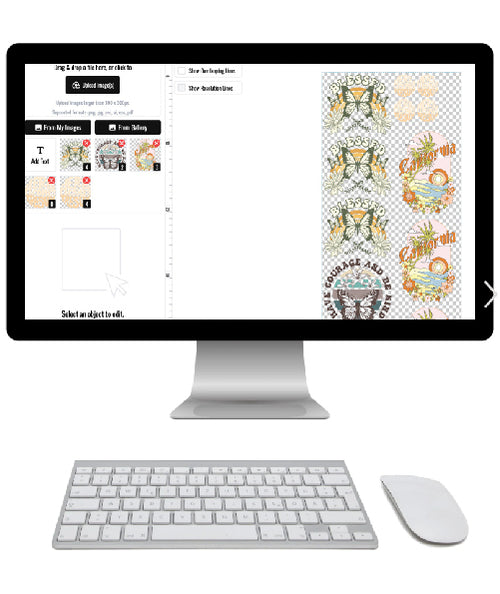
Use the Auto-build gang sheet builder whenever your artwork is ready to upload. It automatically arranges designs for efficient layout, which saves manual setup time and helps reduce material waste. That's especially useful for Fort Worth buyers who need to keep production clean without losing hours on placement work.
Buyer rule: If you're ordering more than one graphic, think in terms of total sheet use, not individual file count.
Why this is the practical Fort Worth approach
Fort Worth buyers are often balancing small-batch work, same-day pickup, and repeated seasonal demand. Gang sheets let you place a few shirts, a small run of youth sizes, and a promo item order on one sheet without paying for unnecessary overhead. That's the kind of cost control that matters when the calendar gets crowded.
How to Order DTF Transfers in Fort Worth
The smoothest order starts with the right file and ends with a pickup plan that fits Fort Worth traffic, delivery windows, and your production schedule. Buyers usually have three paths, and the right one depends on whether the job is custom, repeatable, or time-sensitive.
Three common ordering paths
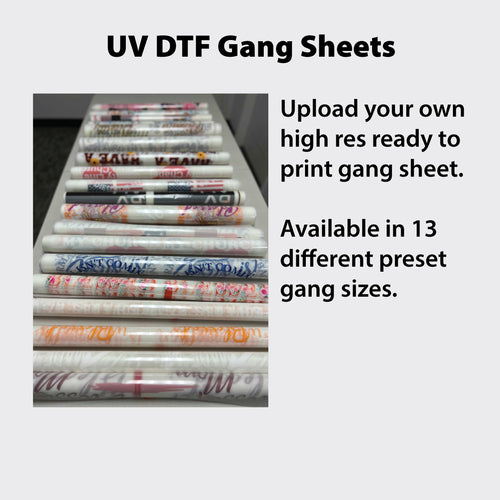
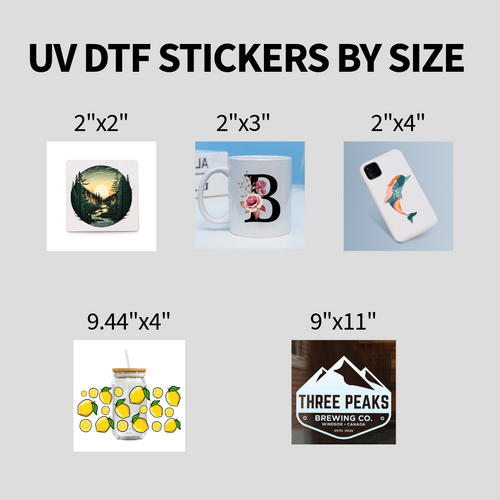
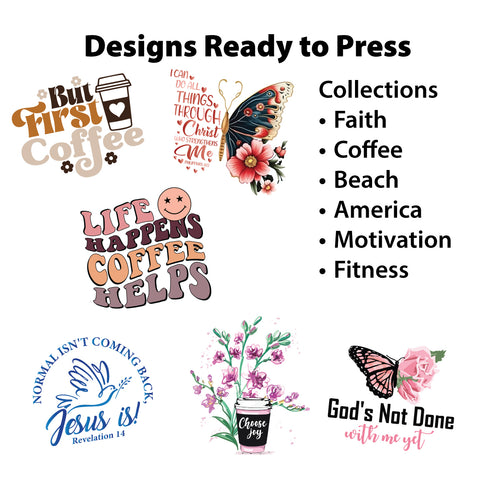
The first path is uploading print-ready art for a custom gang sheet. That works best when you already know your sizes and want to keep waste low. The second is ordering by specific transfer size, which fits a set chest logo or a standard placement. The third is choosing ready-to-press collections for recurring themes like America, faith, coffee, and seasonal holidays.
The Auto-build gang sheet builder works well when you want the layout handled fast, but it still pays to check spacing before you submit a rush order. If you are planning same-day pickup or a tight turnaround across Fort Worth, I look at the sheet on a phone or desktop before approval so I can catch a logo that is too close to the edge or a design that is larger than expected. That extra minute is cheaper than reprinting a bad layout.

Timing matters as much as artwork
For deadline work, the main choices are standard 1–2 business day shipping, 24-hour printing, and next-day air for urgent shipments. Each one solves a different problem, but the trade-off is always the same, faster service leaves less room for corrections, approval delays, or a file that needs cleanup before it can go to print.
File prep still decides how smooth the order will be. Send artwork at the right resolution, in the correct color mode, and in a format the printer can use without guessing. If the file needs correction, the order slows down, and that can turn a cheap job into a rush job once a designer has to rebuild missing elements or fix text that was never set up cleanly.
The planning step should stay simple. Send the files, confirm the layout, choose the turnaround, and tell the production team when the order absolutely has to leave. If you are coordinating a pickup from one side of the metro to the other, that final message matters as much as the order form itself.
Comparing DTF to Other Printing Methods
A Fort Worth shop owner usually compares printing methods with a simple question, which one gets the job out the door without creating avoidable cost later? DTF often answers that question well because it gives flexibility on garment type, color count, and turnaround, while still keeping production manageable for mixed orders.
DTF versus the common alternatives
Screen printing still makes sense for large, repeating runs with limited colors. It holds up well and can look excellent on the right job, but the setup adds time and cost, so small custom batches usually carry more overhead than buyers expect. Heat transfer vinyl works for names and numbers, yet the design limits show up fast once a customer wants full-color artwork or more detailed graphics. Sublimation can produce sharp results on polyester, but it stays tied to compatible fabrics, so it does not function as a universal option.
DTF fits short-run work because it skips screens and weeding while still handling fine detail and multiple colors on many fabric types. For a Fort Worth shop serving different customers in the same week, that flexibility often matters more than chasing the lowest cost on a single style of job.

Common misconceptions worth clearing up
A lot of buyers still assume DTF feels heavy or cracks early. In practice, those problems usually point to poor application, the wrong film, or weak pressing technique, not the printing method itself. Hot-peel transfers from Lion DTF are described to last 100+ washes, and that lines up with what a shop sees when the press settings and wash care are handled correctly.
For Fort Worth buyers, the decision comes down to the job in front of them. Short-run, colorful, mixed-fabric work usually points to DTF. Large single-color campaigns still lean toward screen printing, and a customer adding items like UV DTF stickers may find the best results by matching the transfer method to the surface instead of forcing every project through the same process.
Real Use Cases for Fort Worth Businesses and Makers
A local print shop owner does not always need another press or a bigger production line. Sometimes they need a transfer source that lets them take on more jobs without tying up cash in equipment. DTF gang sheets make that possible because the shop can offer full-color work without building the whole process from scratch.
Who uses it and how
An e-commerce seller launching a seasonal merch drop may only need a small batch, but the artwork can still include layered graphics, text, and photo elements. DTF works well in that situation because the order does not have to be large to make financial sense. It also fits when the seller wants to test designs before committing to a larger run.
A school or sports team often needs branded gear for a game, fundraiser, or trip with a fixed date attached. In that case, the value is less about decoration theory and more about consistency and repeatability. A clean gang sheet keeps names, numbers, and logos together without sending pieces through multiple vendors.
Hobby crafters with a home heat press usually want ready-to-press options that do not require advanced production knowledge. That group tends to care about ease of use, visual quality, and a simple path from design to finished shirt. Promotional product companies sit at the other end of the scale, where the challenge is last-minute corporate work that has to move across the Dallas-Fort Worth metroplex without confusion.
For buyers comparing providers, the test is whether the shop can handle file prep, keep turnaround realistic, and communicate rush costs before the order is placed. A transfer partner that is clear about artwork cleanup and shipping timing usually saves more money than a slightly cheaper quote that turns into delays or rework.
Why these scenarios all point to the same method
The common thread is control. Each of these buyers needs short-run flexibility, strong color, and a way to keep costs predictable. DTF gives them that without forcing them into the setup burden that comes with more traditional methods.
Fort Worth buyers also have to think about logistics. A job may look simple on paper, but if the file needs cleanup, if the pickup window is tight, or if the order has to cross town during a busy day, those details affect the final cost. The best results usually come from choosing a transfer method that matches the artwork, the fabric, and the delivery timeline instead of trying to make one process cover every job.
Pressing Tips and UV Sticker Application Guide
A good transfer can still fail at the press if the settings are off. The finish depends on temperature, pressure, peel timing, and whether the garment or surface was prepped correctly before application.
The pressing basics that matter
For standard DTF pressing, a practical target is 250-270°F for 10 seconds with firm, even pressure. For sensitive fabrics, 240-250°F for 7-10 seconds is the safer range, and DTF pressing guidance shows the setup clearly. Consistent contact matters because weak pressure leaves part of the adhesive underworked, which can lead to lifting later.
Hot-peel and cold-peel transfers are interchangeable. Our Lion DTF hot peel needs to be peeled instantly or otherwise wait for a complete cool down to peel cold. Waiting too long on a transfer designed for hot peel can make the release uneven and leave the finish looking rough. Peeling too early when desiring cold peel can shift or distort the artwork.
UV DTF stickers need a different approach
UV DTF stickers are made for hard surfaces, such as tumblers, phone cases, and signage. The job starts with surface prep, because dust, oils, and moisture can weaken adhesion before the sticker ever goes down. Clean and dry the surface, then press the sticker firmly with a squeegee. For reference, the pressing tips and UV sticker application guide covers the process step by step.
Buyers who use both methods should keep the uses separate. DTF transfers belong on garments, while UV DTF stickers are designed for hard goods like tumblers and phone cases. Mixing them up wastes time and material, especially when an order already has a tight pickup window.
Care matters after pressing too. Wash finished garments inside out, avoid harsh cleaning habits, and use sensible drying methods so the transfer holds up as intended. That protects the finish through repeated wear instead of treating a solid print like a disposable one.
Frequently Asked Questions About DTF in Fort Worth
Do I need to order in bulk? No. DTF works well for single transfers, small runs, and larger gang sheets. That's one reason it fits Fort Worth shops that need flexibility instead of fixed minimums.
Can you match brand colors exactly? You can get close, but the result depends on the quality of the file and the way the art was built. Clean vector art and well-prepared color files give you the best shot at consistent results.
What file format should I send? Use a format that preserves print quality and avoid low-resolution artwork. If the file needs adjustments, expect a little extra time for prep.
Are DTF transfers durable? Properly pressed transfers can hold up through repeated washing, and the application instructions matter as much as the film itself. Fabric compatibility is broad, which is part of why DTF is so practical.
What's the difference between DTF transfers and UV DTF stickers? DTF goes on garments. UV DTF stickers are for hard surfaces like tumblers and cases. If you need help choosing, Lion DTF Transfers supports customers by phone at 833-350-5466, by email at info@liondtf.com, and through website chat at Lion DTF Transfers.
If you need DTF transfers that fit Fort Worth deadlines, Lion DTF Transfers handles custom gang sheets, size-based orders, ready-to-press collections, and UV DTF stickers with fast turnaround options. Visit Lion DTF Transfers to upload your art, check the Auto-build gang sheet builder, and get a print order moving without adding more back-and-forth to your week.