
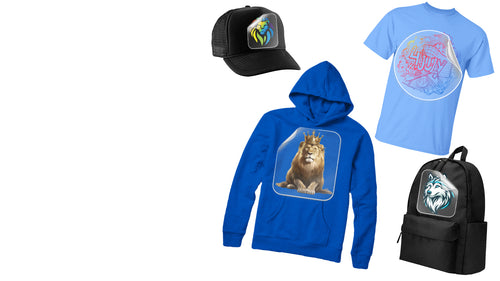


You've got a Baltimore pop-up coming up, a stack of mixed-fabric blanks on the table, and artwork that needs to look sharp without forcing you into a large screen-printing run. You may also be balancing school spirit wear, a new streetwear drop, or a last-minute team order. That's where DTF Baltimore becomes practical. You can order ready-to-press transfers, arrange several designs on one gang sheet, and apply them in-house with a heat press.
The technology is useful, but the results still depend on good files, sensible material planning, reliable local logistics, and correct pressing. A beautiful transfer can fail if the garment is damp, the pressure is inconsistent, or the peel instructions are ignored. The sections below focus on the decisions that matter before the order arrives and the techniques that help it survive production.
Why Baltimore Creators Are Switching to DTF Transfers
A Baltimore maker often starts with a simple problem. A customer wants a full-color logo on a handful of shirts, then adds a few hoodies in another fabric, some tote bags, and a last-minute size change. Traditional screen printing can be effective for larger, repeatable runs, but setup becomes less attractive when the order contains several designs, colors, or garment types. Vinyl can handle straightforward lettering, yet intricate artwork and gradients take more labor.
DTF fits that kind of work because the transfer is prepared before it reaches the press. The shop or crafter doesn't need to screen each design onto the garment or cut every color layer from vinyl. The artwork is printed onto film, finished with adhesive, and supplied ready for heat application. That supports short-run apparel, detailed graphics, and lower minimums, which are valuable to Baltimore's independent brands, event organizers, schools, and promotional sellers.
Local demand rewards flexibility
Baltimore sits within a broader Maryland-to-DC corridor economy, and the Baltimore City MSA is tracked through Maryland Department of Labor labor-market data. Baltimore also has a long manufacturing and logistics history, so businesses in the area are accustomed to production services that need to move quickly and handle varied orders. That context helps explain why custom apparel, branded merchandise, and fast-turn print services remain useful for local organizations. Maryland Department of Labor employment data for the Baltimore City MSA provides the official local labor-market reference.
The creator ecosystem has also been adopting DTF workflows for practical reasons. Independent coverage of Baltimore creators describes the process as a way to produce ready-to-press output for customized, short-run apparel, without tying every project to a large minimum. Coverage of DTF transfers among Baltimore creators offers local context for that shift.
Operator's view: DTF isn't automatically cheaper for every job. It earns its place when the artwork is complex, the order is mixed, or the quantity doesn't justify screen setup.
The trade-off is that DTF still requires discipline. You need clean artwork, a press that reaches the correct temperature, and a repeatable application routine. For large orders using one simple design, screen printing may remain a strong alternative. For varied Baltimore orders where speed and customization matter, DTF usually creates a more manageable workflow.
Understanding How DTF Transfers Actually Work
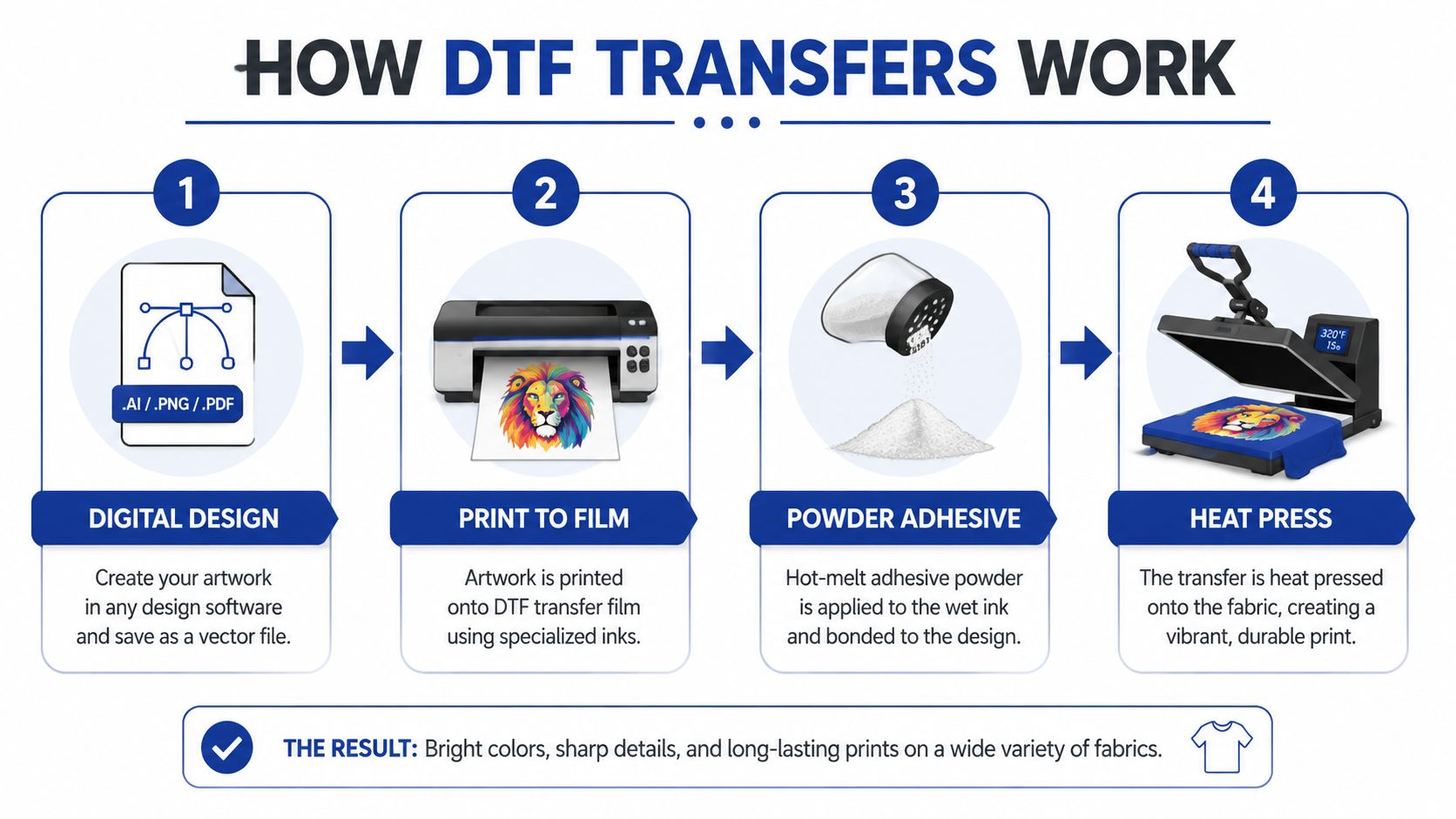
DTF is easier to understand when you treat the transfer as a finished adhesive graphic rather than as ink that must be printed directly into the shirt. The design travels through several controlled stages before it reaches your heat press.
From digital file to printable film
First, the artwork is prepared with a transparent background where the garment should show through. The printer lays down CMYK color inks and white pigment ink onto PET film, a smooth carrier designed to receive the print. White ink gives the graphic an opaque foundation, which is especially important when the garment is dark or the artwork contains pale colors.
Next, adhesive powder is applied to the printed surface. The powder needs to cover the intended print area evenly. Any excess should be removed before curing, because loose powder can create unwanted texture or stray adhesive around the design.
The film then passes through a curing stage. Heat melts the adhesive powder into a continuous layer that can bond to fabric later. Industry descriptions of the process identify this sequence, PET film, CMYK plus white pigment inks, adhesive powder, and curing, as the foundation of DTF production. The finished transfer can reproduce fine details, gradients, and bright colors on cotton, polyester, and blended fabrics. A technical overview of DTF construction and fabric performance explains why the cured transfer remains soft, flexible, and suitable for complex artwork.
What happens at the press
During application, the heat press activates the adhesive again. Pressure helps the transfer make consistent contact with the fabric, while the carrier film holds the design in position. Once the transfer has bonded, the film is peeled according to its format.
Hot-peel transfers are removed while the transfer is still warm. They're useful when a production line needs a faster release between garments. Cold-peel formats require the film to cool before removal, which adds a pause but is often selected when adhesion confidence is the priority. The correct method depends on the transfer supplied, so don't guess based only on appearance.
For a visual walkthrough, use this step-by-step guide to how DTF transfers work.
The important operational point is consistency. DTF doesn't remove the need for production controls. It moves much of the artwork and color work away from the garment, so the press operator can focus on alignment, temperature, pressure, peel timing, and garment handling.
Who Benefits Most from DTF Transfers in Baltimore
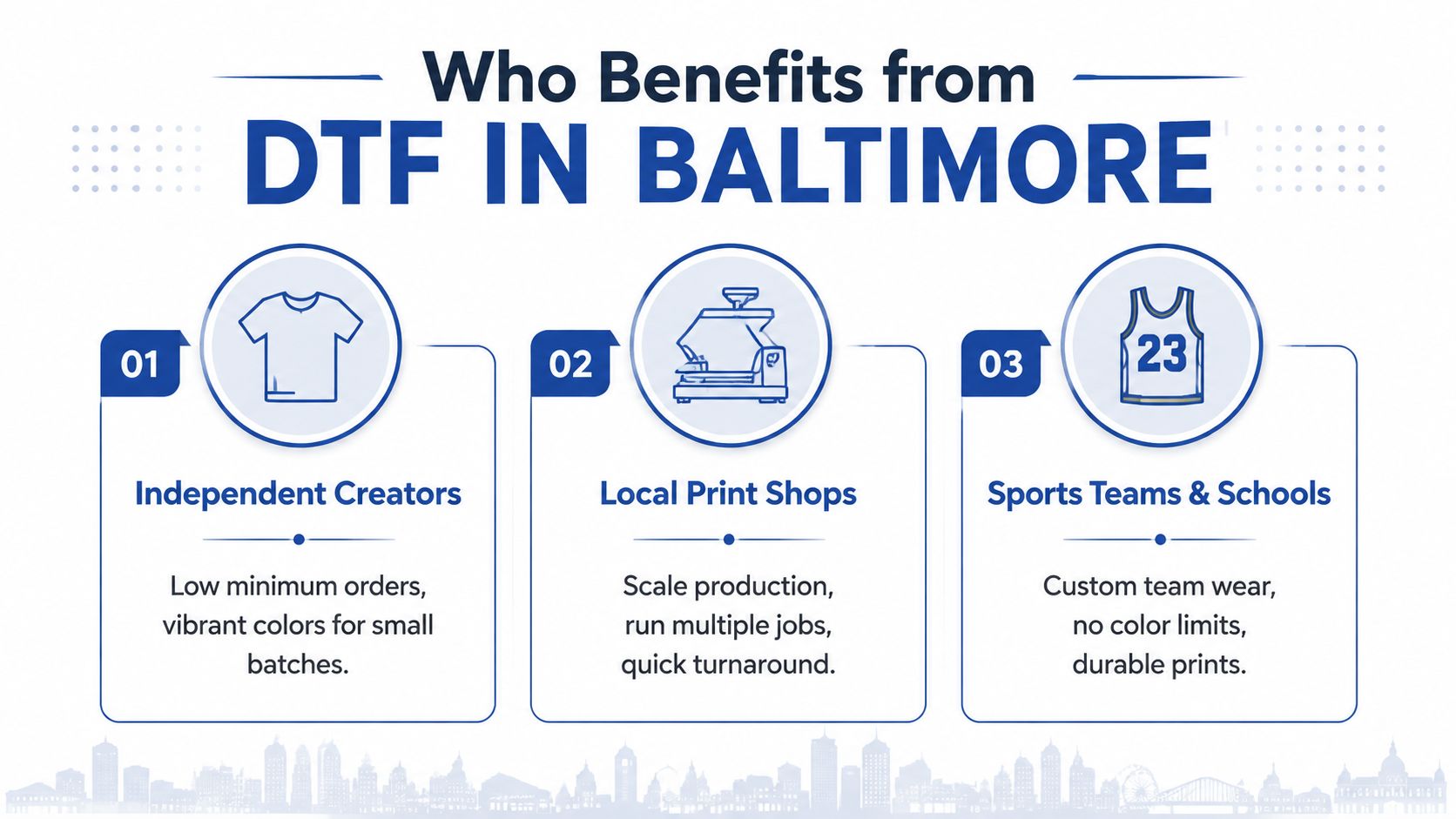
DTF serves several Baltimore customer types, but not all of them use it for the same reason. A home crafter may value the ability to order a few graphics. A print shop may care more about running different jobs without changing screens. A school or team may need one visual identity across garments made from different materials.
Independent creators and online sellers
For a small apparel brand, DTF reduces the pressure to predict demand perfectly. You can test a design, offer multiple garment colors, and fulfill short runs without investing in screen setup for every variation. Full-color artwork also makes it practical to sell illustrations, photographic elements, detailed lettering, and multicolor logos.
The trade-off is inventory discipline. Ordering too many transfer sizes or designs can tie up cash and storage space. Start with the artwork and garment combinations you can sell, then use a gang sheet when several designs need to be produced together.
Print shops and promotional companies
A local print shop, embroidery business, or marketing agency can use DTF to add apparel decoration without building every capability internally. It's particularly useful when customers ask for mixed garments, small quantities, or a quick revision. Promotional companies can also separate the transfer-order stage from the garment-pressing stage, which makes scheduling easier when several client jobs overlap.
DTF won't replace embroidery for every branded item, and it isn't the automatic choice for a single-color bulk run. Its advantage is versatility, especially when one order includes different artwork or fabric categories.
Schools, teams, and event organizers
School spirit wear and sports apparel often involve names, numbers, logos, and different garment cuts. DTF can handle detailed team graphics and works across cotton, polyester, and blends when the press process is controlled. That helps organizers avoid designing an entirely separate decoration method for every garment type.
Crafters with a home heat press benefit for the same reason. They can purchase finished transfers and concentrate on garment placement instead of managing printing equipment, powder, curing, and ventilation. The equipment requirement hasn't disappeared, though. A small press can work for personal projects, but inconsistent pressure or a cramped platen can make larger graphics harder to apply evenly.
Preparing Your Artwork and Placing Your First Order
A good DTF order starts before checkout. The file should have a clean transparent background, crisp edges, and enough resolution for the final print size. Don't enlarge a tiny screenshot and expect the transfer to restore details that weren't present in the original file.
Clean the file before upload
Check these items before sending artwork:
- Background: Remove unwanted white boxes, halos, and hidden layers around the design.
- Edges: Inspect small lettering and thin strokes at the intended size, not only while zoomed in.
- Color: Keep the artwork consistent with the colors approved by the customer. DTF can reproduce vivid graphics, but a print provider can't correct a poorly prepared logo automatically.
- Sizing: Decide whether the design is for a left chest, full front, sleeve, youth garment, or oversized placement. The same file may need separate dimensions.
- File format: Use a print-ready format supported by the ordering system, and keep the original editable file in case a revision is needed.
Make the gang sheet earn its space
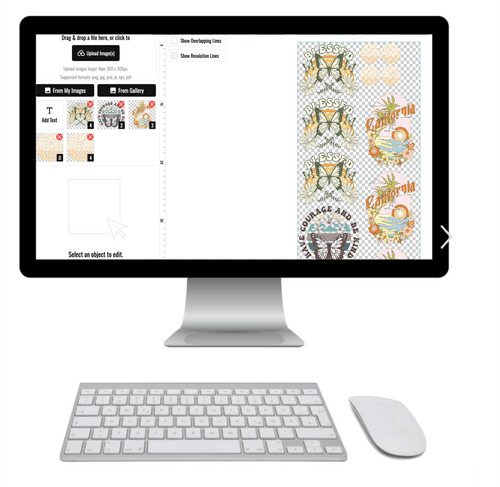
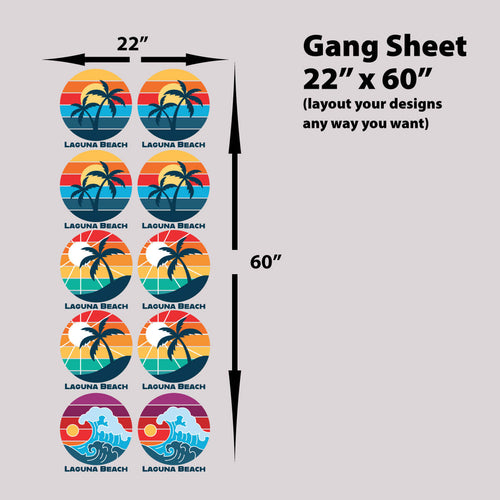
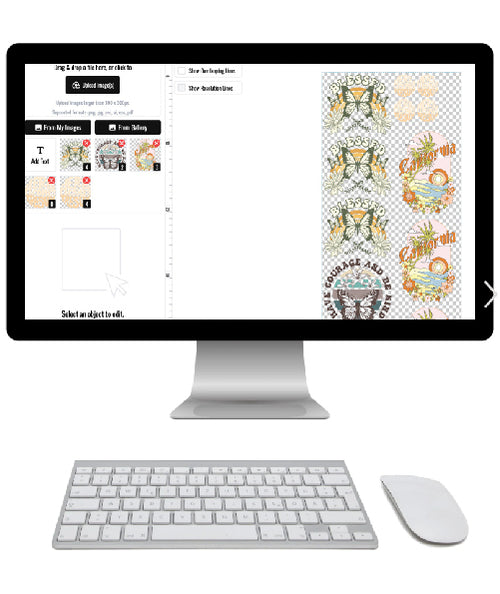
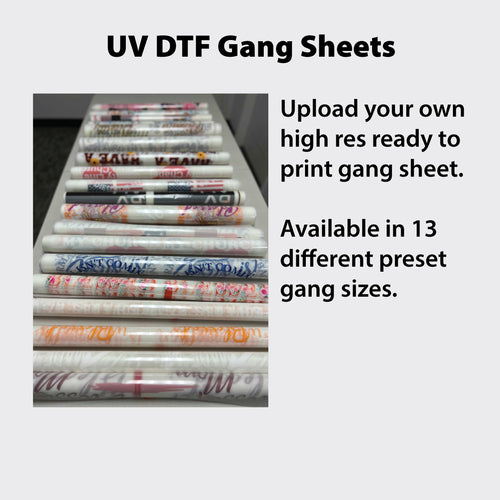
Lion DTF's Auto-build gang sheet builder is the practical option when you have several designs or multiple copies of one design. A gang sheet places separate graphics on one film layout, which reduces unused areas compared with ordering every image as an isolated transfer. The builder workflow commonly involves uploading artwork, selecting sizes and quantities, and arranging the layout for production. A DTF gang sheet builder workflow shows how this layout approach supports material efficiency.
Use the builder deliberately. Group designs with similar production needs, leave enough separation for trimming, and check every quantity before approving the layout. Auto-building saves arrangement time, but you should still review the preview. A design that touches another graphic can create a trimming problem even if the file itself is perfect.
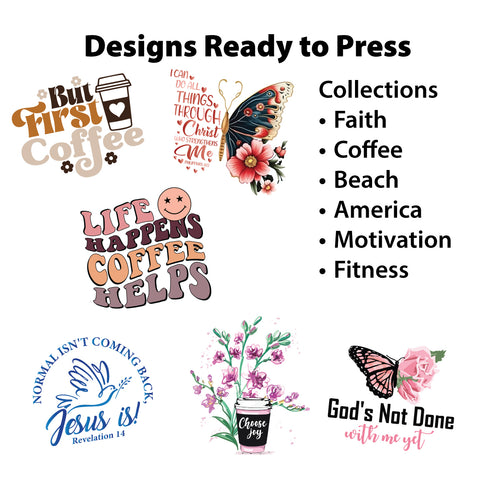
For a single design, ordering DTF by size may be simpler. Ready-to-press collections can also help when you need a prepared graphic rather than a custom logo. The best choice depends on whether your priority is speed, control, or efficient use of film.
Use this guide to ordering custom DTF transfers before placing the order. Confirm the garment count, transfer dimensions, peel format, delivery address, and deadline. Baltimore delivery planning matters, particularly when a school event, market, or team launch has a fixed date. Leave room for receiving, inspection, pressing, and correcting a damaged blank.
Pressing Your DTF Transfers for Professional Results
Pressing is where a technically good transfer either becomes a durable garment or turns into a return. Set up a repeatable station before you begin. The fabric should be clean and dry, the press should be calibrated, and the garment should lie flat without seams or zippers under the design.
For practical Baltimore and Maryland production, a common starting range is 240–280°F, 10 seconds, and medium pressure, followed by a short cool period and a repress. Published Maryland DTF application guidance gives those operating ranges and notes that the method suits cotton, polyester, and blends while retaining small text, gradients, and multicolor artwork.
Garment coatings, fabric texture, platen size, and press calibration all affect the result. Test one garment when the fabric is unfamiliar, especially for heat-sensitive polyester or performance apparel.
Placement and peel control
Pre-press the garment briefly to remove surface moisture and flatten the print area. Align the transfer with a ruler or folded reference point, then cover it with the recommended protective material if the supplier calls for one. Keep the platen level. A transfer applied over a seam may receive uneven pressure, leaving part of the graphic underbonded.
After the first press, follow the correct peel method. Hot-peel film should be removed while warm, while cold-peel film must cool before removal. Don't lift a cold-peel carrier early because the design looks attached at one corner.
Press-room rule: If the edge lifts, stop and diagnose pressure, temperature, time, or peel timing. Don't cover the problem with a second press until you know why it happened.
A short cool period followed by a repress improves contact between the adhesive and fabric. Correctly applied DTF transfers are commonly described in industry guides as capable of 100+ washes, with hot-peel formats favored for faster handling and cold or hot peel formats often chosen when long-term adhesion is the main concern. Hot-peel and cold-peel DTF guidance explains that trade-off. Wash inside out, avoid excessive heat, and follow the transfer supplier's care instructions.
For complete application guidance, use this DTF pressing tutorial.
Why Lion DTF Transfers Delivers for Baltimore Customers
A Baltimore apparel order can fail for reasons unrelated to the artwork. The transfers may arrive too late, a gang sheet may leave excessive unused film, or a file may require correction before production. Lion DTF Transfers lists 24-hour printing, 1–2 business day shipping, same-day shipping, and next-day air for urgent orders, based on its service information.
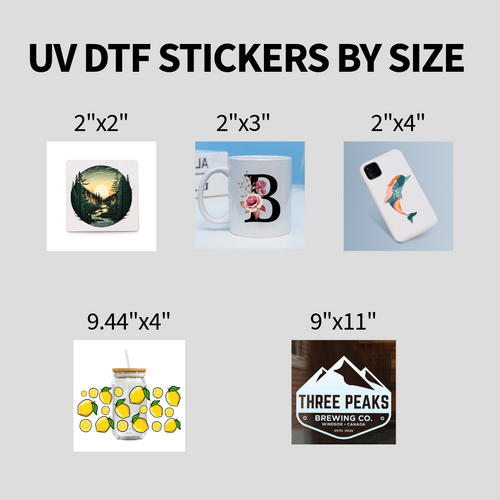
The provider lists pricing starting at $0.017 per square inch and offers an Auto-build gang sheet builder. Combining several logos or garment designs on one sheet can reduce wasted space, provided each graphic keeps enough separation for trimming. Lion DTF Transfers supports custom uploads, DTF by size, ready-to-press collections, gang sheets, and UV DTF stickers.
That range suits Baltimore orders with different production needs. A shop can order one isolated graphic for a sample, arrange multiple designs on a mixed sheet for a larger run, or request assistance when the artwork is not ready for printing.
Support matters when the file isn't ready
Artwork issues often create more delay than pressing. A logo may need vectorization, a shirt design may require resizing, or a gang sheet may need spacing that allows clean trimming. Lion DTF offers logo and shirt design services, vectorization, and a “We Build a Gang Sheet for You” option.
For a Baltimore business without an in-house production designer, that assistance can prevent an expensive misprint. Confirm the finished dimensions, transparent areas, and sheet layout before approving the order. That check is especially useful when a single sheet contains designs for different garment sizes or fabrics.
Logistics for real deadlines
Plan backward from the event date. Leave time to inspect the transfers, test one application, press the garments, cool and check the finished pieces, and package the order. Same-day pickup may help with an urgent local job, while next-day air offers another option when standard delivery does not match the schedule.
The publisher also reports thousands of verified 5-star reviews and support by call, text, email, and website chat. Those contact options give Baltimore teams and small businesses several ways to resolve artwork or order questions before production starts. Clear communication matters when a deadline leaves no room for a replacement shipment.
Common Questions About DTF Transfers in Baltimore
Does DTF work on dark garments?
Yes. White pigment ink creates the opaque foundation beneath the CMYK colors, so detailed artwork can remain visible on dark cotton, polyester, and blended garments. The press still needs even contact, and the garment surface should be smooth and dry.
How should unused transfers be stored?
Keep unused transfers flat in a clean, dry place away from moisture, heat, dust, and direct sunlight. Avoid folding the printed area. If the film becomes contaminated or the adhesive surface collects debris, application quality can suffer.
What if I make a pressing mistake?
Don't keep repressing blindly. Check whether the issue came from low pressure, insufficient heat or time, an uneven seam, or incorrect peel timing. If the transfer has lifted or distorted, test the same settings on a spare garment before continuing with the production order.
Are UV DTF stickers available for hard surfaces?
UV DTF uses UV-curable inks printed onto transfer film and cured immediately with LED-UV light. Published material guides describe film thickness around 50–75 µm and adhesive layers around 25–35 gsm, specifications associated with hard-surface decals. A UV DTF production overview explains the two-stage process.
Application doesn't require heat pressure. You separate the backing film, place the design face-down, burnish it onto the object, and peel away the film. A UV DTF application guide outlines that pressure-transfer method.
Lion DTF Transfers offers custom DTF transfers, Auto-build gang sheets, ready-to-press designs, UV DTF stickers, file support, and shipping options for Baltimore orders. Visit Lion DTF Transfers to upload your artwork, build a cost-conscious gang sheet, or get help preparing transfers for your next apparel project.
Email orders@LionDTF.com or Text or Call: 833-350-5466