



A boutique owner drops 24 hoodies on your counter Tuesday afternoon. The pop-up is Friday at Ponce City Market, the artwork includes a gradient and fine text, and nobody wants to hear that the transfers won't be ready. That's DTF Atlanta in action. You're not choosing a vendor based on the nicest Instagram grid. You're choosing between paying for speed now or accepting a slower lane that protects your margin.
The practical choice usually comes down to same-day hot-peel production versus a 2–4 business day budget lane. Rush production can save a deadline, but it only works when the artwork is ready, the order reaches the shop before its cutoff, and you can receive the order on time. A consolidated gang sheet, prepared correctly, can lower waste before the order ever reaches the press.
Ordering DTF in Atlanta Without the Guesswork
That Tuesday hoodie order has two decision points before you pay. First, confirm the artwork. Gradients and small lettering work well with DTF when the file has sufficient resolution and a transparent background. If the logo is still changing, rush production only makes an unfinished file more expensive.
Next, set the deadline against the shop's cutoff and shipping deadlines. Atlanta providers commonly offer standard turnaround windows, plus faster rush tiers, as outlined in local Atlanta turnaround guidance. Same-day hot-peel is worth the premium for an event, launch, or replacement order that cannot move. Choose the 2–4 business day budget lane when the schedule allows it and margin matters more than immediate pickup.
Practical rule: Pay for speed only when a missed deadline costs more than the rush premium.
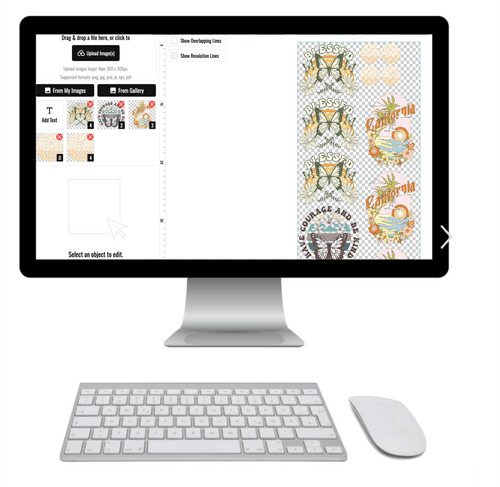
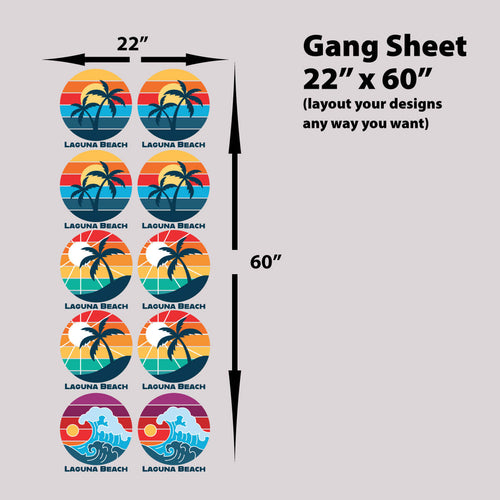
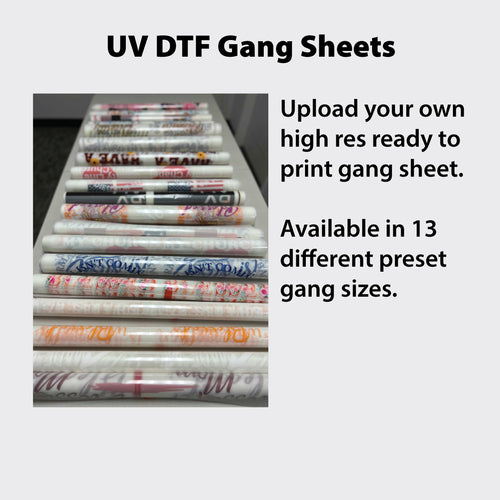
A gang sheet can reduce cost per print before production starts. Use an auto-build gang sheet builder to arrange repeated logos, multiple sizes, and smaller graphics efficiently instead of buying each transfer separately. Review this custom DTF transfer ordering guide before submitting the file.
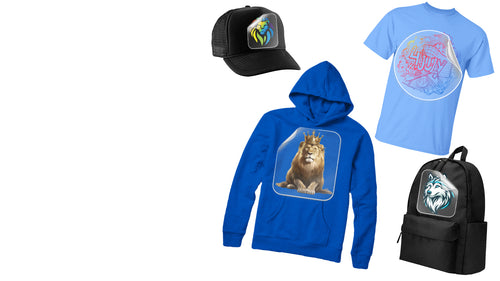
Fabric also affects the order. Cotton, polyester blends, tri-blends, and performance knits may require different press settings, including a pre-press or gentler dwell. Ask which film, peel type, garment, and press settings the supplier recommends. A universal recipe is a warning sign.
Three details to confirm first
- Artwork readiness: Confirm final dimensions, transparent background, and readable fine text.
- Deadline reality: Ask when the transfer will be ready, not only when production starts.
- Garment mix: List cotton, polyester, blends, hoodies, bags, and performance fabrics so application instructions fit the order.
Call the shop with the finished file, exact sizes, quantity, garment types, and shipping plan. That preparation prevents expensive reprints and makes the speed-versus-cost choice clear.
Local Atlanta DTF Shops Versus Online Fulfillment
Local and online fulfillment solve different problems. A shop inside the Atlanta area gives you proximity, direct communication, and a chance to inspect the transfer before pressing. An online supplier can make more sense when the order is planned, the design is stable, and sheet efficiency matters more than immediate possession.
| Factor | Local Atlanta Shipping | Online Fulfillment |
|---|---|---|
| Main advantage | Shipping convenience and direct communication | Lower-cost planning for non urgent orders |
| Best fit | Same-day shipping, short runs, press testing | Consolidated gang sheets and scheduled production |
| Risk profile | Rush capacity and pricing can vary | Shipping adds timing risk |
| Decision trigger | You need your order next day | You can accept a 2–4 business day lane |
Local providers around Atlanta often promote rush printing, same-day shipping, or next-day options. That reflects a real buyer need, especially when a school event, brand drop, or replacement order can't wait.
Online fulfillment is the better economic lane when you can plan ahead. A gang sheet lets you combine several logos, sizes, or repeated designs into one layout instead of ordering every transfer separately. That's especially useful for e-commerce sellers and print shops that have multiple garments to decorate but no need to collect film the same afternoon.
Where the local premium earns its place
Choose local when the deadline is hard, the artwork needs a physical color check, or you're working with a small custom order where communication matters more than the lowest unit cost. Ask for the exact cutoff, ready time, peel type, and whether pickup is guaranteed or merely estimated.
Choose online when the artwork is locked, the order can tolerate production and shipping time, and you can fill a sheet efficiently. The cheaper lane isn't automatically better if a delayed package forces you to buy blanks twice or miss an event. Compare the complete cost to the deadline, not just the transfer price.
Building Print-Ready Files and Gang Sheets
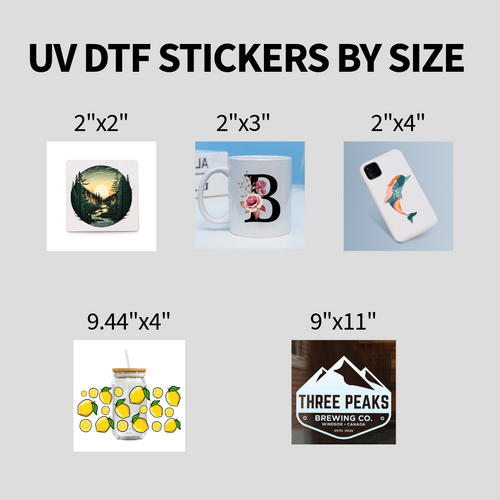
Most wasted film starts with poor preparation. Build the artwork at the actual transfer dimensions, use a transparent background, and check the edges at full size. A file that looks sharp on a phone can print soft when enlarged for a hoodie.
Use PNG or TIFF when the supplier requests raster artwork, and keep the color workflow consistent. For screen-matched work, CMYK is a practical starting point. If your printer has a calibrated press workflow, Adobe CMYK may be appropriate. Ask the supplier before changing profiles, because an unplanned profile conversion can shift gradients and brand colors.

Let the builder do the layout work
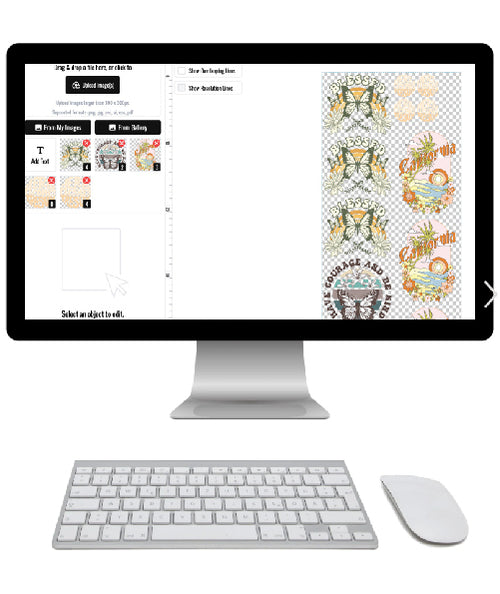
Use our Auto-build gang sheet builder to upload images, choose quantity and size, and automatically arrange the artwork. The builder can flag when more sheets are needed and check whether placements meet resolution requirements before checkout, as described in this gang sheet builder example. That's not just a convenience. It reduces manual layout work and helps prevent wasted film caused by poor sizing or low-resolution files.
A linear-length pricing model can also reward better nesting. One independent builder places designs on a 60 cm wide sheet and displays pricing at 7 €/m plus VAT, charging for the linear meters used rather than counting designs, according to its gang sheet pricing explanation. The lesson applies broadly, even when a supplier uses a different currency or sheet format. Empty film is still a cost.
File checks before checkout
- Size the art: Measure the transfer, not the entire garment.
- Protect the layout: Keep artwork away from sheet edges and leave cutting room.
- Inspect small type: Zoom into fine text and thin lines before approving.
- Confirm orientation: Ask whether the supplier's RIP software mirrors the file, rather than guessing.
- Group repeats: Place identical logos together so the sheet uses its available area efficiently.
If you're building multiple designs, this DTF gang sheet preparation resource can help you organize the upload before you commit to production.
Pricing, Turnaround, and When Speed Actually Pays Off
DTF invoices usually combine the printable area with production timing. Suppliers may price by square inch, linear length, transfer size, setup, or a rush tier. Don't compare two quotes until you know what each quote includes, especially whether the price covers a full sheet, individual cuts, shipping, and pickup.
Atlanta buyers also face a split between premium same-day service and slower budget fulfillment. One local provider lists a 12:00 PM weekday cutoff for same-day hot-peel orders, alongside a 2–4 business day cold-peel lane, with no weekend production, as shown in its Atlanta DTF ordering information. Those conditions change the value of the rush option. A same-day quote received after noon may no longer be a same-day solution.
| Turnaround Lane | Typical $/sq in | Cutoff Time | Best Use Case |
|---|---|---|---|
| Budget lane | Ask supplier | Confirm production cutoff | Planned orders with flexible timing |
| Standard lane | Ask supplier | Confirm with shop | Scheduled fulfillment |
| Same-day hot-peel | Ask supplier | Weekday cutoff may apply | Hard deadlines and urgent replacements |
The right question is not, “How much does same-day cost?” Ask, “What failure does same-day shipping prevent?” If the order supports a Friday event and a missed delivery would leave you with unused blanks and no merchandise, the premium may be sensible. If you're testing a new design or replenishing inventory for a later shipment, rush service usually burns margin without creating meaningful value.
Read the quote like an operator
Confirm four items before paying:
- Production clock: Does the clock start at payment, file approval, or proof approval?
- Peel type: Hot-peel and cold-peel films can require different application workflows.
- Shipping promise: Is the order shipped at a stated time or merely placed in a same-day queue?
- Shipping exposure: Ask whether the delivery date includes carrier transit or only print completion.
For larger planned runs, consolidate artwork with the Auto-build gang sheet builder first. Better nesting reduces empty film and makes a budget lane more attractive. Speed is valuable when it protects revenue. Planning is valuable on every order.
Same day or air shipping
Use next-day air when the supplier is outside the metro area, the order is confirmed early enough, and the carrier service includes the delivery day you need. Check the ship-from time zone, business-day count, and Saturday availability before approving the order.
A clean timeline looks like this: approve art Wednesday by 2 p.m., the film ships Thursday, and delivery arrives Friday by 10:30 a.m. in most Atlanta ZIP codes. Treat that as a planning example, not a guarantee. Weather, carrier exceptions, cutoff rules, and Saturday service can change the result.
Before leaving the shop, inspect the sheet for obvious defects, confirm the peel instructions, and keep it flat. If you're collecting several sheets, label each one by garment, size, and placement. That small bit of organization prevents the wrong logo from reaching the wrong hoodie.
The workflow below is useful for training new press operators and standardizing application.
For nearby sourcing decisions, use this guide to finding DTF transfers near you, then verify the supplier's actual pickup cutoff rather than relying on a search listing.
Pressing and Application Tips for Lasting Results
A good transfer can still fail on the press. Start with a clean, dry garment and pre-press it for 5 seconds to remove wrinkles and moisture. Position the transfer printed-side down, use the film's specified temperature and dwell, then peel according to the film instructions.
Cotton and poly blends may need different settings, while tri-blends and performance fabrics need extra care. Hot-peel films are removed warm. Cold-peel films must cool before removal. Don't substitute one workflow for the other because the order is urgent.

A repeatable press routine
- Prepare the platen: Remove lint, flatten seams, and use a suitable platen for thick hoodies.
- Pre-press the garment: Flatten the decoration area and release moisture.
- Apply the film: Place the printed side against the garment and align carefully.
- Press to specification: Use the temperature, pressure, and dwell supplied with the film.
- Peel correctly: Follow hot-peel or cold-peel instructions instead of peeling by feel.
- Post-press when required: Use parchment or a cover sheet if the supplier specifies a second press.
- Stretch-test the bond: If the film lifts under tension, re-press before packing.
Independent durability guidance commonly places well-applied transfers at 80+ wash cycles, with proper care such as cold water, a gentle cycle, inside-out washing, no bleach, and low heat or air drying, according to DTF transfer durability guidance. Another care guide notes that many transfers exceed 80 to 100 washes before visible wear, while polyester can show lower typical wash-life ranges than cotton and cotton blends, as explained in this fabric-specific DTF durability guide.
Atlanta's humid summers make skipping the pre-press a common mistake. Thick hoodie seams, zippers, and uneven lower platens create pressure gaps, so move the design or use a platen that supports the garment properly.
Atlanta DTF FAQs and a Final Decision Checklist
Can I get same-day DTF in Atlanta? Often, yes, but availability depends on the supplier, artwork approval, film type, quantity, and cutoff. Ask for a ready time and pickup confirmation, not just a “rush” label.
Is there a minimum order for wholesale pricing? Every provider sets its own thresholds. Ask whether the quote is priced per transfer, by sheet area, or by a volume tier.
Do gang sheets lower cost per transfer? They can. The savings come from using more of the printable area, not from placing random artwork close together. Use an auto-build gang sheet builder to consolidate repeated logos and different designs without overlapping them.
What's the difference between hot-peel and cold-peel? Hot-peel lets the operator remove the film while it's warm. Cold-peel requires cooling first. The difference changes the press workflow, so label each order clearly.
Which garments hold up best? Cotton and cotton blends commonly show strong wash durability when applied and cared for correctly. Polyester can have a shorter typical wash life, so test the actual garment and transfer combination before promising long-term results.

Make the final lane decision
- Choose local same-day shipping when the deadline is fixed, the file is approved, and an event or customer commitment becomes due.
- Choose 2–4 day online fulfillment when the artwork is stable, shipping time fits the schedule, and a consolidated sheet lowers waste.
- Use the Auto-build gang sheet builder when the order includes repeated logos, mixed sizes, or several designs.
- Check the fabric first when the order includes performance knits, polyester, tri-blends, or thick hoodies.
- Refuse vague rush quotes: Get the cutoff, ready time, peel type, pickup terms, and total price in writing.
The best DTF Atlanta order isn't always the fastest one. It's the lane that matches the deadline, the garment, and the amount of film you can use efficiently.
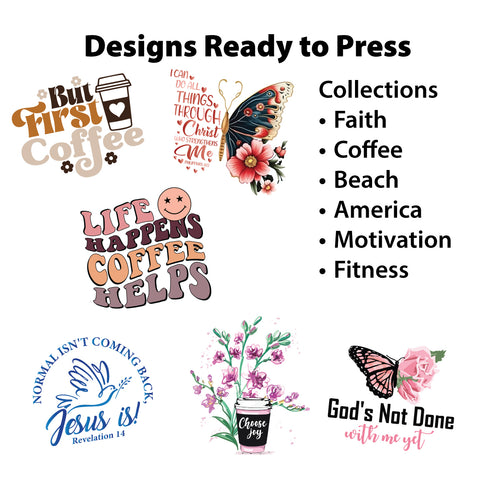
Lion DTF Transfers offers custom DTF transfers, gang sheets, ready-to-press designs, online artwork uploads, and shipping same day options for Atlanta-area buyers. Build your sheet before ordering, match the production lane to your deadline, and visit Lion DTF Transfers to start your transfer order.
Email orders@LionDTF.com or Text or Call: 833-350-5466