


You're probably dealing with one of these jobs right now. A customer wants a full-color logo on black cotton, another wants names on polyester team shirts, and someone else needs a short run by tomorrow without paying screen setup costs. Older methods can handle parts of that, but not all of it cleanly. Vinyl means weeding. Sublimation limits your fabric and garment color. Screen printing shines at volume, but it's slow to set up for small mixed orders.
That's why so many shops, side hustles, schools, and online sellers have moved toward Direct to Film DTF transfers. The appeal isn't just that they print well. It's that they fit the way modern apparel orders come in: short runs, full color, mixed garment types, and tight deadlines.
The Modern Solution to Custom Apparel Printing
If you've spent time in a print room, you know the old frustrations. A simple two-line name in vinyl can turn into a weeding session that eats your afternoon. A bright design for a dark polyester hoodie can force you into compromises. A small order with six colors can be hard to price profitably with screen printing because the setup work is real, even when the quantity is low.
DTF solves a lot of that friction by separating the print from the garment until the final press. You print the artwork onto film, prepare the transfer, and then apply it to the shirt when you need it. That gives you flexibility that older workflows often don't.
Why shops are adopting DTF so quickly
The growth of DTF isn't just hype. Direct-to-Film print volume is projected to rise from 190 million square meters globally in 2022 to 1 billion square meters in 2027, a projected 41% CAGR, according to Keypoint Intelligence reporting covered by Images Magazine.
That kind of growth tells you something practical. Shops aren't adding DTF because it sounds interesting. They're adding it because it helps them handle the kind of work customers already want.
Practical rule: When a print method keeps showing up in small shops, e-commerce brands, school merch orders, and contract decorating, it usually means it solves workflow problems, not just print quality problems.
Where DTF fits best
DTF is a strong fit when you need:
- Full-color graphics on dark garments without building a complicated screen print setup
- Mixed fabric flexibility across cotton, polyester, nylon, and blends
- Short-run efficiency for one-offs, samples, or low-quantity launches
- Stored transfers you can press later instead of printing directly onto every garment at order time
That last point matters for business. If you can stock popular designs as transfers, you can decorate blanks as orders come in. That keeps your production more responsive and your shelf space simpler.
A lot of people first look at DTF as “another heat transfer.” That's too small a view. Used properly, it's a production tool that helps you sell complicated jobs without making the back end messy.
What Exactly Are Direct to Film DTF Transfers
You print a full-color logo, cure it, press it onto a black hoodie, and the color stays bright instead of sinking into the fabric. That result usually surprises people the first time they see DTF done right. The reason is simple. A DTF transfer is a layered print system built to move cleanly from film to garment under heat and pressure.
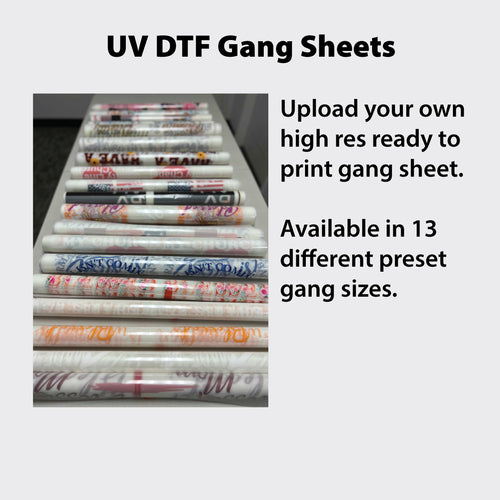
At the shop level, it helps to treat DTF like prep work you can bank. You build the design once on film, then apply it when the order is ready. That matters for production planning, repeat jobs, and gang sheet efficiency, especially if you are trying to pack as many usable graphics as possible into one run.

A DTF transfer is a layered print, not just ink on plastic
The artwork is printed onto coated film, adhesive powder is applied, and the transfer is cured so it is ready for pressing later. DTF Bank's overview of PET film and ink layering explains the two parts that confuse beginners most. The film has a coating that controls how the ink sits, and the print relies on a white ink layer under the color image so the design stays opaque on dark garments.
That coating is why random clear sheets do not work. Film in DTF is more like a release surface with a job to do. It has to hold detail during printing, accept adhesive correctly, and let the design release at press time without smearing or sticking where it should not.
Each layer has a specific job
A clean transfer depends on four working parts:
- PET film holds the design in place until pressing
- CMYK inks create the visible image
- White ink blocks the shirt color from showing through
- Adhesive powder melts into the fabric and anchors the print
If one layer is off, the final print tells you fast. Weak white ink can make colors look dull. Uneven powder can leave poor bonding around edges. Wrong film can cause fuzzy detail or release problems.
Why beginners mix it up with vinyl
DTF and HTV both use a heat press, but they do not build the image the same way. HTV starts as a solid colored material you cut and weed. DTF starts as a printed image, so it can hold gradients, small details, and photo-style color changes without cutting each shape by hand.
That difference also changes how you quote jobs. With DTF, artwork prep and gang sheet layout have a bigger impact on cost than weeding labor. If you are comparing digital garment methods for different order types, this breakdown of DTF vs DTG printing helps clarify where each process fits in a real shop workflow.
A good way to explain DTF to a new employee is this: screen printing builds the image directly through setup on the job, vinyl builds it by cutting material into shapes, and DTF builds it ahead of time as a transferable print. Once that clicks, the rest of the process makes more sense.
DTF Transfers vs Other Popular Print Methods
No print method wins every job. Good shops stay profitable by matching the method to the order. DTF is strong because it covers a wide range of jobs well, especially when customers want full color, dark garments, or mixed fabrics in the same batch.
Quick comparison
| Feature | DTF Transfers | Screen Printing | Direct-to-Garment (DTG) | Heat Transfer Vinyl (HTV) |
|---|---|---|---|---|
| Best order type | Short runs to flexible production | Repeats and larger runs | On-demand garment printing | Simple spot graphics and names |
| Color handling | Full-color graphics and gradients | Strong for spot color work | Strong for detailed art | Best for simpler cut shapes |
| Dark garments | Strong, thanks to white ink support | Strong | Strong with proper setup | Strong |
| Mixed fabrics | Very flexible | Depends on ink and setup | More limited by garment needs | Flexible |
| Detail style | Bold logos, color blends, photo-style art | Excellent for clean separated art | Excellent for soft detailed cotton prints | Best for simpler artwork |
| Labor profile | Digital prep plus pressing | Setup-heavy up front | Garment-by-garment direct print | Cutting, weeding, pressing |
| Typical pain point | Application settings must be consistent | Setup takes time | Pretreatment and garment sensitivity | Weeding slows production |
When DTF beats screen printing
If the order is small, multi-color, and needs a quick turnaround, DTF usually makes life easier. You don't have to build screens for every color, line up registration, or justify setup on a short run.
Screen printing still makes sense when you're repeating the same design at scale and want that workflow dialed in. But for mixed jobs, DTF often keeps your production board moving.
When DTG still has a place
DTG is still useful, especially for certain cotton-focused workflows and soft-hand expectations. But if you're deciding between the two for broader shop use, the practical question is fabric flexibility and production style. This comparison on DTF vs DTG printing is useful if you're choosing between transfer-based and direct-to-garment workflows.
Where HTV still makes sense
HTV isn't obsolete. It's still handy for player names, numbers, and simple lettering. But once a design gets complex, layered, or full-color, HTV becomes labor-heavy fast. Every extra cut path adds handling time. Every tiny detail increases the chance of production slowdown.
If a design would make you groan at the weeding table, it's often a sign to switch methods.
The real business difference
The biggest difference isn't just print appearance. It's labor and job intake. DTF lets you say yes to more weird orders without rebuilding your whole process every time. That's why a lot of modern shops use it as a bridge between custom flexibility and production control.
Key Advantages and Common Use Cases for DTF
The strongest thing about DTF isn't one single feature. It's how many common apparel jobs it can cover without forcing you into a different decoration method every time. That matters when you're handling orders from schools, local businesses, Etsy shops, and event organizers in the same week.
Why the finished transfer holds up
DTF transfers use hot-melt thermoplastic polyurethane (TPU) powder applied to wet ink, then cured at approximately 270°F for 10 seconds, creating a bondable transfer that can last 100+ washes when properly pressed, according to Royal DTF's transfer guidance. For a shop owner, the important part isn't the chemistry term. It's the result. The adhesive becomes part of the transfer system, not an afterthought.
That's why a correctly made and correctly pressed DTF transfer can stay flexible and wearable instead of turning brittle too soon.
Three jobs where DTF makes a lot of sense
A startup clothing brand often needs variety before it needs volume. They may run black tees, ash hoodies, and performance shirts in the same drop. DTF lets them keep the graphic consistent across those garments without splitting the order into multiple print methods.
A school or booster club usually needs color impact and schedule flexibility. Team parents add late jersey requests. Staff want spirit shirts in different garment styles. DTF handles that kind of changing list better than a workflow built around long setup.
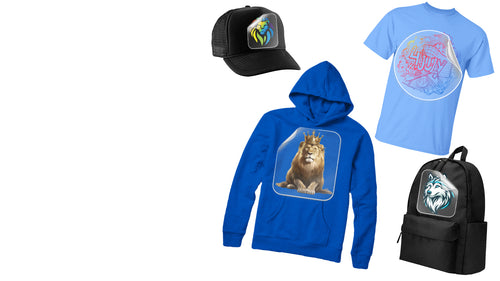
A promotional company may need a left chest logo on polos, tote bags, and event shirts with little notice. DTF gives them a way to prep the artwork once and apply it across different blanks without rebuilding art for each product type.
Practical advantages your crew will notice
- Less manual cleanup: There's no vinyl weeding step slowing down detailed graphics.
- Broader garment range: Cotton, polyester, nylon, and blends are all realistic targets for the same artwork.
- Easier inventory logic: You can keep transfers ready and press them onto blanks as orders arrive.
- Strong visual impact: Full-color graphics stay bright on dark garments because the print structure supports opacity.
Shops usually don't adopt DTF because it's trendy. They adopt it because it reduces the number of times they have to tell a customer, “That method won't work on this garment.”
The business upside is simple. Fewer method limitations means more jobs you can take.
How to Prepare and Order Your DTF Transfers
Bad artwork creates bad transfers. It doesn't matter how good the printer or film is if the file is rough. Most problems start before the order is placed, not after the heat press closes.

Start with clean file prep
Use artwork that's sized correctly for the garment and built with a transparent background when needed. If your image has a low-resolution edge, a fuzzy shadow you didn't intend, or stray pixels around the artwork, the transfer can reproduce those problems.
One detail people miss is thin text. General industry standards put DTF minimum line weight at 1.29 points (0.017 inches), slightly larger than screen printing's 1-point minimum, according to this DTF line weight explanation. In plain terms, very tiny type and hairline details can become risky unless the file is cleaned up and vectorized properly.
What to check before upload
- Resolution quality: Use production-ready art. If the file looks soft on your screen at print size, it won't improve in output.
- Fine text: Small lettering should be thick enough to survive transfer and pressing.
- Transparent background: Remove unwanted boxes or background colors unless they're part of the design.
- Correct sizing: Build the art for the actual print area, not “close enough.”
If you want a more detailed walkthrough before placing an order, this guide on how to order custom DTF transfers covers the upload and ordering flow.
Why gang sheets save money
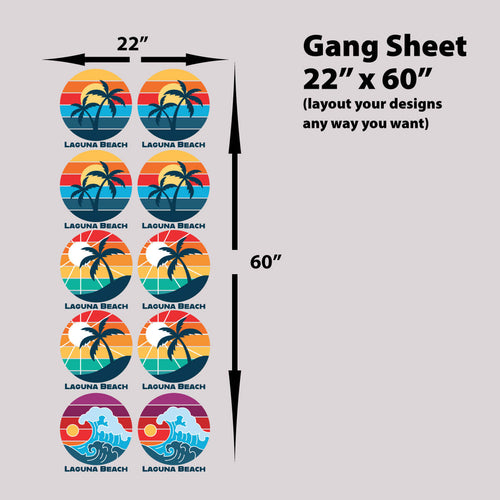
A gang sheet is just multiple designs arranged on one sheet so you use space efficiently. That matters because dead space is wasted money. If you place one small left chest logo on a large sheet with nothing else, you're paying for empty area.
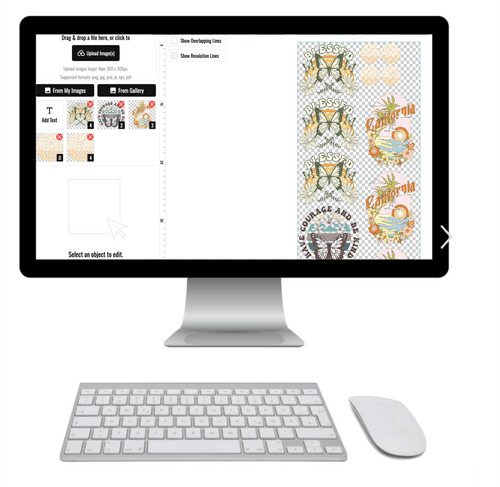
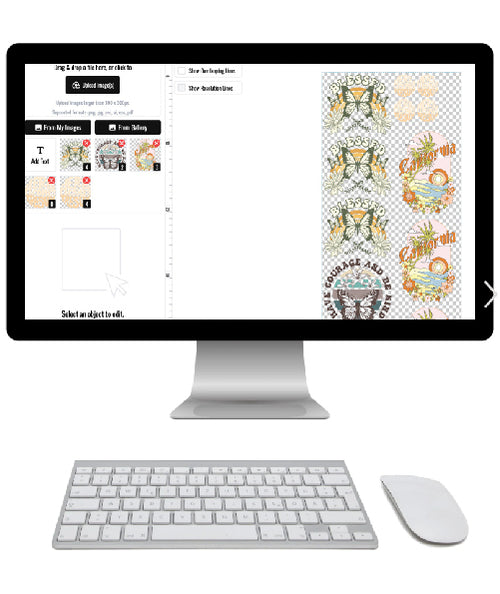
An Auto-build gang sheet builder is one of the most useful tools in the workflow. Instead of manually arranging every design, the builder helps place multiple graphics on a sheet for ease of use and cost effectiveness. For shops and sellers handling mixed logos, neck labels, sleeve prints, and front graphics, that saves time at the order stage and reduces layout mistakes.
One example is Lion DTF Transfers, which offers an Auto-build gang sheet builder that lets users upload designs and organize gang sheets for ordering. The practical value isn't hype. It's that you can fit more usable artwork into the sheet without dragging elements around by hand.
Watch the layout process in action
Seeing the process helps if you're new to gang sheets or file setup.
A simple ordering mindset
Don't treat ordering like you're sending art into a black box. Treat it like production prep.
- Clean the file first
- Group designs logically
- Use gang sheets when you have multiple placements
- Check thin details before upload
- Pick a layout tool that reduces manual arrangement work
That approach saves more rework than almost anything else in the process.
Ensuring Durability and Troubleshooting Common Issues
Most DTF failures aren't really print failures. They're application failures. The transfer can be made correctly and still fail on the garment if heat, pressure, or timing are off. That's why good shops pay just as much attention to the press as the artwork.
The press settings that matter
The durability of DTF depends on a specific thermal profile. Hot-melt adhesive powder must be cured at 265°F and the transfer must be pressed at 240-280°F for 10 seconds with 40–60 PSI, and this DTF pressing reference notes that failure to maintain that profile can lead to incomplete adhesive activation and premature peeling.
That's the kind of detail new operators tend to underestimate. Being “close” on temperature or shaving time to move faster can cost you more in remakes than you save in production speed.

If you see this, check that
| Problem | Likely cause | What to check |
|---|---|---|
| Corners lifting | Incomplete adhesive activation | Confirm temperature, pressure, and full dwell time |
| Print feels too stiff | Too much heat exposure or pressing issue | Review press settings and finishing method |
| Uneven adhesion | Inconsistent pressure across platen | Check press pressure and garment flatness |
| Distorted peel result | Wrong peel timing for the transfer type | Follow the transfer's hot-peel or cold-peel instructions |
Shop-floor advice: When a transfer fails, don't guess. Check temperature first, then pressure, then dwell time. Most errors live there.
Care instructions that help the print last
Once the garment leaves your shop, care still matters. Keep instructions simple so customers follow them.
- Wash inside out: This reduces direct abrasion on the printed surface.
- Use a gentler dry cycle: Lower heat helps preserve the print feel.
- Avoid rough treatment: Harsh laundering is hard on any decorated garment.
If customers ask what kind of lifespan to expect, this article on how long DTF transfers last gives a practical overview.
Hot peel and cold peel confusion
This trips up a lot of beginners. Some transfers are designed to peel warm, and others need to cool before peeling. If you use the wrong peel timing, the print can distort or release badly even if the press settings were close.
That's why you always match your peel method to the transfer type, not to habit. Operators get into trouble when they assume every film behaves the same.
Get Started with Lion DTF Transfers Today
A lot of shops reach the same point. Orders are coming in from different directions, one customer wants left-chest logos on polos, another needs full-color event shirts, and someone else needs a short run on mixed garment types. You can keep switching methods from job to job, or you can add a process that covers more of that work with fewer slowdowns. That is where DTF starts to make business sense.
The value is practical. DTF helps you handle full-color art, dark garments, mixed fabrics, and short runs without routing every order through a different decoration setup. For a small shop, that can mean saying yes to more profitable jobs. For a busy shop, it can mean less production friction and easier scheduling.
Your supplier affects that outcome more than many new buyers expect. Good transfers still depend on good ordering tools, consistent print quality, and a workflow that fits real production. Earlier in the article, we covered gang sheets and why layout efficiency matters. The same idea applies here. If a supplier gives you a clean upload process and catches file problems before printing, you waste less time at the heat press.
The Auto-build gang sheet builder matters for the same reason a good cutter layout matters in any print shop. Empty space is wasted money. If you run mixed logos, names, sleeve prints, and small placements, auto-building a gang sheet can reduce manual setup time and help you control cost on every order.
If you are new to DTF, start with one predictable job. Use clear artwork, avoid very fine text, and order designs for the garment types you sell most often. Then press a test piece and wash test it. That gives you a baseline you can trust before you scale up.
If you already run production, use DTF where it removes bottlenecks. Short-run branding, staff shirts, event merch, names, tags, and mixed-fabric orders are often the fastest wins.
Reliable results come from repeatable habits. Clean art files. Efficient gang sheet layouts. Correct press settings. Consistent peel timing and pressure. Get those four right, and DTF becomes a dependable part of your workflow instead of another process to babysit.
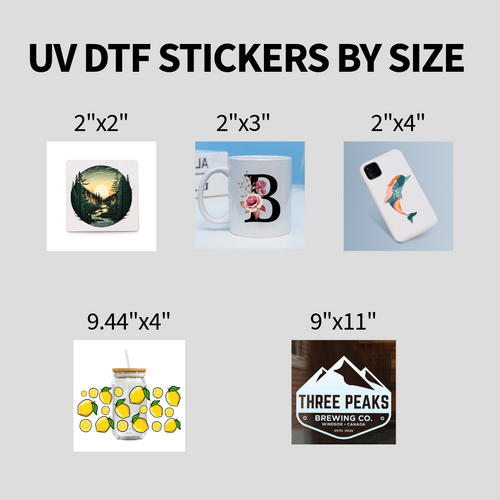
If you're ready to put direct to film DTF transfers into your workflow, Lion DTF Transfers offers custom transfers, by-size options, and an Auto-build gang sheet builder that helps simplify layout and improve cost control.