Apparel creators often look for production methods that help them maintain consistent inventory while keeping their printing workflow simple. Ordering transfers in larger quantities allows designs to be prepared in advance, so garments can be produced quickly whenever orders arrive. For clothing brands and print shops, this approach supports steady production and organized inventory management:
Consistent Inventory For Repeat Designs
Many clothing brands release designs that remain in their catalogs for long periods. Purchasing ready-to-press DTF transfers wholesale allows designs to be printed in advance and stored until needed.
Instead of preparing artwork and printing transfers for every order, businesses can simply select the design from their inventory and apply it to the garment. This makes it easier to keep multiple shirt sizes available while maintaining consistent graphics across each item.
Faster Garment Production
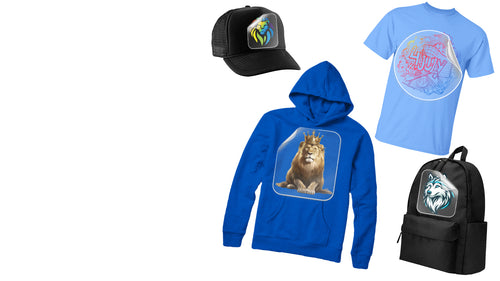
Wholesale transfers help reduce preparation time during printing. Since the designs are already printed and coated with adhesive powder, the production process mainly involves positioning the transfer on the garment and applying heat.
This streamlined workflow allows production teams to press garments in batches. As a result, apparel businesses can complete larger order volumes while keeping the printing process organized and predictable.
Reliable Restocking For Busy Seasons
Clothing brands often experience periods of higher demand during product launches, holidays, or special events. Having transfers prepared in advance allows businesses to continue pressing garments without interruption.
For situations where transfers are needed quickly, Lion DTF Transfers also provides Next Day DTF printing. This option helps businesses restock their transfers quickly, enabling them to keep up with incoming apparel orders.
Scalable Printing Without Additional Equipment
Wholesale transfers enable apparel creators to increase production without adding more printing machines or specialized equipment. Transfers arrive ready for pressing, allowing businesses to focus on garment production rather than managing the entire printing process.
This flexibility helps clothing brands expand their operations while maintaining a straightforward and manageable workflow.