


When you’re first diving into the world of custom apparel, the “vinyl vs. screen printing” debate is usually the first hurdle you’ll face. Both are industry staples, but they’re built for completely different jobs. Knowing where each one shines is the key to getting the quality, cost, and efficiency you need for your project.
The simplest way to think about it is this: Heat Transfer Vinyl (HTV) is your go-to for small-scale, highly custom jobs, while screen printing is the undisputed king of cost-effective, high-volume production. It really comes down to whether you need a few personalized items or a truckload of merchandise at the lowest possible price per shirt.
Choosing Your Customization Method
Let's break down exactly what that means in the real world. This guide will walk you through the strengths and weaknesses of each method so you can make a call that makes sense for your specific goals.

A Quick Comparison of Printing Methods
First up, let’s get a clear picture of the main players in garment decoration.
Heat Transfer Vinyl (HTV) is exactly what it sounds like. You cut designs from colored sheets of vinyl and then use a heat press to apply them to a shirt. This method is perfect for one-offs or small batches—think custom names and numbers for a local sports team’s jerseys. Since there are virtually no setup costs, it’s incredibly accessible for beginners and small shops.
Screen printing, on the other hand, is built for scale. It’s a traditional technique that uses mesh screens as stencils to push ink directly onto the fabric. The setup is a real bear, especially for multi-color designs, which makes it expensive for small jobs. But once you’re running a large batch, its efficiency is unmatched, making it the industry standard for concert merch, company uniforms, and event apparel.
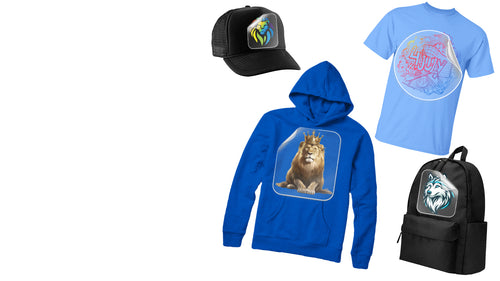
Then there's the modern powerhouse, Direct-to-Film (DTF) transfers. This technology effectively bridges the gap between the other two. It brings the full-color, photorealistic detail of a digital process but with the soft feel and scalability you’d expect from screen printing.
DTF gives you the best of both worlds. You get the freedom to print complex, full-color designs without the punishing setup costs of screen printing or the tedious weeding that comes with vinyl. It’s a seriously powerful option for just about any project size.
To make things even clearer, this table gives you a quick side-by-side look at the key decision factors for each method.
Printing Method At a Glance
This quick-reference table summarizes the key decision factors for Heat Transfer Vinyl (HTV), Screen Printing, and Direct-to-Film (DTF) Transfers.
| Decision Factor | Heat Transfer Vinyl (HTV) | Screen Printing | DTF Transfers (Lion DTF) |
|---|---|---|---|
| Best For | Small batches, personalization | Large volume orders (50+) | Any order size, full-color designs |
| Design Complexity | Excellent for complex cuts | Best for simple, spot-color art | Handles photorealistic detail |
| Setup Cost | Very low to none | High, especially for multi-color | None |
| Feel on Garment | Layered, can be slightly stiff | Soft, ink soaks into fabric | Very soft, flexible, and stretchable |
| Durability | Good (up to 50 washes) | Excellent, lasts life of garment | Excellent (100+ wash tested) |
This table should help you quickly narrow down which method fits your immediate needs, from one-off custom shirts to large-scale production runs.
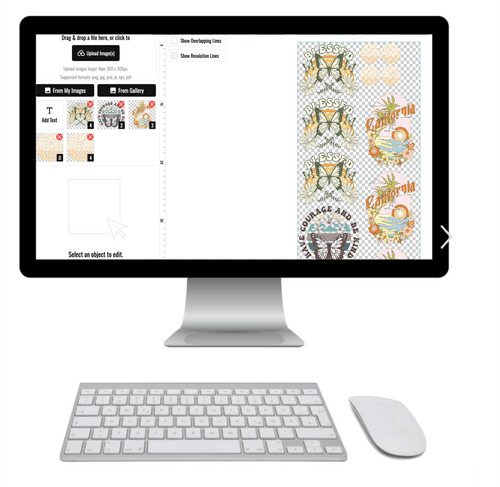
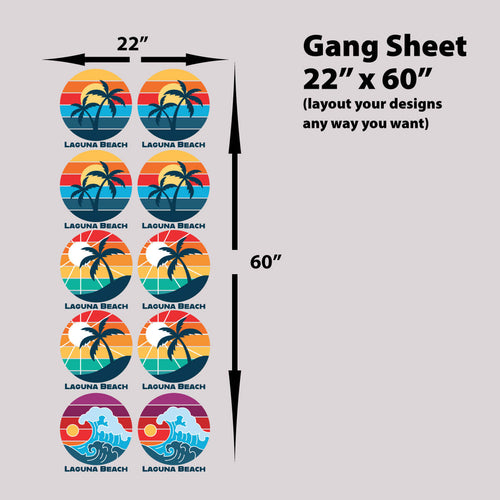
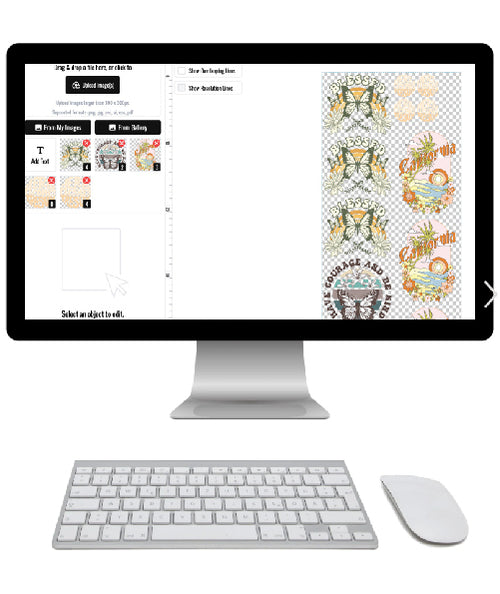
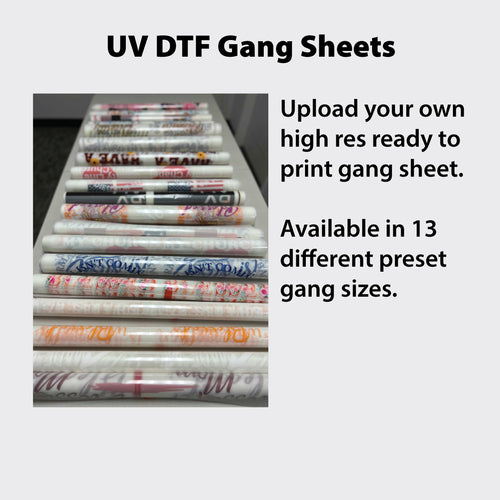
Modern tools have made advanced technology like DTF more accessible than ever. For instance, Lion DTF’s auto-build gang sheet builder lets you easily arrange multiple designs on a single sheet, which drastically cuts down on waste and drives down the per-print cost. It’s a game-changer that brings professional-grade results within reach for everyone, offering an easy-to-use and cost-effective solution.
How Each Printing Process Works
To really get to the bottom of the vinyl vs. screen printing debate, you need to understand how each method actually works. On the surface, the final products might seem similar, but the path from a digital file to a finished t-shirt couldn't be more different.

The Cut and Press System of Heat Transfer Vinyl
Think of Heat Transfer Vinyl (HTV) as a high-tech sticker system for fabric. The process is pretty straightforward. It starts with a sheet of colored vinyl that gets fed into a plotter or cutter, which carves out your design with precision.
Once the machine finishes cutting, the real manual labor begins. You have to peel away all the excess vinyl from around your design in a process called weeding. For simple shapes, it’s quick; for detailed art, it’s a time-killer. After that, you place the design on the garment, fire up a heat press, and use heat and pressure to bond the vinyl to the fabric.
Screen Printing: The Art of the Stencil
Screen printing is the old-school, tried-and-true method built for making a lot of the same thing. It's a craft that's all about creating a stencil—or a "screen"—for every single color in your design.
To make a screen, you coat a fine mesh with a light-sensitive emulsion, lay a film positive of your design on top, and blast it with light. The light hardens the emulsion everywhere except where your design blocks it. You then wash out the unhardened parts, leaving a perfect stencil for ink to pass through. If your design has four colors, you have to do this four separate times.
Ink is then pushed through the screen onto the shirt with a squeegee, one color at a time. Finally, the shirt runs through a massive dryer to cure the ink and make it permanent. The complexity ramps up when dealing with gradients, which often requires a technique using tiny dots. To get a better feel for its intricacy, you can learn more about halftones in screen printing.
The core difference lies in the setup. HTV’s setup is digital and minimal, making it ideal for one-offs. Screen printing’s setup is physical and extensive, making it cost-effective only for large, identical batches.
DTF Transfers: The Digital Powerhouse
Direct-to-Film (DTF) transfers are the modern answer to the problems of both vinyl and screen printing. It's a digital-first approach that cuts out the most tedious steps, giving you the best of both worlds.
Here’s the simple breakdown:
- Printing: A special printer lays down water-based inks directly onto a clear transfer film, printing your entire full-color design in a single pass.
- Adhesive Application: A fine adhesive powder is sprinkled over the wet ink and then melted, creating a smooth, even backing that will bond to the fabric.
- Heat Pressing: The finished transfer is placed on the garment and pressed. The heat and pressure transfer the ink and adhesive from the film right onto the shirt. Done.
This process completely eliminates weeding vinyl and preparing multiple messy screens. For shops that need to be efficient, tools like our Auto-build gang sheet builder take it a step further, letting you pack multiple designs onto a single film sheet to minimize waste and cost. It makes professional, full-color printing accessible for any order size, from one to one thousand.
Comparing Cost, Durability, and Print Quality
When you're trying to decide between vinyl and screen printing, it really boils down to three make-or-break questions: How much will it cost? How long is it going to last? And how good will it actually look? These aren't just details; they're the foundation of your decision, hitting your budget, your customer happiness, and how people see your brand.
Let's break down each one and see how these two methods really stack up in the real world.
Dissecting the Cost Structures
The true cost of a print job is way more than the price tag on a single shirt. You've got to factor in setup fees, the cost of materials, and the labor involved—all of which shift depending on how many pieces you're ordering. Getting this right is the key to protecting your profit margins.
Heat Transfer Vinyl (HTV) is the undisputed champ for small jobs. Why? Because the setup cost is practically zero. You're only paying for the vinyl you use, which makes it perfect for one-off custom gifts or tiny batches of less than a dozen shirts. The cost per shirt stays pretty consistent, which is great for predictability but gets less economical as you scale up.
Screen printing is the total opposite. It requires a serious upfront investment to create the screens—and you need a new one for every single color in your design. This makes small orders incredibly expensive. But once those screens are made, the cost per shirt drops dramatically, making it the most budget-friendly option for big runs of 50 or more identical items.
This is where DTF transfers slide in and create a perfect middle ground. They have no setup fees, just like vinyl, but they scale beautifully for larger orders, much like screen printing. Tools like our Auto-build gang sheet builder take this even further, letting you cram multiple designs onto one sheet to maximize your material and slash your costs. Its ease of use makes creating these cost-effective sheets a simple process.
Comparative Cost Analysis by Order Size
To put it in perspective, let's look at a sample cost breakdown. The numbers below illustrate how the economics shift dramatically as your order volume grows, showing why the "best" method really depends on the job size.
| Order Size (Units) | HTV Estimated Cost | Screen Printing Estimated Cost | Lion DTF Transfers Estimated Cost |
|---|---|---|---|
| 1-10 | $100 - $150 | $300 - $400 | $50 - $100 |
| 25-50 | $250 - $450 | $350 - $500 | $125 - $250 |
| 100+ | $900 - $1,200 | $600 - $800 | $400 - $600 |
As you can see, HTV starts strong but quickly becomes the most expensive for bulk orders. Screen printing is pricey for small runs but becomes the leader in cost-efficiency for large volumes. Lion DTF, however, offers a competitive edge across all quantities, bridging the gap perfectly.
Evaluating Real-World Durability
A great-looking design is useless if it falls apart after a few trips through the laundry. Durability is non-negotiable, and it’s an area where vinyl and screen printing are worlds apart. A print that cracks, peels, or fades is a quick way to damage a brand's reputation.
A properly cured screen print literally becomes one with the fabric. The ink penetrates the fibers, creating a bond that’s meant to last the lifetime of the garment itself. While you might see some gentle fading after dozens of washes, the print itself isn't going anywhere—no cracking, no peeling.
Heat Transfer Vinyl, on the other hand, is an adhesive layer that sits on top of the material. Good quality HTV is surprisingly tough and is often rated for 50+ wash cycles before it starts showing wear, like tiny cracks or lifting at the edges. It is, however, more vulnerable to high heat from the dryer and harsh washing. For a deeper dive, check out our complete guide on heat transfer vs screen printing durability.
The longevity of a print is a direct reflection of its quality. While screen printing integrates with the fabric for a lasting finish, Lion DTF transfers are engineered and rigorously tested to exceed 100 wash cycles, offering superior durability that maintains both color vibrancy and structural integrity.
This kind of performance puts DTF transfers at the top of the food chain for durability, giving you a reliable and long-lasting print you can trust for professional apparel.
Analyzing Print Quality and Feel
Finally, let’s talk about how the print actually looks and feels. We call this the "hand"—the texture of the print, the richness of its color, and its ability to capture tiny details. This is where you can physically feel the difference between the two methods.
Screen-printed designs are famous for their soft hand. Since the ink is pressed into the fabric, the final print feels smooth and almost unnoticeable, especially when using water-based or discharge inks. The colors are incredibly rich and solid, which is why it's a go-to for printing on dark garments.
Vinyl has a completely different feel. It creates a distinct layer on the shirt’s surface that can be thin and flexible or thick and a bit stiff, depending on the vinyl used. It’s fantastic for creating designs with sharp, clean edges and bold, solid colors, but it just can't replicate that soft, breathable feel of a screen print.
DTF transfers manage to pull off the best of both worlds. They give you the full-color, photorealistic detail you'd expect from a high-end digital print, but they maintain a remarkably soft, lightweight, and flexible feel that seriously rivals screen printing. This balance makes them the perfect choice for high-quality apparel where both stunning visuals and all-day comfort are a must.
How Your Design's Complexity Steers the Decision
The artwork itself is often the biggest deciding factor in the vinyl vs. screen printing debate. A design’s detail, color count, and fine lines will naturally point you toward one method. What’s a perfect, cost-effective process for a simple one-color logo can quickly turn into a production nightmare for a photorealistic image.
This is where you have to connect your design to the production process. Getting it right saves time and money. Getting it wrong leads to blown budgets and a final product that doesn't live up to your vision.
Vinyl for Intricate Designs in Small Batches
When you're working with a small run of items that feature a complex, multi-color design, Heat Transfer Vinyl (HTV) almost always comes out on top. With vinyl, the artwork's intricacy has virtually no impact on the cost or setup time. A cutting machine simply follows the lines you give it—it doesn’t care if it’s tracing a basic circle or a detailed silhouette.
This makes vinyl perfect for projects where every item might be slightly different, like adding individual names to staff uniforms that also have a full-color company logo. The main time sink is "weeding"—the manual process of peeling away the excess vinyl. It can get tedious with super detailed cuts, but it doesn't add prohibitive costs to a small batch.
Screen Printing for Simple Graphics in High Volume
Screen printing plays by a completely different set of rules. Its real power is in cranking out large quantities of simple designs with just a handful of colors. If a band needs 300 t-shirts with their one-color logo, screen printing is the undisputed champion for both speed and cost once you’re past the initial setup.
But its efficiency drops off a cliff as soon as the design gets complicated.
- Color Count: Every single color in your artwork requires a separate, custom-made screen. A four-color design means four screens, four setup processes, and a much higher bill.
- Gradients and Tones: Fading one color into another requires special techniques like halftones, which adds another layer of complexity and skill to the screen-making process.
- Fine Details: Super fine lines or tiny text can be tough to get right. The ink has to push through the screen’s mesh, and small details can easily get clogged or bleed.
With screen printing, complexity is a direct cost driver. Every additional color complicates the setup, increases labor, and inflates the final price, making it impractical for detailed, full-color art in anything less than massive quantities.
The Modern Solution for Any Complexity
This is exactly where newer alternatives like Direct-to-Film (DTF) transfers completely change the game. Since DTF is a digital process, it handles design complexity effortlessly. It doesn't matter if your artwork is a single-color logo or a full-blown photorealistic painting with millions of shades—the printing process is identical.
DTF transfers have zero setup penalties for color count or fine details, making them the clear choice for creators who refuse to compromise on their art. You can print smooth gradients, crisp text, and unlimited colors without watching the costs spiral. To see how it stacks up against other methods, check out our guide on the different types of t-shirt printing.
Better yet, tools like our Auto-build gang sheet builder take this advantage to the next level. You can place dozens of different, complex designs onto a single sheet, which is an incredibly cost-effective way to produce a diverse range of prints for different clients or products all at once. It dramatically cuts down on material waste and per-unit costs—a perfect system for running an agile, modern print business.
Finding the Right Method for Your Project
Picking between vinyl, screen printing, and newer alternatives isn’t just about the tech—it’s a business decision that shapes your budget, timeline, and how your final product looks and feels. To put it all into practice, let's walk through a few real-world situations to see where each method really shines.
These examples will give you a clear framework for matching the right printing technique to your specific goals. By weighing factors like cost, artwork detail, and order size, you can make the right call with confidence.
Real-World Printing Scenarios
To make the vinyl vs. screen printing choice less abstract, let’s look at three common projects. Each one has a clear winner based on its unique demands.
Scenario 1: The Small Business Staff Shirts A local coffee shop needs 15 t-shirts for its staff. The design is a simple two-color logo on the back, but the front needs each employee's name. This job is all about a small quantity with a heavy dose of personalization.
- Best Method: Heat Transfer Vinyl (HTV) is the undisputed champ here. With no setup costs, it’s built for small, custom runs. Trying to screen print this would be a financial nightmare; the cost to create screens for just 15 shirts is way too high, not to mention you can't personalize each one. HTV makes it easy and affordable to customize one shirt at a time.
Scenario 2: The Band's Tour Merch A band on tour needs 300 t-shirts for the merch table. The design is a straightforward, one-color logo. The goal is to get them printed quickly and as cheaply as possible to make a decent profit.
- Best Method: This is exactly what screen printing was made for. That high initial setup cost gets spread so thin across hundreds of shirts that the per-shirt price drops way down. Once the screen is ready, banging out a single-color design is incredibly fast, making it the most efficient and economical choice for big batches of identical prints.
Scenario 3: The Online Brand's Collection Launch An e-commerce brand is dropping a new apparel line with complex, full-color graphic designs. They need to produce different quantities for each design but don't want to be stuck holding a mountain of unsold inventory.
- Best Method: Lion DTF Transfers are the obvious solution. This is where the other two methods show their weaknesses. Screen printing would be absurdly expensive with all those colors, and weeding intricate HTV designs for a decent-sized run would turn into a production bottleneck. DTF handles photorealistic detail and unlimited colors with zero setup fees, making it perfect for producing vibrant, high-quality designs at any scale. For maximum cost-effectiveness, using the Auto-build gang sheet builder lets the brand combine multiple designs onto single sheets, keeping per-unit costs low.
A Decision-Making Framework
To make your choice even simpler, this decision tree walks you through the key questions about your design’s complexity, color count, and the total quantity you need.

As the flowchart shows, the more colors you add and the higher your quantity, the more the paths diverge. DTF clearly emerges as the most flexible option for today's complex apparel demands.
Empowering Your Production with the Right Tools
At the end of the day, your choice in the vinyl vs. screen printing debate should empower your business, not hold it back. HTV is fantastic for one-offs, and screen printing absolutely owns bulk orders of simple graphics. But modern projects often need something more versatile. The global screen printing market is huge—over 3.5 billion garments are printed each year—but it’s also highly fragmented. In the U.S., only 8% of shops have more than 50 employees, which favors small businesses. This landscape highlights a massive need for efficient small-to-medium batch production, a topic explored in these trends shaping the screen printing industry on rawshot.ai.
When you understand the specific strengths of each method, you can stop seeing them as competitors. Instead, start viewing them as different tools for different jobs. The best decorators know exactly which tool to grab to get the perfect result.
This is where the power of DTF becomes undeniable. It bridges the gap, offering a single, streamlined workflow for projects of any size or complexity. For any business trying to scale, tools that simplify production are a game-changer. Our Auto-build gang sheet builder was designed for exactly this reason, letting you easily arrange multiple different designs onto a single sheet. It maximizes every inch of material and makes professional, full-color printing incredibly cost-effective, whether you're printing five shirts or five hundred. It puts you in control, ensuring every project is profitable and hits the highest quality standards.
Common Printing Questions Answered
When you're diving into the world of custom apparel, a lot of questions pop up. It's totally normal. Here, we'll tackle the most common ones we hear from creators and brands trying to sort out the vinyl vs. screen printing debate. Our goal is to give you straight, practical answers so you can move forward with total confidence.
Think of this as the final check-in, clearing up any last bit of confusion.
Which Method Is Better for T-Shirts?
Honestly, the "better" method comes down to the job at hand. There's no single winner—it's all about picking the right tool for what you're trying to accomplish.
If you're making a single custom shirt or a tiny batch where every piece is personalized—think team jerseys with different names—Heat Transfer Vinyl (HTV) is your most practical and budget-friendly option. The setup is minimal, making it perfect for one-offs.
On the other hand, if you're running a big order of 50 or more shirts with the exact same simple design, screen printing delivers the lowest cost per shirt and that classic, soft-hand feel. It's the industry standard for bulk merchandise for a reason. But for everything in between, especially jobs with full-color, detailed designs at any quantity, DTF transfers are the modern solution. They give you the best of both worlds: stunning, vibrant prints, great durability, and a soft finish without the steep setup costs.
How Do Vinyl and Screen-Printed Shirts Last?
Durability is huge for customer satisfaction, and both methods hold up really well when they're done right. A properly cured screen-printed design has fantastic longevity and can easily last the life of the garment itself, though you might see some gentle fading after years of washing.
High-quality Heat Transfer Vinyl is also surprisingly tough, usually lasting 50+ washes before you might notice any cracking or peeling around the edges. But if you're looking for maximum longevity, Lion DTF transfers are in a class of their own. We've rigorously tested them to handle over 100 wash cycles while keeping their original color and integrity. In real-world use, they often rival or even outperform both traditional methods.
The true test of a print's durability is how it holds up wash after wash. While both vinyl and screen printing are reliable, DTF transfers are engineered for exceptional longevity, ensuring your designs look great for years, not just months.
Can I Use a Home Iron for Heat Transfer Vinyl?
You technically can, but we strongly recommend against it for any professional or long-lasting work. A standard household iron just can't deliver the consistent, even temperature and heavy, uniform pressure needed for the vinyl's adhesive to properly fuse with the fabric fibers.
That inconsistency in heat and pressure almost guarantees you'll see premature peeling and a finish that just doesn't look professional. If you're serious about creating a quality product that lasts, a dedicated heat press isn't a luxury—it's an essential piece of equipment.
Is DTF a Superior Alternative to Both Methods?
For many modern apparel creators, the answer is a resounding yes. DTF effectively closes the gap between vinyl's ability to handle complex, multi-color designs and screen printing's premium quality and feel. You get the unlimited color and photorealistic detail of a high-end digital print combined with the soft, stretchable, and durable finish you'd expect from screen printing.
This modern approach completely does away with the tedious weeding of vinyl and the messy, color-limited, and expensive setup of screen printing. With services like Lion DTF, especially when paired with easy-to-use tools like our auto-build gang sheet builder, it becomes a scalable, efficient, and highly professional solution. It truly combines the best attributes of both worlds into a single, streamlined workflow that’s built for today’s apparel market.
Ready to create stunning, full-color designs without the limitations of traditional methods? The Lion DTF Auto-build gang sheet builder makes it easy to maximize your prints and minimize costs. Build your custom gang sheet and experience the future of apparel decoration today at https://liondtf.com.