
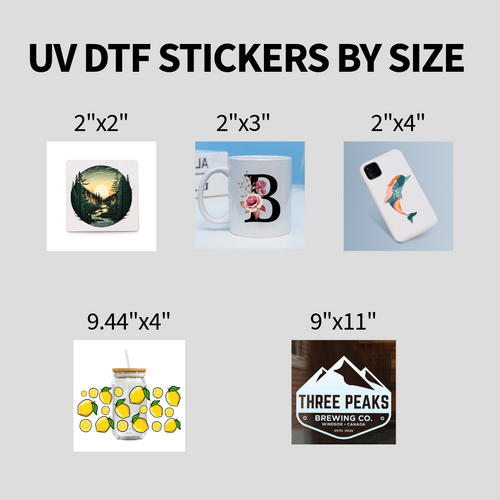
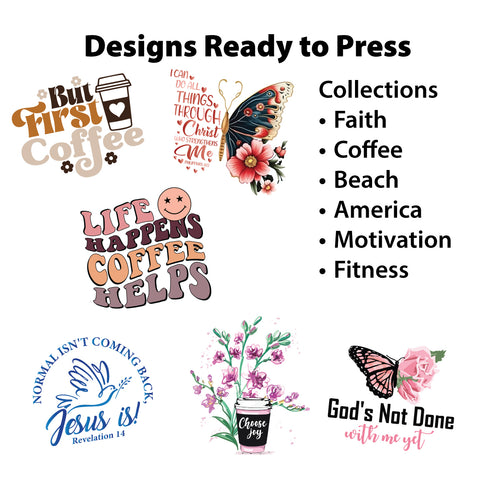


Ever seen a sticker that looks and feels less like a sticker and more like it was printed directly onto the product? That’s the magic of UV DTF stickers. We’re not talking about your average vinyl decals here. These are tough, premium transfers that let you apply vibrant, full-color designs to almost any hard surface, all without needing a heat press or tedious weeding.
Unlock Pro-Level Customization with UV DTF Stickers
Have you ever tried to get a complex, colorful logo onto a tumbler, a detailed illustration onto a phone case, or your brand name onto a metal keychain? The old ways often involved expensive equipment, messy processes, or results that just didn't have that professional pop. UV DTF stickers completely change the equation. They offer a simple way to apply incredibly durable, high-fidelity graphics to a massive range of products.
Think of it as getting the best of both worlds: the easy application of a sticker combined with the sharp, permanent finish of direct-to-object printing. It’s no wonder this method has become the go-to for small businesses and creators who need top-tier results without a complicated setup.
Why Are They So Popular?
The demand for on-demand, personalized products is exploding, and with it, the need for better printing methods. The market for direct-to-film printing systems, which includes UV DTF technology, was valued at USD 293.0 million in 2025 and is expected to hit USD 467.0 million by 2033. You can read more about this growing market and what's driving the shift.
This technology makes it possible for anyone to create premium custom goods. The key advantages are hard to ignore:
- No Weeding or Heat Needed: Forget picking out tiny pieces of vinyl or firing up a heat press. This saves a massive amount of time and hassle.
- Vibrant, Full-Color Graphics: UV-cured inks deliver stunningly bright and detailed images. Gradients, photos, and intricate designs come out looking sharp and clean.
- Seriously Durable: Once applied, the design is scratch-resistant, waterproof, and permanently bonded to the surface. It’s perfect for items that get handled a lot.
- Works on Almost Anything: These stickers stick beautifully to glass, metal, plastic, ceramics, sealed wood, and more, opening up endless product possibilities.
The real power of UV DTF stickers is that they level the playing field. Small businesses can now produce retail-quality custom products that, until recently, were only possible for large companies with expensive, specialized machinery.
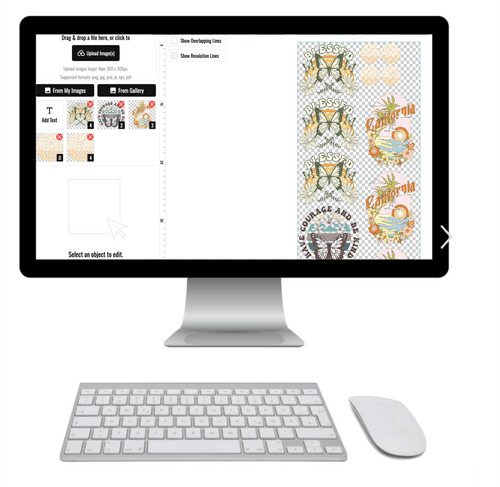
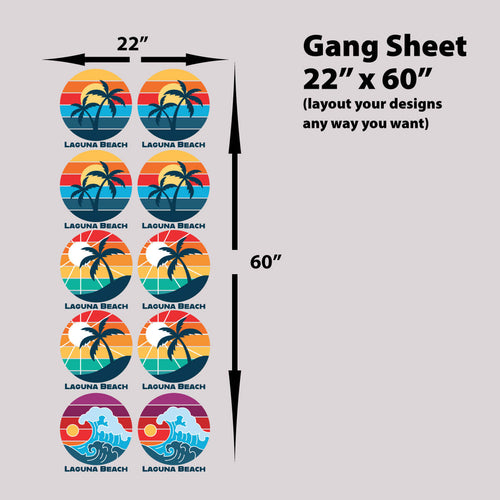
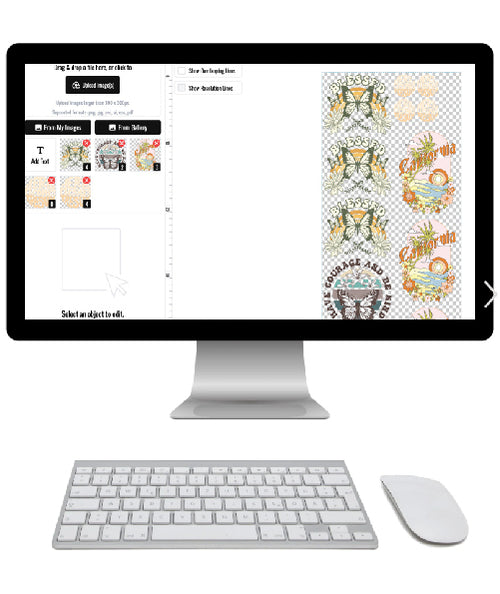
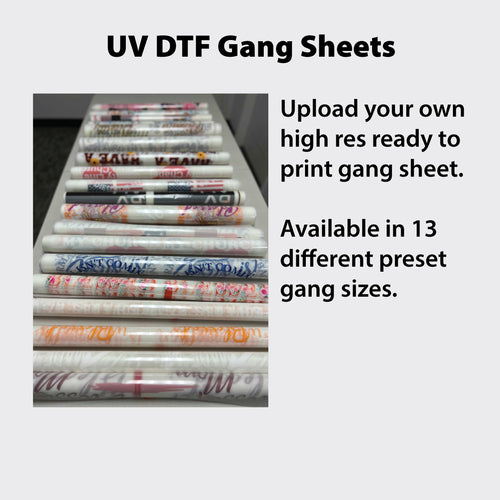
To help you get the most out of every print, we developed an Auto-build gang sheet builder. This tool is a lifesaver for anyone producing multiple designs. Just upload your files, and it automatically arranges your graphics onto a single sheet to maximize every inch of space. It’s not just user-friendly—it’s a cost-effective way to get more value from every single order, pushing creative boundaries for everyone.
For a quick breakdown, here’s a look at what makes these stickers such a great choice for businesses.
UV DTF Sticker Key Features at a Glance
| Feature | What It Means for You | Business Advantage |
|---|---|---|
| No Heat or Weeding | A simple peel-and-stick application process that saves you time and labor. | Faster production times and lower labor costs mean higher profit margins and quicker order fulfillment. |
| Vibrant, Full-Color | Reproduce complex logos, photos, and gradients with stunning clarity and brightness. | Offer premium, high-value products that stand out from the competition and attract more customers. |
| Extreme Durability | Designs are scratch-resistant, waterproof, and permanent once applied. | Create long-lasting promotional goods and retail products that build brand trust and customer satisfaction. |
| Surface Versatility | Apply to glass, metal, plastic, wood, ceramics, and more. | Expand your product catalog into new markets without needing different equipment for each material. |
| On-Demand Production | Print small batches or one-off custom items without high setup costs. | Cater to the growing demand for personalized goods and test new product ideas with minimal financial risk. |
As you can see, the benefits go far beyond just looking good. UV DTF stickers offer practical advantages that can directly impact your workflow, product quality, and bottom line.
The Simple Process of Applying UV DTF Stickers
While the tech behind creating UV DTF stickers involves some pretty advanced layering and curing, the actual application is surprisingly simple. These aren't your typical decals that need heat or a bunch of special tools. Instead, it’s a straightforward rub-on transfer that gives you a permanent, high-quality finish on almost any hard, non-porous surface.
Think of it like a professional-grade temporary tattoo for your products—super easy to apply, but built to last. All the magic happens during the printing process, where layers of adhesive, ink, and a protective varnish are perfectly combined. This creates a ready-to-apply transfer that moves your design flawlessly from the film to your item.
This diagram breaks down how it's made: layering the ink, adding a glossy varnish, and getting the design ready on the transfer film.
 Every single step is crucial for making a vibrant, tough design that peels off clean and sticks for good.
Your Step-By-Step Application Guide
Getting a flawless, bubble-free application is easy if you just follow a few simple steps. With a little care, even a total beginner can get results that look like the design was printed directly onto the object.
Here’s the breakdown:
-
Prepare Your Surface This is the most critical step for a strong bond. Clean the surface thoroughly with isopropyl alcohol to get rid of any dust, oils, or grime. Make sure it’s completely dry before moving on.
-
Position and Press Carefully peel the white backing paper away from the sticker. The design should stay attached to the clear carrier film. Line it up on your item and press down firmly, starting from the center and smoothing your way out to push out any air bubbles.
-
Rub and Secure Grab a squeegee or just use your fingers to firmly rub over the entire design. You want to apply consistent pressure to make sure every bit of the adhesive makes contact with the surface. This is what activates the bond.
-
Peel to Reveal Slowly peel the clear carrier film away at a sharp angle. If you see any part of the sticker lifting up, just lay the film back down, rub over that spot again, and then continue peeling. What you’re left with is a crisp, durable graphic with no background—just your design.
For curved surfaces like tumblers or mugs, start applying the sticker from the middle and slowly press it down around the curve. This little trick helps prevent wrinkles and ensures the design molds perfectly to the item's shape.
Making It Easy and Cost-Effective
Applying one sticker is a piece of cake, but what about when you’re juggling dozens of different logos or designs? This is where planning your print layout is a game-changer for saving time and money.
For businesses and creators managing a bunch of different designs, our Auto-build gang sheet builder is an absolute must-have. You just upload all your graphics, and it automatically arranges them to fit perfectly on a single sheet, cutting down on wasted space. It’s not only a more affordable way to print, but it also simplifies your workflow by having all your designs ready to go on one sheet.
You get more stickers for your money without making the application process any harder. For a complete walkthrough and more tips, check out our full UV DTF sticker application guide.
Comparing UV DTF Stickers to Other Methods
Choosing the right way to customize your products can feel like standing in a hardware store with a dozen different tools that all seem to do the same thing. You've got adhesive vinyl, waterslide decals, sublimation, and now, UV DTF stickers. Each one has its place, but they definitely aren't interchangeable.
Think of it this way: you wouldn't use a sledgehammer to hang a picture frame. The best method always depends on what you're making, how complex your design is, and the finish you're after. Let's break down where UV DTF shines and how it stacks up against the old favorites.
UV DTF Stickers vs Adhesive Vinyl
Adhesive vinyl is a classic for a reason. It's everywhere, it's affordable, and it gets the job done for simple shapes and letters. But the second your design gets complicated, the work piles up. Every single color in a vinyl decal is a separate piece you have to cut, weed out the tiny, annoying bits, and then perfectly align layer by layer. It's a true test of patience.
This is exactly where UV DTF flips the script.
- Zero Weeding. Ever. A UV DTF sticker is a single, complete transfer. Whether it’s a design with floating letters, tiny speckles, or a dozen colors, it all applies in one go. The whole weeding process is just… gone.
- Color and Detail Vinyl Can't Touch. Vinyl is stuck with solid colors. Trying to create a smooth gradient or a photorealistic image is pretty much off the table. UV DTF printing, on the other hand, was built for full-color, high-resolution graphics that pop with incredible detail.
- A More Permanent Bond. Good permanent vinyl is tough, but a UV DTF transfer feels less like a sticker and more like it was printed directly onto the item. The finish is incredibly durable and scratch-resistant.
For anyone producing products in batches, the time saved by skipping the weeding step is a game-changer. A design that takes an hour to layer with vinyl can be perfectly applied in under a minute with a UV DTF transfer.
UV DTF Stickers vs Waterslide Decals
Waterslide decals are the go-to for hobbyists, especially for model-making and ceramics, because they create a super thin graphic that almost melts into the surface. But getting there can be a delicate, often frustrating, process. You have to soak the decal in water, slide it off the backing paper without it tearing or folding over on itself, and then squeegee out every last bubble.
Even then, the job isn't done. Waterslide decals are fragile and need a top coat of epoxy or sealant to have any chance of surviving daily use. UV DTF stickers offer a much tougher and simpler alternative. It’s a dry, rub-on application that creates a permanent bond right away—no water, no waiting, and no extra sealing required.
UV DTF Stickers vs Sublimation on Hard Goods
Sublimation is magic for certain items. It turns solid ink into a gas that fuses directly into a surface, leaving a permanent design with absolutely zero feel or texture. The catch? It only works on items that have a special polyester coating, and you need a white or very light-colored surface for the design to show up properly.
This is where UV DTF stickers completely break free. You can apply them to almost any hard surface—glass, metal, plastic, sealed wood, acrylic—regardless of its color or whether it has a special coating. This opens up a massive world of products that you simply can't customize with sublimation. For a deeper dive into how different transfer technologies stack up, especially for apparel, you can explore the differences between DTF and DTG printing.
Choosing Your Customization Method
To make it even clearer, here’s a head-to-head comparison of how these methods stack up against each other.
| Method | Durability & Finish | Best for Color & Detail | Application Steps | Ideal Surfaces |
|---|---|---|---|---|
| UV DTF Stickers | Excellent. Raised, glossy, scratch-resistant finish. Very durable. | Excellent. Full color, gradients, and fine details. | Simple: Peel, stick, rub, and peel carrier film. No heat needed. | Glass, metal, plastic, wood, acrylic, and more (non-porous). |
| Adhesive Vinyl | Good. Can be durable, but prone to peeling at edges over time. | Limited. Best for solid colors and simple shapes. No gradients. | Complex: Cut, weed each color, layer, and apply with transfer tape. | Most smooth, non-porous surfaces. |
| Waterslide Decals | Poor (without sealant). Very fragile unless coated with epoxy. | Good. Can reproduce detailed images, but colors may be less vibrant. | Delicate: Soak in water, slide onto surface, and squeegee. Requires sealant. | Ceramics, plastics, glass, and model kits. |
| Sublimation | Excellent. Ink is infused into the surface, so it can't peel or crack. | Excellent. Vibrant, photorealistic images with zero texture. | Requires Heat: Print design, tape to item, and heat press. | Polyester-coated items or 100% polyester fabric (light colors only). |
Ultimately, while every method has its purpose, UV DTF offers a powerful combination of vibrant detail, incredible durability, and the freedom to customize almost any hard good you can think of.
As you get your projects lined up, remember that being efficient is just as important as the final quality. Our Auto-build gang sheet builder is designed to make the process easy and affordable, letting you pack multiple designs onto a single sheet to maximize your material and lower your costs.
Okay, we’ve covered the technical stuff. Now let's get to the fun part—seeing how these stickers can turn everyday items into awesome, high-margin products. The real magic of UV DTF stickers is just how versatile they are. They let you break free from only decorating flat things, opening up a whole world of objects that used to be a pain to customize.
Whether you're branding corporate swag or making one-of-a-kind art pieces, these stickers create so many new ways to grow your business and wow your customers. Let's dive into some of the most popular and profitable ways people are using this tech right now.

Elevate Promotional Products and Branding
The promo products industry is one of the biggest places you'll see UV DTF in action. Companies are tired of the same old boring swag and want something that actually stands out. A basic screen-printed logo just doesn't have the same impact anymore. UV DTF lets you apply super-detailed, full-color logos that look and feel premium.
- Pens and Keychains: Finally, an easy way to get crisp logos and tiny text onto small, curved items that are a nightmare for other methods.
- Tech Accessories: Brand power banks, phone grips, and USB drives with vibrant graphics that are tough enough to handle daily use.
- Corporate Gifts: Add a professional, high-end touch to stainless steel water bottles, notebooks, or award plaques with sharp, full-color designs.
This ability to work on so many different materials is why UV DTF is taking over. The advertising world needs vibrant, durable items, and this technology delivers. In fact, industry analysis shows that by 2026, DTF had already blown past traditional vinyl for complex, multi-color jobs. You can dig deeper into these market trends in this global UV DTF report.
Create High-Margin Custom Drinkware
Everyone loves custom drinkware, and the market for it is huge. UV DTF stickers are the perfect tool to get in on the action. Unlike sublimation, which needs a special polyester coating, you can slap these transfers on pretty much any mug, tumbler, or glass you can find. That blows your product options wide open.
You can create personalized glasses for a wedding party, brand mugs for a local coffee shop, or sell tumblers with unique artwork. The slightly raised, glossy feel of the sticker gives it a premium quality that customers notice—and are happy to pay extra for.
Think about it: a plain $5 tumbler can become a $25-$30 custom product in less than a minute. That’s an incredible return for such a small amount of work, making it a goldmine for small businesses.
Personalize Electronics and Hard Goods
People want to make their gear their own, from laptops and tablets to gaming controllers and headphones. UV DTF stickers offer a durable, semi-permanent way to add personality without the risk of a cheap decal peeling off in a week. Because the bond is so strong and scratch-resistant, it’s perfect for high-touch items that get tossed in a bag every day. This opens the door to things like:
- Custom Phone Cases: Offer intricate designs that wrap cleanly around the edges.
- Laptop and Tablet Skins: Apply large, vibrant graphics that look like they were painted on.
- Gaming Controller Mods: Add custom logos and graphics for a totally unique setup.
Since these stickers adhere to plastic, metal, glass, and sealed wood, your imagination is pretty much the only limit. You could be making custom acrylic signs for home decor, durable warning labels for industrial equipment, or unique designs for sporting goods. Whatever it is, UV DTF delivers a professional finish every time.
For any of these projects, being efficient with your designs is how you make money. Using our Auto-build gang sheet builder is a game-changer. It lets you pack a bunch of different designs onto a single sheet, which cuts down on waste and makes ordering dozens of custom graphics super affordable.
How to Prepare Files for Perfect Sticker Prints
A brilliant final sticker always starts with a high-quality digital file. Getting your artwork ready for the printer is easily the most important step in making sure your UV DTF stickers come out looking sharp, vibrant, and totally professional. It might sound a bit technical, but it’s actually pretty straightforward once you know what to look for.
The goal is simple: give the printer exactly what it needs to bring your vision to life. This means nailing the details like resolution, file format, and making sure your background is transparent. Getting these right is how you avoid common headaches like blurry images or those dreaded white boxes around your design.

Key File Requirements for Crisp Prints
To sidestep any printing disasters, your artwork needs to hit a few industry-standard specs. Think of these as the recipe for a perfect print. Following them ensures that what you see on your screen is exactly what you get on your sticker.
Here are the essential ingredients for a print-ready file:
-
Resolution of 300 DPI: DPI stands for "Dots Per Inch," and it's all about pixel density. A higher DPI gives you a much sharper, more detailed print. While 72 DPI looks fine on a screen, it will come out pixelated and blurry when printed. Always, always design and export your files at 300 DPI.
-
Transparent Background: Your design should float freely without any background color unless that color is actually part of your art. To make this happen, you have to save your file with a transparent background. If you don't, the printer will just add an unwanted white or black box around your entire design.
-
PNG File Format: The best file for the job, hands down, is a PNG (.png). It’s the go-to because it supports high resolutions and—most importantly—it can handle that critical transparency. JPEGs, on the other hand, can't do transparency and will automatically flatten your design onto a white background.
Submitting a file with low resolution or a solid background is probably the most common mistake we see. Always double-check that your design is set to 300 DPI and saved as a PNG with transparency enabled before you upload it.
Maximize Value with Our Auto-Build Gang Sheet Builder
Juggling multiple designs for different projects can get messy and expensive real fast. Printing every single sticker individually is a huge waste of time and material. That's exactly why we built our Auto-build gang sheet builder—a tool designed to save you a ton of time and money.
A gang sheet is just a large sheet where you arrange multiple designs to be printed all at once. Instead of ordering dozens of tiny, separate stickers, you can fit all your artwork onto a single sheet. Our builder makes this process dead simple. You just upload your PNG files, and the software automatically packs them in to use every last inch of space, which cuts down on waste and lowers your cost per sticker.
This isn't just about saving money; it’s about making your workflow smoother. You get all your different designs on one convenient sheet, ready to go. It's the perfect setup for businesses with varied product lines or any creator who wants to print a mix of designs in one shot. And if you're curious about other transfers, you can learn more about prepping files for custom heat transfer designs in our other guide.
The Future Is Custom with UV DTF Technology
Looking ahead, UV DTF stickers are shaping up to be far more than just another print trend. They represent a real shift in how we think about on-demand product customization. This technology is quickly becoming the go-to for creators who want to bring complex, durable designs to a huge range of products with surprising ease.
We’re already seeing innovations in ink and adhesive science that are pushing the limits. Soon, we’ll have formulas that stick to even more challenging surfaces, opening up new possibilities for everything from custom industrial equipment to one-of-a-kind home decor. This progress is breaking down the old barriers that used to stifle creativity.
Leveling the Playing Field for All Creators
One of the best things about UV DTF technology is how it evens the odds. Not long ago, creating high-quality custom goods meant sinking a small fortune into equipment and training, which put it completely out of reach for small businesses and solo makers.
Now, anyone can create products that look just as professional as those from massive operations. This has unleashed a new wave of entrepreneurship, allowing small brands to launch diverse, high-margin product lines without the crippling overhead. They can jump on market trends instantly with unique, personalized items.
The global UV DTF market is on track to hit roughly USD 1.5 billion by 2033, growing at a blistering 10.5% each year. This boom is being driven by industry leaders like Mimaki Engineering, which continues to roll out advanced printing systems. You can discover more insights about the market's explosive growth and what it means for creators like you.
Embrace the Future of Personalization
The message is clear: personalization isn't a niche anymore—it's what customers expect. UV DTF technology is the perfect tool to meet that demand, offering a powerful blend of simplicity, quality, and versatility. It's an open invitation to push your creative boundaries and build a brand that truly connects with people.
To make things even easier and more affordable, our Auto-build gang sheet builder streamlines the entire ordering process. You can arrange dozens of different designs onto a single sheet, getting the most out of every print run and dropping your cost per sticker. There’s never been a better time to start building your next great product line.
Got Questions About UV DTF Stickers? We've Got Answers
Once you start exploring what UV DTF stickers can do, you're bound to have a few questions. Knowing the real-world limits on durability, what surfaces they'll stick to, and how to care for them is key. Let's clear up some of the most common things people ask.
Are UV DTF Stickers Waterproof and Dishwasher Safe?
Absolutely. These stickers are extremely water-resistant and tough, which is why they're perfect for things like tumblers, mugs, and water bottles that get wet all the time. The combination of a super-strong adhesive and that hard, UV-cured finish creates a permanent bond that easily handles daily use.
That said, we always tell people to hand-wash anything with a UV DTF sticker on it. While they can take a splash, the intense heat, high-pressure jets, and harsh soaps in a dishwasher will eventually wear down the adhesive and dull that glossy finish. A gentle hand wash is the best way to keep your designs looking sharp.
Can I Use UV DTF Stickers on T-Shirts or Fabric?
This is a big one: no. UV DTF stickers are engineered strictly for hard, smooth, non-porous surfaces. Think glass, metal, hard plastics, ceramics, or sealed wood. The adhesive is made to form a rigid, permanent bond with those materials.
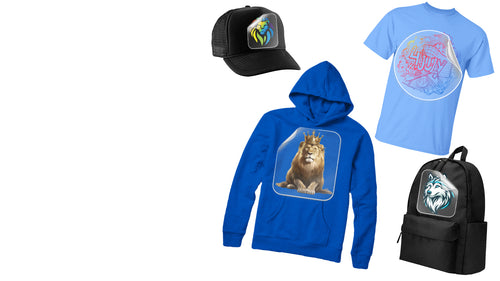
They are not made for anything soft or flexible like t-shirts, hats, or any kind of fabric. If you try it, you'll end up with a stiff, awkward decal that will crack and peel off almost right away. For clothing, you need to stick with traditional Direct-to-Film (DTF) transfers, which are applied with a heat press and are designed to be soft and flexible.
How Do I Remove a UV DTF Sticker?
Because these stickers are meant to be permanent, getting them off takes a little work. They aren't designed for easy removal. If you absolutely have to take one off a tough surface like glass or metal, you can start by gently heating it with a hairdryer to soften the glue.
Once it's warm, try to lift an edge with a plastic scraper or your fingernail. Go slow and peel it back carefully. If you're left with some sticky gunk, a little isopropyl alcohol on a cloth usually cleans it right up.
Important: Always test any cleaner or solvent on a small, hidden spot first to make sure it won’t damage the surface underneath.
Ready to create your own professional-grade custom products? At Lion DTF, we make it simple to bring your designs to life. Our Auto-build gang sheet builder is designed to be easy and cost-effective, letting you cram multiple designs onto one sheet to get the most bang for your buck.