



You've probably been there already. A customer wants shirts for a launch, a school event, a team order, or a small merch drop. You start looking at options and run into a wall of terms like DTF, HTV, screen transfers, gang sheets, hot peel, cold peel, and press settings. The shirts matter because your margin, your turnaround time, and your reputation all sit on that one decision.
That's why transfer sheets for shirts matter so much. They give you a way to decorate apparel without committing to every limitation of one print method. Some are better for one-off names and numbers. Some make sense for craft sellers. Some are built for businesses that need repeatable quality at scale.
The growth of DTF alone shows how fast this part of the apparel world is moving. The global market for Direct-to-Film decorated apparel was valued at $2.56 billion in 2023 and is projected to reach nearly $4 billion by 2030, with 1.2 billion t-shirts decorated using DTF in 2023 alone, according to Impressions Expo coverage of the DTF market forecast.
For a new business owner, that matters for one simple reason. The transfer method you choose affects how easy it is to sell, how often customers come back, and how often you end up redoing work that should have been right the first time.
The Ultimate Guide to Custom Shirt Transfers
Transfer sheets for shirts are easiest to understand if you think of them as a decorated layer that gets moved onto fabric with heat and pressure. The design is prepared first, then applied to the shirt later. That separates the print step from the pressing step, which gives you flexibility in production.
For a small shop, that flexibility can be the difference between chaos and control. You can print or order designs ahead of time, then press them onto different garments as orders come in. That helps when your customers want a mix of cotton tees, polyester jerseys, hoodies, and blends in the same batch.
Why transfers are a business decision
A lot of beginners treat transfer sheets like a craft supply choice. They're not. They're a business model choice.
If your goal is fast custom orders with lots of artwork variation, one transfer type will make more sense. If your goal is simple text names on team shirts, another might be easier. If your goal is scaling an online apparel brand without storing printed inventory, the transfer method changes your labor, waste, and reprint risk.
Practical rule: Pick the transfer method that fits the order pattern you want to handle every week, not just the job sitting in front of you today.
What usually confuses new buyers
Most confusion comes from three questions:
- How will it look? Buyers want to know if colors will pop, especially on dark shirts.
- How will it feel? Some transfers sit heavier on fabric than others.
- How will it hold up? Wash durability isn't just a quality issue. It affects refunds, complaints, and repeat business.
That's why it helps to stop thinking in terms of “What can print on a shirt?” and start thinking in terms of “What can I sell profitably without constant problems?”
Understanding the Main Transfer Sheet Types
Not all transfer sheets for shirts work the same way. Some are cut from colored material. Some are printed. Some are produced for quick hobby use. Others are built for professional order flow.
A simple way to think about each one
HTV is like cutting shapes out of colored film and pressing them onto fabric. It's straightforward for names, numbers, and simple logos.
DTF is closer to printing a full design onto a special film, then transferring that printed layer onto the shirt. It handles more detail and more colors.
Screen-printed transfers start with screen printing, but the ink is first printed onto transfer media and then heat applied later. They're often used when designs repeat.
Inkjet or laser transfer paper is the familiar entry point for many beginners. It can work for short runs and testing ideas, but it usually requires tighter expectations around finish and consistency.
Transfer Sheet Technology Comparison
| Transfer Type | Best For | Durability (Washability) | Color Range | Feel on Shirt |
|---|---|---|---|---|
| DTF | Full-color artwork, dark garments, varied order types | Strong when applied correctly | Wide color range with detailed graphics | Soft to moderate hand depending on coverage |
| HTV | Names, numbers, simple logos, specialty finishes | Good for simple designs | Limited by vinyl color choices | More noticeable layer |
| Screen-Printed Transfers | Repeat orders and consistent graphics | Strong for repeat commercial work | Good, especially for established designs | Familiar printed feel |
| Inkjet/Laser Transfer Paper | Hobby use, sampling, occasional small jobs | More variable | Depends on printer and media | Can feel heavier or less refined |
Where each type fits in a business
HTV for controlled simplicity
HTV works well when you're decorating shirts with short text, player names, or basic spot-color graphics. If you sell team add-ons or personalized pieces, it's useful because you can cut exactly what you need.
The tradeoff is labor. As designs get more detailed, HTV gets slower to weed, align, and press. That can eat into profit fast.
DTF for mixed orders and complex art
DTF makes more sense when customers send full-color logos, gradients, layered illustrations, or dark-shirt designs. It's especially practical when your orders vary from day to day and you don't want a separate setup for each artwork style.
Think of it as the method that handles variety without forcing you to redesign every file into simplified shapes.
Screen-printed transfers for repeatability
These are useful when a design stays the same across many garments. If you print the same camp shirt, fundraiser tee, or company graphic again and again, screen-printed transfers can fit that workflow.
But they're less flexible when every order has different art.
Inkjet and laser papers for entry-level use
These options can help with experimenting, learning placement, and making occasional shirts. They're often where people start because the equipment feels familiar.
The problem isn't whether they can work. It's whether they still make sense once customers start expecting professional consistency.
What new owners often miss
A transfer sheet isn't just about decoration. It determines how many touchpoints are in your workflow. More touchpoints usually mean more labor, more mistakes, and more wasted blanks.
That's why the “cheapest” method on paper often becomes the most expensive one in real production.
Why Hot-Peel DTF Is the Professional Choice
Hot-peel DTF stands out because it supports speed and detail at the same time. In a production setting, that combination matters more than people think. If you can peel immediately and move to the next shirt, your press stays active instead of waiting around.

Why shops lean toward DTF
The biggest strength of DTF is range. It can handle detailed, colorful artwork on dark or light garments without forcing you into the limits that come with simpler methods.
Material construction is part of that. DTF transfer sheets use PET film with a standard thickness of 75 to 100 microns, and the film is designed to release cleanly after curing and transfer within specific heat ranges, as described in this technical DTF film data sheet. For a shop owner, that translates into cleaner edges and more predictable application.
Why it fits profit-minded shops
Professional shops don't only care about print quality. They care about how many order types one process can absorb.
A hot-peel DTF workflow helps when you're printing:
- Brand merch with bold front graphics
- School and team apparel across mixed garment types
- Event shirts that need quick turnaround
- Online custom orders where every design is different
If you want a deeper look at workflow differences, hot-peel DTF transfers are worth reviewing in the context of production speed.
The fabric reality most sellers learn the hard way
DTF is engineered for strong adhesion across cotton, polyester, and tri-blends, and it can withstand 40 to 50 wash cycles, but fabric still matters. A 2025 study found that tri-blend garments can experience 22% faster print cracking than cotton, which is why tested transfers and fabric-aware pressing matter, as noted in this discussion of DTF pros and cons.
That's the business angle. If you sell fashion tees, fitness apparel, or soft retail blends, you can't assume every fabric behaves like standard cotton. The transfer choice affects complaint rates later.
How to Prepare and Order Your Transfer Sheets
A small shirt order can turn unprofitable before the press even warms up. The usual cause is not the transfer itself. It is poor file setup, wasted gang sheet space, or ordering the wrong format for the way your shop sells.
That is why preparation is a business step, not just a design step. Clean files reduce reprints. Smart sheet planning lowers cost per print. Better ordering choices help you say yes to more order types without creating production headaches.
The file setup that protects quality
For professional results, your DTF file should be 300 DPI at print size, saved as a PNG with a transparent background, built in CMYK color mode, and any fonts should be converted to outlines.
Each of those settings solves a specific problem:
- 300 DPI at size keeps edges cleaner and small details more readable
- Transparent PNG prevents unwanted background blocks
- Outlined fonts stops type from changing if the print provider does not have your font file
- CMYK artwork matches the way most digital art is created for print
A simple test helps. View the art on your screen at the exact size it will print. If it looks rough there, it will look rough on the shirt too.
Why gang sheets matter to your margins
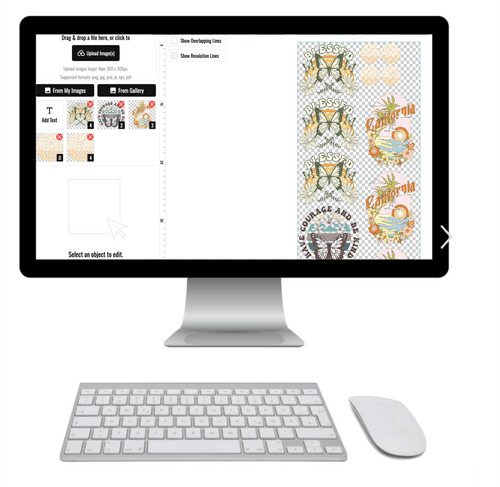
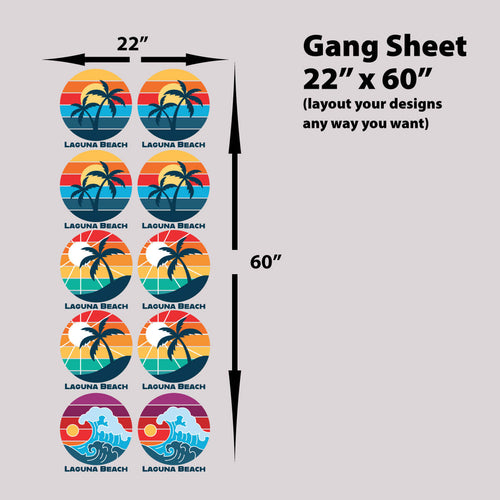
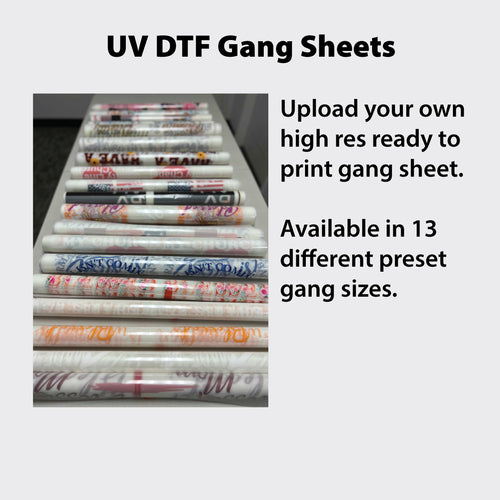
A gang sheet is one larger sheet filled with multiple designs, logo placements, or size variations. It works like packing orders into every open spot in a delivery truck. Empty space still costs money.
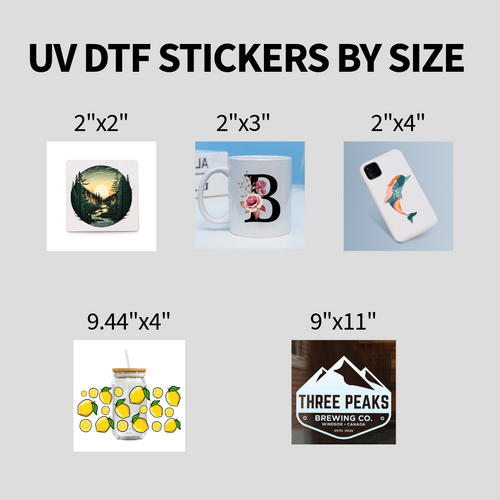
For a new apparel business, this is one of the fastest ways to control margin. If you sell left chest logos, sleeve prints, and full fronts, combining them on one sheet can lower waste and make better use of every print run.
Sheet format matters too. STAHLS' transfer sizing guide is useful for understanding how common print areas change by garment and placement. That helps you decide whether you need small repeated logos, larger front graphics, or a mix of both on the same sheet.
Order based on your business model
The right ordering method depends on how you make money.
If you run a local shop with repeat jobs, gang sheets help you batch logos and standard placements at a lower cost per print. If you sell one-off online orders, prebuilt transfer layouts can keep production simpler and reduce setup time. If you handle events or team orders, larger sheets give you room to group names, numbers, and chest prints in one purchase.
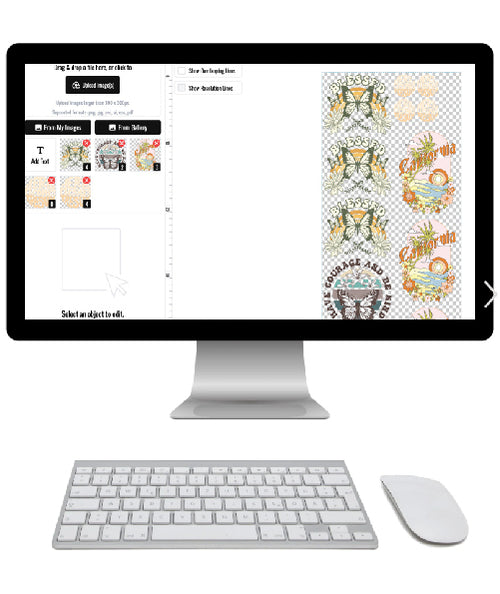
If you are comparing suppliers, this guide on where to order DTF transfers for different production needs can help you match the ordering format to your workflow. For day-to-day production, our Auto-build gang sheet builder is the practical shortcut because it places designs in a way that is easier to manage and more cost-effective, especially when you are mixing left chest logos, sleeve hits, and full-front prints in one run.

A quick pre-order checklist
Before you upload anything, check these:
- Artwork size matches the intended print size
- Background removal is complete
- Spacing is sufficient if you're building a gang sheet
- Small details are still readable at final size
- Garment type is known before pressing decisions are made
Shops usually blame the press for problems that started in the artwork or ordering stage. Clean prep gives you better print quality, fewer remakes, and a more predictable profit on every shirt.
A Simple Guide to Pressing Your Transfers
You have the artwork ready, the shirt on the platen, and a customer waiting on a reorder that needs to look identical to the first batch. This stage decides whether that order stays profitable. A transfer can be printed perfectly and still fail on the press if your settings are inconsistent.

A heat press works like a three-part clamp. Heat softens the adhesive, pressure pushes it into the fabric, and time gives that bond long enough to form. If one part is off, the shirt may look fine for a day and come back after a few washes. For a shop owner, that means remakes, refunds, and wasted labor.
The basic press sequence
Start with a repeatable routine:
- Pre-press the garment to remove moisture and flatten the print area
- Place the transfer carefully and check alignment before closing the press
- Press using settings that match the fabric
- Peel the film as directed by the transfer type
- Re-press to smooth the print and improve the final feel
Those steps sound simple because they are. The hard part is doing them the same way every time.
Hot-peel DTF is popular in production because it keeps the line moving. You press, peel while warm, and finish with a short second press. If you need a practical starting point for different fabric types, this guide to heat press settings for DTF is a useful reference.
Cotton, polyester, and blends do not behave the same
Cotton gives you more room for error. It handles heat well and usually accepts transfers without much drama.
Polyester needs more care. Too much heat can leave marks, create dye migration, or change the surface of the shirt. Blends sit in the middle, but they still deserve a test press because two shirts with the same fiber label can react differently based on weave, finish, and brand.
That is why profitable shops do not treat press settings like a fixed recipe. They treat them like machine setup. Once you find the right combination for a garment, write it down and use it again. Consistency protects margin.
Before the video, here's the main thing I'd tell any beginner. Treat pressing like calibration, not guesswork.
Why the final press matters
New decorators often stop after the peel because the design already looks attached. That shortcut costs them later.
The second press helps settle the adhesive, smooth the surface, and give the print a more finished hand feel. It also makes the result look more consistent across a full run, which matters if you are selling to teams, brands, or repeat customers who notice small quality changes.
A transfer is fully finished after the second press sets the print into the garment surface.
If you are choosing between transfer types for your business, this step matters too. A method that presses cleanly, quickly, and predictably is easier to scale than one that demands constant correction. Good pressing technique is not just about application quality. It is part of your cost per shirt, your remake rate, and your customer satisfaction after wash day.
Troubleshooting Common Issues and Care Tips
Most shirt transfer problems fall into a few buckets. Edges lift. Prints crack. Colors look less lively than expected. In almost every case, the fix starts with diagnosis, not guesswork.

When prints crack or look dull
Cracking can come from under-pressing, fabric mismatch, or customer care habits after sale. Dull color can come from poor file prep, uneven pressure, or a transfer that wasn't applied under stable conditions.
Work through the basics in order:
- Check the press platen: Make sure the shirt is flat and seams aren't disrupting pressure.
- Confirm the garment fabric: A soft retail blend may need more caution than standard cotton.
- Review peel method: Don't assume the same peel timing works across every shirt body.
- Use the re-press: It helps the finished layer settle and hold more cleanly.
Care instructions worth giving customers
A lot of refund prevention happens after the shirt leaves your shop. Include simple wash instructions with every order.
Tell customers to:
- Wash inside out to reduce abrasion on the printed surface
- Use cold water instead of hot
- Choose mild detergent and avoid harsh additives
- Air dry or use low heat rather than high dryer heat
Those steps are easy to follow, and they help protect the print over time. They also show customers that your shop pays attention to finish quality, not just the sale.
Which Transfer Sheet Is Right for Your Project
The right choice depends less on what looks interesting and more on how you plan to make money.
For hobby sellers and side hustles
If you're making occasional shirts, testing designs, or learning placement, simple transfer paper or small DTF orders can make sense. The key is staying realistic about finish quality, labor, and consistency.
If your orders are small but your artwork is full color, DTF usually gives you more room to grow without changing your whole process later.
For growing apparel brands
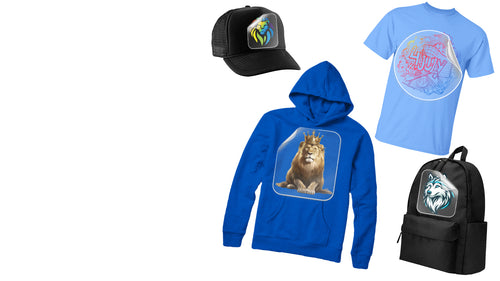
If you run an eCommerce store, sell merch, or take custom client orders, DTF usually fits the business better because it handles variety. You can place the same transfer on different shirt styles, hold transfers until orders come in, and use gang sheets to control waste.
That combination matters because scalable shops need fewer bottlenecks, not just nice-looking prints.
For schools, teams, and event organizers
These buyers often need different garment types in one order. Some shirts may be cotton. Others may be polyester or blends. A transfer method that can move across those fabrics with fewer setup changes is often the smarter operational choice.
That's also where gang sheet planning pays off. Small logos, sleeve prints, and front graphics can all live on the same sheet if the order is built carefully.
A practical way to decide
Choose based on these questions:
- Do I need full-color artwork or simple lettering?
- Will I decorate one garment type or several?
- Do I need one shirt, a short run, or repeatable production?
- Can I afford reprints if wash performance disappoints the customer?
If your business depends on custom graphics, varied shirt types, and predictable output, transfer sheets for shirts stop being just a production tool. They become part of your pricing strategy, your workflow, and your customer retention.
If you need a source for custom apparel transfers, Lion DTF Transfers offers DTF transfers, gang sheets, and upload-based ordering for shops, brands, event organizers, and makers who want a straightforward way to move from artwork to ready-to-press prints.