


You've got a design ready. Maybe it's for a new brand drop, a school fundraiser, a company event, or a client who needs shirts fast. Then you start looking at production options and hit the usual wall of acronyms. DTF, DTG, HTV, screen printing, sublimation. Every method sounds like the right one until you look closer.
That's where most mistakes happen. People choose a print method based on what they've heard, not on the fabric, artwork, run size, and margin they need. In t shirt printing, the process matters just as much as the design. A method that works well for bulk team tees can be the wrong choice for a small merch launch. A process that looks great on cotton can fail on polyester. And a cheap-looking decision upfront can cost more once you factor in setup time, waste, and reprints.
Your Guide to Modern T Shirt Printing
Custom apparel isn't a niche anymore. The market is large, competitive, and moving toward digital production. The global custom t-shirt printing market was valued at $5.16 billion in 2024 and is projected to reach $9.82 billion by 2030, with digital printing methods like DTG and DTF driving that growth at a 12.5% CAGR according to Printful's t-shirt industry statistics.
That shift makes sense from a shop-floor perspective. Buyers want shorter runs, faster turnarounds, more design variation, and less dead inventory. Traditional methods still matter, but digital workflows fit the way most small businesses and creators sell now. They're testing designs, running preorders, personalizing names and numbers, and reordering in small batches instead of sitting on boxes of unsold shirts.
What actually matters when choosing a method
Most buyers care about five things:
- Fabric compatibility. Cotton, polyester, blends, fleece, and performance wear don't all print the same.
- Artwork complexity. A simple one-color logo needs a different approach than a full-color illustration.
- Run size. One shirt, twenty shirts, and five hundred shirts are three different production jobs.
- Hand feel. Some prints sit softer in the garment. Others sit more on top of it.
- Operational efficiency. Setup time, file prep, pressing time, and waste all affect profit.
Practical rule: Don't ask which print method is best in general. Ask which method fits this garment, this artwork, and this order.
A lot of modern t shirt printing decisions come down to one question. Do you need flexibility, or do you need scale on a narrow type of job? If you're a creator, small business, side hustle, or shop handling mixed orders, flexibility usually wins. That's why DTF keeps showing up as the method that solves more real-world problems with fewer compromises.
Comparing 5 Key T Shirt Printing Methods
The easiest way to understand print methods is to think about how the image gets onto the garment.
Screen printing uses a stencil system. Ink is pushed through a screen onto the shirt. It's reliable, durable, and efficient for repeat runs, especially when the design is simple.
DTG, or direct-to-garment, works like printing straight onto fabric. It handles detail well, especially on cotton, but the garment and the print conditions have to be right.
DTF, or direct-to-film, prints the design onto film first, then transfers it to the shirt with heat. That extra step gives it broad fabric compatibility and strong day-to-day versatility.
HTV, or heat transfer vinyl, starts with colored vinyl cut into shapes or letters and pressed onto the garment. It's useful for names, numbers, and straightforward graphics.
Sublimation turns dye into gas and bonds it into polyester. It produces a very soft result, but it's tied to the right garment type.

What each method is really for
Some methods look good in a sample pack but become frustrating in production.
- Screen printing shines when the job repeats cleanly. If you're printing a stack of event shirts with a simple logo, it's hard to argue with it.
- DTG is useful when detail matters and the garment is a good fit for the process.
- DTF handles mixed fabrics and small-run variety without forcing you into heavy setup.
- HTV is practical for personalization and bold spot-color work, but not for complex full-color art.
- Sublimation is excellent on the right polyester garment and the wrong choice on cotton.
For a more focused breakdown of two of the most common digital options, this DTF vs DTG printing guide is worth reviewing before you choose equipment or order transfers.
T-Shirt Printing Method Comparison
| Method | Best For | Feel on Shirt | Durability (Washes) | Setup Cost |
|---|---|---|---|---|
| DTF | Small runs, mixed garments, full-color designs | Light layer on top of fabric | Strong with proper pressing and care | Low to moderate |
| DTG | Detailed artwork on cotton garments | Softer feel in fabric | Good when garment and prep are right | Moderate |
| Screen Printing | Bulk orders, simple graphics | Depends on ink load | Very durable | Higher upfront setup |
| HTV | Names, numbers, simple text | Noticeable layer | Good for the right applications | Low |
| Sublimation | Polyester performance wear, all-over style visuals | Very soft, part of fabric | Very durable on the right substrate | Moderate |
Where people misjudge the trade-offs
The common mistake is comparing methods by one factor only. Buyers fixate on softness or color vibrancy and ignore everything else. Shops do the opposite and focus only on production speed.
A print method isn't good because it can make a nice sample. It's good because it can make repeatable, profitable orders without surprises.
That's why modern t shirt printing decisions should be operational, not theoretical. The best method is the one that still works when the client changes garment colors, adds youth sizes, mixes cotton with poly blends, or asks for a second design on the same order.
The DTF Advantage for Creators and Businesses
DTF has become the method I point people toward when they need one workflow that covers the most ground. Not every job belongs to DTF, but a surprising number do. It handles the mixed, unpredictable order types that newer brands and smaller shops see every week.

Why DTF fits modern order patterns
Most small businesses don't print one design on one shirt style forever. They test drops. They sell online. They mix garment types. They need black tees, ash hoodies, poly blends, tote bags, and staff polos in the same week.
DTF works well in that environment because it doesn't box you into one fabric category. You're not limited the way you are with sublimation, and you're not as constrained by garment composition as you are with DTG. That flexibility matters more than people realize until the order sheet gets messy.
Where DTF beats the alternatives
Screen printing still makes sense for long repeat runs with simple artwork. But if you're dealing with short runs, frequent design changes, or full-color graphics, the setup overhead stops looking attractive. HTV handles simple lettering well, but it becomes slow and tedious when the artwork gets layered or detailed.
DTG can produce beautiful results, especially on cotton. The issue is that many real orders aren't ideal cotton-only jobs. DTF holds its value because it's practical. Full-color art, dark garments, light garments, cotton, polyester, blends. One workflow can cover all of it.
A few advantages stand out in daily use:
- Less friction on mixed orders. You don't need a separate strategy every time the garment changes.
- Strong visual range. Fine details, bold graphics, and multi-color art all fit the process.
- Cleaner labor flow. You avoid a lot of the repetitive cutting and weeding that slows down vinyl-based production.
- Better small-batch economics. Short runs don't punish you the way some traditional methods do.
Who should lean toward DTF
DTF is a smart fit for:
- Merch sellers who need variety without holding finished inventory
- Print shops handling custom requests across different garment types
- Schools and teams ordering logos, names, and mixed apparel
- Agency and promo buyers who need fast artwork changes and dependable repeatability
If your work is mostly simple bulk orders on the same shirt style, screen printing may still be the right lane. But if your business lives on variety, deadlines, and design turnover, DTF usually gives you the cleaner path.
How to Maximize Your ROI with Gang Sheets
Most apparel jobs don't lose money because of the print itself. They lose money through wasted layout space, extra handling, and slow prep. That's why gang sheets matter.
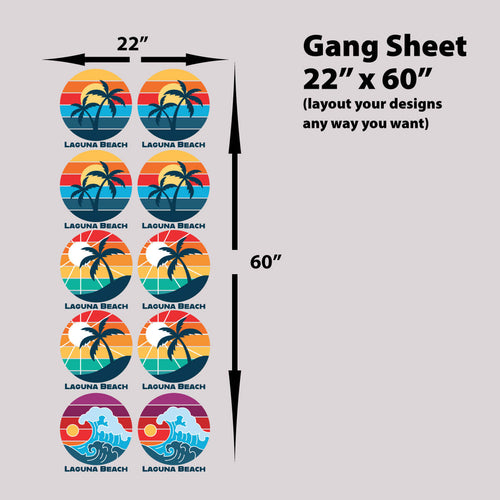
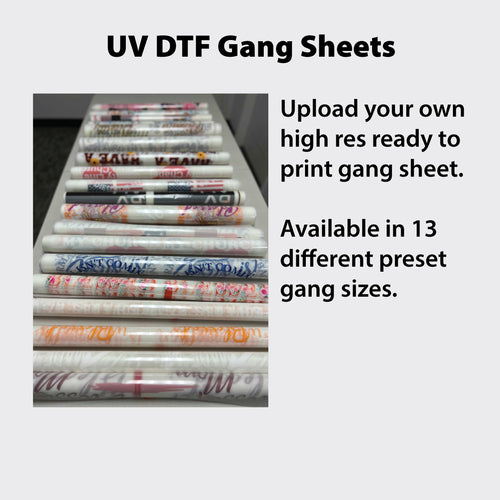
A gang sheet is one larger sheet that holds multiple designs arranged together for production. Instead of ordering each transfer as a separate piece, you combine logos, left chest prints, sleeve hits, youth sizes, back graphics, and extras onto one sheet. That lowers waste and gives you more usable output from the same order.

Why gang sheets change the math
If you've ever built layouts manually, you know where the time goes. You resize one graphic, move another, rotate a pocket print, try to fit a second logo into an empty corner, then repeat because one file came in larger than expected. That's labor. It also creates mistakes.
Gang sheets help in a few direct ways:
- They reduce dead space on the sheet.
- They group jobs efficiently so one order can cover multiple placements.
- They make reorders easier because your layout logic is already organized.
- They support smaller businesses that can't afford waste on short-run work.
For shops and sellers ordering transfers instead of printing them in-house, this DTF gang sheets overview explains the workflow clearly.
When auto-building saves more than manual layout
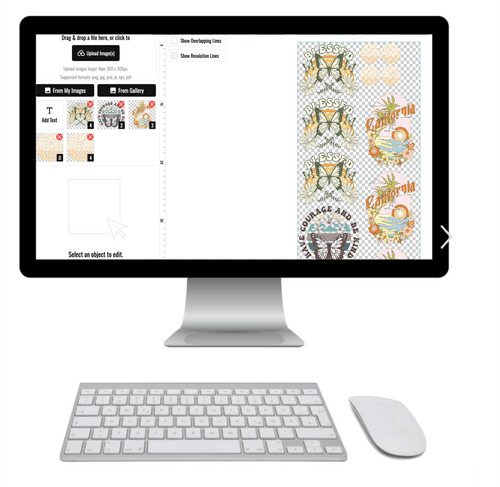
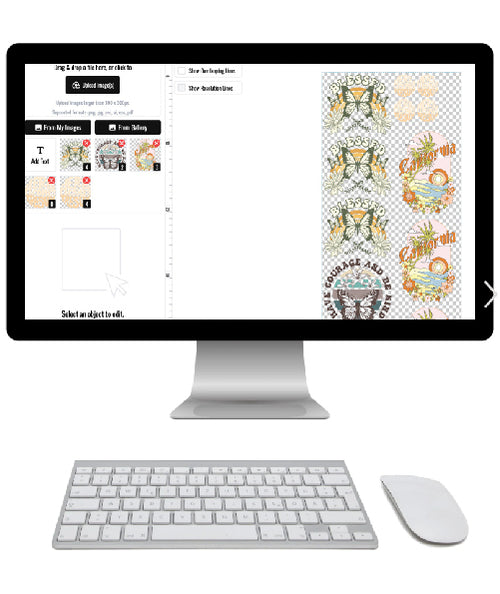
Manual ganging works when you have time and patience. It doesn't work well when you're juggling multiple customers, multiple sizes, and deadline pressure. That's where an Auto-build gang sheet builder earns its place.
Instead of dragging every design around by hand, you upload the artwork and let the builder place it efficiently. That's easier for beginners, but it also helps experienced shops avoid wasting time on layout tasks that don't add creative value.
One practical option is Lion DTF Transfers, which includes an Auto-build gang sheet builder for arranging multiple designs into one sheet for ordering. For a shop owner, that matters because layout speed affects quoting, turnaround, and margin just as much as print quality does.
Here's the bigger point. Gang sheets aren't only a production tool. They're a pricing tool. If you want better ROI in t shirt printing, you need to think in sheet usage, not only in piece count.
A quick visual walkthrough helps if you haven't used this workflow before:
A simple way to use gang sheets well
Start with the order, not the artwork folder.
- Group by placement. Separate full front, left chest, sleeve, neck label, and back prints first.
- Standardize likely sizes. If the same logo appears on adult and youth garments, check dimensions before building the sheet.
- Fill awkward spaces intentionally. Small extras like tags or test prints can fit where larger designs can't.
- Keep reorders in mind. A sheet that looks tidy usually reprints more cleanly later.
Empty space on a gang sheet is usually a planning problem, not a printing problem.
Design and Ordering Tips for Perfect Prints
Bad artwork creates bad transfers. That sounds obvious, but it's still the most common avoidable failure in t shirt printing. A file can look sharp on a laptop and still print soft, jagged, or muddy because the print dimensions weren't built correctly.
For production-ready t-shirt graphics, 300 DPI at the final print size is the standard. For a 12-inch wide chest print, the artwork should be at least 3600 pixels wide to avoid visible pixelation and preserve sharp edges, as noted in Printful's t-shirt design tips.

The file rules that save orders
If you only remember a few prep rules, make them these:
- Build at final size. Don't send a small file and expect the printer to enlarge it cleanly.
- Use transparent backgrounds when needed. PNG files are often the easiest option for digital transfer workflows.
- Keep edges intentional. Halos, rough cutouts, and accidental background pixels show up fast on garments.
- Convert text before sending when possible. Missing fonts can change a design without warning.
Color expectations need management
Color is where buyers often get surprised. A design on a backlit screen doesn't behave the same way on fabric under heat. The common gap isn't just artwork quality. It's proofing and expectation control across screens, film, fabric, and press conditions.
One practical source of trouble is that screen color and printed color don't always line up perfectly. Transfer workflows can shift, and CMYK-based setup is often recommended to reduce surprises, but the larger issue is process variation, as discussed in Transfer Express guidance on common t-shirt printing mistakes.
A clean ordering checklist
Before you upload art, check this:
| Check | What to confirm |
|---|---|
| Size | Final print dimensions match the placement you want |
| Resolution | File is built at production quality, not web preview size |
| Background | Transparent if the design shouldn't print a box behind it |
| Color | You understand that fabric and process can affect the final look |
| Placement | Chest, sleeve, neck, and back graphics are supplied intentionally, not guessed |
If brand color accuracy is critical, treat proofing as part of production, not as a formality after the file is already approved.
The buyers who get clean results usually aren't better designers. They're more disciplined about file prep.
Pressing and Caring for Your Custom Apparel
A good transfer can still fail if the garment isn't pressed correctly. Consequently, many new sellers lose confidence. They assume the transfer was the problem when the actual issue was uneven pressure, poor prep, or a bad pressing surface.
Pressing on flat areas versus difficult garments
Standard tees are straightforward. Hoodies, polos, onesies, pocket tees, and zip garments are not. Garment geometry matters more than many beginners expect. Printing across seams, zippers, or pockets is often impractical with a heat press because uneven pressure can prevent proper adhesion, as noted in this overview of wrap-around and hard-to-print garment geometry.
That means placement has to be realistic. A client may ask for a logo that crosses a pocket edge or runs into a zipper channel. Sometimes the correct answer is no. Sometimes it's a redesign. A professional print result starts with choosing an area the press can hit evenly.
Pressing habits that prevent failures
Use a pressing workflow, not guesswork.
- Pre-press the garment to remove moisture and flatten the fabric.
- Check the pressing surface so seams, collars, and thick hems aren't lifting the print area.
- Apply firm, even pressure instead of forcing a design onto an uneven section.
- Test difficult blanks first before committing a full order.
- Use process-specific settings from your transfer provider, not a random heat press chart from a different material.
If you need a settings reference tied to transfer use, this heat press settings for DTF guide is a practical starting point.
Care instructions you should pass to customers
After pressing, garment care matters. Keep the message simple:
- Wash inside out to reduce abrasion on the print surface.
- Use cold water when possible.
- Avoid harsh treatment like aggressive washing cycles or very high dryer heat.
- Let the print fully settle before heavy wear and washing.
The easiest way to protect print quality is to prevent friction and excessive heat after the shirt leaves your shop.
Shops that build care instructions into every order usually deal with fewer avoidable complaints.
Common T Shirt Printing Questions
Can you print on dark shirts
Yes. DTF is a strong option for dark garments because it handles full-color graphics well without forcing you into the same limitations some other methods have on dark fabric.
Is DTF only for t-shirts
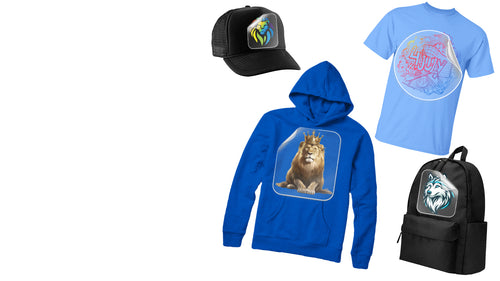
No. It's commonly used on t-shirts, hoodies, sweatshirts, blends, and other apparel where heat application makes sense. The main question isn't whether the garment is called a t-shirt. It's whether the fabric and print area are suitable for transfer application.
What's the minimum order quantity
For transfer-based workflows, you can usually order very small quantities. That's one reason gang sheets are so useful. You can combine multiple designs into one order instead of committing to large runs of a single graphic.
What artwork file works best
For most digital transfer orders, a high-quality PNG with a transparent background is the easiest format for straightforward artwork submission. If the art is vector-based, that can also be useful for keeping lines and shapes clean.
Why did my print look different from my screen
Screens are backlit and garments are not. Fabric color, transfer process, and press conditions all affect the final result. When color matters a lot, proof carefully and avoid assuming the monitor view is the finished product.
Can I press over seams or pockets
Usually, you shouldn't. Uneven surfaces make adhesion less reliable. On those garments, adjust the design placement or choose a garment with a flatter printable area.
Is screen printing still worth using
Yes, especially for larger repeat orders with simpler art. It's still a solid production method. It's just not the most flexible option for every modern custom order.
If you need ready-to-press transfers for your next apparel run, Lion DTF Transfers offers custom DTF transfers, gang sheets, and an Auto-build gang sheet builder that helps simplify layout and ordering for small businesses, creators, and print shops.