



A swing away heat press is a specific type of machine for putting designs on fabric.The key difference is that its top heated plate swings out horizontally, away from the bottom plate. Think of it like opening a door rather than lifting a heavy lid. This clever design gives you a much safer, totally clear workspace, which is a huge deal for placing your designs perfectly.
What Is a Swing Away Heat Press and How Does It Work

At its heart, a swing away heat press is all about applying heat and pressure with total control. The unique swing motion is what truly sets it apart. While other presses lift straight up, this machine’s upper platen moves completely out of the way, leaving the bottom platen fully exposed and free from heat.
This simple movement is a game-changer. It creates a wide-open, heat-free area to work in. For anyone making custom apparel, this means you're not trying to awkwardly position a shirt or a transfer under a searing hot surface. You get a direct, unobstructed view of your garment, making it much easier to get your alignment just right.
The Mechanics of Precision
Any heat press needs to bond a transfer to a surface, but the swing-away design does it with two massive advantages: safety and accuracy.
- Complete Workspace Access: With the heat source moved aside, you can smooth out wrinkles, lay down your garments, and place your transfers with confidence. No more worrying about accidental burns.
- Even Pressure Application: The press comes down vertically, applying straight-down pressure. This ensures the force is distributed evenly across the entire design, which is critical for thicker items like hoodies or when you’re pressing near collars and seams.
- Clear Line of Sight: You can see exactly where your design will land. This eliminates guesswork, reduces costly mistakes, and is essential for getting professional-looking results every single time.
This combination of safety and precision is why the swing-away press is a favorite for everyone from serious hobbyists to high-volume print shops.
Key Takeaway: The main benefit of a swing-away press is a safer, open workspace. This allows for perfect alignment and even pressure, which leads directly to higher-quality, more durable transfers.
Why This Matters for Your Projects
The boom in custom apparel has made these machines more popular than ever. In fact, the global swing away heat press market was valued at USD 1.12 billion in 2024 and is expected to keep growing. This trend is all about the demand for top-quality custom products, and user-friendly machines are a huge part of that.
When you're working with premium Direct-to-Film (DTF) transfers, you need consistency. The even pressure from a swing away press guarantees that every part of your design—from the center right out to the edges—sticks perfectly. This is how you get those vibrant, tough prints that can hold up to over 100 washes.
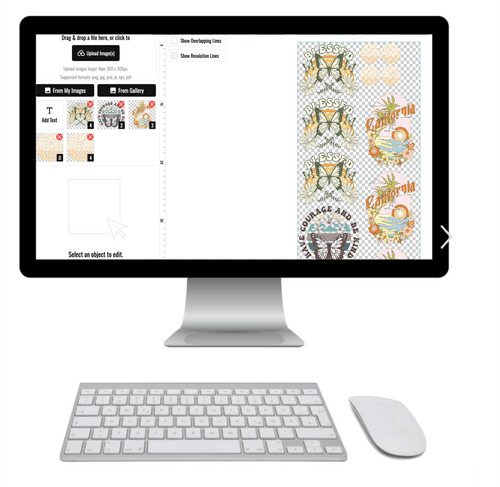
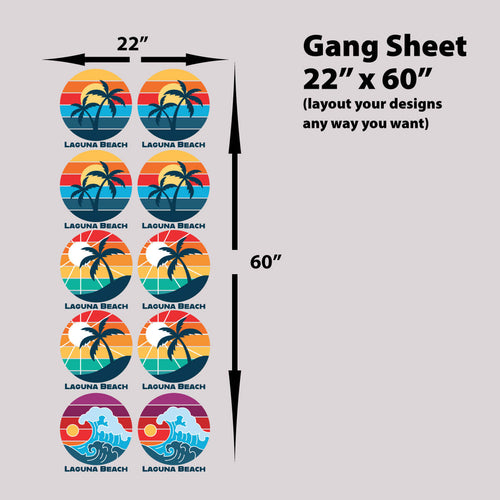
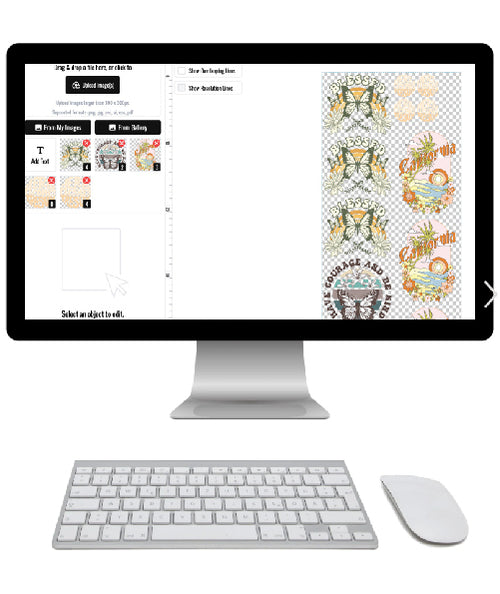
This precision also makes it way easier to work with big layouts, like those you might create with our cost-effective Auto-build gang sheet builder. Placing a large, intricate gang sheet accurately requires a clear view and a stable workspace, something a swing away model gives you effortlessly. You can confidently press multiple designs at once, making your workflow faster and more cost-effective. For a deeper look at different types of presses, check out our guide on https://liondtf.com/blogs/news/heat-press-machine-for-t-shirt-printing.
Choosing Your Press: Swing Away vs. Clamshell Models
Picking between a swing away and a clamshell press is one of the most important decisions you'll make for your custom apparel business. This choice goes way beyond how the machine opens and closes—it directly shapes your daily workflow, on-the-job safety, and the final quality of your products. You're not just buying a machine; you're choosing the central tool for your entire operation.
Think of it like this: a clamshell press is a lot like a waffle iron. It’s compact, gets the job done simply, and is perfect for straightforward tasks. A swing away heat press, however, is more like a professional panini press where the top heating element moves completely out of the way. This design gives you a wide-open, unobstructed workspace, which is a game-changer for precision work and safety.
Workspace, Safety, and Layout
The first thing you’ll notice is the difference in how you work. With a clamshell, you’re always reaching under a very hot upper platen. That constant proximity not only increases the risk of accidental burns but also makes it tricky to get your DTF transfers aligned just right.
A swing away heat press completely solves this problem. By swinging the heat source totally away from the lower platen, you get a safe, cool, and open area to work in. You can lay your garment out perfectly flat, smooth out every single wrinkle, and place your designs with a clear, direct line of sight. This ensures flawless placement, every single time.
This open layout is a massive help when you're working with larger or more intricate designs. For example, when you’re using our Auto-build gang sheet builder, you can fit multiple designs on one sheet to save money. Trying to place a big gang sheet accurately on a garment is so much easier and safer with the clear view a swing away model gives you.
Pressure Consistency and Versatility
Even pressure is the secret sauce for durable, professional-looking DTF transfers. This is where a swing away press really pulls ahead of the competition. Its design allows the upper platen to come straight down, delivering perfectly uniform vertical pressure across the entire surface. This is your best defense against frustrating issues like peeling corners or faded spots.
Clamshell presses, because of their hinged design, can sometimes apply pressure unevenly. The pressure is often strongest at the back near the hinge and lighter toward the front. This can lead to inconsistent results, especially when you're pressing thicker garments.
The swing-away mechanism is brilliant for bulky items like hoodies, jackets, or zippered bags. It excels at applying even pressure on materials up to 3/4" thick, avoiding the transfer problems that clamshells often face with anything that isn't perfectly flat.
The pros agree. The heat press market was valued at a whopping USD 623.4 million in 2023, and swing away models grabbed a major 25% revenue share, coming in at USD 155.9 million. Their dominance in professional shops comes down to this superior pressure and versatility, making them the top choice for small businesses that need reliable results for every batch run. You can dive deeper into these trends by exploring more heat press industry statistics.
A Direct Comparison
To make the choice crystal clear, let's put these two press styles side-by-side. Think about which of these features matters most for the kind of work you plan to do.
Swing Away vs. Clamshell Heat Press Comparison
| Feature | Swing Away Press | Clamshell Press |
|---|---|---|
| Workspace | Open and completely heat-free for safe, easy layout. | Limited space; requires working under the hot platen. |
| Pressure | Applies even, direct-down pressure for consistent transfers. | Can be uneven, especially on thicker items near the front. |
| Versatility | Excellent for thick items like hoodies, jackets, and bags. | Best for thin, flat items like standard t-shirts. |
| Footprint | Requires more horizontal space for the swing arm to move. | Compact and ideal for smaller workspaces or home use. |
| Ease of Use | Perfect for precise alignment of large or multiple designs. | Simple operation makes it a good choice for beginners. |
Ultimately, a clamshell is a great starting point, but a swing away press is an investment in quality, safety, and versatility that pays for itself as your business grows.
Essential Features for Your New Swing Away Heat Press
When you're ready to invest in a swing away heat press, you're not just buying a machine—you're choosing a business partner. The right press will elevate your work, supercharge your efficiency, and make sure every single transfer comes out looking perfect. Let's break down the non-negotiable features you need on your shopping list.
The DIY and small business boom has pushed the heat press market to an estimated USD 1.1 billion in 2024. The safety, even pressure, and versatility of swing away models make them a favorite for small to medium-sized shops. In fact, after post-COVID highs saw 450,000 global heat press shipments in 2023, swing away presses pulled in USD 155.9 million (25% of the market) largely thanks to their user-friendly design. You can dig into the full market research on heat press trends to see just how much these machines are shaping the industry.
Platen Size: The Bigger, The Better
The size of the heat platen is one of the most important decisions you'll make. You’ll often see common sizes like 15x15 inches and 16x20 inches. While a 15x15 press is a decent starting point for standard t-shirts, stepping up to a 16x20 or larger is a real investment in your efficiency and profitability.
A bigger surface area just opens up a whole new world of possibilities:
- Press Larger Designs: Easily tackle those oversized graphics for hoodies, blankets, and full-front shirt designs without the hassle of pressing multiple times.
- Maximize Gang Sheets: This is where a large platen really pays for itself. You can use our Auto-build gang sheet builder to pack multiple designs onto one sheet, which drastically slashes your cost per print. A larger press lets you transfer the entire sheet in one go, saving you a massive amount of time.
- Increase Versatility: You can press several small items—like baby onesies or sleeve logos—in a single cycle, giving your production output a serious boost.
Digital Time and Temperature Controls
Guesswork has absolutely no place in professional heat pressing. Nailing that perfect hot peel with Lion DTF transfers means getting your settings dialed in precisely. That’s why accurate digital time and temperature controls are a must-have, not a nice-to-have.
Look for a press with a clear, easy-to-read digital display. This lets you lock in the exact temperature (usually 300-320°F for our transfers) and time (10-15 seconds) you need for a flawless bond. Those old-school analog dials are just too inconsistent and can lead to scorched shirts or peeling transfers, which is a waste of both your time and money. An RTD probe, which keeps temperature variance to just ±2º, is worlds better than older bimetallic thermometers.
Pro Tip: Your press should have a heating element pattern that covers the entire platen, with coils no more than two inches apart. This gets rid of cold spots and guarantees your entire design gets consistent heat—which is critical when you’re pressing large gang sheets.
Pressure Adjustment Systems
Consistent, even pressure is every bit as important as temperature. A swing away press already gives you great top-down vertical pressure, but a good adjustment system puts you in complete control. Look for a machine with an over-the-center pressure adjustment.
This type of system lets you easily dial in the pressure from light to heavy and ensures it’s applied evenly across all four corners of the platen. Some higher-end models even offer a digital pressure readout, giving you an exact PSI reading for ultimate consistency from one job to the next.
Other Must-Have Features
Beyond the big three, a few other features are good indicators of a high-quality machine built for the long haul.
- Non-Stick Coating: A quality non-stick coating on the upper platen is crucial. It stops ink residue from sticking and accidentally transferring to your next garment.
- Solid Warranty & Support: A strong warranty is a sign that the manufacturer believes in their product. And when things go wrong, reliable customer support is a lifesaver for troubleshooting or getting replacement parts fast.
- Interchangeable Platens: For total versatility, think about a model with interchangeable lower platens. This lets you swap out the standard platen for smaller ones made specifically for hats, sleeves, or shoes.
- Auto-Open Function: This feature is a game-changer. It automatically lifts the press when the timer finishes, preventing over-pressing and freeing you up to multitask without worrying about ruining a shirt.
A Step-by-Step Guide to Perfect DTF Transfers
Alright, you've got the rundown on what makes a quality swing away heat press. Now, let's get our hands dirty and put that machine to work. This is where the real magic happens, turning your Lion DTF transfers into vibrant, professional-grade apparel that’s built to last.
Following a consistent process is the secret sauce. It’s what separates the pros from the rookies. Mastering these steps will save you from making costly mistakes, cut down on wasted materials, and guarantee every single print you pull off the press is something you can be proud of.
Setting Up for Success
Before you even think about pressing a transfer, getting your station set up correctly is crucial. The open workspace of your swing-away press gives you the perfect, unobstructed area to get everything lined up just right.
- Fire Up Your Press: Turn on your machine and set it to the sweet spot for Lion DTF transfers: 240-280°F. Give it time to fully preheat—a good press will hold this temperature steady without fluctuating.
- Dial in Time and Pressure: Set your timer for 10 seconds. You’re aiming for medium to heavy pressure. A good way to test this is to close the press on a blank garment. It should take a firm push to lock it down, but you shouldn't feel like you're about to break the handle.
- Prep Your Workspace: A clean, organized area is an efficient one. Have your transfers, garments, and tools like a Teflon sheet all within arm's reach. This makes your workflow smooth and keeps you from scrambling mid-press.
This diagram shows the three core features you'll be working with—platen size, controls, and pressure.

Think of it this way: your digital controls for time and temp, plus that adjustable pressure knob, are the three pillars holding up a perfect press.
The Pressing Workflow
With your settings locked in, you’re ready for action. Follow these steps to the letter, and you'll get flawless results every single time.
Step 1: The Pre-Press
This is the one step you absolutely cannot skip, even though a lot of beginners do. Lay your garment flat on the bottom platen and give it a quick press for 5-7 seconds. This zap of heat vaporizes any invisible moisture and smooths out stubborn wrinkles, giving you a perfectly flat, dry canvas for your transfer.
Step 2: Position Your DTF Transfer
Swing that top platen completely out of the way. Now you have a clear, safe view to work. Carefully lay your Lion DTF transfer onto the shirt with the design facing down. For tricky fabrics or precise alignments, a little heat-resistant tape can be a lifesaver, holding the design exactly where you want it.
This is where having a big platen and using our Auto-build gang sheet builder really pays off. You can arrange a whole sheet of logos and graphics at once, ensuring everything is perfectly placed for a single, super-efficient press.
Pro Tip: Want dead-on centering every time? Fold your shirt in half vertically and press it for a second to create a faint crease down the middle. Do the same with your transfer (fold it gently!), then just line up the two creases. Perfect placement, no guesswork.
Step 3: The Main Press
Cover the transfer with a Teflon sheet or a piece of parchment paper. This protects both the transfer film and your upper platen from any residue. Swing the hot platen back over the garment and lock it down. Your swing-away press will now apply that perfect, even pressure from top to bottom, making sure the whole design bonds beautifully.
Step 4: The Hot Peel
As soon as that timer beeps, it's go-time. Unlock the press and swing the top platen away immediately. Lion DTF transfers are designed for a hot peel, which means you need to be quick and confident.
Grab a corner of the film and peel it back in one smooth, continuous motion. Don’t hesitate or pull at a weird angle. A steady, fluid peel is what cleanly separates the film, leaving behind nothing but that vibrant, crisp ink. For a deeper dive, you can learn more about how to use a heat press machine in our dedicated guide.
By sticking to this process, you can confidently bring your creative ideas to life, producing high-quality, professional apparel that will stand up to whatever life throws at it.
Troubleshooting Common Heat Pressing Problems
Even with a top-of-the-line swing-away heat press, you're going to hit a snag every now and then. The good news? Most DTF transfer issues are surprisingly simple to fix once you know what to look for. This guide will walk you through the most common headaches, breaking them down into a clear Problem-Cause-Solution format so you can get back to what you do best: making awesome apparel.
Think of your press like a high-performance engine. It needs the perfect mix of fuel (heat), timing, and compression (pressure) to run flawlessly. When a transfer goes wrong, it's almost always because one of those three things is out of whack. Let's get into it.
Problem One: Transfer Isn't Sticking or It Peels Up
This one's a classic. You press a shirt, go to peel the film, and chunks of your design are left stuck to the film instead of the fabric. It's one of the most frustrating things that can happen, but thankfully, it's usually just a pressure or temperature problem.
Common Causes:
- Not Enough Pressure: The adhesive on the transfer never got enough force to properly melt into the fabric's fibers. Your press might feel like it's locked down tight, but it might not be firm enough where it counts.
- Wrong Temperature: If your platen is too cool, the adhesive won't activate correctly. On the flip side, if it's way too hot, you can scorch the adhesive, which makes it brittle and useless.
- Moisture in the Garment: Even a little hidden moisture can turn into steam during pressing, creating a barrier between the adhesive and the fabric.
Solutions:
- Increase Your Pressure: Dial up the pressure for a firmer lockdown. A good medium-to-heavy setting should require a bit of muscle to close. A great trick is to close the press with a piece of paper in all four corners—you should feel solid resistance when you try to pull them out.
- Verify Your Temperature: Don't just trust the digital display. Grab an infrared temperature gun and check the surface of your platen to see what's really going on. Make sure your temperature is holding steady in the 240-280°F range for our Lion DTF transfers. For a deeper dive, check out our complete temperature guide for heat press applications.
- Always, Always Pre-Press: Seriously, don't skip this. A quick 5-7 second pre-press is all it takes to zap moisture and smooth out wrinkles, giving you the perfect canvas for your transfer.
Problem Two: Uneven or Spotty Prints
So, the design transferred, but it looks patchy. Some parts are vibrant and perfect, while others are faded or didn't stick at all. This is a tell-tale sign of uneven pressure. While a swing-away press is built to prevent this, it can still happen.
Key Insight: Uneven prints are almost always a pressure problem. The swing-away design gives you amazing top-down force, but obstructions like collars, seams, or buttons can throw off the balance and create gaps where the platen doesn't make full contact.
Common Causes:
- Obstructions: Thick seams, zippers, or bulky collars on the lower platen are the usual suspects. They prevent the top platen from laying perfectly flat.
- Warped Platen: Over time, and especially with lower-quality presses, the platen itself can warp, creating high and low spots you can't see.
- Incorrect Garment Placement: If the fabric is bunched up or isn't laid completely flat, you're guaranteed to get pressure inconsistencies.
Solutions:
- Use a Heat Press Pillow: These things are lifesavers. Slide a heat-resistant foam pillow inside the garment to raise the print area above any seams or collars. This ensures your platen makes direct, even contact with the transfer.
- Arrange Your Garment Carefully: Take an extra moment to smooth the garment out on the lower platen. Make sure there are no wrinkles or folds anywhere. The open workspace you get with a swing-away press makes this step a breeze.
- Optimize Your Gang Sheet Workflow: When you're pressing multiple small designs from our easy-to-use Auto-build gang sheet builder, cut them apart. Pressing them one by one is the best way to ensure each one gets perfect, unobstructed pressure.
Maintaining Your Press for Long-Term Success

A swing away heat press that’s kept in good shape is more than just a tool; it’s a reliable money-maker. Looking after your investment isn’t some complicated chore. It just takes a few simple, regular habits.
Following these steps does more than just make your machine last longer. It’s your ticket to making sure every single transfer you press comes out looking sharp, vibrant, and perfectly bonded. Think of it as a quick check-up now to avoid headaches, wasted materials, and costly downtime later.
Essential Maintenance Checklist
Keeping your press in fighting shape is pretty straightforward. You just need to work these tasks into your weekly or monthly routine. This ensures your machine runs smoothly and safely for years. The best place to start is with the heart of the press—the heat platen.
-
Clean the Platen Regularly: Once your press is completely cool, give the upper platen a good wipe-down with a soft, clean cloth. If you’ve got some stubborn ink or adhesive residue, a non-abrasive platen cleaner is your friend. This one step is huge for preventing ghosting, where leftover ink messes up your next garment.
-
Inspect Cords and Connections: This machine pulls a lot of power, so safety is king. Give the power cord a regular once-over for any cracks, frays, or damage. Make sure the plug sits snugly in its outlet and that the connection to the press itself is tight.
-
Lubricate the Swing Mechanism: That smooth swing is what makes this press so great. Check your manufacturer’s guide for the right lubricant and hit the pivot points with a small amount. This keeps the arm moving freely without any grinding or friction.
This simple upkeep has a direct impact on your profits. A clean, well-oiled machine cranks out perfect transfers every time. That's a huge deal when you're using our Auto-build gang sheet builder to press a full sheet—you can press with confidence, knowing every design will stick without a hitch.
Safety First, Always
A heat press gets hot. Really hot. Building a safe workspace around it is non-negotiable. The swing-away design already gives you a leg up on safety, but you still have to respect the machine.
A sturdy, level work surface is the foundation of heat press safety. An unstable table can cause the press to shift during operation, leading to inconsistent pressure or, in a worst-case scenario, tipping over.
Beyond a solid table, look at your surroundings. That swing arm needs room to move without smacking into walls, other equipment, or people. Always give it more space than you think it needs. And finally, get in the habit of always knowing where that hot platen is, even when it's swung out of the way. These simple rules protect you, your shop, and your investment.
Your Top Questions About Swing-Away Presses
Once you start getting the hang of your swing-away heat press, you'll find that some practical questions come up. This is totally normal. Let's tackle some of the most common ones that pop up after you've moved past the basics, covering the everyday stuff like space, what you can press, and nailing your settings.
Workspace and Size Concerns
How much space do I really need for a swing away press?
This is a great question and one you definitely want to answer before you buy. A swing-away needs more elbow room—specifically, more horizontal space—than a clamshell. A good rule of thumb is to measure the width of your press and then double it. This ensures the swing arm has plenty of clearance to move completely out of the way without smacking into a wall or another machine.
Don't forget to think about vertical space, too. You’ll want it on a sturdy, waist-high table that can handle the weight and lets you work without hunching over.
Can I press items other than shirts?
Absolutely! This is where a swing-away press really starts to flex its muscles. Because it applies pressure straight down from the top, it’s perfect for a whole host of different items, including:
- Thick hoodies and sweatshirts
- Hats and caps (you'll need a special platen for this)
- Tote bags and other canvas goods
- Ceramic tiles and even small wooden signs
The main thing is that the item needs to lie relatively flat. If you're working with something that has bulky seams or zippers, a heat press pillow is your best friend.
Perfecting Your DTF Transfers
How do I know my pressure is right for DTF transfers?
Getting the pressure just right is critical for a good transfer, but you don't need any fancy gadgets to check it. A simple trick, often called the "dollar bill test," works like a charm. Just grab four small pieces of paper (or dollar bills, if you're feeling fancy) and place one in each corner of the lower platen before closing the press.
Try to pull the paper out. If you can slide any of them out easily, your pressure is too low or uneven. You want to feel solid resistance on all four corners. This tells you the platen is delivering the firm, consistent pressure needed for a durable, professional-looking bond.
This simple check ensures every square inch of your design gets the force it needs. It's especially important for saving money when you’re using our Auto-build gang sheet builder. When your pressure is dialed in, every single design on that sheet will transfer flawlessly in one go, which means no wasted prints and more money in your pocket.
Ready to create vibrant, long-lasting custom apparel with ease? The team at Lion DTF Transfers offers premium hot-peel DTF transfers that are built to last. Design your own professional-quality prints today.