



You've got the design files ready, a deadline on the calendar, and three stacks of blank shirts on the table. One feels soft but thin, one feels slick and stretchy, and one sits somewhere in between. Picking the wrong one doesn't just change how the shirt feels. It changes how your transfer presses, how the graphic survives laundry day, and whether the customer wears it twice or every week. Understanding shirt cloth types before you press a single garment saves you reprints, returns, and guesswork.
Why Shirt Cloth Types Matter for Every Apparel Project
A shop owner orders blanks for a school fundraiser, a local gym, and her own lifestyle brand in the same week. She grabs whatever's cheapest in every color, presses the same design across all three jobs, and ships them out. Two weeks later the gym shirts come back clammy and uncomfortable, the fundraiser tees have shrunk unevenly, and only the lifestyle shirts get reordered. The artwork wasn't the problem. The cloth underneath it was.
That scenario plays out constantly because buyers treat a blank as a blank surface. In practice, the fabric controls hand feel, opacity, stretch, and stability under heat. A loose, textured knit gives a transfer a different surface than a tight, smooth jersey. A shirt that drinks in moisture behaves differently on a hot sideline than one engineered to move sweat off the skin and dry.
What Fabric Choice Decides for You
Your cloth selection locks in several downstream decisions.
- Decoration method: Some surfaces take ink and film cleanly. Others fight adhesion or distort under pressure.
- Press settings: Heat-sensitive fibers and stretch blends need more cautious temperature and dwell time than sturdy cotton.
- Care expectations: The wash routine that keeps one shirt crisp can shrink or fade another.
- Unit economics: Fabric affects blank cost, defect rate, and how efficiently you can batch designs for printing.
Shop reality: Most print failures blamed on the transfer start with an untested blank. Press one, wash it, and wear it before you commit to a full run.
None of this means there's a single correct answer waiting at the end of a fabric guide. A premium-feeling shirt for a boutique drop can be the wrong tool for a construction crew's uniforms. The goal isn't finding the best cloth in the abstract. It's matching fiber, construction, and finish to a specific wearer, climate, and decoration method. Once you think in those terms, ordering blanks stops feeling like a gamble and starts feeling like a spec sheet you control.
The Two Fiber Families Behind Modern Shirt Cloth
Nearly every shirt you'll ever press comes from two fiber families. Cotton leads the natural fibers, built from cellulose that absorbs water readily. Polyester leads the synthetics, built to resist water, hold color, and keep its shape. Everything else in a catalog is either a variation on one of these or a blend mixing their traits.
Cotton earns its reputation by delivering the soft, familiar feel customers expect against skin. It breathes well in casual wear and gives lifestyle garments the natural hand shoppers want. The trade-off is that cotton absorbs perspiration into the fiber itself. That feels comfortable at first, but a soaked cotton tee dries slowly and can feel heavy during activity.
Why Polyester Took Over the Volume
Polyester flipped that equation. It absorbs very little water, so properly constructed performance knits move liquid along the fiber surface where it can evaporate. It also resists wrinkling and holds dimensional stability through repeated laundering, which is why athletic wear, uniforms, and promotional apparel lean on it so heavily.
The production scale reflects that shift. In 2023, worldwide fiber production reached 124 million tonnes, with polyester accounting for 57% of total output (about 70.7 million tonnes) and cotton around 19.7% (24.4 million tonnes), according to the Textile Exchange 2024 Materials Market Report. Polyester isn't a niche alternative anymore. It's the dominant shirt fiber on the planet, and any decorator's inventory has to treat it that way.
That doesn't make cotton obsolete. Cotton remains the principal natural fiber and the default base for casual and lifestyle garments because nothing synthetic fully replicates its hand feel. The practical question isn't which family wins. It's which behavior you need, moisture absorption and softness or fast drying and shape retention. If you're weighing the two specifically for transfers, this breakdown of polyester versus cotton for DTF transfers covers the pressing differences in detail.
Inside the Construction of a Shirt Fabric
Two shirts can both say 100% cotton on the label and feel nothing alike. The difference is construction, meaning how the yarn was spun, how the fabric was knitted, and how it was finished. Fiber content tells you what's in the shirt. Construction tells you how it'll behave.
Start with yarn. Ring-spun cotton twists fibers into a finer, smoother, stronger yarn, which produces a softer surface that prints cleanly. Open-end cotton is spun faster and cheaper, giving a coarser, slightly rougher hand that suits budget basics. Combed cotton has short fibers removed before spinning, so it feels smoother than carded cotton, which keeps those short fibers in the yarn.
Knit Structure and Weight
Knit structure shapes stretch and surface. Single jersey is the lightweight, flexible looped knit behind most tees. Rib knit alternates columns for greater crosswise elasticity, which is why it shows up in collars, cuffs, and fitted styles. Interlock knits two layers together for a smoother, more stable, less clingy fabric that resists curling at the edges.
Weight ties it together. Typical shirt fabrics fall around 100 to 220 g/m² in weight, while yarn count ranges from Ne 30s to Ne 200s, and moisture regain sits around 7 to 8% for cotton and about 0.4% for polyester, per this overview of shirt fabric specifications. Higher GSM generally means more opacity and structure. Lower GSM means lighter drape and a cooler feel, but also more show-through on white garments.
Don't buy on the fiber label alone. Record blend, GSM, knit type, surface texture, and shrinkage for every blank you stock.
That spec-sheet habit matters because tightness of knit and surface finish change moisture behavior and print quality as much as fiber does. A smooth, stable jersey gives you a predictable pressing surface. A loose or brushed fabric gives you texture the transfer has to fight. Learn to read construction and you'll predict how a shirt performs before it ever reaches your press.
Common Shirt Cloth Types and What They Actually Feel Like
Catalogs list dozens of options, but most orders come down to a handful of cloth types. 100% cotton in ring-spun, combed, or organic form feels soft and breathable with a natural matte surface. It's the default for casual and retail tees, though it wrinkles more easily and holds moisture longer than synthetics. 100% polyester feels smooth and lightweight, sometimes slightly slick, and it dries fast while resisting wrinkles and shrinkage.
Blends occupy the middle ground most shops live in. A 50/50 cotton-poly shirt keeps much of cotton's softness while gaining resilience and faster drying. A 65/35 cotton-poly blend leans closer to cotton's hand feel with a modest boost in stability. Tri-blends add rayon to cotton and polyester, producing a notably soft, fluid drape with a slightly heathered, lived-in look. Heather blends mix fibers of different shades for that speckled appearance, and performance fabrics add moisture-wicking finishes to polyester-rich knits for active use.
How They Behave in the Wash
The numbers explain why blend ratio matters. A 65% cotton and 35% polyester blend is reported at about 4 to 5% moisture regain and 1 to 2% first-wash shrinkage, while a 50/50 blend runs roughly 3 to 4% moisture regain and 2 to 3% shrinkage, compared with 3 to 5% for 100% cotton and below 1% for 100% polyester, according to this cotton-polyester blend comparison. More polyester generally means less shrinkage and quicker drying. More cotton means a softer, more absorbent feel.
| Cloth Type | Typical Hand Feel | Shrinkage After First Wash | Best For |
|---|---|---|---|
| 100% Cotton | Soft, natural, breathable | 3 to 5% | Lifestyle and casual retail |
| 100% Polyester | Smooth, lightweight, slick | Below 1% | Athletic and performance wear |
| 50/50 Cotton-Poly | Soft with added resilience | 2 to 3% | Uniforms and promotional runs |
| 65/35 Cotton-Poly | Cotton-forward, stable | 1 to 2% | Everyday workwear |
| Tri-Blend | Very soft, fluid drape | Low | Fashion and boutique merch |
Shirt Cloth Type Quick Reference
Use the table as a starting filter, not a final answer. A heather tri-blend and a solid tri-blend can press differently, and a performance finish can change bonding behavior on the same base fabric. Feel the actual blank, check its opacity against light, and stretch the knit to see how it recovers. Those three quick checks tell you more than a product photo ever will.
Matching Shirt Cloth to the Right Decoration Method
The best decoration method on the wrong cloth still produces a mediocre shirt. DTF transfers are forgiving across many shirt cloth types, but they reward a smooth, stable surface. Ring-spun and combed cotton give you exactly that, which is why they're reliable starting points for DTF, DTG, and screen printing alike. Loose knits and heavily brushed fabrics create texture that can interrupt clean edges and let fine detail look rough.
Surface quality isn't a minor detail. Polyester has reported fiber strength of about 2.5 to 9.5 g/denier versus cotton at roughly 3.0 to 5.0 g/denier dry, and smoother, more stable jersey surfaces usually support cleaner transfer edges than loose or heavily textured fabrics, as noted in this cotton and polyester fiber comparison. Strength helps a garment survive wear, but surface stability is what your graphic sits on.
Where Pressing Gets Tricky
Polyester and performance blends demand temperature discipline. Push heat too far and you risk dye migration, where garment dye bleeds up into a light-colored design, or scorch marks on sensitive synthetics. Moisture-wicking coatings can also interfere with bonding, so a performance tee that looks identical to a plain polyester tee may not press the same way. Fabrics with spandex or elastane add another variable because stretch fibers can warp under high heat and need gentler settings.
Embroidery plays by different rules. It doesn't bond to the surface, it stitches through it, so it favors stable, mid-weight knits that resist puckering around dense stitch areas. Very light or stretchy fabrics can distort under the needle without proper backing. Before you commit any new blank to production, run through which fabrics work with DTF transfers and then prove it on your own press.
Pre-production rule: Press a sample at your intended settings, stretch it, wash it, and inspect the edges. Ten minutes of testing beats a box of reprints.
A fiber label is a starting point, never a guarantee. Coatings, knit tightness, and finishing treatments all sit between the label and your final result. Treat every new blank as unproven until your own sample says otherwise, and your defect rate will reflect that discipline.
Choosing the Right Cloth for Your End Use
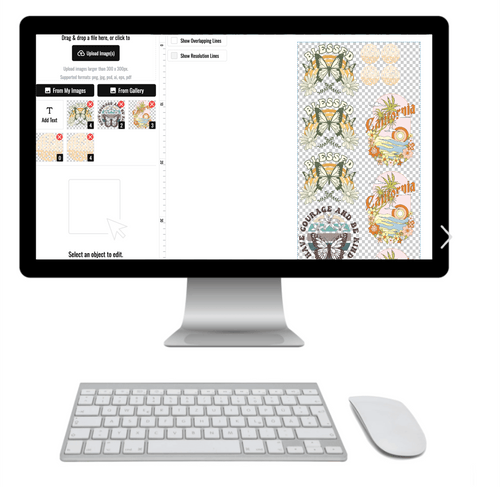
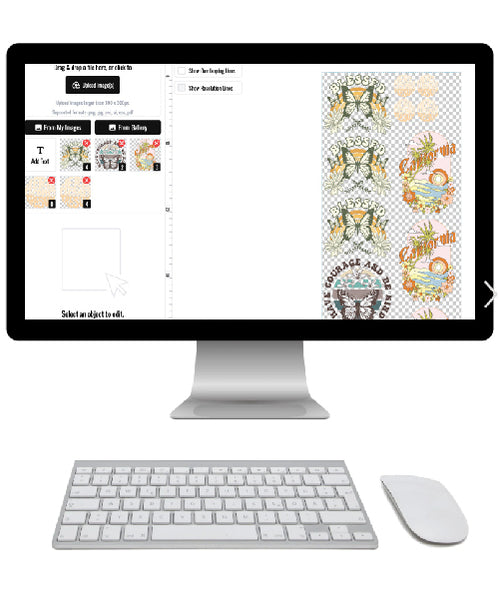
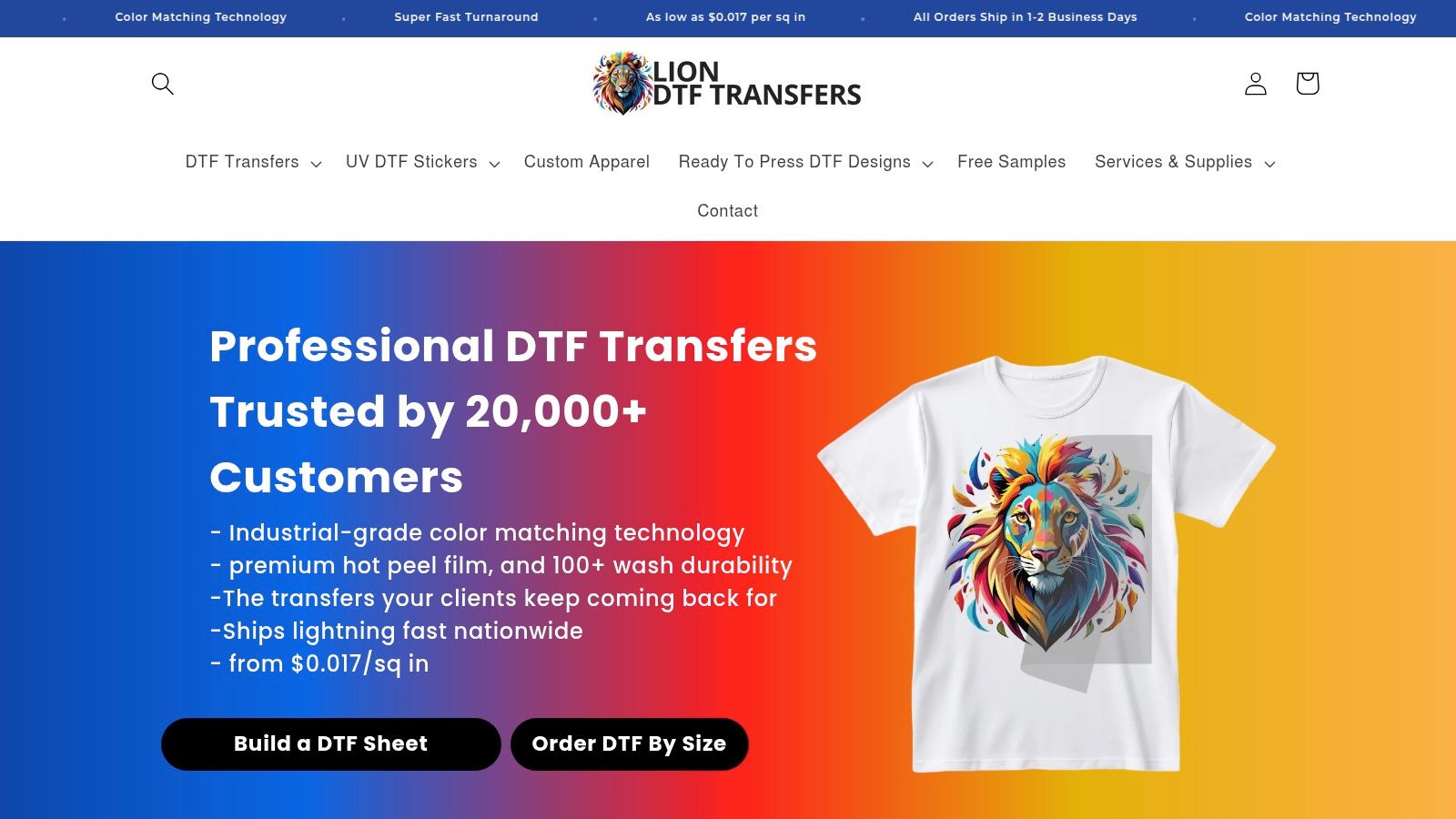
End use should drive the order, not habit. The screenshot below shows how transfer ordering looks in practice when you're preparing designs for garments.
A school athletic order needs shirts that dry fast, move with the player, and survive constant laundering. That's polyester or poly-rich performance territory. Polyester is lightweight, moisture-wicking, and common in sportswear, while 50/50 cotton-poly blends balance softness, resilience, reduced shrinkage, and moisture handling, making them a workhorse for uniforms and promotional apparel, according to this guide to DTF printing materials. Uniform buyers care about consistent sizing after washing and a professional look across a whole crew. Blends deliver that at a sane price.
Lifestyle, Climate, and Mixed Orders
A streetwear or boutique brand sells hand feel first. Ring-spun cotton and tri-blends give the softness and drape that justify a retail price tag, and customers reach for them repeatedly. Climate can override brand preference, though. In hot, humid regions, a heavyweight cotton tee that holds sweat loses to a lighter polyester or blend for everyday comfort, no matter how premium the cotton feels on a hanger.
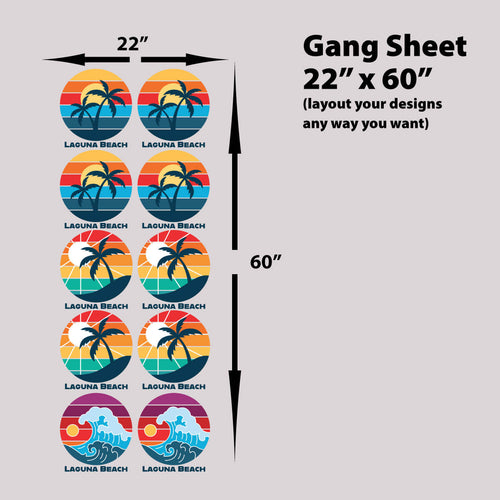
Real shops rarely run one fabric at a time. A single order might split across cotton tees, blended uniforms, and performance pieces, each with its own design sizes. That's where workflow matters. The Auto-build gang sheet builder from Lion DTF Transfers arranges multiple designs onto one sheet automatically, packing printable area efficiently so mixed-fabric orders stay cost-effective instead of generating wasted film. You press each garment type at its own settings while the print side of the job stays consolidated and simple.
The short video below walks through how that kind of consolidated workflow looks when you're preparing transfers for varied garments.
Match the wearer first, the climate second, and the decoration plan third. When those three align, the fabric choice usually becomes obvious.
Care Instructions That Protect Both Fabric and Print
Care guidance isn't fine print. It's part of the product you're selling, because the wrong wash routine destroys a good shirt and a good print at the same time. Heat is the main culprit. Polyester is heat-set during manufacturing and generally resists ordinary washing shrinkage, but high heat can still cause limited shrinkage or deformation, while cotton and blends benefit from cold or lukewarm washing and low-temperature drying, per this guide to polyester shrinkage and heat.
For 100% cotton, recommend cold or lukewarm water and low-heat drying, and choose pre-shrunk blanks when precise sizing matters for uniforms or fitted styles. Cotton tolerates laundering well, but uncontrolled heat and aggressive drying are what pull it out of shape. Turning garments inside out reduces surface abrasion on the print.
Synthetics, Blends, and Print Longevity
- Polyester and performance fabrics: Keep dryer heat low to avoid warping, and skip fabric softeners that can coat moisture-wicking finishes and blunt their effect.
- Cotton-poly blends: Wash inside out in cool water and avoid over-drying to protect both dimensional stability and print vibrancy.
- Stretch blends: Gentle cycles help elastane-containing knits recover instead of bagging out over time.
Hot washes and high agitation are the fastest route to a faded transfer and stressed embroidery thread. If you ship decorated apparel, include a simple care card and point customers toward clear guidance like how to wash graphic t-shirts. Customers blame your print when a shirt fades, even when their dryer caused it. Good care instructions protect your reputation along with the garment, and they cost you almost nothing to include.
Smarter Shirt Cloth Decisions and Common Questions
Heavier cotton isn't automatically premium. In 1950 cotton represented about 71% of all textile fibers produced globally while synthetics were under 1%, and by 2018 synthetic fibers made up roughly 64% of global clothing-fiber production, with polyester representing about 90% of that synthetic total, according to this history of textile fiber production. The market moved for practical reasons, and your buying should too.
Use a simple sequence. Pick fiber by use case, lock in knit and weight, match the decoration method, then test a pressed and washed sample. Keep multi-fabric runs efficient with the Auto-build gang sheet builder so design layout never becomes the bottleneck.
Do tri-blends need different press settings? Treat them cautiously, test first, and favor gentler heat than sturdy cotton. What should you confirm with a supplier? Blend ratio, GSM, knit type, shrinkage, and any surface coatings. How do you test a new blank? Press it, stretch it, wash it, then decide.
Ready to put the right design on the right cloth without wasting film or time? Lion DTF Transfers offers ready-to-press DTF transfers and gang sheets that work across cotton, polyester, blends, and performance fabrics, with the Auto-build gang sheet builder keeping your layouts efficient and cost-effective. Visit Lion DTF Transfers to build your next gang sheet and press your next run with confidence.