



You've got blanks on the table, art in your inbox, and a customer who wants the job turned around fast. That's where method choice stops being theoretical and starts affecting margin, labor, and stress.
A lot of decorators still ask the same question: should this be a screen print heat transfer, a DTF transfer, or something simpler like HTV? The wrong answer usually doesn't show up in the print itself. It shows up in setup time, cleanup, wasted space, remake risk, and how many steps your team has to get right before a shirt leaves the shop.
Choosing Your Path in Custom Apparel
For a long time, traditional screen printing set the standard for custom apparel. It still produces a look many shops and brands love. But direct screen printing also asks for a lot up front: screens, setup time, color separation, press time, cleanup, and enough steady volume to justify the work.
That pressure is part of why heat transfers became such a practical branch of the trade. According to Howard Custom Transfers' history of heat printing, the commercialization of heat transfer technology accelerated significantly in the mid-20th century, and in the 1950s and 1960s heat transfer decals and iron-on transfers opened the door for DIY apparel customization without professional equipment. That mattered because it separated design production from garment application.

Why shops still consider screen print transfers
A screen print heat transfer gives you a way to create the print first and apply it later. That changes the workflow in a useful way. Instead of tying every order to a live screen printing run, you can stock transfers and press garments as orders come in.
That's attractive when you have:
- Repeat logo work for schools, contractors, or staff apparel
- Stable artwork that doesn't change every week
- A need to press on demand instead of printing all garments at once
Why the decision is harder now
Today, the choice isn't between direct screen printing and nothing. It's between a classic transfer method and newer digital options that reduce labor in different ways.
Practical rule: The best decoration method isn't the one with the best reputation. It's the one your shop can produce consistently, profitably, and without remakes.
Small shops often overfocus on print feel and underfocus on operational drag. If one method saves a few minutes on press but costs hours in setup, reclaim, and troubleshooting, it may not be the efficient option for your business. That's where screen print heat transfer still has strengths, but also where DTF has changed the conversation.
What Exactly Is a Screen Print Heat Transfer
A screen print heat transfer is a screen printed design made on release paper instead of directly on the garment. Most shops are talking about plastisol transfers when they use the term. The design is printed in reverse, held on a transfer sheet, and later applied with a heat press.
A simple way to think about it is this: direct screen printing finishes the decoration during the print run. A screen print heat transfer splits that into two stages. You produce the image first, then finish the job when you press it onto the shirt.
The core idea
The appeal is straightforward. You get much of the character of screen printing, but you move the application step to a later moment. That means one team or vendor can produce the transfers, and another person can apply them as orders arrive.
This is why the method has stayed relevant for:
- Stocked logo programs
- Team and event apparel
- Simple repeat jobs
- Shops that want faster garment-level fulfillment
How it differs from printing directly on shirts
Direct screen printing puts ink onto fabric immediately. Screen print transfers put ink onto a carrier first. That changes more than location. It changes production control, storage, and who can handle the final step.
The trade-off is skill concentration. Making good transfers still requires screen printing knowledge. Applying them is much easier than producing them, but the transfer only works well if the production stage was done correctly.
A good transfer can simplify fulfillment. It doesn't simplify bad production.
What it feels like in practice
When decorators like screen print transfers, they usually like the familiar plastisol character. On the right design, that can still be a strong option. But this method is most comfortable when the artwork is clean, repeatable, and not constantly changing.
If your order mix is full of names, one-off graphics, full-color art, and short runs, the transfer itself may still apply quickly, but the production path behind it gets heavy. That's the point where a modern digital workflow starts looking more attractive.
The Production Workflow for Screen Print Transfers
A small shop usually feels the strain of screen print transfers before it sees the benefit. The application step is fast later. The production step is where the hours go.

The work starts in prepress
Transfer artwork has to be built for reverse printing and later heat application. That changes how you prep the file, separate colors, and plan the print sequence. A design that looks simple on a mockup can become fussy once you reverse the layers and account for how they will stack on release paper.
Shops that already know standard screen printing usually underestimate this part at first. Transfer production asks for the same screen room discipline, but with less room for sloppy setup. Ink deposit, edge definition, and release all depend on how well the job was prepared before the first screen goes on press.
Production has more touchpoints than many buyers expect
Once art is approved, the workflow usually looks like this:
- Mirror the artwork so it reads correctly after pressing.
- Separate colors and set print order based on how the layers need to build in reverse.
- Coat and burn screens to hold the ink deposit needed for transfer paper.
- Print onto release paper with careful registration.
- Gel the ink so it stays stable for storage and later pressing without fully curing.
- Stack, store, and label transfers so they are ready when garments are needed.
That is a workable system for repeat graphics. It is a heavy system for constant art changes.
A screen print transfer job can tie up your screen room, your press, your flash unit, and your staff before a single finished shirt is packed. That matters if you run a small operation and every worktable already has a job waiting.
Gelling and handling decide whether the transfer is usable later
This stage is where experienced printers earn their keep. The ink has to be stable enough to handle, stack, and store, but still open enough to bond properly during application. Push it too little and the transfer can smear, offset, or behave inconsistently on press. Push it too far and release can get harder, adhesion can suffer, and the print can feel wrong even if it looks fine on the paper.
Paper handling matters too. Transfers have to stay clean, flat, and organized. If the sheets curl, pick up dust, or get mixed between sizes and versions, the savings you expected from stocking transfers start disappearing into rework and wasted labor.
For readers comparing this to standard shop setup, this overview of screen printing prints and production considerations gives useful background.
The hidden costs are mostly labor, space, and interruptions
Equipment cost is easy to spot. Operational drag is harder to measure, and it is usually what hurts margin.
Here is where screen print transfers get expensive in practice:
- Setup time hits every new design through art prep, screens, registration, and test prints.
- Cleanup time follows every run, even on simple jobs with only a few colors.
- Storage space gets consumed by screens, inks, release paper, finished transfers, and staging areas.
- Skill requirements stay high on the production side, even if application can be handed to a less experienced press operator.
- Error risk rises with each added color because the transfer has to print cleanly first and then apply cleanly later.
That split is the fundamental trade-off. Screen print transfers can make fulfillment easier, but they do not make production lighter.
For stocked logos, repeat event graphics, and stable reorder programs, the front-loaded effort can pay off. For shops selling lots of short runs, frequent art revisions, or mixed one-off orders, the workflow overhead is often the reason DTF wins on profit, even before you compare print quality.
Comparing Screen Print Transfers DTF and Vinyl
The most useful comparison isn't “Which one looks best?” It's “Which one gets from art file to shipped garment with the least wasted effort for this type of order?”

Where screen print transfers still make sense
Screen print transfers still have a good lane. If you're producing repeat designs with limited colors and consistent volume, they can be efficient to apply and easy to stock. Many shops like them for left chest logos, team marks, and established designs that don't need constant revision.
Their weakness is front-loaded effort. Before you reach the easy part, you have to do all the hard parts. If the art changes often, or if every order includes new graphics, the setup burden starts to work against you.
Where DTF changes the workflow
DTF reduces a lot of the shop friction that makes screen print transfers expensive in practice. You don't need screens. You don't need ink mixing by color separation. You don't need the same kind of cleanup cycle after every design set.
That matters most when you're handling:
- Full-color artwork
- Detailed logos
- Short runs
- Frequent art changes
- Mixed orders with many different graphics
For a practical look at how decorators compare these options, this guide on screen print transfers and modern alternatives is worth reviewing.
HTV still has a place, but it's narrow
Heat transfer vinyl is still useful. It's a good fit for simple names, numbers, and basic text-based graphics. It also works when someone needs a quick personalization job and the artwork is clean enough for cutting and weeding.
But HTV gets slow fast. The more detail you add, the more labor piles up. Fine elements, tiny islands, and layered builds can turn a “small job” into a time sink.
A side-by-side operational view
| Method | Best fit | Workflow load | Main drawback |
|---|---|---|---|
| Screen print transfers | Repeat designs, simpler color builds, stocked jobs | Heavy up front, lighter at press time | Setup, cleanup, and skill demands |
| DTF | Full color, short runs, varied art, on-demand work | Streamlined overall | Less ideal for shops committed to classic screen workflows |
| HTV | Names, numbers, simple shapes | Light setup, manual finishing | Weeding and layering slow complex jobs |
The hidden cost difference
The true nature of the choice becomes evident. A screen print transfer can look cost-effective if you only compare per-piece application. But total effort includes setup, reclaim, film positives, screens, registration, ink management, space, and labor interruptions.
DTF often wins because it removes entire categories of work, not because every individual step is faster in isolation.
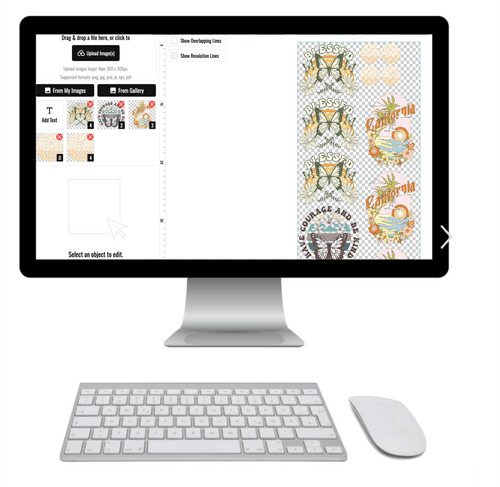
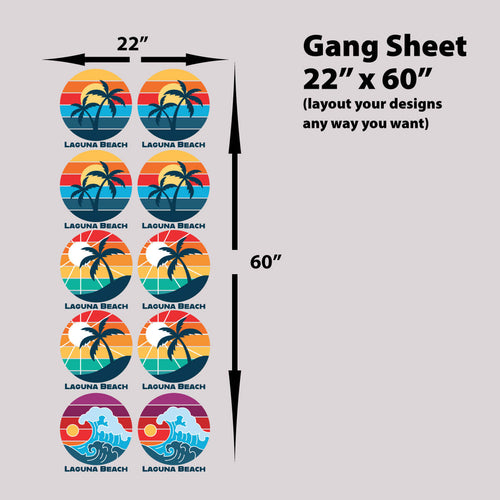
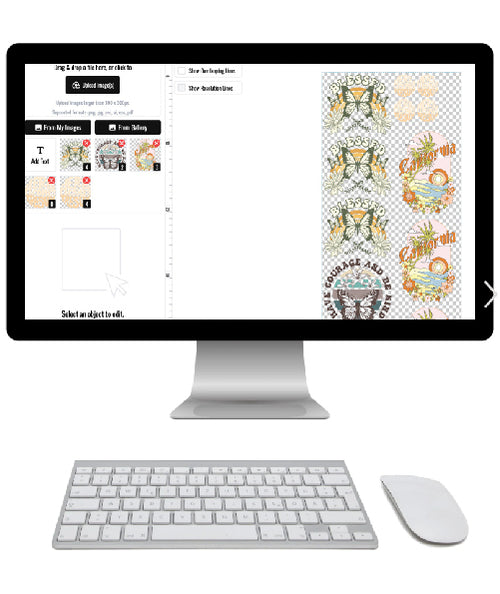
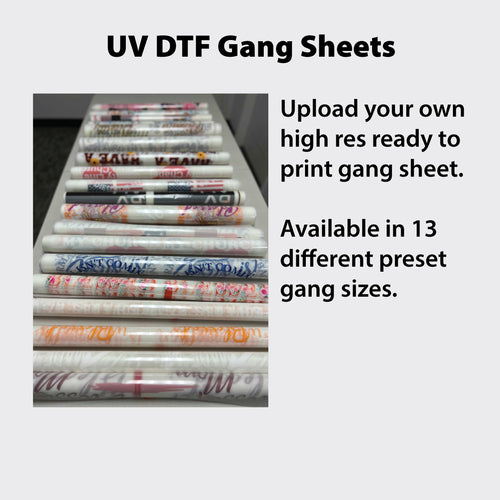
That's also why gang sheet workflow matters so much. If you're ordering or building DTF for multiple designs, the ability to combine jobs onto one sheet can protect margin. An Auto-build gang sheet builder helps by arranging artwork efficiently without the manual puzzle-solving that eats time and leaves empty space on the film. For small businesses, that can be one of the most practical ways to control cost on varied orders.
Shops don't lose money only on bad prints. They lose it on avoidable labor.
A smart rule for choosing
Use screen print transfers when design repetition is high and variation is low. Use DTF when variety is high and turnaround pressure is constant. Keep HTV for personalization, special effects, and very simple jobs.
If you're a small business with limited space and no dedicated screen room, DTF usually creates fewer bottlenecks. If you already run a strong screen setup and your customers reorder the same marks again and again, screen print transfers may still earn their keep.
Best Practices for Applying and Troubleshooting Transfers
A lot of transfer problems start long before the peel. The art may be fine. The transfer may be fine. The miss usually happens at the press, where small setup mistakes turn into remakes, wasted blanks, and a press operator standing still while everyone guesses.

Screen print heat transfers reward consistency. DTF is usually more forgiving across mixed order types, but neither method likes a sloppy press routine. If a shop wants clean output and predictable labor, the goal is simple. Standardize the press setup so operators are not making judgment calls on every shirt.
Pressure is usually the first thing to fix
A guide from ScreenPrinting.com on heat pressing DTF transfers stresses pressure as a leading cause of adhesion trouble, and that matches what shows up on production floors. Shops often chase temperature first because it is easier to read on the display. Pressure is harder to judge, especially on older presses, and that is exactly why it gets missed.
If a transfer peels, cracks early, or leaves part of the image underbonded, check for firm, even platen contact before changing anything else. A press can read the right temperature and still fail the job if pressure is light on one side or inconsistent across seams, collars, or thick garment areas.
A repeatable press routine saves more time than troubleshooting
Use the same order of operations every time:
- Pre-press the garment: A quick press removes moisture and flattens the surface so the transfer lands on stable fabric instead of wrinkles.
- Check the pressing area: Avoid zippers, seams, buttons, pockets, and collar bulk unless the platen setup is built for them.
- Set pressure with intent: Firm pressure matters more than a vague “medium” setting, especially for screen print transfers.
- Use cover sheets only when the transfer calls for them: The same source notes that Teflon or other covers can reduce heat reaching the transfer and can also mask a pressure problem.
- Run a live test on the actual blank: Cotton, tri-blends, fleece, and performance fabrics all react differently under heat.
For fabric-specific settings, this heat press temperature guide for different garment types is a useful shop reference.
This routine matters because troubleshooting eats labor fast. Screen print transfers can be very reliable once the press is dialed in, but they are less forgiving than many shops expect when pressure is uneven. DTF usually asks for less operator skill at this stage, which is one reason small shops often find it easier to scale.
Common failure patterns
Most transfer failures are readable if you slow down and look at the symptom instead of changing three settings at once.
- Peeling edges: Usually weak pressure, low heat, short dwell time, or a cold spot on the platen.
- Scorching or shine marks: Usually too much heat, too much dwell time, or a fabric that cannot handle the recipe.
- Blur, ghosting, or shadowing: Usually movement during loading, pressing, or peel.
- Patchy adhesion: Usually uneven garment surface, trapped moisture, off-level pressure, or poor contact over seams and fleece texture.
- Cracking after wash: Often underapplication, but sometimes the transfer was forced onto a fabric stretch profile it was not suited for.
Keep the troubleshooting disciplined. Change one variable. Test again on the same garment type. Write down what changed and what happened.
A quick visual walkthrough can help if you're training staff or dialing in a press:
What works better than guessing
Good shops build a press log. Keep sample scraps from the blanks you use most. Record temperature, time, pressure setting, peel style, and whether a cover sheet was used. Then save one approved sample with the note.
That sounds basic, but it removes a lot of expensive trial and error. It also lowers the skill barrier for new operators, which matters if one person is pressing today and someone else is covering the station tomorrow.
For mixed-order businesses, that is part of the bigger decision between screen print transfers and DTF. Screen print transfers can produce excellent results, but they usually demand tighter process control at the press. DTF fits shops that need a simpler workflow with fewer operator-dependent variables. If your staff is small, your order mix changes every day, and your production area is already crowded, reducing troubleshooting time may matter more than squeezing a little more efficiency out of a classic method.
Making the Right Choice for Your Business
The right method depends less on what looks best on social media and more on how your orders arrive.
If you run repeat programs with stable artwork, screen print heat transfer can still be a smart system. It works well when you can justify the production effort up front and recover that effort over repeat applications later. Shops with consistent logo business often do exactly that.
Who should lean toward which method
Hobbyists and home press users usually need the least complicated path. Producing screen print transfers in-house is rarely practical at that level. Applying ready-to-press transfers is far easier than building a screen workflow from scratch.
Small businesses and e-commerce sellers usually benefit most from flexibility. If your designs change frequently, if customers want full-color art, or if you're combining many small orders in one day, DTF usually creates fewer choke points.
Established print shops can justify either method depending on order mix. If your shop already has screen capability and repeat transfer programs, keep using that strength where it fits. But if labor is getting tied up on setup-heavy jobs, a digital transfer workflow can free capacity without expanding the screen room.
The business case is moving toward flexibility
The broader market is moving in that direction too. The global heat transfer printing market is projected to grow from US$4,214.8 million in 2024 to US$6,625.4 million by 2030, at a 7.9% CAGR, according to Grand View Research's heat transfer printing market projection. That projection points to continued demand for fast, high-quality transfer workflows that support customization and on-demand production.
The decision in plain terms
Choose screen print transfers if you want to stock proven designs and press them repeatedly. Choose DTF if you want fewer setup barriers, easier handling of complex art, and a workflow that matches modern small-batch demand.
Neither method is magic. But one question usually settles it: are you trying to optimize a repeat program, or are you trying to handle constant variation without adding labor every time the artwork changes?
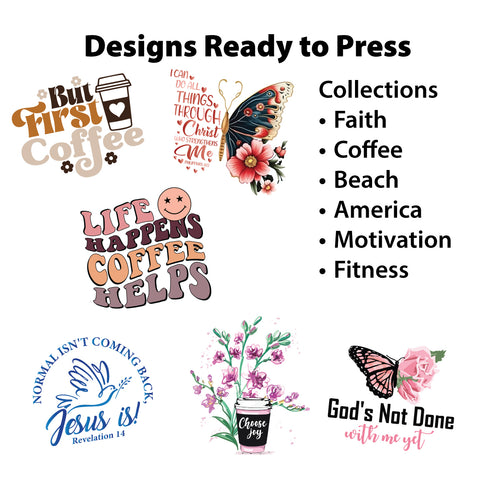
If you want the simpler path for full-color, on-demand production, Lion DTF Transfers makes it easy to order ready-to-press transfers, build efficient gang sheets, and use an Auto-build gang sheet builder that helps you maximize sheet space without manual layout work. For small shops, growing brands, and decorators who want less setup and more throughput, it's a practical way to keep production moving.