
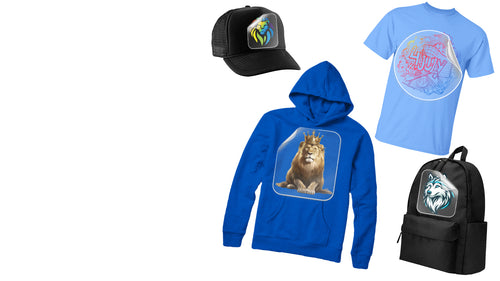


At its core, screen printing is pretty straightforward: you push ink through a mesh screen stenciled with your design, right onto the shirt. This classic technique creates a bold, durable, and vibrant print that physically bonds with the fabric, which is why it’s been the professional standard for custom apparel for decades. It's especially a workhorse when you need to print a bunch of shirts at once.
Why Screen Printing Is Still the Gold Standard

Before you even think about grabbing a squeegee, it’s good to know why this old-school method is still a favorite for everyone from basement artists to massive clothing brands. With all the new digital printing tech out there, screen printing holds its own for some very practical reasons. Its popularity isn't just about nostalgia; it’s about results you can actually see and feel.
The biggest draw? Unmatched durability. A properly screen-printed shirt has ink that sinks into the fabric fibers, creating a print that can handle dozens—sometimes hundreds—of washes without cracking, peeling, or fading. This is exactly why it’s the top choice for things that need to last, like staff uniforms, band merch, and brand apparel.
Unbeatable Vibrancy and Cost Efficiency
Another huge plus is the color vibrancy. Screen printing lays down a thick, opaque layer of ink, which means you get incredibly bright and vivid colors that really pop, especially on dark garments. It’s perfect for those bold, graphic designs with spot colors that digital methods can sometimes struggle to match in sheer intensity.
This is the very reason screen printing has dominated the custom apparel world for so long. It commands a huge 56% market share in the custom t-shirt printing space, and that number is directly tied to how cost-effective it gets on larger orders. Once you’ve created that first screen, cranking out more is quick and cheap, which drives your per-shirt cost way down.
For anyone producing 25 or more shirts with the same design, screen printing delivers a professional quality that is tough to beat for the price. The more you print, the cheaper each unit becomes.
Finding the Right Method for Your Project
But let's be real—it’s not the perfect tool for every single job. The setup can be a real time-sink if you only need one or two shirts, or if your design is packed with a ton of colors. Each color needs its own screen, and that adds a lot of complexity and cost to small runs.
This is where modern alternatives really shine. Methods like Direct-to-Film (DTF) transfers are perfect for full-color photos or small orders with lots of colors. If you're weighing your options, our guide on the different types of t-shirt printing can help you figure out what's best for your project.
To make things even clearer, here's a quick comparison of the two methods.
Screen Printing vs DTF Transfers A Quick Comparison
| Feature | Screen Printing | DTF Transfers |
|---|---|---|
| Best For | Large batches (25+), simple designs | Small runs, complex or full-color art |
| Durability | Excellent, very long-lasting | Very good, flexible and crack-resistant |
| Color Vibrancy | Outstanding, especially on darks | Excellent, great for photorealistic images |
| Setup Cost | High (screens must be created) | Low (no screens needed) |
| Per-Unit Cost | Decreases significantly with volume | Stays relatively consistent |
| Fabric Versatility | Good, but inks may vary by fabric | Excellent, works on almost anything |
Ultimately, the choice depends entirely on your project's needs. If you're tackling jobs with intricate, multi-design layouts, you might find our Auto-build gang sheet builder is a much more efficient and cost-effective route, letting you pack multiple DTF designs onto one sheet for ease of use without any of the screen setup hassles.
Getting Your Screen Printing Gear

Every great print starts long before you pull the first squeegee. It begins with getting the right setup. To screen print a shirt that actually looks professional, you need the right tools, plain and simple.
You can definitely find all-in-one starter kits, but knowing what each piece does is the real key. It helps you troubleshoot when things go wrong and lets you upgrade your gear smartly down the road. I like to think of the equipment in two buckets: the stuff for your screen and stencil, and the supplies for actually printing and finishing the job. Nail these, and you're building on a solid foundation.
Core Screen and Design Essentials
Your screen is the heart of the whole operation. It’s a simple aluminum or wood frame stretched tight with polyester mesh. The most important detail here is the mesh count, which is just the number of threads per inch.
A lower number like 110 means bigger openings in the mesh. This lets more ink pass through, making it perfect for those bold, blocky graphics you see on t-shirts. For more detailed art or thinner inks, you'll want a higher count like 230, which has much finer holes.
To turn that blank screen into your custom stencil, you’ll need a few more things:
- Photo Emulsion: This is the light-sensitive liquid you’ll coat the screen with. When it hits UV light, it hardens up, creating the stencil that blocks ink from going where you don't want it.
- Scoop Coater: Don't try to apply emulsion with a credit card. A scoop coater is a special trough-like tool designed to give you a perfectly thin, even layer across the screen. A smooth coat is non-negotiable for a sharp stencil.
- Transparency Film: This is where your design lives before it gets to the screen. You'll print your artwork in solid, opaque black onto this clear film.
- Exposure Light Source: You need a strong UV light to "burn" your design into the emulsion. Professional exposure units are great, but many printers get their start with a simple but powerful 250-watt bulb set up at a specific distance from the screen.
Inks, Squeegees, and Printing Supplies
Okay, screen's ready. Now you need the tools to get the ink onto the shirt. Your main tool here is the squeegee. Its job is to push a clean, even layer of ink through the open mesh of your stencil.
The rubber blade's hardness, measured in durometers, really matters. A medium 70 durometer squeegee is a fantastic all-around workhorse for most t-shirt jobs.
Your ink choice is just as critical. The two main players in the game are plastisol and water-based inks.
| Ink Type | Best For | Feel & Finish | Curing Process |
|---|---|---|---|
| Plastisol Ink | Vibrant colors on dark shirts; very opaque | Sits on top of the fabric; has a slight plastic feel | Requires heat (around 320°F / 160°C) to cure properly |
| Water-Based Ink | Soft feel on light-colored garments; eco-friendly | Sinks into the fabric; very breathable and soft | Air dries but often needs heat to become permanent |
Pro Tip: For beginners, plastisol is way more forgiving. It won’t dry out in your screen while you're working, giving you more time to get things right. Plus, its opacity makes printing on black or navy shirts a breeze.
Beyond these big items, you'll want some supporting players: screen tape to block off the edges of your screen, a good degreaser to prep screens before you coat them, and an emulsion remover for when you're ready to reclaim the screen for a new design.
Putting all this gear together is part of the craft, but let's be real—the setup time for complex, multi-color jobs can be massive. For those bigger projects, our Auto-build gang sheet builder offers a cost-effective and easy-to-use alternative. It lets you get vibrant, multi-color designs ready to press without a single drop of emulsion in sight.
Preparing Your Screen for a Perfect Print
The real magic in screen printing happens long before you ever touch a bottle of ink. A truly sharp, professional print is born from a perfectly prepared screen—it's the foundation for everything that follows. If you rush this part, no amount of fancy squeegee work is going to save your design.
Think of a brand-new screen mesh as a clean canvas that’s secretly covered in oils, dust, and leftover manufacturing gunk. If you try to slap emulsion on it straight out of the box, you’re just asking for headaches. The emulsion won't stick right, leading to pinholes or, even worse, entire chunks of your design peeling off mid-print.
Start with a Squeaky Clean Screen
First things first: you have to degrease the screen. This is non-negotiable. It just means scrubbing the mesh on both sides with a proper screen printing degreaser. You need a surface that’s chemically spotless so the emulsion can lock onto the mesh fibers.
Once it's scrubbed down, give it a good rinse with water until no suds are left. Let it dry completely in a dust-free spot before you even think about the next step. Any lingering moisture will absolutely ruin your emulsion coat.
Coating with Emulsion in a Light-Safe Room
Alright, now for the part that feels like a science experiment in a darkroom. Photo emulsion is light-sensitive; UV light is what hardens it into a stencil. This means you have to work in a room with very dim light, ideally with a yellow "bug light" or a proper darkroom safelight. A regular light bulb will start hardening your emulsion before you're ready.
Pour a bead of emulsion into your scoop coater. Hold the screen upright, press the sharp edge of the coater firmly against the bottom of the mesh, and tilt it until the emulsion makes contact. Then, in one smooth, steady motion, pull it all the way to the top. You're aiming for a thin, even layer that looks like glass—not a thick, gloopy mess.
Do one coat on the shirt side (the flat side that touches the fabric), then one coat on the ink side (the recessed side). Let the screen dry horizontally with the shirt-side facing down in that same dark, dust-free space. A fan can help speed things up, just make sure it isn't blowing dust all over your wet screen.
Crucial Tip: An even emulsion coat is the secret to getting crisp, clean lines. If the coat is too thick, you’ll lose fine detail. If it’s uneven, your exposure times will be all over the place, and parts of your stencil won't wash out correctly.
Burning Your Design into the Screen
This is the moment your digital file becomes a physical stencil. The process, known as "exposing" or "burning," uses UV light to harden the emulsion around your design. You'll need your artwork printed in solid black on a transparency film to block the light where you don't want the emulsion to harden.
-
Position Your Film: Once the emulsion is bone-dry (not even slightly tacky), lay your screen down with the shirt-side facing up. Place your transparency on top, positioning it exactly where you want the print. Make sure the ink side of the film is touching the emulsion for the sharpest possible stencil.
-
Add Weight for Tight Contact: Put a piece of clear glass or acrylic over the film. This presses it flat against the screen, preventing light from sneaking under the edges of your design and causing blurry lines.
-
Expose with UV Light: Fire up your exposure unit. The time it takes is the most critical variable here. It all depends on your light source, the distance from the screen, and your specific emulsion. A simple 250-watt bulb might take 7-12 minutes, while a pro-level unit can do the job in under a minute.
Nailing your exposure time is everything. An underexposed screen will feel slimy during washout, and your whole stencil might rinse down the drain. An overexposed screen will be too hard, making it impossible to wash out the fine details. Always use an exposure calculator to dial in the perfect time for your setup. After the exposure is done, you just wash out the unhardened emulsion with water, and your stencil is ready.
For artists wanting to print highly detailed or photorealistic images, learning how to work with halftones is a total game-changer. For a deep dive, you can learn more about how to use halftones in screen printing to create complex shades. This skill opens up a whole new world of creative possibilities. Of course, when designs get too complex, our Auto-build gang sheet builder provides a cost-effective and easy-to-use path to full-color prints without the darkroom.
From Ink to T-Shirt: The Printing Process
You've made it. With a perfectly burned screen ready to go, this is the part where all that prep work pays off—the moment you finally pull a print. This is where your design leaps from a digital file to a real, wearable piece of art. Getting a clean, sharp print is all about technique, but first, you need a solid setup.
Your printing station doesn't need to be fancy, but it absolutely must be stable. Whether you're working with a single-station press or a simple hinge-clamp setup bolted to a workbench, any wobble or shake is a print-killer. Movement equals a blurry mess, no exceptions.
The heart of your station is the platen, which is just the flat board your shirt rests on. Before you even think about putting a shirt on it, give it a light mist of platen adhesive or spray tack. This stuff is non-negotiable; it grips the fabric and holds it perfectly still, preventing it from lifting up with the screen after you make your pass.
All of this relies on the screen prep you've already done.

This image sums it up: a clean, well-coated, and properly exposed screen is the foundation for any good print.
Setting Up for a Flawless Print
Once your platen has a bit of tack to it, slide your shirt on. Take a second to smooth out any wrinkles and make sure the shirt's centerline lines up with the platen's centerline. Press it down firmly onto the adhesive so it’s completely flat.
Next up is registration. This is just a fancy word for aligning your screen over the shirt so the design lands exactly where you want it. For a single-color job, it's pretty straightforward. Lower the screen until it's hovering just a few millimeters above the shirt. That little gap is called off-contact.
Why is this gap so important? It allows the screen mesh to snap away from the shirt cleanly right after the squeegee passes over, preventing the ink from smearing. Think of it like a tiny trampoline effect.
A good starting point for off-contact is about the thickness of two quarters stacked together. Adjust your press or hinges so the screen sits level at this height across the entire design area.
Mastering the Squeegee Stroke
Time for ink. Pour a thick line of ink across the top of your screen (the side closest to the hinges). Your actual printing technique comes down to two very different, very critical motions.
-
The Flood Stroke: The goal here is to fill the stencil with ink before it touches the shirt. With the screen still slightly raised, hold your squeegee at a shallow angle—maybe 45 degrees—and gently pull the ink across the design. You're not trying to print, just load the mesh.
-
The Print Stroke: This is the one that counts. Lower the screen onto the shirt. Now, change your squeegee angle to be much steeper, somewhere around 70-75 degrees. With firm, consistent pressure, push the squeegee across the stencil in one smooth, deliberate motion. That sharp angle shears the ink off the mesh and drives it into the fabric below.
Don't be shy with the pressure here. You need to apply enough force to clear the ink from the mesh openings completely. I see it all the time with beginners—timid, uneven pressure is the number one reason for faded, spotty prints.
Once you complete the stroke, lift the screen carefully. The shirt should stay put on the platen as the screen peels away, revealing a crisp image. If it looks a little light, you probably need to add more pressure or adjust your squeegee angle on the next one.
Sidestepping Common Printing Pitfalls
You're going to run into some issues, especially on your first few runs. Everyone does. The trick is knowing how to spot the problem and fix it.
- Blurry Edges or "Ghosting": This is often a sign that your off-contact is too high or the shirt is shifting during the print. Make sure your platen adhesive is still sticky and your off-contact gap isn't excessive.
- Ink Bleeding Through Fabric: You're either pushing way too hard or your ink is too thin for the shirt. One solid print stroke should be plenty. Resist the urge to go over the design a second time.
- Uneven Ink Coverage: This is almost always a squeegee technique problem. Make sure you're maintaining consistent pressure all the way across the design and that your squeegee blade is clean and has a sharp edge.
Perfecting the hands-on part of this craft just takes reps. But when you’re dealing with a bunch of different designs for a big order, the setup for each one can eat up a ton of time. For those complex jobs, our Auto-build gang sheet builder is a game-changer. It simplifies your workflow by letting you arrange everything digitally, creating a cost-effective and super-efficient way to get straight to printing.
Curing Your Print for a Wash-Proof Design
You've pulled a perfect print, and it looks amazing. But if it washes out, what's the point? This last step—curing—is what makes your work permanent. It’s what chemically bonds the ink to the fabric, turning a cool design into a shirt that actually lasts.
Here's the quick science behind it. Plastisol ink doesn't "dry" like water-based paint. It’s essentially a liquid plastic (a PVC plastic suspended in a plasticizer). To make it solid and durable, the entire ink layer has to hit its magic number, which for most plastisols is right around 320°F (160°C). At that temperature, the PVC particles melt and fuse together into a single, tough, flexible layer.
Choosing Your Curing Method
In a professional shop, big conveyor dryers handle this flawlessly, moving shirts through a heated tunnel for perfectly consistent results. But for a home or small studio setup, you’ve got a couple of great options, each with its own quirks.
-
Flash Dryer: This is basically a heating element on a stand that you can position a few inches over your platen. It’s the best at-home option because it gives you consistent, even heat over the whole design. It's reliable and gets you pro-level results.
-
Heat Gun: Think of this as a super-powered hairdryer. It's a more budget-friendly way to get started and it absolutely works, but it demands your full attention. You have to keep it in constant motion to avoid scorching the shirt or, just as bad, curing the ink unevenly. If you go this route, a non-contact infrared (IR) thermometer isn't optional—it's essential for checking the ink's temperature as you go.
Don’t guess on the temperature. An undercured print is a failed print. The surface might feel dry to the touch, but the ink underneath won’t have bonded to the fabric. One trip through the laundry, and it will crack, peel, and wash away.
The Curing Process and How to Test It
No matter which tool you're using, the goal is the same: bring the entire ink deposit up to 320°F and hold it there for roughly 20-30 seconds. This ensures the heat penetrates all the way through, not just the top layer.
If you’re using a heat gun, keep it moving in slow, sweeping motions about three to four inches away from the shirt. Use that IR thermometer to spot-check different areas of the print constantly. You'll see the ink start to give off a little puff of smoke—that's a good sign you're getting close to the right temperature.
Once the shirt has cooled down completely, it’s time for the moment of truth: the stretch test.
Gently grab the fabric on either side of the print and stretch it about two-thirds of its maximum stretch. If the ink stretches right along with the fabric and bounces back without a single crack, you nailed it. But if you see tiny cracks or splits appearing in the design, it means the ink wasn't fully cured. This is probably the most common mistake beginners make when they learn to screen print a shirt.
What to Do About a Failed Cure
So your print failed the stretch test. Don't throw the shirt away! As long as you haven't washed it yet, you can usually save it. Just re-cure it. Run it under your heat source again, but this time, pay extra close attention to your temperature and timing.
For a deeper dive into heat settings for different fabrics, our complete temperature guide for heat press applications has some really helpful information that can be applied here too.
Ultimately, getting the cure right is what separates an amateur-looking print from a professional one. It takes a little practice, but knowing that every shirt you make is wash-proof is what builds real confidence in your craft.
When DTF Transfers Are the Smarter Choice
Screen printing is an absolute powerhouse for big runs, but let's be real—the setup is a killer for small jobs. If you just need one shirt, a few prototypes, or a design packed with gradients and photorealistic details, burning multiple screens is a massive time sink. It's just not practical.
This is where modern alternatives like Direct-to-Film (DTF) transfers really shine.
DTF is the perfect answer for those tricky, full-color jobs. It lets you print stunning, photorealistic images without the headache of separating colors and making a screen for every single one. For small businesses, one-off custom orders, or anyone who values their time, DTF is a total game-changer.
Getting the Most Bang for Your Buck
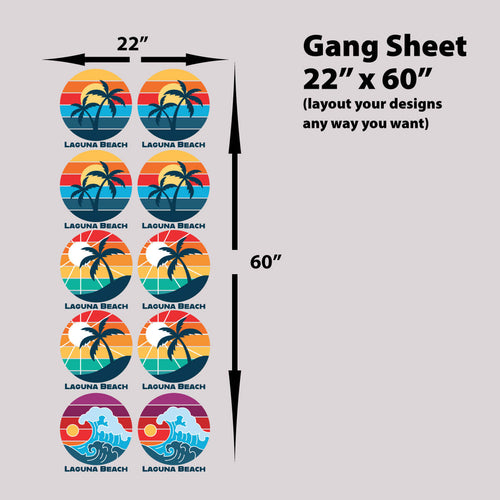
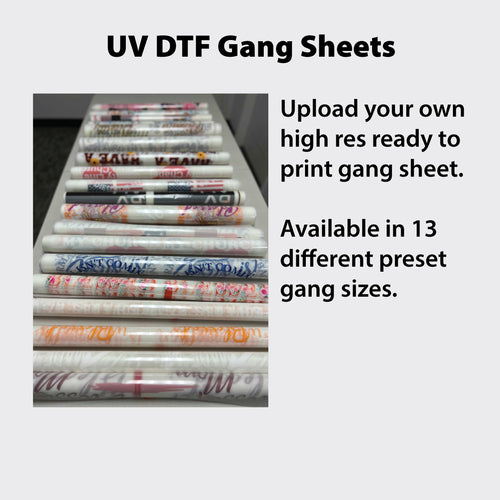
The real magic of DTF is how you can batch your orders. Instead of the one-design-per-screen limitation, you can cram a bunch of different designs onto a single sheet. This is where a good gang sheet builder becomes your best friend for keeping costs down.
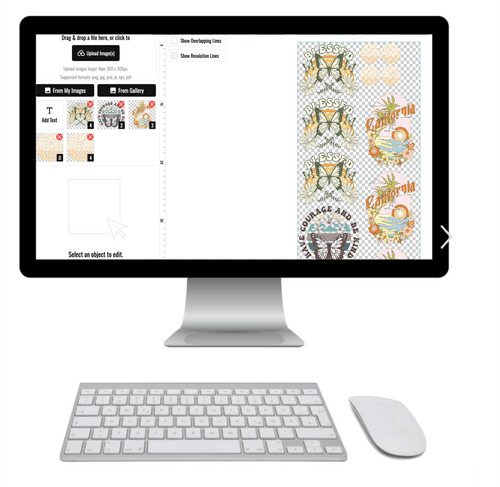
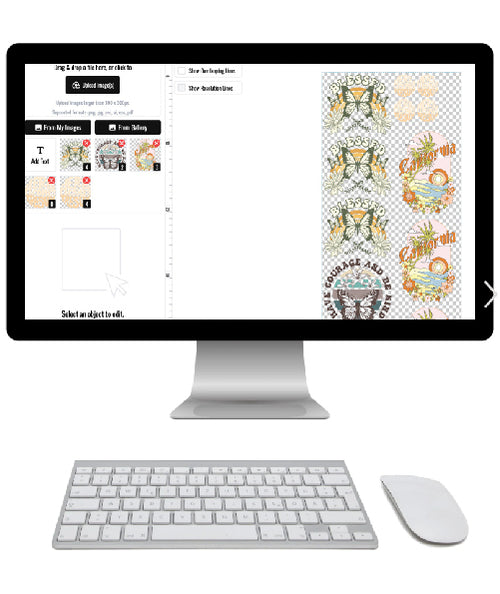
Our intuitive Auto-build gang sheet builder takes all the guesswork out of the process, making it incredibly simple and cost-effective to get top-quality prints without touching a screen. For ease of use, just upload and arrange your designs, as you can see here.
This approach helps you use every last square inch of the film, which seriously drops the cost per print. You can fit logos, full-sized graphics, and pocket hits all on one sheet, making it perfect for handling a bunch of small, diverse orders all at once.
For projects with complex color palettes or low quantities, DTF transfers offer a faster, more flexible, and often cheaper path to a professional-quality shirt. You get the vibrant, durable results you want without investing hours in screen preparation.
Answering Your Top At-Home Screen Printing Questions
When you first dive into screen printing, a million questions will pop up. That's a good thing! It means you're actually paying attention to the details that separate a 'meh' print from a great one. Let's clear up some of the most common hurdles you'll face when printing shirts at home.
What Mesh Count Should I Use for My T-Shirt Design?
Think of mesh count as the balance between ink flow and fine detail. It’s one of the first things you need to get right.
For those bold, chunky graphics or block letters you see on most tees, a 110 to 160 mesh count is your workhorse. The wider openings let a nice, thick layer of plastisol ink through, giving you that solid, opaque coverage everyone wants.
But what if your design has thinner lines, or you’re working with water-based inks that are a bit runnier? That's when you'll want to jump up to a 180 to 230 mesh count. And for those super-detailed prints with photographic halftones, you'll need a 305 mesh to hold all those tiny dots in place.
The rule of thumb is simple: lower mesh number = more ink, and a higher mesh number = more detail.
Why Is My Print Cracking or Fading After One Wash?
This is the classic sign of under-curing, hands down. It happens to everyone at first. Plastisol ink needs to hit a critical temperature of around 320°F (160°C) all the way through the ink layer, not just on the surface.
If only the top of the ink gets hot enough, the ink underneath stays wet. The first time it hits the washing machine, that uncured ink washes away, and the brittle top layer cracks and flakes right off. A non-contact laser thermometer is your best friend here—aim it at the ink right after you pull the heat away to make sure you’re hitting that magic number.
Can I Really Screen Print Multiple Colors at Home?
Absolutely. This is where the real fun begins and how you create those eye-popping designs. The whole game comes down to perfect alignment, which we call registration.
You’ll burn a separate screen for each color in your design. To make sure they all line up perfectly, you’ll add small crosshairs, or registration marks, to each color layer in your digital artwork. When you’re setting up on the press, you print the first color on a test shirt, then align the marks on your next screen directly on top of it before locking it down.
While a professional press makes this way easier, you can get amazing multi-color results with a simple setup and a little bit of patience.
Each of these hurdles is just part of the learning process. But sometimes, your designs are just too complex, or you only need a handful of multi-color shirts without going through all that setup. In those cases, the ease of use and cost-effectiveness of DTF transfers, created with our Auto-build gang sheet builder, make them a much faster and simpler alternative.
For vibrant, full-color designs without the screen prep, Lion DTF makes it incredibly simple. Our Auto-build gang sheet builder lets you pack multiple designs onto one sheet, making it both easy and cost-effective to get professional-quality prints ready to press.