


You've got the artwork. The mockup looks good. You can already see it on a tee, hoodie, or team shirt. Then the hard part starts. How do you get that design onto clothing without picking the wrong method and burning money on setup, blanks, or bad prints?
That confusion is normal. Printing clothing sounds simple from the outside, but the method you choose changes almost everything: what fabrics you can use, how sharp the design looks, how the print feels, how fast you can produce, and whether the order makes sense financially.
That matters because this isn't a tiny niche anymore. The global custom T-shirt printing market was valued at USD 5.16 billion in 2024 and is projected to reach USD 9.82 billion by 2030, with a projected 11.5% CAGR from 2025 to 2030, according to Printify's market overview of custom T-shirt printing. More sellers, more methods, and more garment options mean your printing choice has real business consequences.
A lot of guides just list methods and stop there. That's not enough when you're trying to price a run of event tees, test a merch brand, decorate mixed garments, or decide whether to outsource transfers or print in-house. What helps is a simple framework: order volume, design complexity, and fabric type. Those three factors drive most of the good decisions in apparel decoration.
Your Design Is Ready Now What
Start with three questions before you think about equipment, inks, or presses.
What are you printing on
A design for a 100% cotton tee gives you different options than the same design on polyester performance wear, a fleece hoodie, or a nylon jacket. Navigating these differences often trips up beginners. They choose a print method because it looks popular, then discover it doesn't play nicely with the blank they want to sell.
If you're printing clothing for a brand, this is even more important because most product lines don't stay limited to one fabric forever. You might start with tees, then add sweatshirts, tote bags, and uniforms. A method that works on one product may create headaches on the next.
How many pieces do you need
A one-off sample and a bulk fundraiser order are different jobs. One method might have more setup work but make sense on a bigger run. Another might let you print one shirt at a time without much prep.
That doesn't make one method “better” in every case. It means the right answer depends on the job in front of you.
Practical rule: Never pick a print method by habit. Pick it by garment, quantity, and artwork.
What does the artwork actually require
Some designs are simple logos with a few flat colors. Others use gradients, shadows, textures, or photo detail. Some need a soft hand feel. Some need bright, punchy color that stands out from across the room.
If you answer those three questions, most of the confusion starts to clear. You don't need to memorize every machine on the market. You just need to understand which process fits which kind of order.
That's where modern clothing printing gets easier to manage. Once you know the main methods and what each one is built for, you can stop guessing and start choosing with purpose.
An Overview of Modern Clothing Printing Methods
There are a lot of names in this space, but most clothing decorators work around a handful of core methods. Think of them as different ways to solve the same problem: getting artwork onto fabric cleanly, consistently, and profitably.

Screen printing
Screen printing works like a highly controlled stencil process. Ink is pushed through a mesh screen onto the garment, one color at a time. That's why it has been a long-running favorite for bold logos, team shirts, and larger batches.
If your art is simple and you're repeating the same design across many garments, screen printing still makes a lot of sense.
DTG printing
Direct-to-garment, or DTG, works more like a paper printer for fabric. The printer applies ink directly onto the shirt surface. It's great for detailed graphics and artwork with lots of color variation.
That digital approach is why many small brands first look at DTG. It feels approachable, especially for cotton tees and lower-quantity orders.
DTF transfers
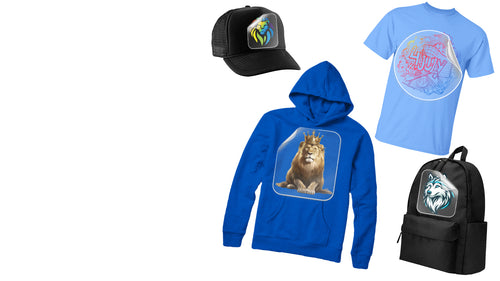
Direct-to-film, or DTF, prints the design onto film first, then transfers it to the garment with heat. If screen printing is a stencil and DTG is a fabric printer, DTF is more like creating a high-performance transfer that can be pressed when and where you need it.
For people new to the field, this method often becomes the practical middle ground between flexibility and production speed.
If you want a broader primer on apparel decoration terms, this overview of T-shirt printing methods is a useful companion.
Sublimation and other decoration methods
Sublimation is different from the methods above because the dye bonds into synthetic fibers instead of sitting on top. It's the standard option for polyester garments that need all-over color and long-lasting wear.
According to Design Brand Print's explanation of dye sublimation, the artwork is printed onto paper and heat-pressed at about 380-400°F, where the dye changes from solid to gas and bonds into synthetic fibers. That's why sublimation is especially durable on polyester and commonly used for all-over prints.
Other methods matter too:
- Heat transfer vinyl works well for names, numbers, and simple cut graphics.
- Embroidery isn't printing, but it's often the right decoration choice for polos, hats, and premium branded apparel.
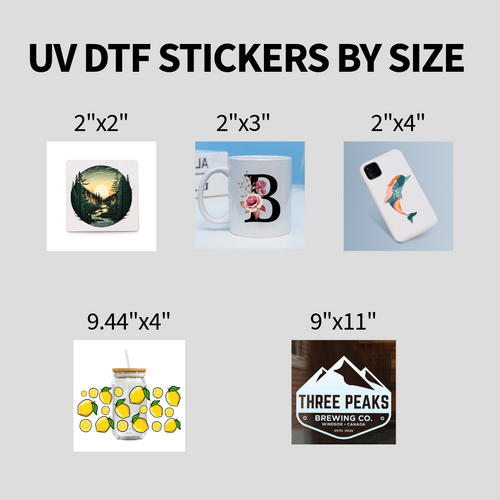
- UV DTF stickers aren't for fabric, but they're useful when a brand also wants hard-goods decoration.
The biggest mistake new sellers make is comparing methods as if they all do the same job equally well. They don't.
Once you see the methods as tools instead of rankings, the choices become much easier.
The Classics Screen Printing and DTG Printing
Two methods still anchor a lot of apparel production: screen printing and DTG. They're established for a reason. Both can produce strong results. But they solve different problems, and that difference affects your margins.

Why screen printing still matters
Screen printing is built for repetition. Once the screens are prepared and the press is set up, the same design can be printed again and again with consistent placement and color laydown.
That's why shops still lean on it for school orders, event shirts, uniforms, and merch runs with straightforward artwork.
Screen printing tends to fit best when:
- The order is larger and the same design repeats across many garments
- The artwork uses limited solid colors rather than photo detail
- The customer wants strong, durable prints and is fine with setup happening upfront
The trade-off is setup. Each color adds work, and complex designs make production less efficient. That's where some small creators hit a wall. A cool-looking design on screen doesn't always translate into an economical screen print job.
Where DTG earns its place
DTG is almost the opposite. It shines when you need flexibility more than repetition. Since the printer applies the design directly to the garment, it handles detailed artwork much more naturally than a color-separated screen print workflow.
It's a natural fit for online stores testing many designs, artist merch, and short runs where ordering in bulk would feel risky.
Here's a useful visual overview of the process differences and shop realities:
The limits people discover too late
DTG isn't magic. It generally performs strongest on cotton and high-cotton garments, and shops often have to think carefully about how the fabric and garment color affect the final print.
Screen printing has its own limits. It can become cumbersome when the art gets too detailed or the order includes many small variations.
For a swift understanding:
| Method | Strongest fit | Common friction point |
|---|---|---|
| Screen printing | Repeated designs on bigger runs | Setup and color complexity |
| DTG | Detailed art on cotton in short runs | Fabric flexibility and garment limitations |
If your order is simple and repetitive, screen printing is hard to ignore. If your artwork changes often, DTG is easier to live with.
Neither method is outdated. They just reward different kinds of jobs.
The Modern Contender Direct to Film Transfers
A lot of shops and sellers end up looking at DTF after they run into the limits of screen printing or DTG. They want full-color graphics, lower friction on short runs, and more freedom to print across different blanks without rebuilding the whole workflow.
That's where DTF stands out.
Why DTF feels more flexible
In DTF printing, the design is first printed onto PET film, then adhesive powder is applied and cured before the image is pressed onto the garment. That film-and-powder workflow is what makes DTF versatile across cotton, polyester, blends, fleece, and nylon, as explained in Printful's guide to T-shirt printing methods.
That single point changes a lot. You're not locked into one narrow garment category. You can use the same decoration approach across fashion tees, hoodies, workwear, athletic pieces, and mixed-fabric orders.
For a new brand or small shop, that flexibility matters more than people expect. Most businesses don't stay in one lane for long.
Why DTF works well for modern order patterns
A lot of apparel businesses don't run one large design all month. They run many designs, small batches, reorders, online drops, and mixed garment types. DTF fits that pattern well because the transfer can be produced first and applied when needed.
That creates practical advantages:
- Mixed inventory becomes easier because one design can move across several garment types
- Full-color artwork stays in play without forcing a bulk-only model
- Short-run selling is simpler because you don't need the same setup logic as screen printing
If you're comparing this process more closely with other digital methods, this DTF printing explainer gives a focused breakdown.
The honest trade-off
DTF is not the answer to every job. Some buyers are very particular about feel. Some shops have workflows already built around screen printing or DTG. Some projects belong in sublimation or embroidery instead.
But if you're printing clothing for real-world orders, not idealized textbook jobs, DTF solves a common business problem: one method that can cover a wider range of garments and design styles without turning every order into a separate production puzzle.
That's why so many creators and decorators see it as the modern contender. It's not trendy because it's new. It's useful because it matches the way people sell apparel now.
How to Choose Your Method Cost Durability and Color
Most bad print decisions happen because people compare methods in the abstract. They ask which process is “best” instead of asking which process makes the most sense for this garment, this artwork, and this quantity.
That's the gap many small shops run into. SKUP's discussion of T-shirt printing methods notes a real need for clearer guidance on economics for mixed-fabric inventories and short runs with full-color graphics. Their core point is the right choice depends on balancing softness, durability, turnaround, and setup costs for each job.
Use the three-factor filter
If you want a practical framework, start here:
-
Order volume
Are you printing one piece, a few dozen, or a repeated bulk run? -
Design complexity
Is the art a simple logo, or does it use gradients, textures, and many colors? -
Fabric type
Is the blank cotton, polyester, a blend, fleece, or something less standard?
These three factors usually tell you more than a giant list of features ever will.
Clothing Printing Method Comparison
| Factor | Screen Printing | DTG (Direct-to-Garment) | DTF (Direct-to-Film) |
|---|---|---|---|
| Best order pattern | Repeated larger runs | One-offs and smaller cotton-focused jobs | Short runs, mixed orders, and scalable transfer workflows |
| Design style | Simple to moderately complex art with limited colors | Detailed, photo-style, and multicolor art | Full-color graphics, bold detail, and varied design types |
| Fabric range | Commonly strong on cotton and similar basics | Best known for cotton-focused printing | Broad compatibility across multiple garment types |
| Setup profile | More prep upfront | Less setup for small jobs | Transfer-based workflow can simplify repeat application |
| Feel and finish | Depends on ink and artwork | Often preferred when softness matters on cotton | Depends on transfer and application settings |
| Operational fit | Great when the same design repeats | Great for testing designs without bulk commitment | Great when you need flexibility across blanks |
If you want a direct side-by-side on two of the most commonly compared options, this DTF vs DTG comparison is worth reviewing.
Match the method to the business model
A local school spirit shop and an online merch brand shouldn't make decisions the same way.
For example:
- Bulk event merch: screen printing often makes sense if the design is simple and repeated.
- Artist drops on cotton tees: DTG may fit if detail matters and quantities stay low.
- Boutique brand with tees, hoodies, and performance wear: DTF often becomes easier to scale because garment variety doesn't break the system.
What to prioritize when trade-offs appear
Sometimes there isn't a perfect answer. There's just a more useful one.
Don't ask which method has the most advantages on paper. Ask which method protects your margin on the actual order.
When you're stuck, use this priority order:
- Fabric first: If the method fights the blank, stop there.
- Artwork second: If the design loses its character in production, it's the wrong fit.
- Economics third: Once the first two work, choose the process that keeps your workflow efficient.
That sequence keeps you from forcing a job into the wrong method just because a machine is available.
Preparing Your Artwork and Production Workflow
Good printing starts before the press turns on. A weak file, sloppy placement plan, or rushed approval step can ruin an otherwise solid job.
Build a print-ready file
Most decorators want artwork that is clean, properly sized, and easy to process. In practice, that usually means checking a few basics before you upload anything:
- Use high resolution: A common target is 300 DPI at final print size.
- Remove unwanted backgrounds: Transparent backgrounds help avoid surprise boxes or halos.
- Choose the right file type: PNG files are common for digital printing, while AI files help when vector art is needed.
- Check edges and small details: Fine outlines and tiny text can behave differently on fabric than they do on screen.
If you're not confident in file prep, get help before production. Fixing art early is cheaper than reprinting garments later.
Placement matters more than people think
Standard center-chest placement is only standard on standard shirts. Once you move into oversized tees, hoodies, polos, baby items, or garments with seams and plackets, things shift fast.

A common challenge in apparel decoration is placement on non-standard items. Collars, seams, buttons, and unusual garment proportions all affect press contact and centering accuracy, often requiring adjustments of several inches compared with a standard tee, as discussed in this garment placement video on non-standard apparel.
That shows up in simple shop-floor mistakes:
- Oversized tees can swallow a design that looked perfect on a regular blank
- Hoodies may distort placement because of pocket seams or thick fabric transitions
- Polos introduce plackets and collars that shift visual center
- Tubular or twisted garments can look off even when measured carefully
On tricky garments, true center and visual center often aren't the same thing.
Keep the workflow simple
A clean workflow usually looks like this:
- Finalize artwork.
- Confirm garment type and color.
- Adjust placement to the specific blank.
- Approve a proof or mockup.
- Produce the transfer or print.
- Press, inspect, and pack.
If that sounds like a lot, that's because it is. Small errors compound fast in printing clothing.
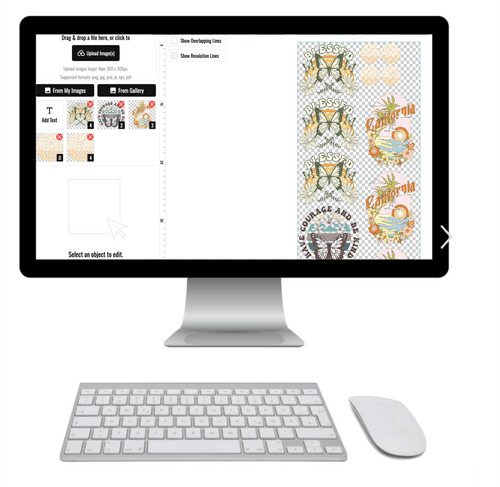
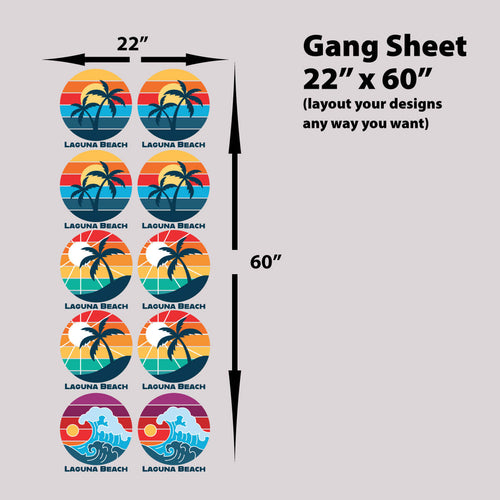
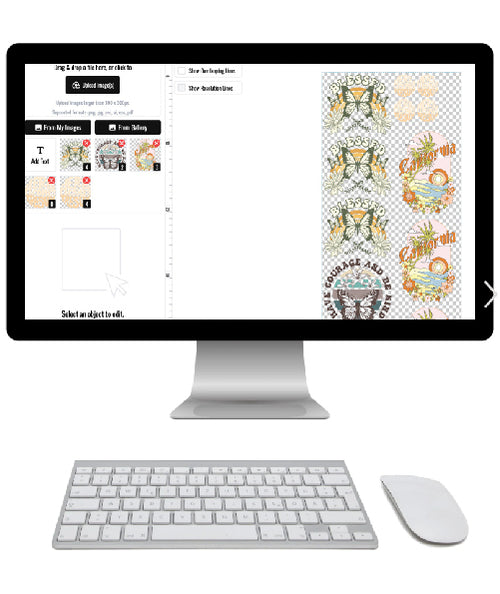
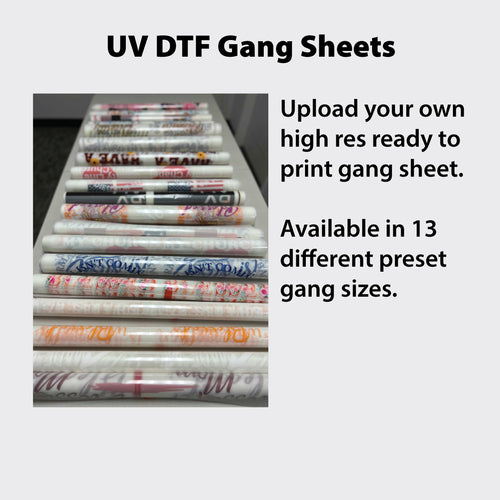
For shops and creators using transfer workflows, services that handle layout support can remove a lot of friction. The Auto-build gang sheet builder is helpful here because it simplifies arranging multiple designs efficiently, and a We Build a Gang Sheet for You option can make life easier when you don't want to manage spacing, nesting, or sheet planning yourself.
Ordering Transfers and Finding a Print Partner
You have orders coming in, the artwork is approved, and now you need to decide who will produce the transfers. For a small brand, this choice affects profit more than many people expect. A good partner saves time, reduces waste, and helps you keep promises to customers. A poor one turns every order into a guessing game.
If you are weighing in-house production against outsourcing, start with the same three factors that shape the rest of this guide: order volume, design complexity, and fabric type. Small batches with frequent artwork changes often make outsourcing easier. Larger repeat orders can justify bringing more steps inside your shop. Fabrics matter too, because a partner who prints clean transfers for cotton tees may not be equally reliable on performance blends, fleece, or stretch garments.

A strong print partner works like a dependable supplier in any trade. You send clear inputs, and you get consistent outputs. That means clear file requirements, predictable turnaround times, stable color handling, and support that answers practical questions without making you chase updates.
For creators using DTF workflows, providers like Lion DTF Transfers offer services for ordering transfers and building gang sheets.
Before you place a real production order, test the relationship with a small run. Check how the transfers are packaged, whether the colors match your file reasonably well, how well the print releases under the press, and how the finished design feels on the garment. If your business depends on repeat orders, consistency matters more than a flashy first sample.
The right partner should reduce decision fatigue. You should know what file to send, when the order will ship, and what result to expect on press. That kind of clarity is what lets a new apparel business scale without adding avoidable production problems.