







You're busy, the press is hot, orders keep coming in, and somehow the week still ends with too much overtime and not enough margin.
That's the reality in a lot of small print shops. Sales can look decent on paper, but payroll keeps chewing through the profit. The mistake is treating labor like a fixed burden you just have to live with. In most shops, labor leaks out through dozens of small failures: bad handoffs, repeated art checks, setup done twice, press operators waiting on files, packers fixing mistakes that should never have reached the table.
If you want to know how to reduce labor costs, start with this: stop looking only at hourly wages. In a print shop, labor cost lives inside every minute of friction. It shows up in overtime, reprints, idle press time, rushed finishing, manual gang sheet building, and all the little jobs nobody thinks to measure.
Your Biggest Expense Might Be Your Biggest Opportunity
Monday starts with a full board, two rush orders, and a crew that looks busy from open to close. By Friday, the shop still paid overtime, one order got reworked, and the owner is staring at a decent sales week with thin profit. I see that pattern all the time in apparel and merch shops.
Labor usually takes the blame only after materials, rent, or equipment payments start hurting. That is backwards. In a small print shop, labor is the cost that multiplies every weak process in the building.
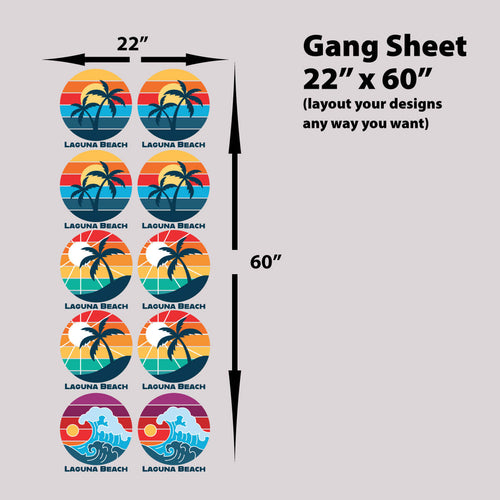
A bad art handoff adds five minutes. A DTF gang sheet gets built manually instead of from a repeatable template and burns another ten. Prints sit while someone hunts down missing sizes. Packing fixes a sorting mistake that started at the press. None of those errors looks serious on its own. Put them across 20, 40, or 80 jobs a week and payroll starts eating margin faster than blanks or film.
The shops under pressure usually are not overstaffed and they usually are not paying too much. They are paying skilled people to do low-value work, to wait, and to correct preventable mistakes.
Labor cost control means getting more sellable output from each paid hour, without grinding the team down.
That distinction matters. Cutting wages is blunt and usually short-lived. Cleaning up production flow lasts longer, especially in DTF shops where file prep, ganging, powdering, curing, trimming, and packout create a lot of small chances to waste labor.
Owners who improve margin fastest tend to treat labor as an operations problem first. They tighten intake. They standardize repeat jobs. They reduce touches per order. They protect operator time for work that ships. If you also want to improve profitability from the pricing and sales side, this guide on how to improve profit margins for print shops covers that side of the equation.
Audit Your Workflow to Find Hidden Labor Costs
Most owners guess where labor is getting wasted. Guessing is expensive. You need to see the work the way the clock sees it.

Start with the full labor burden
Hourly wage is only part of the picture. A practical way to reduce labor costs is to calculate the full labor burden rate for each role, including base pay, overtime, payroll taxes, mandatory insurance, and fringe benefits, then use that number to target the highest-cost hours and roles, as outlined in this labor burden framework.
If your press operator costs more per paid hour than your packer, then a preventable press delay is more expensive than a packing delay. If your lead finisher regularly runs into overtime, their last hour of the day may be the most expensive hour in the building.
Use a simple worksheet with each role listed by:
- Base pay
- Typical overtime exposure
- Payroll taxes and insurance
- Benefits or allowances
- True cost per paid hour
You don't need accounting software to start. A spreadsheet is enough if it's accurate.
Track labor by production stage
Then split the shop into actual work zones. In DTF and apparel production, that usually means:
-
Order intake and art review
File problems, missing sizing notes, and unclear customer instructions often start the labor leak before production begins. -
Prepress and gang sheet prep
A lot of shops waste serious time in these tasks. Manual layout, repeated resizing, and last-minute file cleanup all add paid minutes. -
Printing or transfer handling
Include setup, waiting time, machine babysitting, and stoppages caused by upstream issues. -
Pressing and finishing
Count changeovers, garment sorting, thread trimming, fold prep, and quality checks. -
Packing and exception handling
Exceptions matter. Wrong names, mixed sizes, missing pieces, and address fixes all burn labor.
Don't track forever. Track hard for a short window. A focused audit across normal production days will show you more than months of vague instinct.
Practical rule: If a task happens every day, measure it. If a problem happens every week, measure that too.
Look for micro-waste, not just big bottlenecks
Most generic advice often proves inadequate. Shops don't lose labor only through giant failures. They lose it through small, repeatable friction.
A 2024 McKinsey report on manufacturing efficiency found that 15% of total labor costs in small-to-mid enterprises stem from non-value-added activities like waiting, rework, and administrative delays. That's the kind of waste process audits and automation can target directly.
Here's the lens I use in print environments:
| Workflow point | What to look for | Why it matters |
|---|---|---|
| Art intake | Missing print-ready files, inconsistent naming | Forces back-and-forth before work starts |
| Gang sheet prep | Manual placement, repeated resizing | Eats designer and operator time |
| Shift handoff | No clear job status notes | The next person repeats checks |
| Press station | Waiting on garments, transfers, or instructions | Paid idle time |
| Final QC | Rework from preventable setup mistakes | Labor gets spent twice |
The audit isn't about blaming staff. It's about seeing whether your system forces good people to do dumb work.
What usually surprises owners
The first surprise is that the obvious problem isn't always the expensive one. A press may look like the bottleneck, but the actual issue might be art prep delaying the entire line. The second surprise is how much labor gets hidden inside “just a few minutes.”
If you want to know how to reduce labor costs without wrecking morale, start here. Measure the work. Name the waste. Then fix the system before you ask people to work faster.
Streamline Operations with Smarter Internal Processes
Once you know where the time goes, you can improve output without buying another machine or cutting headcount. That matters because the lever isn't lower pay. It's more usable production per paid hour.
The U.S. Bureau of Labor Statistics notes that increases in hourly compensation raise unit labor costs, while productivity increases offset those increases and lower unit labor costs, as shown in BLS productivity data. In shop terms, that means a better workflow beats a cheaper payroll strategy.

Batch work that should travel together
Small shops love to stay flexible. That often turns into chaos.
If every order is treated like a one-off emergency, labor cost climbs fast. Group jobs by transfer type, garment type, press setup, or finishing method. Batch similar work so the team isn't constantly resetting tables, changing instructions, and hunting for the next item.
A common example is gang sheet work versus one-off handling. If you're still processing pieces in a fragmented way, compare the labor logic behind gang sheet printing vs individual printing. The difference isn't only material usage. It's touches, setups, and interruptions.
Build SOPs for repetitive work
Most shops have “training” that lives in somebody's head. That's risky and expensive.
Create short SOPs for:
- Art intake checks so the same file issues don't keep reaching production
- Press setup so operators use one sequence every time
- Shift handoff so the next person knows exactly what's printed, pressed, packed, or waiting
- Final QC so quality is checked once, not argued over three times
Keep SOPs visual and short. One page is better than a binder nobody reads.
A good SOP doesn't make people slower. It removes the decisions they should never have to make twice.
Cross-train for flow, not for appearances
Cross-training gets thrown around a lot, but it only helps when it solves a real scheduling problem.
Don't cross-train everybody on everything. Cross-train around the points where work stacks up. If your closer always gets trapped because packing falls behind, teach one production person to step into packing cleanly. If prepress stalls because only one person can fix files, teach a second person the intake standards and correction routine.
That gives you flexibility in the moments that cost money:
- Call-outs
- Rush periods
- Shift overlaps
- Late-stage bottlenecks
Fix handoffs before buying software
A lot of owners want software to solve what is really a handoff problem. Before you automate anything, answer these questions:
| Question | Good answer | Bad answer |
|---|---|---|
| Who owns job status? | One person or one clear system | “Everybody kind of knows” |
| Where are rush jobs flagged? | One visible place | Texts, sticky notes, memory |
| When is art approved? | Before production queue | During production |
| Who signs off on reprints? | One accountable role | Whoever notices the problem |
Most labor waste in small shops comes from confusion, not from lack of effort. Clean internal process is still the cheapest fix in the building.
Automate and Outsource to Reclaim Wasted Hours
A small shop owner spends half the morning answering proof emails, fixing job notes, and chasing status updates. By lunch, the presses are running, but the office has already burned hours on work that did not improve a single print. That is the labor you want back.
Once the floor process is clean, the next margin gains usually come from two moves: automate the repeatable admin and outsource the work that keeps dragging your team off production.

What to automate first
Start with tasks that follow the same rule every time. In print shops, that usually means the low-value office work that interrupts people all day.
Good first targets:
- Order confirmations sent from templates instead of typed one by one
- Proof reminders triggered automatically after a set number of hours
- Job status updates that pull from your production board or shop software
- Queue tags and routing so each order reaches the right station with the right notes attached
- Time tracking and attendance alerts so scheduling issues show up early, not after payroll
The rule is simple. If a task needs judgment, keep a person on it. If it needs consistency, automate it.
One warning. Bad process automated is still bad process, just faster. If your team still relies on texts, memory, and side conversations to move jobs, software will make the mess harder to spot.
What to outsource without creating new problems
Outsourcing works when the handoff is clear and the standard is easy to verify. It fails when the shop sends vague instructions and hopes the vendor will figure it out.
Here's the practical split:
| Keep in-house when | Outsource when |
|---|---|
| The task changes job by job and needs shop judgment | The task follows a stable spec every time |
| Speed and direct customer communication matter | Turnaround is predictable and can be planned |
| The work is part of your sales edge | The work mainly ties up labor and equipment |
| You already do it well at your current volume | Your team loses time maintaining, fixing, or babysitting it |
For DTF shops, this often shows up in equipment decisions. A printer that looks cheaper on paper can cost more in operator time, maintenance, head cleaning, troubleshooting, and reprints. If you are deciding what belongs in-house, this guide to the best DTF printer for small business can help you compare the labor trade-offs, not just the hardware price.
Outsource with a rule sheet, not a phone call. File naming, print size tolerances, color expectations, turnaround times, and reprint responsibility should be written down before the first order leaves your shop.
Buy back skilled hours
Good automation and smart outsourcing do more than trim payroll. They protect your best labor from getting buried in clerical work and machine babysitting.
That matters in small apparel shops because one strong employee often carries three jobs. If that person is stuck sending reminders, correcting routine order entry mistakes, or fighting with unreliable equipment, you are paying skilled wages for low-value tasks.
If your highest-paid people spend their day cleaning up preventable admin work, the problem is not effort. The problem is where the hours are going.
The shops that improve margin here usually make a few boring changes that stick. Auto-send the routine messages. Push standardized work outside the building when someone else can do it cleaner. Keep judgment, customer communication, and production control with your team. That is how wasted hours start turning back into profit.
Master DTF Production to Slash Print-Specific Labor
A small DTF shop can lose margin on a 24-piece order without missing a single sale. The art comes in crooked, someone rebuilds the gang sheet by hand, the press operator pauses to figure out which transfer matches which garment, then two shirts get repressed because the size was wrong. The invoice looks fine. The labor does not.
That is why print-specific labor has to be managed at the touch level. In DTF, profit leaks out through handling, file prep, sorting, staging, repressing, and avoidable questions at the heat press.

The practical question is simple. How many times does each order get touched before it ships?
Shops that control DTF labor usually do not have magical staff. They remove tiny bits of wasted motion that happen on every order. A few minutes in prepress, a few more at staging, another few in rework. Across a week, that turns into a real payroll problem.
Use gang sheets as a labor tool, not just a material tool
A lot of owners treat gang sheets like a film-efficiency tactic. They are also one of the fastest ways to cut handling.
A well-built gang sheet reduces:
- Repeat setup for similar prints
- Extra press cycles
- Sorting confusion
- Loose transfers floating around the table
- Stops between left chest, full back, sleeve, and tag jobs
This shows up fast on school orders, event shirts, brand merch, and any run with mixed placements. One organized sheet keeps the operator in rhythm. One sloppy sheet creates searching, second-guessing, and press downtime.
The mistake is manual layout.
If a staff member is spending chunks of the day resizing art, arranging logos, checking spacing, and rebuilding the same style of sheet over and over, that labor is eating margin before the printer even starts.
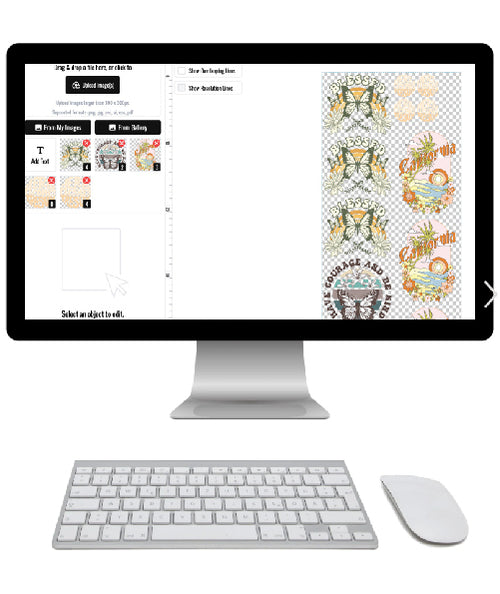
Use an auto-build tool for routine layouts
Auto-build gang sheet software earns its keep in one place. It takes repetitive layout work away from skilled staff.
That matters because manual gang sheet building is not creative work. It is digital housekeeping. It still has to be done correctly, but it does not need a strong operator burning an hour on drag-and-drop placement for standard jobs.
The labor gain usually shows up in three places:
- Less prepress time per order
- Fewer placement and sizing mistakes
- Faster handoff from approved art to production
I have seen shops argue over film costs while ignoring the fact that someone is spending half the afternoon building basic layouts by hand. Film waste hurts. Paid prepress time on repeatable work hurts every day.
If the same type of order keeps requiring custom layout labor, the process is the problem.
Offload repetitive prep when your queue gets tight
Some shops should keep technical prep inside. Some should not. The right answer depends on order mix, staff skill, and how often your production lead gets dragged back to a screen to clean up files.
The best line to draw is this. Keep judgment in-house. Offload repetitive construction.
A done-for-you prep service can take sizing, spacing, cleanup, and arrangement off your team's plate during busy weeks. That is often a better trade than making a production employee stop the floor to fix routine setup issues. Small shops feel this more than larger ones because the same person is usually wearing prepress, production, and QC hats.
Tighten the handoff into the press area
A heat press station should not function like a detective desk.
The operator should not be figuring out garment order, transfer sequence, special instructions, or whether a name drop belongs on this stack or the next one. If that information gets solved at the press, labor cost climbs and error rates go with it.
Use a simple staging standard:
- Garments stacked in press order
- Transfers stacked in the same order
- Placement notes visible before pressing starts
- Exceptions separated from standard runs
- Rush jobs flagged so they do not get buried or mixed in
That sounds basic because it is. It also saves a surprising amount of paid time.
A quick visual overview helps if your team is still learning efficient gang sheet workflow:
Treat rework like a production tax
Rework is one of the ugliest labor drains in DTF because the same garment gets handled twice, sometimes three times. You already paid for the original press time, sorting time, and QC time. Now you are paying again.
The usual causes are not complicated:
- Wrong transfer size
- Bad or unclear art instructions
- Inconsistent press settings
- Mixed-up order sorting
- Weak QC before packing
The fix is not “be more careful.” The fix is putting checks before the labor-heavy step. Confirm size before pressing. Confirm notes before staging. Confirm order grouping before the stack hits the table. Catching mistakes after application is expensive and slow.
Measure labor by order type, not by the day
If all labor gets lumped into one production bucket, the worst jobs hide inside the average.
Break orders into categories such as:
- Repeat logo jobs
- Multi-location prints
- Team and school orders with names
- One-off customs
- Rush work
Then compare which jobs create the most handling, questions, and rework. That is where pricing, minimums, art rules, and turnaround policy need to change.
A lot of DTF shops assume their margin problem lives in supplies or payroll rate. Often it lives in the extra six minutes attached to every order that should have been simple. Remove those touches, and labor cost drops without cutting service or pushing the team harder.
Building a Leaner and More Resilient Business
Friday at 4:30, a rush order lands, two jobs are waiting on art approval, and someone is still trimming gang sheet pieces that should have been ready an hour ago. Shops do not get fragile because labor costs are too low. They get fragile because too many paid hours are tied up in avoidable handling.
A lean shop holds up better under pressure because the work is cleaner. Orders move with fewer stops. Good employees spend more time producing and less time fixing preventable messes. In a DTF operation, that difference usually comes from small process decisions that compound across every order.
The morale piece matters, but not because of a survey number. Teams usually respond well when a process change removes repeat questions, cleanup, sorting mistakes, and late-night rework. They push back when "cost control" means cutting hours while the same broken workflow stays in place.
What actually helps
The shops that protect margin over time tend to do a few things consistently:
- Track labor at the task level, especially artwork prep, gang sheet setup, sorting, pressing, and pack-out
- Set one best method for repeat jobs so operators are not making judgment calls on routine work
- Move QC earlier where mistakes are cheaper to catch
- Use outside help for low-value prep work when in-house staff should be printing, pressing, or handling customers
- Build staffing around real demand patterns instead of carrying the same labor shape every week
- Explain process changes in plain language so the team knows what problem is being fixed
The shops that stay stuck usually make the same mistakes:
- Cut hours first and ask process questions later
- Keep manual DTF file setup in-house even when it eats skilled production time
- Accept every rush request without a rule or surcharge
- Let experienced staff handle basic repetitive tasks that software or a vendor can take off their plate
- Review labor only in payroll reports instead of on the production floor
One warning. Lean only works if the standard is clear. If every operator presses a little differently, sorts orders differently, or names files differently, labor creeps right back in.
Keep the team on the same side
Owners often frame labor reduction as discipline. Good teams hear that as, "prepare to do more with less." A better approach is to tie every change to a daily irritation they already know well: missing art notes, repeated gang sheet edits, unclear binning, bad handoffs, and rush jobs that blow up the queue.
That is usually where buy-in comes from.
The goal is a shop that can absorb a busy week without slipping into overtime, mistakes, and apology emails. For many DTF shops, one of the fastest ways to get there is cutting manual gang sheet work out of standard production.
If you want a practical way to cut wasted production time, Lion DTF Transfers is worth a close look. Their platform makes it easier to order ready-to-press transfers, and their Auto-build gang sheet builder helps eliminate one of the most repetitive labor sinks in a print shop. For small apparel businesses trying to protect margin without adding complexity, that kind of speed and consistency matters.