







Orders are going out. The shop feels busy. The printer is running, blanks are coming in, customers are asking for rush turnaround, and revenue looks decent on paper. Then you check the month-end numbers and realize the business worked hard for a result that feels too small.
That usually means margin leakage, not a sales problem.
In print, profit rarely disappears because of one dramatic mistake. It leaks out through small discounts, underpriced rush work, waste on gang sheets, extra touchpoints in prepress, dead inventory, and product mixes that keep you busy without paying you back. If you want to know how to improve profit margins, start by looking at how a job moves through your shop, not just what the invoice says.
A lot of owners go straight to “raise prices” or “cut costs.” Sometimes that's necessary. Most of the time, the faster win is margin redesign. Sell better combinations. standardize more work. Remove low-value exceptions. Push more orders toward efficient formats like gang sheets. Charge for speed when speed creates value. Protect every square inch of film and every minute of labor.
Your First Step Diagnosing Margin Leaks
If sales are steady but cash feels tight, stop guessing. Run a margin audit.
The fastest way to find real profit problems is simple: break costs into variable and fixed buckets, then review profitability by product or service line. Expert guidance recommends a cost audit, followed by line-item analysis by product or service to compute gross margin and rank SKUs by contribution. That's the fastest way to see what deserves more marketing, what needs repricing, and what should be removed, as explained in this guidance on cost audit and SKU contribution analysis.
Start with two numbers that matter
You don't need fancy accounting language to do this well. In a print shop, two numbers tell most of the story:
- Gross margin tells you what's left after direct production costs.
- Contribution margin tells you what each job contributes after the variable costs tied to that order.
For DTF work, variable costs usually include film, powder, ink, transfer purchase cost, blanks, packaging, and direct labor tied to production. Fixed costs usually include rent, software, equipment payments, and baseline admin overhead.
If you mix those together, you'll convince yourself an order is profitable just because money came in.
Practical rule: If a job barely covers its variable cost and ties up your team, it isn't helping your shop. It's blocking better work.
Run a fast cost audit by product type
Pull recent orders and sort them into the categories you sell. For most shops, that means things like custom gang sheets, single-image transfers, left chest plus full-back shirt sets, rush orders, and add-ons like labels or stickers.
Then review each category:
- List what the order consumed. Film area, ink use, blank garment, labor touches, packaging, spoilage, and shipping-related handling.
- Mark what changes with volume. Those are your variable costs.
- Separate what you'd pay anyway. Those are fixed costs.
- Compare similar jobs. A standard gang sheet order and a custom one-off may have similar revenue but very different labor.
- Flag exception work. Edits, reprints, special handling, customer file cleanup, and deadline compression often kill margin.
A lot of shops discover they don't have a pricing issue first. They have a format issue. They're accepting too many low-efficiency orders instead of guiding buyers toward more efficient production methods. If you need a practical example of that difference, this breakdown of gang sheet printing vs. individual printing is worth reviewing.
Look for leaks you can fix this week
The common ones are familiar:
| Margin leak | What it looks like in a print shop |
|---|---|
| Underpriced rush work | Same-day or next-day jobs priced like standard turnaround |
| Waste on layout | Unused film space, duplicated setup time, manual nesting mistakes |
| Low-margin customization | Constant art edits, tiny runs, approval delays |
| Dead inventory | Blanks or supplies purchased for one idea, then forgotten |
| Discount drift | Small “courtesy” price cuts that become the norm |
A foundational way to improve profit margins is to reduce revenue lost to discounting and dead inventory. In U.S. retail, the average gross margin in 2024 was about 41.8%, which shows why even small pricing or cost changes matter when margins are already tight, as noted in this Investopedia overview on improving net margin.
That's your baseline mindset. Don't chase more orders until you know which ones are paying you.
Boost Revenue Without Finding New Customers
Most shops have more money sitting inside current orders than they realize.
The mistake is pricing from cost alone. If a customer needs a rush job for an event, wants premium feel, needs names added, or values a cleaner finish, they're not buying ink and film. They're buying speed, convenience, presentation, and reduced hassle. That's where margin lives.
Stop pricing like every order is the same
Value-based pricing works better than cost-plus when customers place different value on the same output. Guidance on improving margin recommends monitoring sales, revenue, and margins after each price adjustment, using segmented pricing when different customer groups value the same offer differently, and prioritizing high-margin products and services instead of chasing volume alone, as outlined in this article on value-based pricing and segmented price monitoring.
In print, that means you shouldn't price these as identical:
- a standard reorder with clean files
- a first-time customer needing file cleanup
- a school order with individual names
- a local brand that needs fast turnaround before a pop-up
- a corporate buyer who cares more about consistency than bargain pricing
Same press. Different value.
Add revenue where labor barely changes
The easiest margin gain often comes from add-ons that fit the same workflow.
A customer ordering event shirts may also need inside neck labels, sleeve prints, extra location prints, or UV DTF stickers for packaging, laptops, tumblers, or promo handouts. A rush customer may gladly pay for priority turnaround because the alternative is missing their deadline. A buyer comparing shirt quality may choose the softer blank if you frame it as a better retail feel, not just a higher line item.
Use short option stacks instead of giant menus:
| Order type | Better offer structure |
|---|---|
| Basic shirt order | Standard blank, premium blank, retail-feel blank |
| Deadline-sensitive order | Standard turnaround, rush turnaround, priority queue |
| Brand launch order | Shirts only, shirts plus neck labels, shirts plus labels and stickers |
| Team or event order | Group print, group print plus names, full kit bundle |
That structure matters because broad custom quoting slows you down. Tiered offers make the decision easier for the customer and cleaner for your team.
Customers rarely object to paying more for value they can see. They object to vague price increases with no difference in the offer.
Push the right product mix
If you want to know how to improve profit margins without living in sales mode, study your product mix.
Some products make money because they're efficient to produce. Others make money because customers perceive them as premium. The winners are the ones that do both. In a print shop, that often means promoting gang sheet-friendly jobs, premium shirt upgrades, simple add-on decoration, and repeatable bundles over one-off custom chaos.
One practical way to tighten that up is to review how you price apparel jobs and where your quote leaves room for better options. This guide on how to price custom shirts is useful if you need a cleaner structure.
A common trap is pushing top-line revenue with offers that create extra labor, extra communication, and extra spoilage. That's not growth. That's expensive busyness.
Slash Hidden Costs and Operational Waste
Material waste and time waste are the quiet killers.
Most owners notice blank costs first because the invoice is obvious. The bigger damage often comes from manual layout, extra revisions, poor batching, duplicated touches, and jobs that bounce around the shop because nobody standardized the workflow. If you're serious about how to improve profit margins, fix the way work moves.
Treat labor minutes like material
Shops often track film and ink more carefully than prepress time. That's backwards.
A team member spending extra time arranging art, fixing spacing, rebuilding gang sheets, or answering preventable proof questions is burning margin just as surely as wasted transfer space. That labor doesn't always show up cleanly on the invoice, so owners underestimate it.
Industry guidance consistently points to automation, lean workflows, and stronger inventory management as core ways to reduce operating costs and improve net margin. It also notes that modern margin improvement has shifted from selling more to redesigning the cost structure, as explained in this article on automation, lean workflows, and inventory management.
Cut waste where it starts
You don't need a full operational overhaul to get a result. Start with the places where one change affects every order:
- Standardize intake so files arrive in the right format more often.
- Batch similar jobs so setup and handling stay tight.
- Set rules for rush work instead of negotiating every exception manually.
- Review low-margin SKUs and remove the ones that create complexity without enough return.
- Tighten purchasing so blanks and consumables match what sells.
Then automate the tasks that don't deserve human time.
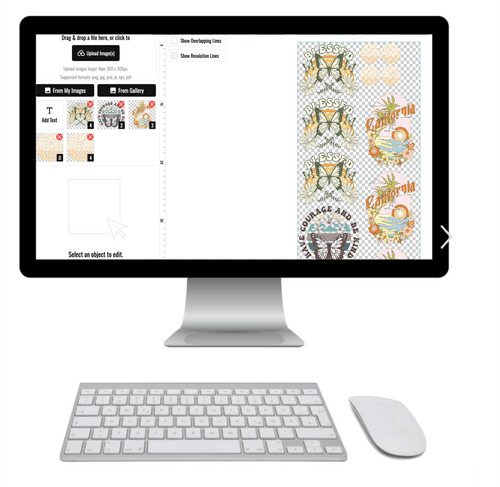
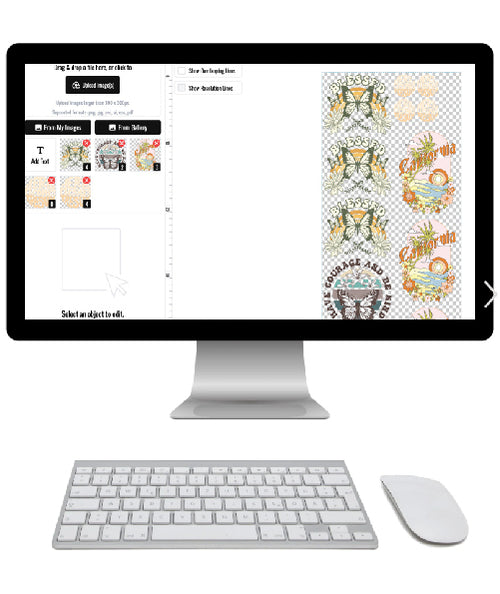
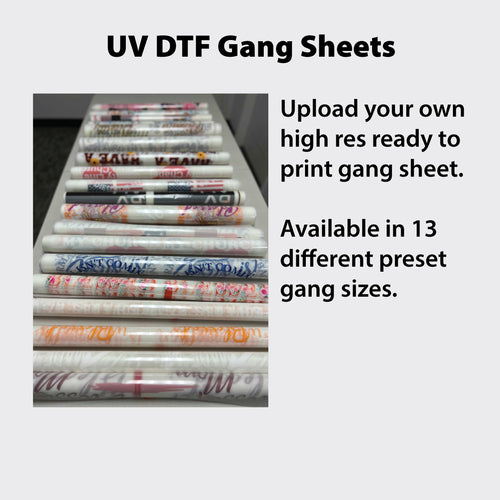
For DTF-heavy shops, gang sheet creation is one of the clearest examples. Manual layout invites waste. It also creates hidden inconsistency between operators. A builder tool can reduce setup friction and use sheet space more efficiently. The DTF gang sheet builder is one example, and Lion DTF Transfers also offers an Auto-build gang sheet builder that arranges artwork for ease of use and cost effectiveness when a shop wants to reduce manual nesting time.
Remove the jobs that look busy but pay poorly
Some work should be declined, repriced, or boxed into a stricter format.
That usually includes:
- Tiny custom runs with high touchpoints
- Rush jobs with unclear files
- Frequent exception orders
- Products that require too much handholding
- Low-volume SKUs nobody asks for consistently
Shop-floor reality: The order that creates the most emails is often the one with the weakest margin.
Inventory discipline matters here too. A shelf full of odd blank colors and sizes bought for “future use” is margin trapped in cardboard. Standardization won't feel glamorous, but it pays.
A Real World Margin Makeover Example
A common order tells the story better than theory.
A local business needs 50 custom shirts for an event. On the surface, that sounds fine. The shop quotes the shirts, takes the art, and gets to work. Revenue lands. Everyone moves on. Then the owner wonders why the job felt heavier than the profit.
The ordinary version
The customer asks for a basic shirt. The shop quotes the default blank. Art comes in scattered across multiple files. Someone on staff manually lays out the transfer sheet. There's a little wasted space because the arrangement wasn't optimized. The buyer asks late in the process whether the order can be moved up. The shop says yes without a clear rush structure.
Nothing about that order looks disastrous. That's the point.
The margin gets shaved in pieces:
- prepress takes longer than expected
- the gang sheet layout leaves waste
- the rush request disrupts the queue
- the job includes extra communication that nobody billed
- the order is sold as a commodity instead of a solution
The redesigned version
Now take the same customer and run the order with better discipline.
The quote includes a standard option and a premium soft-style option. The customer chooses premium because the event is customer-facing and they want the shirts to feel better. The shop also offers a small add-on bundle of UV DTF stickers for laptops and giveaway items. The buyer says yes because the branding work is already done and the event team can use them immediately.
Production stays cleaner too. The artwork gets placed into an automated gang sheet workflow instead of being nested manually. The shop keeps a standard turnaround tier and a paid rush tier, so speed becomes a priced service instead of a favor.
That's margin redesign. You didn't rely on a blunt across-the-board price increase. You changed what was sold, how it was packaged, and how it was produced. That approach is especially relevant in custom manufacturing and print workflows, as noted in this piece on margin redesign in product mix and bundling.
What changed in practice
| Before | After |
|---|---|
| Basic quote only | Premium blank option included |
| Shirts only | Shirts plus complementary add-on bundle |
| Manual gang sheet layout | Automated layout approach |
| Rush handled informally | Rush sold as a defined tier |
| Commodity sale | Value-based package |
The result is a better order, not just a higher invoice. The shop protects labor, reduces waste, and earns more from the same customer without needing to hunt for another lead.
How to Measure What Truly Matters
Most print shops don't need a giant KPI dashboard. They need a short list they'll review.
The right metrics should answer three questions fast. Are you earning more per order? Are you wasting less in production? Are you spending your team's time on the right work?
Three KPIs worth tracking weekly
Average order value tells you whether your bundles, upgrades, and add-ons are landing. If AOV stays flat after you roll out premium options, the offer probably isn't clear enough or your team isn't presenting it consistently.
Material waste percentage shows whether your layout discipline is improving. You don't need a complicated system. Track what gets purchased, what gets used, and what gets scrapped from poor nesting, bad files, or reprints. If waste climbs, don't blame materials first. Look at intake, setup, and operator consistency.
Contribution margin per production hour is the sharpest metric for a small shop. It helps you compare jobs that look similar on the invoice but behave very differently on the floor. A repeat gang sheet reorder might beat a custom low-volume rush job even if top-line revenue is lower, because it takes less labor and creates less disruption.
Use the numbers to make decisions, not reports
A KPI should trigger action.
If AOV rises, push the offer harder. If waste spikes, review file handling and gang sheet rules. If contribution margin per production hour drops on a category of work, either reprice it, standardize it, or stop taking it.
Try a simple review rhythm:
- Every week: Review top and bottom job types by contribution.
- Every two weeks: Check waste sources and reprint reasons.
- Every month: Review which customer types create the cleanest margin.
- Every quarter: Remove at least one product, option, or workflow that causes friction.
The cleanest shops operationally are usually the cleanest shops financially. They know which jobs deserve attention and which ones deserve a “no.”
Keep your dashboard small
A short table is enough for many shops:
| KPI | What it tells you | What to do if it slips |
|---|---|---|
| Average order value | Whether upgrades and bundles are working | Improve offer structure and quoting |
| Material waste percentage | Whether production setup is efficient | Tighten layout and file intake |
| Contribution margin per hour | Which jobs pay best for the time used | Reprice, standardize, or remove weak work |
That's enough to manage by. Anything more is noise unless your team already acts on the basics.
Putting Your Profit Playbook Into Action
Shops improve margin when they stop treating profit as a leftover.
The practical path is straightforward. Audit the order mix. Separate variable from fixed costs. Push buyers into better formats. Sell more value inside the orders you already have. Standardize production. Remove the kinds of jobs that create motion without enough contribution.
The strongest operators treat margin as an ongoing defense system, not a one-time cleanup project. A more nuanced approach is to track contribution margin by SKU or customer, make smaller but more frequent price resets, and remove low-margin rush or exception work before it erodes profitability, as explained in this article on continuous margin defense and margin erosion prevention.
That's the key to improving profit margins in a print business. Not one dramatic fix. A stack of disciplined decisions.
Start with one move this week:
- Audit one product line and rank it by contribution.
- Create one premium bundle for a common order type.
- Set one formal rush tier so urgency gets priced.
- Standardize one intake rule that cuts rework.
- Shift one recurring order into a gang sheet-friendly format.
Small improvements compound when they happen in the right places. In print, every cleaner quote, tighter layout, and better product mix choice gives you a little margin back. Enough of those decisions, and the shop stops feeling busy and starts feeling profitable.
If you want a simpler production workflow for transfers and gang sheets, Lion DTF Transfers offers online gang sheet ordering, custom transfer options, and tools that can help print shops reduce layout friction, standardize repeat work, and build more margin into everyday orders.