



You've got the transfers, the shirts, and a home iron sitting on the table. That's usually the moment people start second-guessing the whole project.
The good news is that how to apply dtf transfers with iron isn't guesswork if you treat it like a controlled process instead of regular ironing. The bad results people complain about usually come from three avoidable mistakes: too much steam, too little pressure, and trying to glide the iron around like they're pressing dress shirts.
A home iron can absolutely produce a clean, durable DTF print. But it won't forgive sloppy setup. If you want the design to bond well, survive washing, and look closer to a shop finish than a craft-table experiment, the details matter.
Your Guide to Professional DTF Transfers with a Home Iron
A lot of beginners assume the iron is the problem. Most of the time, it isn't. The main issue is that DTF application with an iron works differently from standard iron-on vinyl and differently from a heat press.
With a heat press, the machine gives you flat pressure and more even heat. With a household iron, you have to create that consistency yourself. That means using a hard surface, shutting steam off completely, and pressing in deliberate zones instead of sweeping back and forth.
Practical rule: A home iron works when you control heat, pressure, and dwell time together. If one of those is weak, the print usually tells on you right away.
There's a practical baseline that shows up across multiple instruction sets. A dry iron, strong pressure, and about 20 seconds per section is the common working window, with many instructions also recommending a short second press after peeling for durability and finish, as outlined in this DTF iron application reference.
What separates a pro-looking result from a failed one
The difference is rarely the artwork. It's the application habits.
- A good result comes from stationary pressure, careful section overlap, and a proper final press.
- A weak result usually shows up as lifting corners, patchy adhesion, or a glossy plastic look.
- A damaged shirt usually means the fabric got more heat than it could handle.
Modern hot-peel transfers make the process faster, but they don't remove the need for discipline. If you rush the press, peel too aggressively, or use steam because “it helps with wrinkles,” you're making the transfer harder to cure correctly.
Who this method actually works for
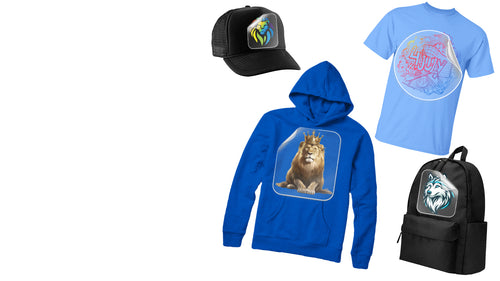
This approach fits short runs, event shirts, school projects, test prints, and home-based apparel work. It's especially useful when you need flexibility more than production speed.
That's why iron application keeps showing up in real-world DTF use. It gives hobbyists, small sellers, schools, and teams a practical low-equipment path to decorated apparel without needing a commercial press from day one.
What You Need Before You Press
A clean setup decides the result before the first press. Beginners often blame the peel, but iron-applied DTF usually fails earlier. The transfer shifts, the shirt holds moisture, or the surface gives under pressure. Modern hot-peel films are forgiving in some ways, but they still need steady heat and real pressure to bond well.

Build the right workspace
Use a hard, flat, heat-safe surface that lets you press down without bounce. A solid table is the safest choice. The floor can work for larger graphics if you protect it and can put body weight into the iron. An ironing board makes the job harder because the padding absorbs pressure instead of sending it into the adhesive layer.
Keep these items ready before you start:
- A household iron with steam off
- Parchment paper or a Teflon sheet
- A clean, fully dry garment
- Your trimmed DTF transfer
- A lint roller, if the shirt picks up dust or fibers easily
Small setup details matter here. Dust under the film can leave marks. Moisture in the shirt can weaken the bond. A soft surface can leave parts of the print under-pressed even when the top looks fine.
Prepare the transfer and shirt
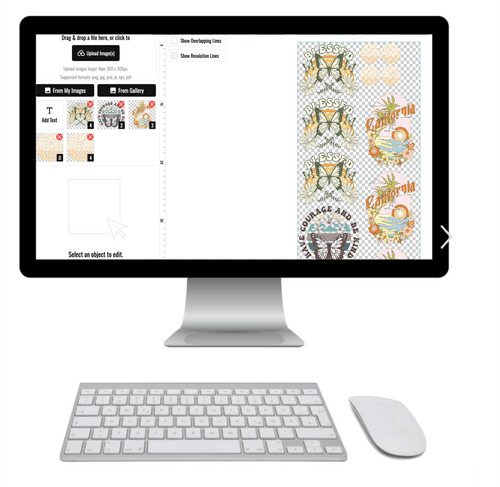
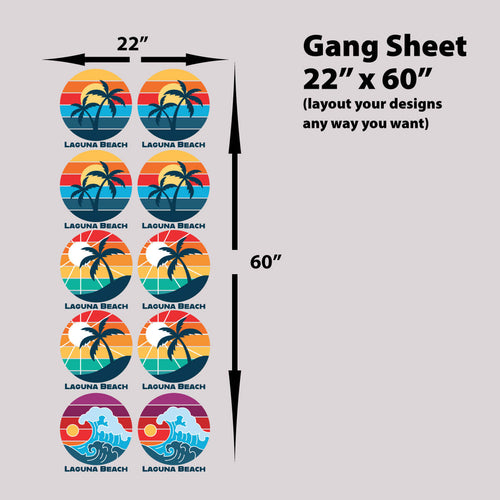
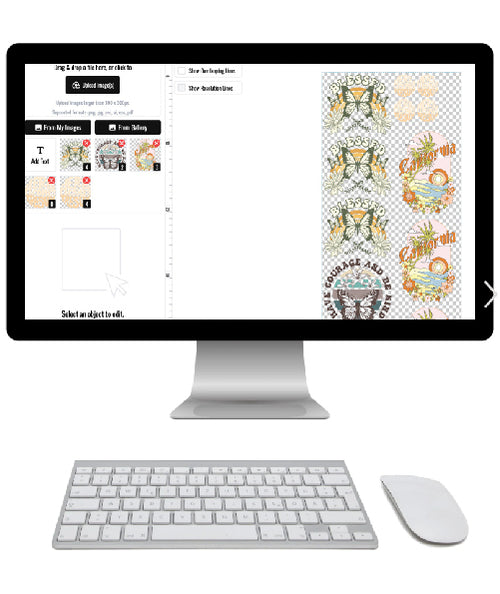
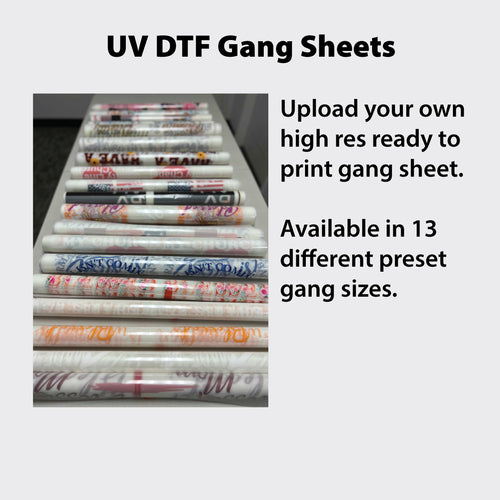
If your design came on a gang sheet, trim close enough to place it accurately without cutting into the print. If you order several names, logos, or left-chest graphics at once, Lion DTF's Auto-build gang sheet builder is a practical way to organize them on one sheet and keep layout costs under control.
Check the shirt before it ever sees heat. If it feels cool or slightly damp, wait. If it has visible wrinkles, smooth them out. If it looks like it came straight from the package, give extra attention to residue from manufacturing. Some garments press cleanly right away. Others carry enough sizing or finish to interfere with adhesion.
A quick pre-press helps flatten the fibers and remove hidden moisture from the print area.
Match heat to the fabric
This is one of the spots where generic iron tutorials miss the mark. They often tell you to turn the iron all the way up and press harder. That advice can work on heavier cotton, but it can also leave shine marks, scorch polyester, or distort lightweight performance shirts.
One guide notes that polyester should be pressed around 248°F to 257°F, with heat increased gradually in 15°F increments if bonding is weak, as explained in this fabric-sensitive DTF iron guide.
If you are not sure how your blank will react, review these common t-shirt materials and fabric types before you press. Cotton, blends, and polyester need different handling, and an iron gives you less margin for error than a heat press.
That trade-off is real. A home iron can produce a durable, professional-looking result with modern hot-peel transfers, but only if the shirt, surface, and heat setting are chosen with care.
The Correct Way to Apply Your DTF Transfer
Technique matters more than enthusiasm here. If you press correctly, a household iron can produce a very respectable result.
A repeatable iron workflow uses a dry iron on a hard surface, then firm, stationary pressure for 20 to 30 seconds at roughly 300°F to 325°F, pressing large graphics in overlapping sections because irons heat unevenly, according to this step-by-step DTF iron method.
Here's the visual version first.

Set the iron correctly
Put the iron on a dry setting with steam completely off. For cotton garments, the practical target is usually the cotton or linen range. Let the iron fully heat before you start.
Don't trust speed here. If the iron isn't ready, the adhesive won't fully activate.
Position the transfer properly
Lay the shirt flat. Smooth the print area with your hand. Place the transfer where you want it, film-side up, then cover it with parchment or a Teflon sheet.
That cover layer matters because it protects both the transfer surface and the iron plate. It also helps you focus pressure where you need it.
A quick visual demo helps if you want to see the hand movement and pacing in action.
Press in zones, not like normal ironing
This is the part people get wrong most often. Don't slide the iron back and forth across the design. That motion spreads heat inconsistently and reduces pressure.
Use this sequence instead:
- Pre-press the garment briefly to flatten the area and remove trapped moisture.
- Set the iron down on one section of the transfer.
- Lean in with firm body-weight pressure and hold it still.
- Keep that section under pressure for the full press window.
- Lift straight up, move to the next section, and overlap slightly.
Handle larger graphics the smart way
If the transfer is bigger than the soleplate of your iron, work in overlapping sections. That overlap is what protects you from cold edges and half-cured corners.
A simple rule is to think in press zones instead of one image. Every zone needs the same attention. If one corner gets less time or less weight, that corner often becomes the first place to lift during peel or washing.
Press the edges as deliberately as the center. The center of an iron usually runs hotter than the outer area, so corners need intentional coverage.
Nailing the Hot Peel and Second Press
The pressing step gets the transfer bonded. The peel and finishing press are what make it look complete.
If you're using hot-peel film, don't let the transfer sit around too long. Once it's ready, start from one corner and peel smoothly at a low angle. Keep the motion controlled. Don't yank upward.
What a good peel looks like
A proper peel feels steady, not jerky. The design should stay planted in the fabric while the carrier film releases cleanly.
If any ink or edge detail starts coming up with the film, stop right there. Lay the film back down, cover it, and re-press that area before trying again.
You can compare your transfer type and peel behavior with this overview of hot peel DTF transfers, especially if you're used to cold-peel workflows.
Why the second press isn't optional
Many beginners think they're done once the film is off. They aren't.
The second press helps settle the print into the fabric face, improves edge hold, and cuts down the slick shine that makes a shirt look homemade. Cover the exposed design with parchment paper and give it a short finishing press.
A transfer can look attached after the first press and still benefit a lot from the second one. That finishing step is where the print starts to feel more finished and less like a patch sitting on top.
Keep the pressure firm and the motion controlled. This is a quick lock-in step, not a long re-cure.
Fixing Problems Before They Happen
Most DTF iron problems are predictable. Once you know the symptom and cause, they're much easier to avoid.

One of the clearest process summaries identifies the main failure points as moisture, steam, and uneven pressure or heat. It also notes that delicate fabrics like polyester should be kept around 230°F to 257°F, and when release is poor, the standard fix is reapplying heat or adding a 5 to 20 second second press, as described in this DTF ironing troubleshooting guide.
Quick symptom table
| Problem | Likely cause | Best fix |
|---|---|---|
| Transfer won't stick well | Not enough heat or pressure | Re-press with firmer body-weight pressure |
| Edges lift first | Uneven heat coverage | Overlap press zones more carefully |
| Film won't release cleanly | Adhesive hasn't bonded fully | Reapply heat, then test peel again |
| Fabric looks scorched or shiny | Heat too high for garment | Lower heat, especially on polyester or blends |
| Print looks overly glossy | Final press was skipped or rushed | Add a short post-press with parchment |
The mistakes that cause most failures
A few habits cause most beginner issues:
- Using steam. Steam introduces moisture into a process that needs dryness.
- Pressing on an ironing board. Soft padding steals pressure.
- Gliding the iron. DTF wants compression, not casual movement.
- Treating all fabrics the same. Cotton forgives more than polyester.
- Ignoring partial lift during peel. If something starts lifting, stop and correct it immediately.
Fabric risk matters more than most tutorials admit
Polyester, blends, and performance shirts are where careless advice does the most damage. If you default to max heat on every garment, you're gambling with scorch marks, shine, and dye problems.
That's why controlled adjustment works better than brute force. Raise heat only when you need more adhesion. Lower it when the garment itself is the weak point.
If the transfer fails, don't assume the print is bad first. Check the surface, the steam setting, and whether you actually pressed with enough force.
Washing Instructions and Knowing When to Use a Heat Press
Once the print is on, the next job is protecting it. Good application can still be shortened by rough care.

Wash it like a decorated garment
A few habits help preserve the print:
- Wait before the first wash so the bond can fully settle.
- Turn the garment inside out before washing.
- Use cold water and mild detergent instead of harsh chemistry.
- Hang dry when possible. Lower heat is easier on decorated apparel.
- Don't iron directly on the print.
One manufacturer's comparison between press methods shows the bigger point. A heat press can run at 240°F to 280°F for 10 seconds, while home-iron methods usually need 20+seconds plus a short re-press to make up for weaker, less even pressure. That's why an iron is a workable entry method, but not a full replacement for production equipment, as detailed in these DTF transfer application instructions.
When an iron is enough and when it isn't
An iron makes sense when you're doing one-offs, testing a new design, decorating a few shirts for an event, or working from a small setup. It's flexible, cheap to start with, and completely usable if you stay disciplined.
A heat press becomes the smarter tool when you need:
- Consistent repeatability across multiple shirts
- Faster output for orders and team jobs
- More reliable pressure on larger graphics
- Tighter control over mixed fabric types
If you're reaching that point, it helps to compare your manual workflow against proper heat press settings for DTF so you can decide whether it's time to upgrade.
If you're ready to press your first shirt or need custom artwork laid out efficiently, Lion DTF Transfers offers hot-peel DTF transfers, gang sheets, and online upload tools that make small runs and repeat jobs easier to prepare before you ever turn the iron on.