


An ordinary helmet logo doesn't make a football helmet safer. In 135 laboratory impact tests, a Simon Fraser University engineering study found that conventional logo decals produced no meaningful helmet-performance improvement. Their job is identification, and that same visual identity can become a strong apparel graphic when you prepare the artwork correctly.
Eight helmet marks that translate straight to the print bed offer very different production lessons. Block letters and stars depend on clean geometry. Wings, horns, and mascots need more attention to negative space, fine details, and the relationship between the printed color and the garment underneath.
There's an important distinction between a recognizable team mark and what appears on a team's standard helmet. Ohio State's Block O and Notre Dame's leprechaun are useful apparel references, but neither should be presented as the routine side graphic on those programs' familiar helmets. Likewise, an Eagles head graphic and the helmet's wing treatment aren't interchangeable.
Production rule: Study the geometry freely, but reproduce protected team artwork only when you've secured the appropriate permission.
For anyone comparing helmet logos football fans recognize, the useful question isn't which looks best. It's which file will stay readable on a youth jersey, feel comfortable across a hoodie, and fit efficiently beside other transfers on a gang sheet. Start with approved artwork, then make the following production decisions before ordering.
1. Ohio State Buckeyes Block O Helmet Logo (Ready-to-Press Option via Auto-Build Gang Sheet Builder for Ease of Use and Cost Effectiveness)
The Block O is a strong apparel reference because its broad strokes and open center remain readable without fine illustration. Treat it as an Ohio State identity mark rather than describing it as the standard side logo on the Buckeyes' familiar silver helmet.
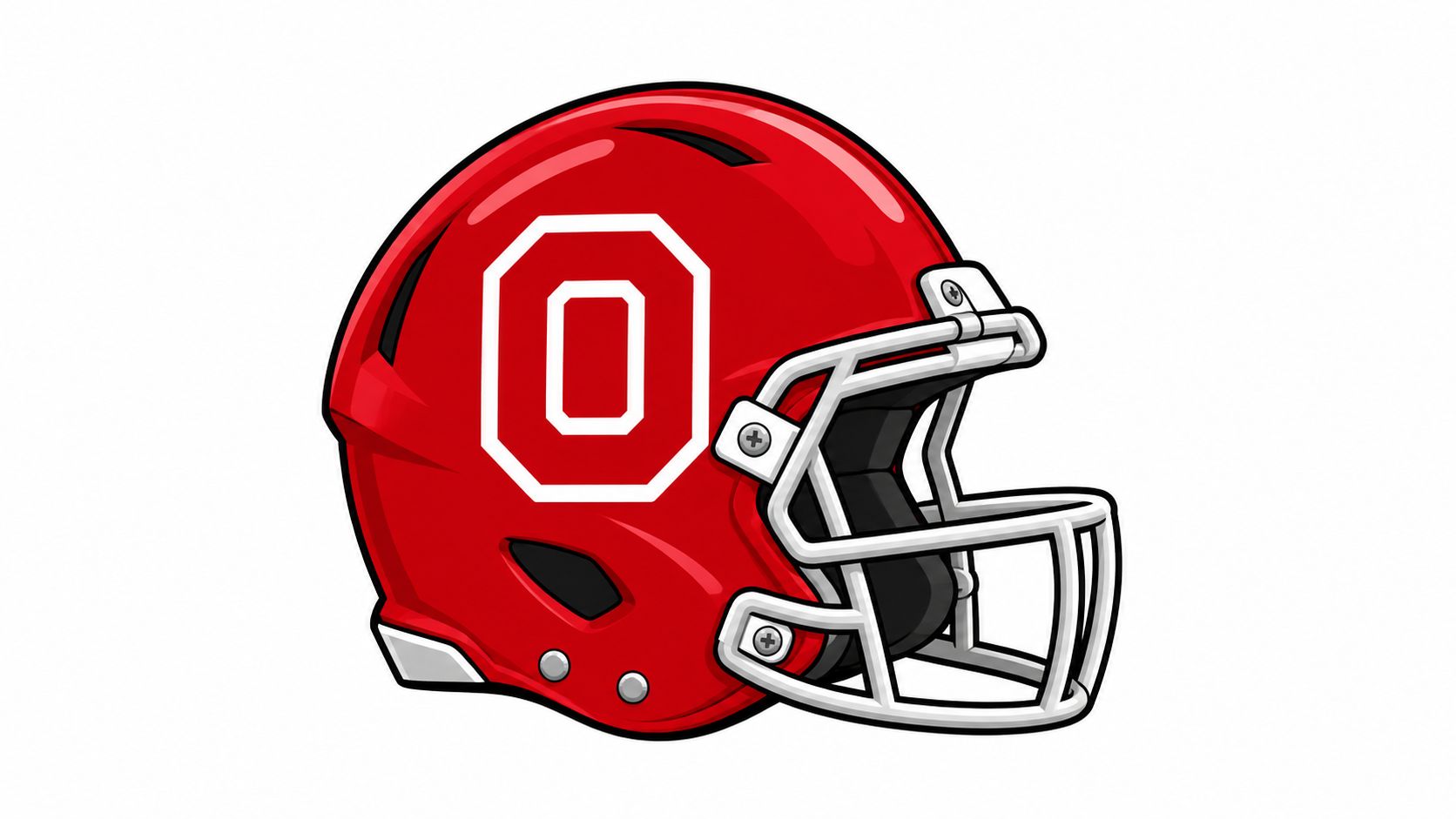
For production, the center opening matters as much as the outside edge. A rough trace can make the vertical strokes uneven or leave the outline heavier along one side, flaws that become obvious on a centered chest print.
Keep the outline intentional
Build from clean vector artwork, keeping the letter, outline, and transparent background distinct. A white border should be an intentional printed element, not a pale fringe left behind when someone removes a screenshot's background.
- Color proof: Check scarlet on the actual garment color rather than approving it from a bright monitor.
- Small placements: Inspect the center opening at final size so it doesn't look cramped.
- Sheet layout: Combine authorized chest graphics with smaller sleeve or tote placements, leaving enough room to cut each transfer cleanly.
A student-section order could pair a larger front graphic with smaller marks for volunteer shirts and tailgate tote bags. Use a garment mockup to approve placement, then inspect the actual transfer size separately.
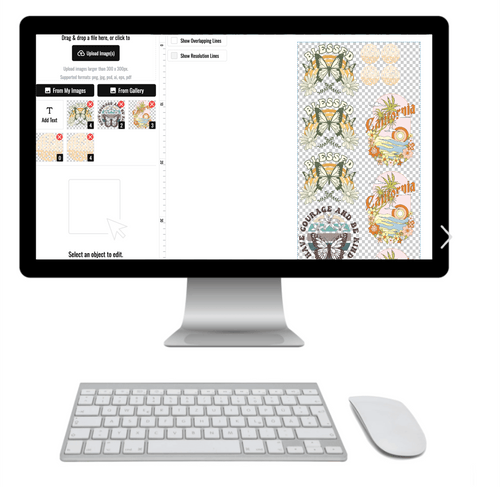
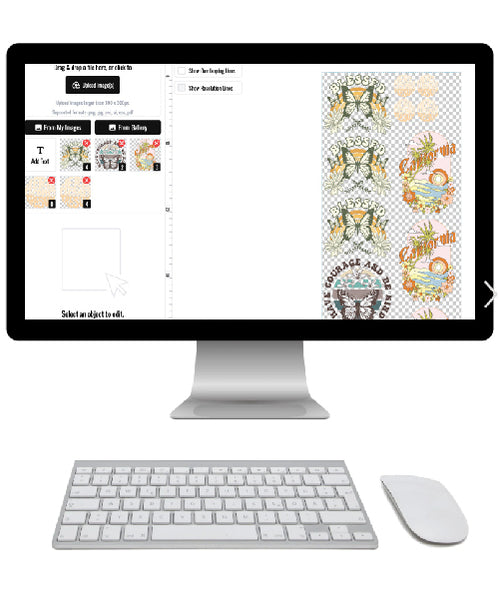
Our Auto-build gang sheet builder workflow helps arrange artwork automatically for ease of use and cost effectiveness. Keep filenames clear so a youth chest version doesn't get mistaken for the adult front print.
2. Michigan Wolverines Winged Helmet Logo (Efficient Batch Printing with Auto-Build Gang Sheet Builder for Ease of Use and Cost Effectiveness)
Michigan's winged treatment works because the curves follow the helmet rather than behaving like an isolated badge. Flatten that visual idea onto a shirt, and you need to decide whether you're printing a helmet illustration, an approved wing graphic, or the separate Block M identity.
Those aren't interchangeable files. A helmet photograph contains curvature, reflections, and perspective that won't automatically produce a clean apparel transfer.
Let the curves stay open
For a maize-and-blue camp shirt, a broad wing-inspired composition can work across the upper chest, while an authorized Block M can suit a smaller placement. Don't squeeze the same wide artwork into every garment position just because the builder lets you resize it.
Keep the wing tips clear of the artwork boundary. Check that the outer curves aren't clipped by the export canvas and that narrow blue channels remain open at the intended print size.
A clean curve with breathing room prints more convincingly than a detailed curve squeezed into the wrong placement.
Maize needs a garment-specific proof, especially over dark blue fabric. The white underbase supports the printed color, but poorly controlled underbase edges can leave a visible pale outline around the wings.
For an alumni event, group matching front graphics together and keep personalized additions clearly separated. Compare the actual arrangement, not just the number of designs, using the principles in gang sheet printing versus individual printing.
The Auto-build gang sheet builder makes mixed-size batching easier, but it doesn't decide whether a wing belongs on a sleeve. Approve the placement first, then optimize the sheet.
3. Notre Dame Fighting Irish Leprechaun Helmet Logo (Custom Sizing with Auto-Build Gang Sheet Builder for Ease of Use and Cost Effectiveness)
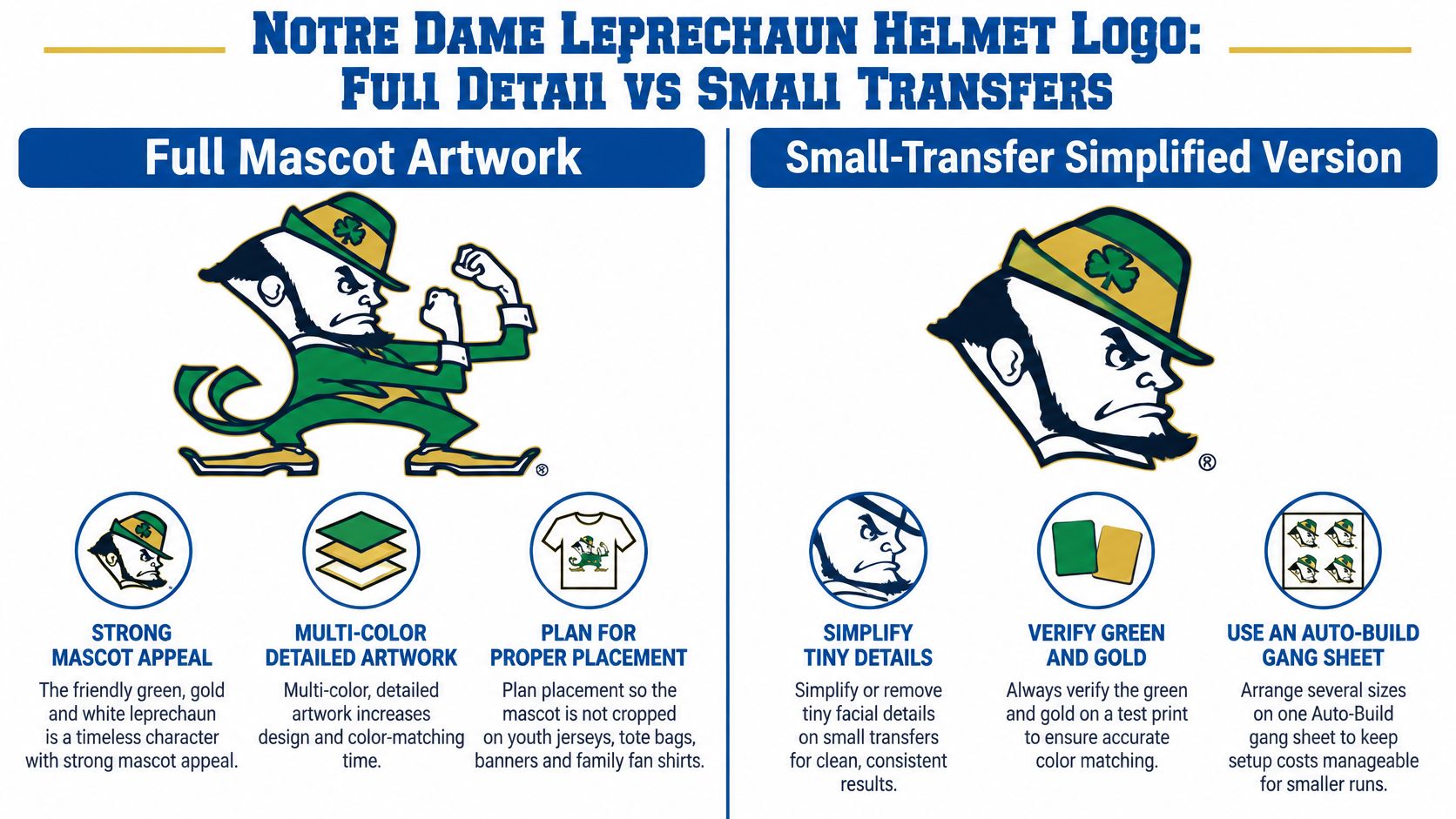
A mascot file fails differently from a block letter. With the Notre Dame leprechaun, the small gaps around the hands, face, clothing, and pose determine whether the character stays expressive or becomes a dense patch of color.
The leprechaun is an apparel identity reference, not the standard side decoration on Notre Dame's familiar gold helmet. Start with authorized mascot artwork rather than treating a fan-made helmet rendering as an official production master.
Simplify only with approval
A full-size tote graphic can retain details that won't survive on a small youth chest print. If the artwork is licensed, don't redraw facial features or remove lines without approval; request an authorized simplified version instead.
- Face and hands: Check whether separate features remain distinguishable at final size.
- Green and gold: Proof both against the garment, including the white support beneath the colors.
- Outer silhouette: Preserve the character's complete pose rather than cropping feet or fists to fit a convenient rectangle.
For family game-day shirts, use the approved detailed mascot on adult fronts and an approved compact identity on smaller garments if needed. Consistent branding doesn't require forcing identical detail into every placement.
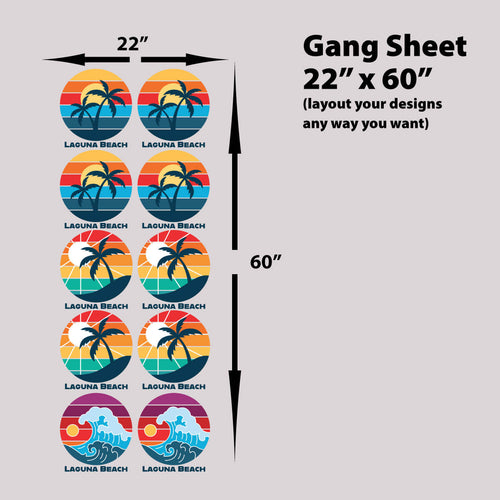
Use the Auto-build gang sheet builder to arrange the approved sizes together, but check the available print area before adding quantities. Our guide to gang sheet size planning helps frame that layout decision.
DTF handles full-color artwork without separate screens for each color. Detail, printed area, and final placement are the practical constraints here, not color count alone.
4. Dallas Cowboys Star Helmet Logo (Bulk Star Transfers via Auto-Build Gang Sheet Builder for Ease of Use and Cost Effectiveness)
A star looks easy until its points are uneven. The Dallas Cowboys star makes a useful geometry lesson because tiny contour errors are visible even when the design contains very little internal detail.
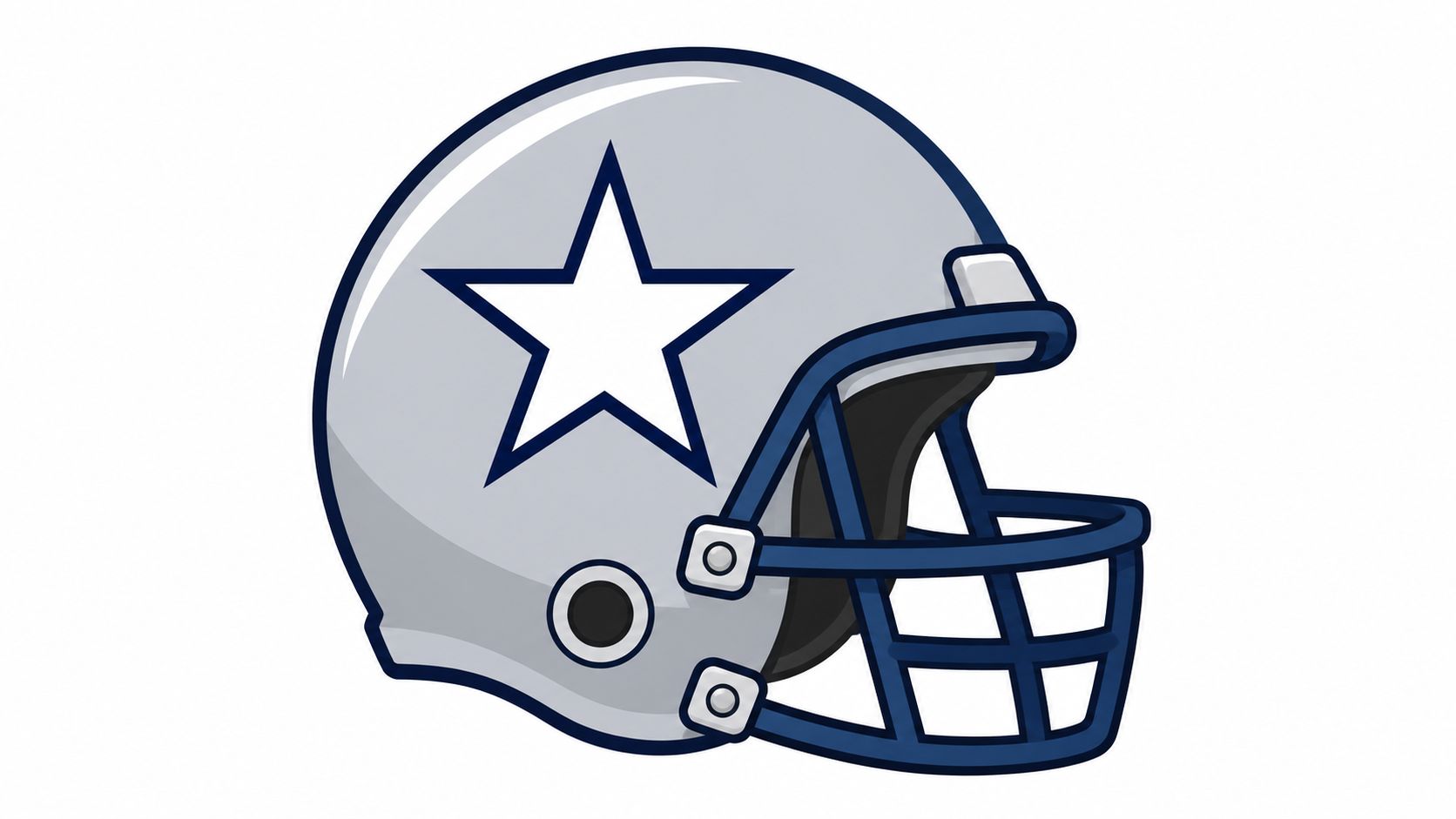
Use the approved artwork's actual color arrangement rather than rebuilding the star from memory. A generic star tool won't necessarily reproduce the proportions, outline, or internal spacing of the protected mark.
Inspect the tips before the sheet
Enlarge the file on screen to check for jagged edges, then inspect it at final physical size. Both views matter: a smooth enlarged outline can still produce a small point that's too delicate for the intended placement.
Don't automatically add a heavier white layer because the garment is light. Visible white artwork and the supporting white underbase perform different jobs, and the print workflow should control the latter without changing the approved design.
- Event shirts: Use an authorized centered star with generous surrounding space.
- Youth tees: Size to the garment panel rather than copying the adult dimensions.
- Hoodies: Keep the graphic clear of pocket seams and drawcord interference.
A star's rectangular bounding box includes empty corners. Rotate placements in the Auto-build gang sheet builder when that improves packing, but preserve cutting access and make the final orientation obvious.
For a community team without permission to use the Cowboys mark, commission an original star identity with different proportions and styling. You can borrow the production lesson, bold geometry and controlled outlines, without copying another organization's brand.
5. Seattle Seahawks Seahawk Helmet Logo (Multi-Size Printing with Auto-Build Gang Sheet Builder for Ease of Use and Cost Effectiveness)
The Seahawks bird-head graphic is a lesson in directional artwork. Its extended profile, sharp transitions, and compact eye area make width a more useful starting point than overall height when planning an apparel placement.
A youth camp shirt and an adult hoodie can use the same authorized master file, but they shouldn't automatically use the same scaled detail. On a small chest placement, inspect the eye and narrow color divisions before approving the transfer.
Protect the negative spaces
The bird's open channels need to remain clear. If the white underbase extends beyond the color edges, small gaps can look narrower and the graphic can develop an unwanted halo.
For an original bird mascot inspired by this angular design language, simplify the feather divisions at small sizes. For an official mark, use an approved small-format version rather than editing protected details yourself.
Small-format test: If the eye disappears when you view the artwork at its intended size, increasing resolution alone won't solve the problem.
A practical camp order could combine full front graphics for staff hoodies with compact chest marks for participant shirts. Add player names separately so the logo doesn't have to change whenever the roster does.
Proof the approved navy, blue, and green against the selected fabric. Don't trust a phone screenshot for color matching, and don't substitute a bright green just because it looks more vivid on screen.
The Auto-build gang sheet builder helps combine those sizes efficiently. Keep left-facing and right-facing files clearly named, and don't mirror official artwork casually: a directional identity may have specific approved versions.
Caps need their own placement and pressing assessment. A broad hoodie graphic isn't automatically suitable for a curved cap panel.
6. Philadelphia Eagles Eagle Helmet Logo (Fast Turnaround with Auto-Build Gang Sheet Builder for Ease of Use and Cost Effectiveness)
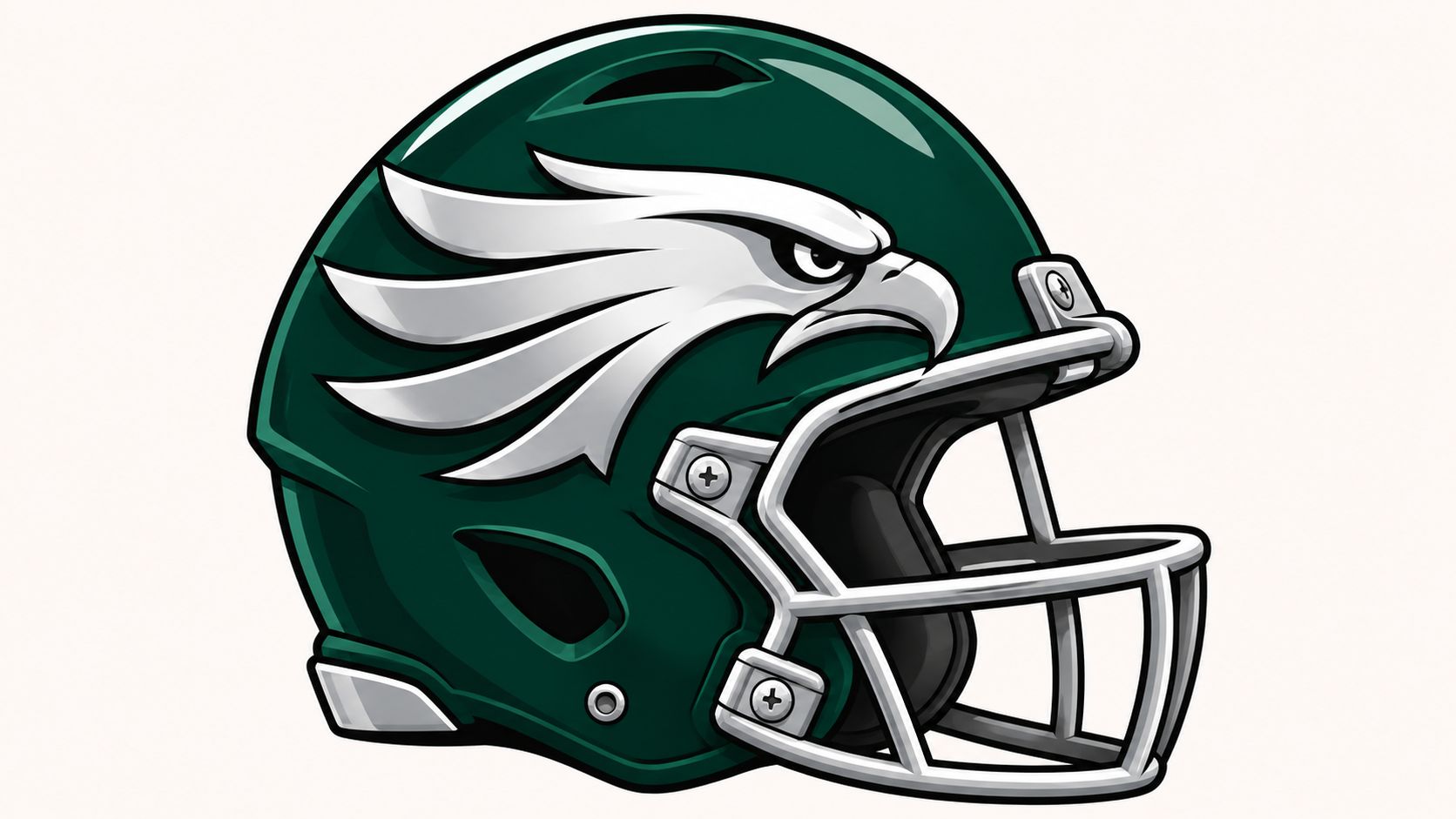
The Eagles offer an important distinction: helmet wings and the standalone eagle-head logo are separate production subjects. Historical records place Philadelphia's introduction of helmet wing graphics in 1954, according to Bill's Sports Maps' helmet history.
That distinction affects the file you order. A wing treatment follows a curved shell, while an eagle-head apparel graphic needs to read independently on a flat garment.
Choose the graphic before choosing the size
For tailgate shirts, an authorized eagle-head graphic can provide a clear front placement. For a helmet illustration, retain the distinction between the shell, wing decoration, and surrounding transparent background instead of extracting an ambiguous shape.
Curved feather edges deserve close inspection after background removal. A gray fringe around white areas may disappear on a white proof but become obvious on a dark shirt.
- Midnight green: Compare a physical swatch with the garment under consistent lighting.
- Fine feathers: Request approved simplified artwork for compact placements.
- Warm-up gear: Check the fabric and pressing instructions before producing the batch.
Keep apparel transfers separate from hard-surface decoration. A fan tumbler calls for a suitable hard-surface process, not an apparel transfer applied as though the cup were fabric.
For an event order, arrange approved chest graphics, larger backs, and organizer marks together in the Auto-build gang sheet builder. That reduces manual layout work, but faster production still depends on a clean roster and approved files.
The best deadline protection is a locked proof. Don't keep replacing artwork after quantities and placements have been approved.
7. LA Rams Ram Horns Helmet Logo (Scalable Transfers with Auto-Build Gang Sheet Builder for Ease of Use and Cost Effectiveness)
The Rams' horns began as a hands-on design project. In 1948, Rams halfback Fred Gehrke painted blue-and-yellow horns onto the team's brown leather helmets, as documented in the football helmet history.
That origin makes the horn a useful production reference: a strong sweeping shape can identify a team without lettering or a detailed mascot. On apparel, however, a helmet-wrapping horn needs a deliberate flat composition.
Don't flatten the photograph
Tracing a horn from a helmet photograph captures perspective distortion. Start with approved flat artwork, or develop an original horn motif that works independently of the shell.
A paired chest composition needs balanced visual weight, not just mathematically matching bounding boxes. Check the central gap, the height of the curls, and the direction of the tips against the garment centerline.
- Practice tees: Keep an original horn graphic broad and readable.
- Fan totes: Use more surrounding space so the curves don't crowd the bag edges.
- Mixed sizes: Group approved youth and adult versions without stretching either axis.
A gold-colored print doesn't automatically need extra white because the shirt is light. Let the approved print workflow determine the underbase, and proof the resulting color rather than prescribing extra ink by habit.
If the order also includes actual helmet decals, treat that as a separate material specification. Athletic Business's account of helmet-logo testing describes a conformable base film with a thicker protective cover layer, illustrating why apparel transfers aren't substitutes for helmet graphics.
Use the Auto-build gang sheet builder for the apparel versions. Confirm helmet-shell compatibility and application procedures separately with the helmet manufacturer.
8. Texas Longhorns Longhorn Helmet Logo (Budget-Friendly Runs with Auto-Build Gang Sheet Builder for Ease of Use and Cost Effectiveness)
The Longhorn silhouette shows why a simple mark isn't always a compact mark. Its wide horns create a broad footprint even though the printed shape itself contains relatively little detail.
For an authorized alumni shirt, start with the intended chest width and let the approved proportions determine the height. Stretching the head vertically to make it appear larger changes the identity and makes the horns look wrong.
Pack the shape, not just the rectangle
Wide artwork can leave unused spaces beside narrower transfers. The Auto-build gang sheet builder helps arrange mixed artwork, but review the result so small additions don't crowd the horn tips or make cutting awkward.
Burnt orange needs a physical proof. The same file can appear different against a bright white tee, a heather garment, or a dark hoodie because the fabric and supporting white affect the finished impression.
Preserve the horn tips and the open space around them. A bold silhouette still needs room to read.
For a school developing its own cattle-themed mascot, draw an original silhouette rather than tracing the university mark. Keep the outline clean, avoid fragile tips, and inspect the connection between the horns and head at the smallest intended size.
An alumni-event order might combine authorized hoodie fronts, tee fronts, and tote graphics on the same sheet. Label every size by placement so the narrow tote version doesn't accidentally become the adult chest standard.
Symmetry helps alignment, but don't rely only on the transfer's outer rectangle. Mark the garment centerline and judge the visual balance of the head and horns before pressing.
Budget-friendly production starts with accurate quantities and reusable approved files, not squeezing the artwork until it's uncomfortable to cut or too small to recognize.
How the Eight Helmet Logos Compare for Custom Apparel
| Item | Dominant Colors | Core Shape | Best Apparel Use |
|---|---|---|---|
| Ohio State Buckeyes Block O Helmet Logo | Scarlet, white, gray | Block letter O | Game-day shirts and hoodies |
| Michigan Wolverines Winged Helmet Logo | Maize and blue | Winged helmet with block M | Fan shirts and youth football apparel |
| Notre Dame Fighting Irish Leprechaun Helmet Logo | Green, gold, and white | Leprechaun mascot | Youth jerseys and family fan shirts |
| Dallas Cowboys Star Helmet Logo | White, navy, and silver | Five-point star | Fan shirts and youth team tees |
| Seattle Seahawks Seahawk Helmet Logo | Navy, green, and action blue | Angular seahawk head | Team jerseys and fan hoodies |
| Philadelphia Eagles Eagle Helmet Logo | Midnight green and silver | Forward-leaning eagle | Tailgate shirts and fan jackets |
| LA Rams Ram Horns Helmet Logo | Navy and gold | Symmetrical ram horns | Fan shirts and practice tees |
| Texas Longhorns Longhorn Helmet Logo | Burnt orange and white | Symmetrical longhorn head | Game-day tees and hoodies |
Turning Helmet Logo Shapes Into Your Next Team Order
Start by sorting each graphic by its hardest detail. Thin wings, narrow feather channels, and detailed mascots need closer small-format inspection than broad stars, block letters, and silhouettes. A larger file won't fix a design whose smallest features are physically too cramped.
Test a small, medium, and large placement on representative garments before approving the full run. Check the actual printed edges, color, transparency, and feel, then use the Auto-build gang sheet builder to combine youth, adult, and coach sizes efficiently rather than laying out separate orders by habit.
Approve rights and artwork together
Keep permission records with the approved master files. A team logo displayed on a helmet isn't automatically available for commercial reproduction, and permission for one product category shouldn't be assumed to cover every item in a merchandise order.
Equipment rules are a separate approval layer. The NFL rulebook requires league approval for commemorative and special-event helmet decorations, while also governing required markings and visible manufacturer identification.
- Artwork approval: Confirm the correct mark, color version, and permitted use before ordering.
- Garment approval: Check fabric composition, seams, pockets, and the available pressing area.
- Production approval: Lock sizes, quantities, names, and placements before building the final sheet.
- Sample approval: Compare printed swatches against the actual garment rather than a screen rendering.
Keep apparel and helmet production separate
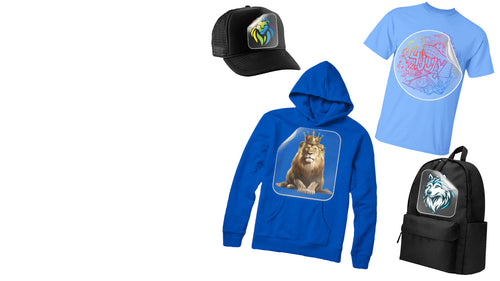
An apparel transfer and a helmet decal solve different problems. Don't apply a garment heat-transfer process to a protective helmet, and don't describe ordinary branding graphics as concussion protection.
For actual helmet graphics, verify adhesive compatibility, removal procedures, ventilation clearance, attachment-point clearance, and warranty implications with the helmet manufacturer. For shirts and hoodies, follow the transfer and garment pressing instructions, with particular care around heat-sensitive performance fabrics.
Send your final artwork files to orders@liondtf.com before pressing if you need help with the images or design preparation. Include the intended garment color and placement so the file review addresses the intended application, not just whether the image opens.
A good team order begins with a good production file. Use clean geometry, preserve the smallest necessary detail, and approve the physical color before committing to the batch. Efficient sheet layout helps control wasted space, but it can't compensate for an unlicensed logo, an unreadable mascot, or the wrong transfer process.
Lion DTF Transfers offers custom full-color DTF transfers and gang sheets for team shirts, hoodies, jerseys, and fan merchandise. Visit Lion DTF Transfers to upload your authorized artwork, arrange your apparel sizes, and prepare your next football-themed order.
Email orders@LionDTF.com or Text or Call: 833-350-5466