



You’re probably dealing with one of two jobs right now. You need a short run of branded shirts without tying up cash in screens and setup, or you need a repeatable way to fulfill custom apparel orders without slowing your shop down every time a customer changes the artwork.
That’s where heat transfer printing services make sense. They give small businesses, crafters, schools, event organizers, and print shops a way to produce decorated garments without building every order around the same production model. The challenge is that “heat transfer” isn’t one thing. It covers several methods, and each one behaves differently once you factor in labor, garment type, color count, and turnaround pressure.
What Are Heat Transfer Printing Services
Heat transfer printing services are any service that prints or prepares a design first, then uses heat and pressure to apply that design onto a garment or product. In practical terms, this includes common methods like DTF, HTV, sublimation, and screen-printed transfers.
For a new business owner, the appeal is simple. You can order exactly what you need, press it onto blanks, and avoid the heavier setup that comes with some traditional decoration workflows. For an established print shop, transfers can reduce bottlenecks, especially when the art changes often or when the order mix includes lots of names, small runs, or multi-color designs.

Why the category keeps growing
This isn’t a hobby-only niche. The machinery side of the industry is projected to grow at a 5.90% CAGR from 2023 to 2030, reflecting demand for customized graphics across apparel and promotional products, according to Cognitive Market Research’s heat transfer printing machine market report.
That matters because growth usually follows utility. Shops use these methods because they solve real production problems:
- Short runs: You don’t need to commit to a large quantity just to make a job viable.
- Frequent artwork changes: New logos, event dates, player names, and seasonal graphics are easier to manage.
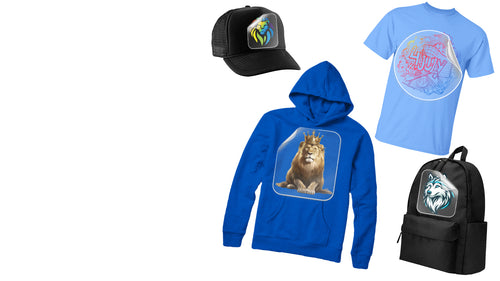
- Mixed garment types: A single business might need tees, hoodies, tote bags, and promo pieces in the same week.
- Faster fulfillment: Transfers let many shops separate printing from pressing, which simplifies scheduling.
If you’re mostly decorating shirts, this guide on heat transfer printing on t-shirts is a useful companion to the method comparisons below.
What buyers usually miss
Most first-time buyers compare print methods by the finished look alone. That’s incomplete. The primary decision usually comes down to four operational questions:
- How much labor sits behind each item?
- How well does the print hold up on the actual fabric being used?
- What happens when the artwork gets more complex?
- Can the process scale without creating waste or rework?
Practical rule: The cheapest-looking method on paper often becomes the expensive one once you count setup time, weeding, mis-presses, and remakes.
That’s why choosing a transfer method isn’t just a design decision. It’s a workflow decision.
The Four Main Heat Transfer Methods Explained
If you strip away the jargon, the four main methods are easy to understand. Each one moves an image onto a garment with heat, but the way the image is created first changes everything about cost, feel, durability, and speed.
Heat transfer vinyl
HTV works like a professional-grade cut applique. A machine cuts the design from colored vinyl, then someone weeds out the extra material and heat presses the remaining shape onto the garment.
HTV is good at clean, bold graphics. Think names, numbers, simple logos, and one-color slogans. It’s popular because the tools are accessible and the result is dependable for straightforward artwork.
Where it breaks down is labor. The more detail you add, the more time someone spends cutting, sorting, layering, and weeding. Multi-color HTV can work, but it becomes slow fast.
Sublimation
Sublimation is a dye process. The printed image turns into gas under heat and bonds into polyester fibers or a polymer-coated surface.
That gives sublimation a very soft finish because there’s no layer sitting on top of the fabric. It’s excellent for all-over color, sportswear, and bright white polyester garments where you want the print to feel almost invisible.
The catch is material limitation. Sublimation isn’t the flexible answer for cotton-heavy orders, dark garments, or mixed blank inventories.
Screen-printed transfers
A screen-printed transfer starts with ink laid onto transfer media, then that printed transfer is heat applied later. This method works well when you need consistency across larger runs and don’t want to set up live screen printing on every garment.
It’s a practical middle ground for many shops. You get the familiarity of screen print style decoration with the convenience of pressing the design when needed.
Direct-to-Film
DTF prints pigment ink onto a coated PET film, adds adhesive powder, cures the transfer, and then heat presses it onto the garment. It handles detailed, full-color artwork without the color and fabric restrictions that limit other methods.
That’s why DTF has become a common solution for mixed-order environments. Cotton, blends, polyester, nylon, and even some harder-to-decorate items are all more realistic jobs with DTF than with older one-method-only workflows.
The materials side of this market is also large. The market for heat transfer paper and vinyl was valued at approximately USD 1.6 billion in 2025 and is projected to reach USD 2.48 billion by 2035, while textiles accounted for 47% of usage, according to Future Market Insights coverage of the heat transfer paper market.
The method you choose should match the job’s friction point. If the issue is color complexity, one method wins. If the issue is polyester compatibility, another wins. If the issue is labor, that changes the answer again.
Comparing Heat Transfer Methods Durability Cost and Speed
Most buyers ask which method is “best.” That’s the wrong question. The better question is which method wastes the least time and creates the fewest remakes for the job in front of you.

The real trade-offs
HTV looks affordable when you’re making a few simple pieces. It stops looking affordable when the design has fine detail, multiple colors, or a long list of personalized names. The hidden cost is labor, especially weeding time.
Sublimation is efficient when your blanks are right for it. If your order is built around white polyester, it can be a smooth process. If your customers send over cotton hoodies, black tees, and canvas totes in the same batch, sublimation stops being practical.
Screen-printed transfers make sense when quantities rise and the artwork stays stable. They’re less flexible when every order is unique or when customers need photographic color.
DTF covers the most ground operationally. It reduces color-count concerns, works across more fabric types, and fits short-run or mixed-run work better than most alternatives.
Heat Transfer Method Comparison
| Method | Best For (Fabric) | Durability (Washes) | Feel/Hand | Color Vibrancy | Best Use Case |
|---|---|---|---|---|---|
| HTV | Cotton, polyester, simple placements | Durable with proper application | Noticeable layer, slightly raised | Strong for solid colors | Names, numbers, simple logos |
| Sublimation | White polyester and coated hard goods | Strong when used on the right substrate | Very soft, embedded feel | Bright and clean on suitable materials | Sportswear, all-over style polyester graphics |
| DTF | Cotton, blends, polyester, nylon, varied blanks | Can exceed 100 washes when properly produced and applied on suitable fabrics | Soft to moderately soft depending on transfer build | Excellent for detailed full-color art | Mixed orders, small business merch, e-commerce runs |
| Screen Print Transfer | Common apparel programs with repeat art | Reliable for repeat production | Familiar print feel | Strong for spot-color style graphics | Team orders, event shirts, larger repeat jobs |
One durability issue deserves more attention. Industry forum data from 2025 suggests DTF adhesion can fail 20-30% faster on polyester blends after 50 washes compared to cotton if not produced correctly, which is why fabric-specific testing matters, as noted by FM Expressions.
That point gets missed in surface-level comparisons. “Works on blends” isn’t enough. A method can be compatible and still fail early if production quality is sloppy.
For a broader side-by-side look at production logic, heat transfer vs screen print is worth reviewing.
What works in a shop environment
- Use HTV when the artwork is simple and personalization is the priority.
- Use sublimation when the blank choice is controlled and polyester is the plan from the start.
- Use screen-printed transfers when the design repeats and volume is predictable.
- Use DTF when customers bring mixed garments, full-color art, and short deadlines.
A method that’s technically possible isn’t always operationally smart. Shops make money when the process fits the order, not when they force the order into the wrong process.
A Deep Dive into Direct-to-Film DTF Transfers
DTF has become the method many small shops lean on when they need flexibility without giving up print quality. It’s not magic, but it does remove several common restrictions at once.

Why DTF solves so many common jobs
The process is direct. Pigment ink prints onto coated film, adhesive powder is applied, the sheet is cured, and the finished transfer is pressed onto the garment. That lets shops produce detailed graphics without cutting vinyl layers or limiting the job to polyester garments.
Properly applied DTF transfers pressed at 240-280°F for about 10 seconds can achieve wash fastness exceeding 100 cycles, and the adhesive bond on cotton outperforms HTV by 25% in peel resistance tests, according to this DTF process and durability breakdown.
That’s the technical side. The business side is just as important. DTF reduces friction when customers want:
- full-color logos
- gradients and photo-style art
- small orders with many SKUs
- a mix of cotton, blends, and polyester in one batch
Gang sheets are where the savings show up
A lot of people focus on the transfer itself and ignore the layout stage. That’s a mistake. Margin often gets won or lost on how efficiently you build your sheet.
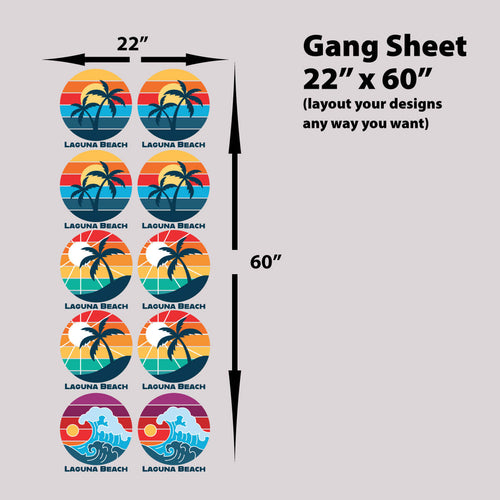
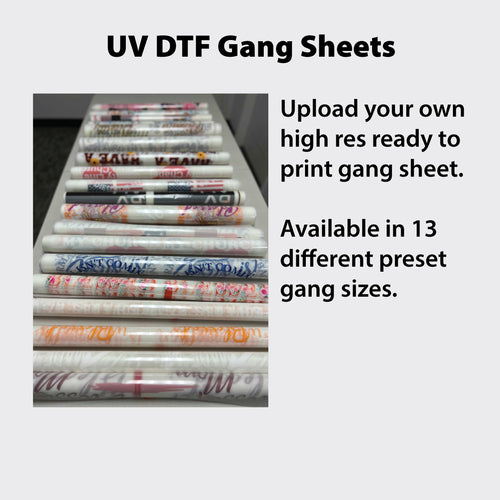
Gang sheets let you place multiple designs, sizes, or repeated logos on one print area. That helps print shops and apparel sellers reduce waste, consolidate orders, and press more efficiently at the table.
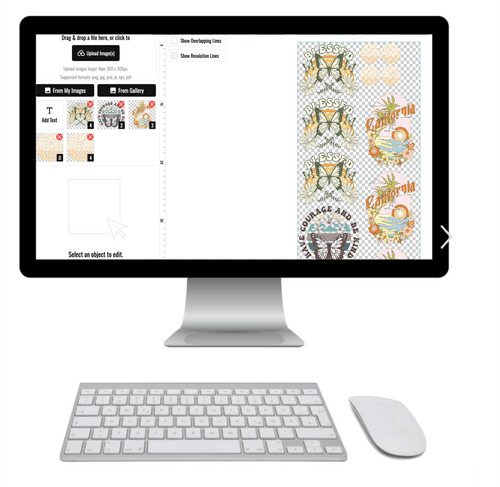
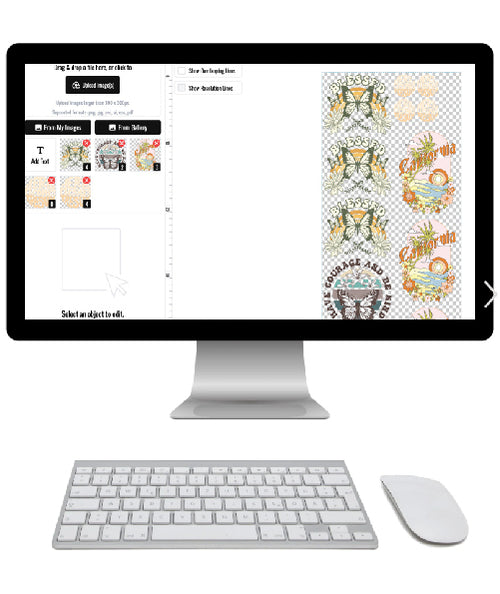
One practical tool in that workflow is an Auto-build gang sheet builder. Instead of manually nesting every logo and left-chest graphic, it arranges artwork into a usable sheet faster and usually with less dead space. Lion DTF Transfers offers this kind of Auto-build gang sheet builder along with upload-based gang sheet ordering, which is useful when you need a simpler and more cost-conscious way to prep mixed artwork for production.
For a quick technical overview, see what DTF is.
This walkthrough helps if you want to see the process in motion.
Shop-floor advice: If you’re pressing a lot of varied art, the transfer is only half the workflow. The other half is whether your sheet building, sorting, and pressing process stays organized.
How to Order and Prepare Files for Printing
Most transfer problems start before the press ever closes. They start in the artwork file. A weak file can make a good transfer look bad, and a clean file can make ordering much faster.

File prep that prevents expensive mistakes
Use artwork that’s production-ready. In daily shop work, that usually means:
- High-resolution files: If the art is raster-based, keep it sharp enough for print. Fuzzy internet screenshots almost always stay fuzzy.
- Transparent backgrounds: PNG files are common for transfer ordering because they remove unwanted boxes around the design.
- Correct sizing: Build the design at the size you want printed, or double-check scaling before checkout.
- Clean edges: Remove stray pixels, accidental shadows, and hidden white boxes.
- Readable small text: Fine text might look okay on a monitor and disappear in production if it’s too thin.
What to check before placing the order
Don’t upload and hope. Pause for a real preflight check.
- Match the art to the garment. A wide front print and a small left chest shouldn’t be ordered the same way.
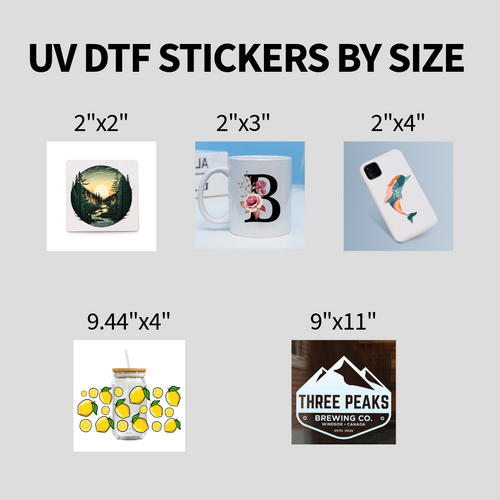
- Think in press placements. Adult full front, youth front, sleeve hit, pocket area, hat panel, and tote placement all need different sizing judgment.
- Group repeated graphics together. This matters if you’re building gang sheets for multiple SKUs.
- Check background transparency again. It’s one of the most common avoidable issues.
- Zoom in on fine details. Tiny outlines and distressed effects can behave differently in print than they do on screen.
Why a gang sheet builder helps
Manual gang sheet setup sounds simple until you’re doing it under deadline. That’s when wasted space, mismatched sizes, and missing duplicates start costing money.
An Auto-build gang sheet builder helps in two ways. First, it reduces layout time. Second, it gives you a visual check before ordering, which makes it easier to catch sizing mistakes and duplicate-count errors while there’s still time to fix them.
Good file prep doesn’t just improve print quality. It cuts down on email back-and-forth, rushed corrections, and remakes.
If you order frequently, building a repeatable file checklist for your shop is worth it. Keep naming conventions consistent, save approved size templates, and separate artwork by placement type. That kind of discipline saves more time than generally expected.
Choosing the Right Heat Transfer Printing Partner
The transfer method matters. The partner producing it matters just as much.
A reliable provider should make your ordering process easier, not force your team to babysit every job. If you spend too much time clarifying file issues, checking status, or troubleshooting inconsistent output, the supplier is adding labor back into your workflow.
What to evaluate before you commit
Look at service from the perspective of production risk.
- Consistency: Ask whether output looks the same from order to order, especially with repeated brand colors and fine detail.
- Turnaround clarity: You need realistic timelines, not vague promises.
- Support access: If something goes wrong, you should be able to reach a real person by phone, chat, or email.
- Ordering tools: Gang sheet builders, file upload previews, and clear instructions reduce avoidable mistakes.
- Application guidance: A provider should offer pressing instructions that make sense for different substrates.
Warning signs
Some providers are easy to order from until there’s a problem. Then the gaps show up.
Watch for unclear artwork requirements, weak pressing instructions, slow issue resolution, and inconsistent communication on shipping or production status. Those aren’t minor annoyances. They create missed deadlines and rework inside your shop.
If a supplier can’t explain how their transfers should be applied and what garments they’re suited for, you’re taking on their quality-control risk yourself.
The right partner helps you stay organized, especially when order volume picks up or customer artwork gets messy.
Common Questions About Heat Transfer Printing
Which method is usually the most practical for a small business
If you’re handling varied artwork, short runs, and mixed garment types, DTF is often the most practical starting point. If your work is mostly names and numbers, HTV can still fit. If your products are white polyester-based, sublimation can be a strong lane.
The right answer depends less on hype and more on what you sell every week.
Can I apply transfers with a home iron
You can try, but results are inconsistent. Heat transfer work depends on even heat and steady pressure, and a real heat press gives you both. Irons are usually the source of uneven adhesion, silvering, edge lift, and repeatability problems.
Why do some transfers fail even when the artwork looks good
Application settings are a major reason. Up to 25% of transfer application failures in small runs are due to incorrect heat press settings, and cotton often needs 270-280°F for 10 seconds at 40-60 psi, while heat-sensitive polyester may need lower temperature to avoid scorching.
What’s the most overlooked cost in transfer printing
Labor. Not just pressing labor either. Weeding, sorting, sheet setup, re-presses, and replacing failed garments all count. That’s why efficient ordering tools and gang sheet planning matter as much as transfer price.
How do I get better results on mixed orders
Standardize what you can. Use garment-specific press notes, keep approved artwork sizes on file, and don’t assume one setting works across every fabric. Mixed orders usually run smoothly when the operator treats them like separate substrate groups, not one giant batch.
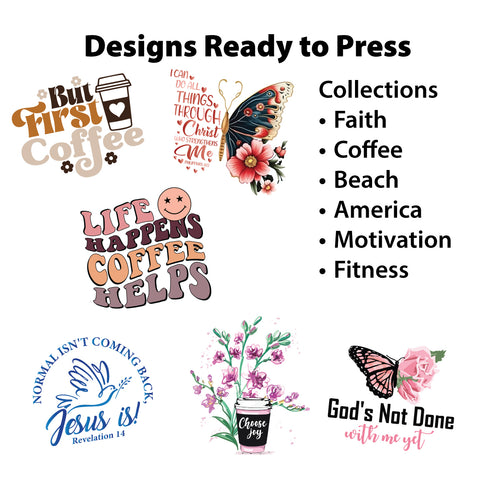
If you need a practical way to order ready-to-press transfers, build gang sheets faster, and reduce layout waste, take a look at Lion DTF Transfers. It’s a straightforward option for businesses, print shops, and creators who want custom DTF transfers, gang sheet ordering, and an Auto-build gang sheet builder that simplifies production prep.