




When a print fails, you need answers, and you need them fast. The good news is that most issues boil down to the same three culprits: Time, Temperature, and Pressure. From peeling letters to colors that just look off, nearly every problem you’ll encounter can be traced back to one of these core settings being incorrect for your specific transfer and garment combination.
Your Go-To Heat Press Troubleshooting Framework
There’s nothing worse than pulling a garment off the platen only to find a botched design. When transfers won't stick, colors look muddy, or you’ve scorched yet another shirt, it’s easy to start questioning your heat press.
But before you blame the machine, take a breath. A methodical approach will save you a ton of time, materials, and frustration. My first rule of troubleshooting is simple: check your materials before you touch a single setting.
The quality of your transfers is non-negotiable. I've learned the hard way that starting with a poor-quality transfer makes troubleshooting impossible. You'll never know if the problem is your process or a faulty product.
This is the exact framework I use in my own shop to diagnose problems without wasting good blanks.

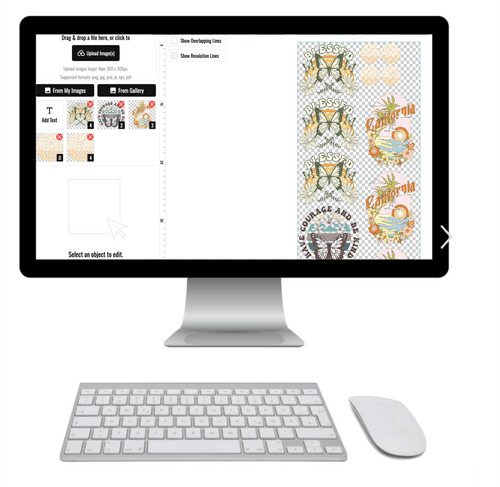
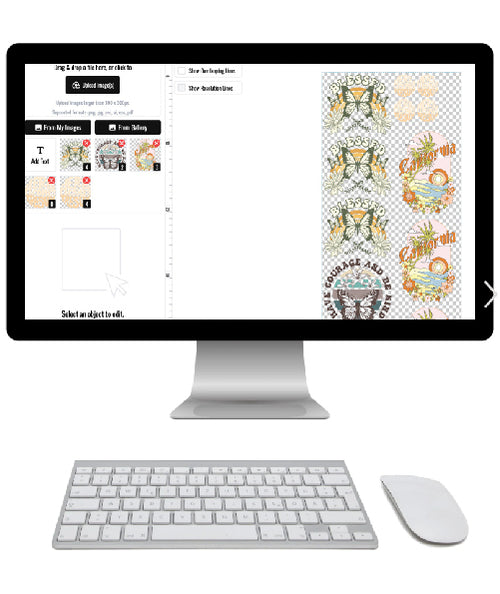
As you can see, it all starts with your materials. Once you're confident in your transfers, you can move on to diagnosing the real issue by looking at the three pillars of heat pressing. For cost-effective and easy-to-use transfers, especially for testing, our Auto-build gang sheet builder is an invaluable tool.
The Three Pillars of a Perfect Press
Think of these three elements—Time, Temperature, and Pressure—as the legs of a stool. If one is off, the whole thing becomes unstable. You can bet that if a print fails, one of these is the reason why.
- Temperature: This is a delicate balance. Too hot, and you’ll scorch the fabric or even melt the transfer adhesive into a gooey mess. Too cold, and the adhesive won’t activate properly, leaving you with a design that peels right off.
- Pressure: Not enough pressure is a classic cause of incomplete transfers, where the edges or center of a design just don’t stick. On the flip side, too much pressure can squeeze the ink out, making it look thin, or cause it to "bleed" into the fabric fibers.
- Time: The duration of the press is just as critical. Too little time, and the adhesive doesn’t get a chance to form a permanent bond. Too much time can burn the garment or ruin the finish of the transfer, making it feel rough or look faded.
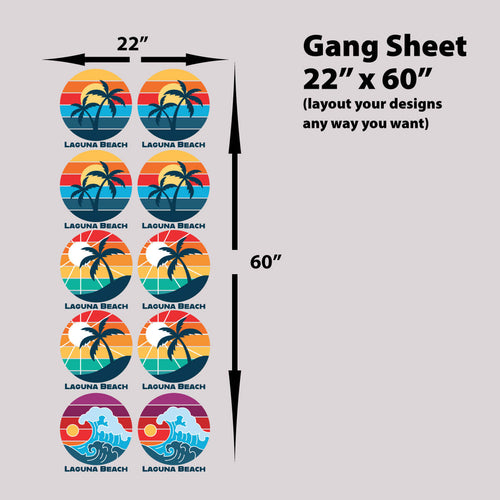
One of the best ways I’ve found to dial in these settings is to use a gang sheet for testing. Our Auto-build gang sheet builder is a fantastic tool for this because it allows for easy creation of multiple small test designs on a single sheet. This lets you experiment on scrap fabric to get your settings perfect without wasting a full-sized transfer or a valuable garment, making it a highly cost-effective method.
Solving Temperature Issues for Consistent Results
Temperature is easily the most finicky part of heat pressing. When your heat is off, even by a few degrees, it can send an entire batch of prints straight to the discard pile. The good news is the warning signs are obvious once you know what to look for.
See a scorched, brownish tint on a white shirt? Your press is running too hot. If your DTF transfer peels off with a shiny, plastic-like finish, it’s a classic sign the temperature is too low for the adhesive to properly activate and bond with the fabric. The first step in any Heat Press Troubleshooting is learning to read these temperature-related clues.

Here's a hard lesson many printers learn: never trust the temperature on your display. That number is just a goal. The actual surface temperature of your platen can be, and often is, completely different. The only way to know the truth is to test it yourself.
Pro Tip: Invest in an inexpensive laser thermometer. Use it to check the temperature across your entire platen—center, corners, and all four edges. This quick check will instantly reveal any hidden cold spots that are notorious for causing uneven adhesion and peeling transfers.
If you find a big difference—more than 10-15 degrees—it's time to calibrate. Dig out your machine’s manual for instructions on how to adjust the temperature settings to match what your thermometer is reading. For a deeper dive, check out our complete temperature guide for a heat press.
Diagnosing Hardware Failures
Sometimes, the problem runs deeper than simple calibration. If your press is overheating wildly or won't heat up at all, you might be looking at a hardware problem. A very common culprit is the solid-state relay (SSR), which basically acts as the on/off switch for the power going to your heating element.
When an SSR goes bad, it can fail by getting stuck in the "on" or "off" position. This is what causes a press to either heat uncontrollably or refuse to heat up at all. There’s a simple diagnostic you can run yourself before calling in a technician to see if the SSR is the issue.
While a faulty press can stop production, starting with top-notch materials is just as important. To make testing and dialing in your settings easy and affordable, our Auto-build gang sheet builder is the perfect tool. Its ease of use and cost-effectiveness let you add multiple small test designs to a single sheet, so you can perfect your settings on scrap fabric without wasting good transfers or garments.
Mastering Pressure for Flawless Adhesion
Temperature gets all the attention, but I’ve seen incorrect pressure kill more prints than you can imagine. It's the silent killer of good transfers. Get it wrong, and you're looking at everything from poor adhesion and peeling edges to ugly, pressed-in outlines around your designs. This part of Heat Press Troubleshooting is non-negotiable for professional results.
You have to understand the real-world difference between light, medium, and firm pressure—and when to use each. Sure, your transfer supplier gives you recommended settings, but think of those as starting points. The thickness of a hoodie or the seams on a polo shirt can completely change how that pressure actually hits your transfer.

This is where you need to get hands-on. One of the best tricks I learned is the "Paper Test"—some call it the Dollar Bill Test. It’s a simple way to check for even pressure across the entire platen before you risk ruining a good garment.
How to Do the Paper Test
Here’s how it works. It’s incredibly simple but effective.
First, make sure the press is cold. Take four strips of regular printer paper and place one at each corner of the lower platen, letting them hang over the edge a bit.
Next, close and lock the press just like you would for a firm-pressure application.
Now for the moment of truth. Try to pull each strip of paper out. What you’re looking for is significant, equal resistance on all four corners. If one strip slides out with no effort, you've found a low-pressure spot that will lead to adhesion failure. If you can’t budge a strip at all, your pressure might be too high in that area. Keep adjusting and re-testing until the pull feels the same all around. For more pointers on general setup, you can learn more about using a heat press machine in our comprehensive article.
Incorrect pressure is a huge reason transfers fail to stick. While suppliers give you PSI ranges—like light (5–10 psi) or firm (15–20 psi)—you need a hands-on method to check those settings on your machine. As you get deeper into Heat Press Troubleshooting, you'll find the paper test is a go-to trick for confirming your platen is consistent.
And what about tricky items with zippers, buttons, or thick seams? Use a heat press pillow. These foam-core, Teflon-covered pads are lifesavers. They raise the print area, letting bulky seams or zippers drop below the pressing surface. This creates the perfectly flat, even plane your transfer needs to bond flawlessly.
How to Fix Ghosting, Peeling, and Other Print Flaws
We’ve all been there—you pull a freshly pressed shirt off the platen, only to see faint, blurry shadows ghosting the edges of your design. It's one of the most common frustrations in Heat Press Troubleshooting, and it almost always comes down to one thing: movement.
Ghosting happens when the transfer paper or film shifts ever so slightly while you're opening or closing the press. The key is to lock that transfer down and be deliberate with your movements. A smooth, confident, straight-up lift when opening the press is your best defense. Any jerky or sliding motions can make the paper move while the ink is still hot and tacky.
For extra security, a few small pieces of heat-resistant tape can make a world of difference. Just anchor the corners of your transfer to the garment to ensure nothing moves an inch.

Peeling issues, especially with hot-peel transfers, are another major headache. When you peel the film away, you should see the distinct texture of the fabric’s weave pressed into the design. That texture is your proof of a perfect press—the sign of ideal temperature and pressure.
If the edges of your design are lifting up as you peel, that’s a clear red flag that your pressure is either too low or completely uneven.
Overcoming Adhesion Problems
Sometimes, the problem isn't your technique but the garment itself. A few hidden culprits can prevent your transfer from bonding permanently.
- Moisture: Fabric holds invisible moisture that turns to steam during pressing, which gets in the way of proper adhesion.
- Fabric Coatings: Brand new garments often have chemical sizings or coatings that create a barrier between the transfer’s adhesive and the fibers.
- Material Type: Synthetics like 100% polyester behave very differently from 100% cotton and usually need their own specific settings.
The single most effective fix for these issues is simple: pre-press every single garment. A quick 3–5 second press before you even place the transfer is enough to burn off hidden moisture, remove coatings, and flatten the fibers for a perfect pressing surface.
This one step is non-negotiable for professional-looking products that can hold up through dozens of washes. If you want to experiment with settings on different materials, our Auto-build gang sheet builder is a great tool. Its ease of use lets you put multiple test designs on a single sheet, so you can dial in your settings without wasting a ton of product, proving its cost-effectiveness.
Build a Workflow That Prevents Future Problems
The best way to handle Heat Press Troubleshooting is to stop problems before they even start. Instead of just reacting to messed-up prints, you can build a solid, repeatable workflow that cuts down on errors from the get-go. Consistency is everything in this game.
This means creating a simple checklist for every single press. Always start by pre-pressing your garments for a few seconds; this gets rid of sneaky moisture and any leftover chemicals from manufacturing. Stick to the recommended time, temperature, and pressure for your transfers, but always be ready to tweak things based on your own testing.
If there's one thing I've learned, it's to test everything. Never assume a setting that worked on one shirt will be perfect for another. Proactively testing on the exact fabric you’re using is the single best way to dial in your settings and avoid wasting money on real orders.
This is also where you can save yourself some time and money. Our Auto-build gang sheet builder is designed for cost-effectiveness and ease of use, letting you fit multiple smaller designs onto one sheet. Use these to run test prints on scrap fabric without burning through good transfers or a full-priced garment. It's a small step that prevents some very big, very expensive mistakes.
Maintain Your Equipment for Peak Performance
Even the best process won't save you from a neglected machine. A heat press that isn't cared for will eventually let you down, probably at the worst possible moment. A few simple checks can keep your equipment running smoothly and extend its life significantly.
For starters, get in the habit of cleaning your platen. Over time, little bits of adhesive and transfer residue can build up, leading to dirty garments or, even worse, uneven heat. You can learn more about how to clean your heat press platen to keep it spotless.
Beyond cleaning, make it a routine to check your press for basic wear and tear.
- Inspect for Loose Parts: Constant use can loosen bolts and screws on the handle, arm joints, or platen mounts. A quick tightening every so often prevents a wobbly press and ensures you’re getting consistent pressure.
- Check Electrical Cords: Give your power cord a quick once-over. Look for any signs of fraying or damage. A bad cord is a serious fire hazard and can cause power issues that mess with your press's performance.
- Lubricate Moving Parts: If your press has gas shocks or swing-away shafts, a little lubricant like lithium grease will keep things moving smoothly. It's an easy way to prevent squeaking or sticking.
Frequently Asked Questions About Heat Pressing
Even when you think you've got your workflow perfected, heat pressing can still throw you a curveball. We get a lot of the same questions from creators, so this part of our Heat Press Troubleshooting guide gives you quick, straight-to-the-point answers for the issues that pop up most.
Why Are My DTF Transfers Sticking to the Film Instead of the Shirt?
This is a problem we see all the time, and it almost always comes down to two things: not enough heat or not enough pressure. The adhesive on your transfer needs the right temperature to activate properly and firm pressure to grab onto the garment’s fibers.
First, make it a habit to pre-press your shirt for 3-5 seconds. This gets rid of any hidden moisture that can kill a good transfer. Next, don't just trust your display—grab a laser thermometer and check the actual platen temperature. If it's still not sticking after confirming your heat and pressure are right, you might be dealing with an incompatible fabric or a low-quality transfer.
How Can I Check My Heat Press for Accuracy Without a Laser Thermometer?
While a laser thermometer really is the best tool for the job, you can get a rough idea with heat press test strips. These paper strips change color at different temperatures, giving you a visual map of how your platen is heating up. They can help you spot major inconsistencies.
But honestly, for reliable troubleshooting and getting professional results every time, a simple laser thermometer is a small investment that pays for itself. It’s the only way to know for sure if you have hot or cold spots that are sabotaging your prints.
A common mistake is blindly trusting the digital readout on your press. It's not unusual to see a 10–15 degree difference between the display and the real platen temperature, and that gap can be the reason a print fails.
What Causes the Color of My Shirt to Show Through My White Transfer?
That frustrating issue is called dye migration. You’ll run into it most often with 100% polyester or other brightly colored synthetic garments. The heat from your press turns the fabric dye into a gas, which then seeps into your transfer from behind and stains it.
You can try to combat this by lowering your temperature and using a shorter press time, but your best defense is to use transfers made specifically for these tricky fabrics. High-quality DTF transfers with a built-in blocker layer are designed to stop dye migration completely.
If you want to find the perfect settings for tougher fabrics without wasting a ton of material, our Auto-build gang sheet builder is a lifesaver. Its ease of use lets you print a bunch of small test designs on one sheet, so you can dial in your settings before committing to a big order. It’s a simple, cost-effective check that saves a lot of time and money.