






A quick wipe-down with a soft cloth and a proper cleaner after your press has cooled down does more than just keep it looking new. This simple routine is what stops residue from building up, which is the secret to getting those perfect, professional-looking transfers every single time. It’s a small task that protects your biggest investment.
Why a Clean Heat Press Is Crucial for Your Business

Before you reach for any cleaning supplies, let’s get one thing straight: knowing how to clean a heat press isn't just about appearances. A dirty machine is a direct threat to your product quality, your efficiency, and your profits. Think of it as a core business practice, not just another chore.
Every time you press a design, you can leave behind tiny bits of ink, adhesive, or vinyl. Over time, this gunk builds up and creates invisible cold spots on your platen. That leads to inconsistent heat, which is a total nightmare for anyone pressing custom apparel.
The Real Costs of Neglect
Putting off maintenance has real consequences that go way beyond a messy workspace. A dirty platen is the hidden reason behind so many common printing headaches, and these issues hit your reputation and your wallet hard.
- Wasted Materials: When a transfer fails because of a dirty platen, you’ve lost more than the transfer. The t-shirt, hoodie, or tote bag is often ruined, too, which means you’ve just doubled your material loss on one bad press.
- Poor Quality Prints: Old residue can cause “ghosting,” where a faint image from a previous job shows up on your new item. It also causes misprints where parts of the design don’t stick correctly, leaving you with a blotchy, unprofessional product you can’t sell.
- Damaged Equipment: If you let it sit, hardened adhesive and ink can permanently eat away at your platen’s non-stick coating. Trust me, replacing a platen is a huge expense that you can easily avoid with just a few minutes of cleaning.
A dirty heat press is like a saboteur in your shop. It messes with your heat and pressure, leading to flawed products that damage your brand and cost you money. Consistent cleaning is the best insurance you can have for perfect results.
The heat press market is massive, valued at around $2.8 billion in 2023, so standing out with top-notch quality is essential. In fact, shops that stick to a regular maintenance schedule see 35% fewer transfer failures. That’s a huge advantage. If you're serious about your work, you might be interested in our guide on how to grow your T-shirt business with DTF transfers, where we dive deeper into why quality is king.
Assembling Your Essential Cleaning Toolkit

Every print shop pro knows that using the right tools makes all the difference, and that's especially true when it comes to cleaning your heat press. If you just grab whatever is lying around, you could do more harm than good. A harsh chemical might strip the non-stick coating right off your platen, and an abrasive scrubber can leave permanent scratches.
Putting together a dedicated cleaning kit doesn’t have to be expensive, but it’s absolutely critical for protecting your investment. With just a few simple items on hand, you’ll be ready to tackle any mess and keep your press performing like new.
Must-Have Cleaning Supplies
You don't need a massive collection of cleaning products to keep your machine in top shape. The best approach is a simple one, focusing on gentle, non-abrasive tools that protect the sensitive surfaces of your press.
Here’s what you should always have nearby:
- Soft, Lint-Free Cloths: Microfiber towels are perfect for this, but even scraps from an old cotton t-shirt will do the trick. They're great for wiping away gunk without scratching the delicate platen coating.
- Dedicated Heat Press Platen Cleaner: This is your secret weapon against stubborn ink and adhesive residue. These cleaners are formulated specifically to break down messes without damaging the non-stick surface.
- Heat-Resistant Gloves: Safety first. A solid pair of gloves will protect your hands when you need to clean the platen while it’s still warm—which, by the way, often makes residue much easier to remove.
The best part? This is a tiny investment. Essential maintenance supplies typically run between $15 and $35 a year. That’s nothing compared to the $800 to $2,500 you might spend replacing a damaged platen. For more expert advice on protecting your gear, you can learn more about heat press maintenance tips from the experts at Stahls.com.
Protective Gear and Smart Add-ons
Beyond the basic cleaning supplies, a couple of extra items will make your life a whole lot easier and help prevent future messes from happening in the first place. Think of these as the "work smarter, not harder" additions to your toolkit.
A stack of protective paper or spare Teflon sheets is non-negotiable. Using a protective layer over your lower platen and your garment is the single best way to keep your press clean. If you're constantly pressing different designs, having a few extra Lion DTF Teflon sheets ready to go is a smart move.
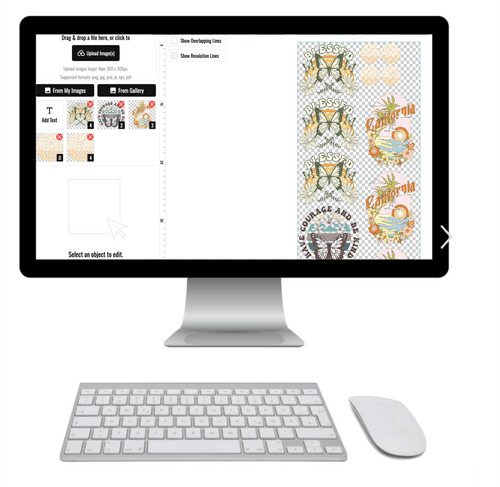
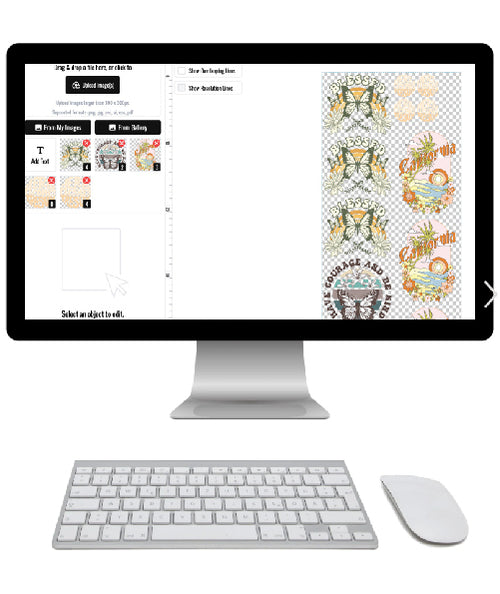
Pro Tip: For DTF users, small workflow changes can be a game-changer. Our Auto-build gang sheet builder not only makes creating transfers more cost-effective but also helps organize your prints. A well-organized sheet reduces the chance of ink accidentally smearing onto the platen edges, keeping your press cleaner for longer.
A Practical Guide to Cleaning Your Upper Platen
Think of the upper platen as the heart of your heat press. It delivers the heat, and if it’s not perfectly clean, you’re going to have problems. Stray ink, melted vinyl, and adhesive gunk love to stick here, and that buildup can quietly ruin your next project.
Mastering how to clean this part of your press is probably the most important maintenance skill you can learn. Let’s go through the right way to get that non-stick surface back to pristine condition, so every transfer comes out looking sharp.
Safety First Always
Before you grab a cloth, safety has to be your top priority. Never try to clean a press while it's fully heated and running. The risk of a serious burn is incredibly high—it’s just not worth it.
The best time to clean is when the press is either completely cool or just slightly warm. Make sure to unplug the machine entirely to avoid any electrical hazards. A little warmth can definitely help loosen fresh residue, but the platen should always be cool enough to touch safely with heat-resistant gloves.
The Right Cleaning Method for Different Residues
The kind of mess you’re dealing with will dictate your cleaning strategy. While a dedicated platen cleaner is your best friend for most jobs, different gunk requires a slightly different game plan.
For Light Ink or Adhesive Film:
- Most of the time, a simple wipe-down does the trick. Once the platen has cooled off, just take a soft, lint-free cloth and give it a firm wipe.
- If that doesn’t cut it, you can slightly dampen the cloth with water and a mild soap. Wring it out completely—you don’t want any water dripping near the electronics.
- After you’re done, follow up with a dry cloth to prevent water spots or mineral deposits from forming.
For Stubborn HTV or Adhesive Buildup:
- This is where a real platen cleaner proves its worth. Apply a small amount of the cleaner to your cloth (never pour it right on the platen) while the press is warm but turned off.
- Gently rub the built-up gunk in a circular motion. The warmth combined with the cleaner should start to break down and dissolve the adhesive.
- For really tough spots, you might need a little more elbow grease, but never use a metal scraper or an abrasive pad. You’ll permanently scratch the Teflon coating, and there's no going back from that.
A scratched platen heats unevenly and creates pressure points, leading directly to failed transfers and wasted materials. Always stick to soft tools and let the cleaning solution do the heavy lifting.
A Note on DTF and HTV Transfers
Direct-to-Film (DTF) and Heat Transfer Vinyl (HTV) tend to leave different kinds of residue. HTV can leave behind a thicker, more rubbery adhesive, while DTF might leave a light ink haze if a transfer gets misaligned or pressed incorrectly.
The cleaning process itself is pretty much the same for any type of press, whether it's a clamshell or a swing-away. If you're curious about how different machine styles impact your workflow, you can read our comparison of swing away heat presses to see what fits your space and needs.
A smarter workflow can also save you a lot of cleaning time. For those using DTF, our Auto-build gang sheet builder is a great example. It does more than just help you fit more designs on a sheet; it also arranges them neatly. This simple step helps prevent ink from the edges of your transfers from accidentally touching and smearing onto the platen in the first place.
Maintaining Other Critical Parts of Your Heat Press
The top platen might get all the glory, but a truly reliable heat press is clean from top to bottom. If you only focus on the heated surface, you’re ignoring other components that can just as easily cause uneven pressure, misaligned prints, and a shorter lifespan for your machine.
Think of your lower platen and its silicone pad as the foundation for every single press. Even though it doesn’t get hot, it collects lint, dust, and tiny bits of debris from every garment you load. Over time, that buildup can create impressions in the pad, ruining your pressure consistency and even damaging delicate fabrics.
Cleaning the Lower Platen and Silicone Pad
Wiping down the lower platen is a quick but non-negotiable step. A simple pass with a lint-free cloth is usually all it takes to clear away fibers and dust that collect during a print session. For minor smudges, a cloth dampened with a little mild soap and water does the trick.
If you’ve got a more stubborn mark on the silicone pad itself, here’s what to do:
- Start by trying to lift it with a soft cloth and a bit of isopropyl alcohol.
- Gently rub the spot. You want to avoid aggressive scrubbing, which can wear down the silicone surface over time.
- Make sure the pad is 100% dry before you press again. Any trapped moisture can instantly turn to steam and ruin your transfer.

The process really is that simple: prioritize safety, apply your cleaner, and wipe it clean. Following this routine makes all the difference.
Protecting Your Protective Sheets
Your Teflon sheets and other protective covers are your first line of defense against messes, so they need to be kept just as clean as the press itself. After every use, give them a quick wipe with a soft cloth to catch any stray ink or adhesive residue.
If something has already hardened, a dedicated platen cleaner on a cloth will usually dissolve it without much fuss. A proactive approach here saves a lot of headaches later. In fact, a recent survey showed that 82% of users noticed better press performance once they committed to a consistent cleaning schedule. For more professional tips, you can read more on maintenance best practices from the experts at Stahls.com.
Quick Tip: A great way to keep your press cleaner, especially with DTF transfers, is to optimize your layouts. Our cost-effective Auto-build gang sheet builder helps you arrange designs efficiently, minimizing the risk of ink from the edges of a transfer accidentally touching the platen.
Maintaining the Machine's Frame and Controls
Finally, don’t forget the rest of the machine. Dust and lint love to settle on the frame, pressure mechanism, and control panel. A quick wipe-down with a dry cloth or a few blasts from a can of compressed air will keep these areas clear and running smoothly.
This kind of routine maintenance is what turns a good machine into a reliable workhorse for years to come.
Proactive Tips to Prevent Buildup and Improve Workflow

The best way to keep a heat press clean is to stop messes before they even happen. Instead of spending your time scraping off caked-on residue, a few simple habits can protect your equipment and the quality of your work.
Think of prevention as part of your production workflow, not a separate chore. These small adjustments will save you a ton of time, cut down on wasted materials, and keep your press running at its best.
Use Protective Layers Every Single Time
This is the single most effective way to prevent buildup. A protective cover sheet, like a Teflon sheet or a piece of parchment paper, should be used for every single press. No exceptions.
This sheet creates a barrier between your transfer and the upper platen, catching any stray ink or adhesive that would otherwise bake onto the hot metal. It’s a cheap and easy habit that virtually eliminates the need for heavy scrubbing later on.
Proper maintenance isn't just about cleaning; it’s about preservation. In fact, consistent cleaning and protective routines can extend equipment lifespan by 40-50%, a massive cost-saving benefit. With roughly 73% of small print shops now using heat presses, smart maintenance is a real competitive advantage. You can find more expert maintenance tips to protect your investment on Stahls.com.
Optimize Your Transfer Layouts
How you arrange your designs on a transfer sheet also makes a difference, especially if you're working with DTF transfers. When designs are placed too close to the edge of the film, you run a higher risk of ink or adhesive oozing out onto your platens.
This is where a strategic layout becomes a cleaning tool in itself. By leaving a small buffer around your designs, you create a safety zone that keeps your press surfaces clean.
A well-organized workflow is a clean workflow. When you optimize how you prepare and place your transfers, you’re actively preventing the most common causes of residue buildup. Less mess means more time pressing.
For DTF users, this has become incredibly simple and cost-effective. We actually designed our Auto-build gang sheet builder to help with this. The tool automatically arranges your designs onto a single sheet with optimal spacing.
This approach gives you two major benefits:
- Cost Savings: You fit more designs onto a single sheet, which lowers your cost per print.
- Cleaner Pressing: The organized layout naturally prevents designs from running off the edge, meaning less accidental ink transfer onto your platens.
Using a tool like this isn't just about saving money on transfers—it’s about building a cleaner, more efficient production system. You’ll spend far less time on cleanup and more time creating the custom apparel your customers are waiting for. A clean workspace and a cleaner press lead directly to better, more consistent results.
Frequently Asked Heat Press Cleaning Questions
Even with a solid maintenance routine, questions are bound to come up. Knowing how to handle the small stuff keeps your equipment running smoothly and prevents bigger headaches down the road. Let's tackle some of the most common cleaning questions we get from fellow printers.
What Should I Do if Ink or Vinyl Gets on a Hot Platen?
This is a classic mishap that happens to everyone sooner or later. The key is to act fast, but act safely. The moment you notice it, turn off and unplug the press. This stops the residue from baking on even further.
While the platen is still warm (not scorching!), you can gently scrape off the gunk. Use something that won't scratch, like a wooden spatula or a specialty heat-resistant scraper. After the main chunk is gone, grab a soft cloth, apply a dedicated platen cleaner, and wipe the area clean. Never use a metal tool like a knife or putty scraper—it will permanently scratch your platen's non-stick coating.
How Do I Know if My Heat Press Needs Cleaning?
Your machine—and your products—will give you some pretty clear signals. Visible flecks of old vinyl, a sticky feel to the platen, or faint ink discoloration are the obvious signs. But the most critical warning sign shows up in your transfers.
If you start seeing "ghosting" from a previous design or notice that transfers aren't adhering properly in certain spots, residue is almost always the culprit. That buildup creates a barrier, causing uneven heat and pressure. Getting into the habit of giving your platen a quick visual check before each session is a fantastic way to stay ahead of it.
Don't wait for a ruined shirt to tell you it's time to clean. A discolored or sticky platen is a clear warning that your transfer quality is at risk. A proactive wipe-down saves time, money, and a lot of frustration.
Can I Use Household Cleaners on My Heat Press?
This is a hard no. Common household products like oven cleaner, glass cleaner, or all-purpose sprays contain harsh chemicals that will destroy your platen's delicate non-stick coating. Using them will strip that coating right off, causing irreversible damage that leads to bad transfers and costly repairs.
Always stick to cleaners specifically formulated for heat presses. They’re designed to work without damaging the surface. If you're really in a bind and the press is completely cool, a soft cloth with a tiny bit of mild soap and water can work in an emergency, but a dedicated cleaner is always the safer bet. It's a small investment to protect a much larger one.
A cleaner press also ties into a more efficient workflow. For example, using our Auto-build gang sheet builder not only saves money by optimizing your transfer layout but also makes pressing easier. The clean, organized sheets reduce the chance of accidental ink transfer onto the platen, keeping your equipment cleaner for longer.
Ready to create stunning, professional-quality apparel? Trust Lion DTF for vibrant, durable, and easy-to-use DTF transfers that ship in as little as one business day. Build your custom gang sheet or explore our ready-to-press designs today!