



You've probably had this happen. The transfer looked perfect when it came off the press, then the corner lifted on the first wash, the polyester shirt showed a shine mark, or the colors came out dull because the press was set like an old cheat sheet instead of the material in front of you.
That's where most heat press mistakes start. Not with bad artwork, and not even with a bad transfer, but with the wrong combination of temperature, time, and pressure for the transfer type and fabric.
A solid heat press temperature chart fixes that. A useful one doesn't just throw a few generic settings on a page. It separates DTF from HTV, accounts for fabric behavior, and gives you a starting point you can trust when production is moving fast.
Your Guide to Perfect Heat Press Transfers
Most ruined garments come from one of three problems. The press is too hot for the fabric, too cool for the adhesive, or set with pressure that looks fine but doesn't create full contact across the platen.
The fix is precision. Heat press temperature charts are scientifically derived from the thermal activation points of adhesive polymers, not guessed from hobby forums. Standard adhesive for 100% cotton typically needs 280°F, while 100% polyester needs 240°F to 250°F to avoid melting. Across the trade, most heat press work lands inside the 240°F to 280°F range because that's where common transfer systems activate reliably (industry thermal activation data and standard HTV parameter charts.)).
That's the difference between pressing with confidence and pressing by luck.
What actually controls the result
A transfer doesn't care what the dial says. It cares about the environment you create at the moment of contact.
- Temperature activates the adhesive or dye system.
- Time keeps that activation going long enough to bond.
- Pressure makes sure the heat reaches the full design evenly.
Practical rule: If one of those three is wrong, the other two usually can't save the job.
A good chart gives the quick answer. A better one also reflects what happens in a working shop. Cotton handles heat differently than polyester. Sublimation behaves nothing like HTV. DTF needs its own lane, especially on blends and special materials where generic HTV settings fall apart.
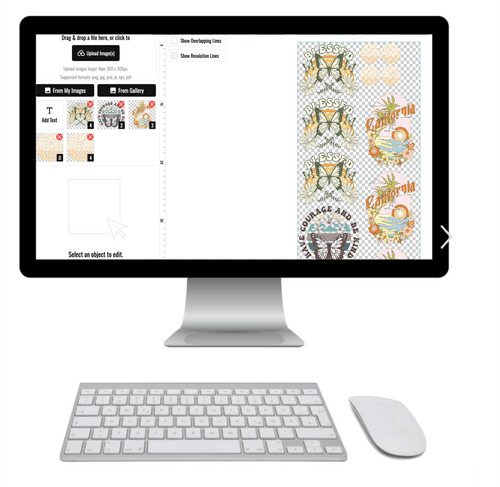
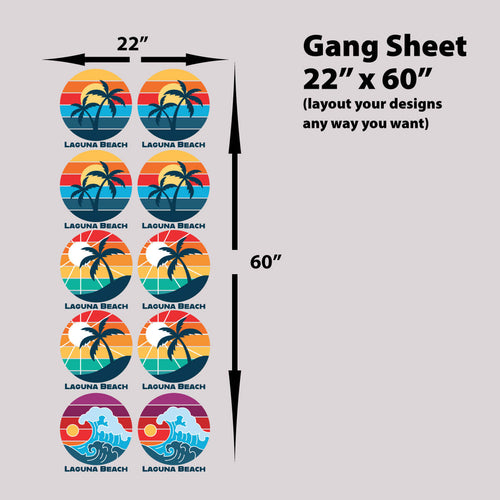
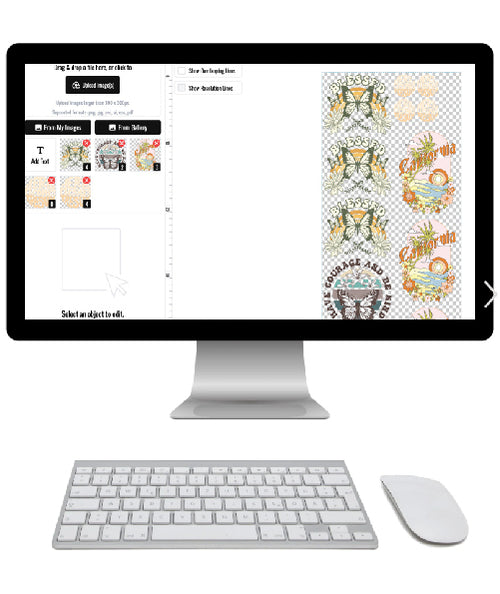
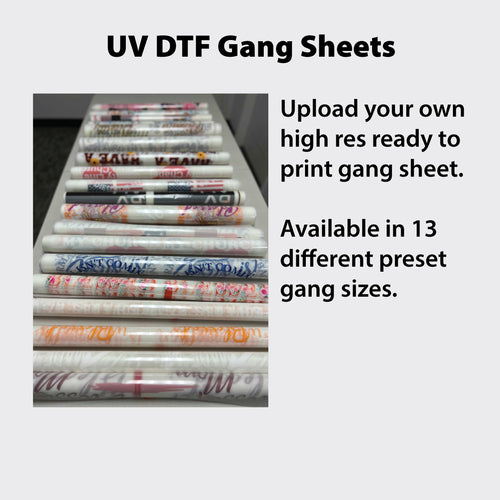
That's why the most useful chart on the wall is the one your team can effectively run with, screenshot, and trust during a busy shift. For larger layouts and mixed orders, the Auto-build gang sheet builder also makes setup easier and more cost effective because you can organize multiple designs efficiently before they ever reach the press.
Understanding the Core Variables Temp Time and Pressure
A transfer bonds because heat activates chemistry. The press only works when temperature, dwell time, and pressure match the transfer system and the fabric. If one variable is off, you usually see it immediately in the finish or after the first wash.
Temperature is the trigger
Temperature starts the reaction. Adhesive-based transfers need enough heat to activate the glue layer. Sublimation needs enough heat to convert dye so it can move into the polyester surface.
This is why charts aren't arbitrary. They're based on thermal activation points. For common apparel work, 100% cotton usually sits at 270°F to 280°F, while 100% polyester needs 240°F to 260°F to prevent melting or shine. The trade as a whole does most of its pressing inside the 240°F to 280°F window because that range covers the dominant transfer methods used in shops every day (industry thermal activation data and standard HTV parameter charts).
Think of temperature like the oven setting in baking. Too low and the center never sets. Too high and the outside burns before the inside is ready.
Time creates the bond
Heat needs contact time. A press that opens too early often gives you a transfer that looks attached until you stretch it, wash it, or peel the carrier.
In practice, time does two jobs:
- It lets the adhesive fully flow and grab the fibers
- It gives the transfer enough exposure to cure consistently across the entire design
A large chest graphic, for example, may hide weak edges if your press runs cool at the corners. That's why operators don't just watch the center of the print. They inspect the perimeter.
A transfer can look done before it is done. The peel often tells the truth faster than the surface does.
Pressure finishes the job
Pressure is what many shops underestimate. It isn't just about pushing down hard. It's about creating even contact so the transfer, cover sheet, and garment all meet the platen consistently.
For standard HTV, medium pressure is the norm in commercial work. If pressure is too light, parts of the design won't fully seat into the fabric. If it's too heavy on heat-sensitive material, you can get texture marks, shine, or platen lines.
A quick field check helps:
- Corner resistance matters because loose platen corners create partial adhesion.
- Layer thickness matters because seams, zippers, and collars steal pressure from the graphic.
- Cover sheet choice matters because some barriers soften pressure slightly.
Why the variables must match each other
You can't fix a cold press by holding it down forever. You also can't compensate for poor pressure by cranking the heat on polyester.
Use this logic instead:
| If you see this | Check first |
|---|---|
| Edges lifting | Pressure, then time |
| Scorch or shine | Temperature |
| Patchy adhesion | Pressure uniformity |
| Good center, bad corners | Platen contact |
That's the heart of every dependable heat press temperature chart. Not random numbers. Controlled interaction.
Lion DTF Transfers Recommended Settings and Best Practices
DTF deserves its own workflow. It isn't just “HTV but printed,” and shops lose time when they treat it that way. The transfer film, adhesive layer, peel timing, and repress step all matter.

The working range that holds up
For DTF, the established press range is 240°F to 280°F for 10 seconds, followed by a post-press of 5-10 seconds after peeling. That second press improves durability to many cycles and matters even more on synthetic blends, where a one-and-done press is more likely to fail (DTF transfer heat press protocol video reference).
The practical benefit is consistency. If the first press activates the adhesive and seats the design, the second press helps lock the print into the surface more evenly.
A shop-ready DTF routine
Use this sequence when you want repeatable results:
- Pre-press the garment to flatten fibers and remove moisture.
- Press the transfer inside the target DTF range for the fabric.
- Peel according to the transfer's peel style once the film is ready.
- Repress for 10 seconds to finish the bond.
That sequence is where many production gains come from. It reduces surprises after washing, especially on blends, athletic wear, and soft retail shirts.
For operators who want a brand-specific setup reference, Lion DTF Transfers maintains a dedicated guide for heat press settings for DTF.
Fabric-specific judgment matters
A good DTF chart has to respect the garment, not just the film.
- Cotton tolerates the upper part of the DTF range better.
- Polyester usually benefits from lower heat and tighter observation.
- Blends often press cleanly in the middle, but they can still vary by brand and finish.
What doesn't work is using one universal setting for every blank in the shop. That approach causes shine on one shirt, weak bonding on the next, and wasted time chasing the problem at the peel station.
If DTF is your main print method, keep its settings separate from HTV on your wall chart. That small change prevents a lot of avoidable reprints.
The Auto-build gang sheet builder helps on the front end too. It makes layout easier and more cost effective when you're combining multiple logos, left-chest placements, sleeve prints, and full fronts on one order, especially when you want to reduce sheet waste before production starts.
A quick visual walkthrough helps if you're training staff or checking your routine against another operator's process.
What usually goes wrong with DTF
Most DTF failures come from one of these:
- Peeling too soon when the transfer needs a different peel window
- Skipping the repress because the first press looked good enough
- Using polyester-safe HTV settings on a DTF transfer
- Pressing over seams or pockets without correcting pressure
Those aren't small details. They're the line between a print that survives regular wear and one that comes back as a complaint.
Starting points that keep you out of trouble
One common gap in guides is DTF on special materials. The known problem areas are clear: wood and chipboard need 210°F to 240°F to avoid burning, while neoprene sits around 240°F. Standard charts often don't translate those realities into DTF-specific settings, which leaves users testing blindly (analysis of missing data for non-standard substrates.)).
The key point is simple. Material tolerance and transfer requirements don't always align.
How to approach difficult blanks
Wood and chipboard
These surfaces can discolor fast. If you're working with them, treat heat as a burn risk first and a transfer variable second. Small tests in a hidden area matter more than any generic chart value.
Neoprene
Neoprene can mark, compress, or distort under excess heat. Even when the transfer looks attached, the substrate may show pressure damage if the platen contact is too aggressive.
Stretch fabrics
Stretch garments create a different challenge. The transfer has to bond while the fabric remains flexible. If the transfer and fabric recover differently, you'll see edge stress or cracking during wear.
The test-first method that experienced shops use
When the substrate is unusual, don't start with the final product. Start with a controlled test.
- Choose a hidden spot or a sacrificial blank from the same batch.
- Check surface response first before judging transfer quality.
- Adjust one variable at a time so you know what caused the change.
- Watch for texture, gloss, shrink, or edge lift after cooling.
This matters even more on expensive blanks. A tote with thick seams, a coated promotional item, or a mixed-material garment can give false confidence if you only inspect the center of the pressed area.
On challenging materials, success comes from controlled testing, not from forcing a standard apparel setting onto the job.
Pressure tools matter on irregular items
Flat shirts are easy. Uneven items are not.
Use support tools when needed:
| Challenge | What helps |
|---|---|
| Zippers and seams | Pillow or pad to lift the print zone |
| Thick canvas | Longer setup time and flatter loading |
| Curved or uneven blanks | Smaller heat area or localized pressing |
| Heat-sensitive surfaces | Lower starting heat and shorter contact |
That's the part most quick charts leave out. The press setting is only half the answer. The loading method decides whether those settings can work at all.
Troubleshooting Common Heat Press Issues
When a transfer fails, the surface usually tells you what went wrong. The mistake is rushing to change everything at once. Read the symptom first, then adjust the variable most likely responsible.
Peeling after pressing or after washing
If the design lifts at the corners, releases in patches, or starts failing after the first wash, the bond was incomplete.
Likely causes include:
- Temperature too low for the transfer system
- Dwell time too short
- Uneven pressure across the platen
- Wrong peel timing
- Skipping the finishing press on methods that need it
Start with the simplest check. Inspect the platen corners and garment loading. A lot of “bad adhesion” is really poor contact at the edges or a seam stealing pressure from the print area.
Then check process discipline. Moisture in the garment, a rushed peel, or a carrier removed at the wrong moment can all weaken the result.
Scorching, shine marks, and platen lines
If the shirt looks glossy, flattened, or heat-marked, the fabric took more heat than it could tolerate or held too much pressure for too long.
This shows up most often on:
- Performance polyester
- Fashion blanks with soft finishes
- Dark garments that reveal pressure marks easily
Reduce heat exposure first. Then look at pressure and cover-sheet choice. Some garments recover if the mark is minor, but prevention is much easier than cleanup.
If the fabric looks damaged before the transfer fails, the garment is telling you the press environment is too aggressive.
Ghosting and blurry edges
Ghosting usually means movement. The transfer, paper, or garment shifted while the image was still vulnerable.
Common causes:
- The transfer wasn't secured well
- The garment was moved too quickly after opening the press
- The substrate lifted with the paper
- Pressure wasn't even, causing part of the image to release differently
This is especially noticeable on photographic prints, fine detail, and sublimation work. Clean loading and careful removal matter more here than brute force.
Dull color or weak visual impact
When prints look underpowered, one of two things is happening. Either the transfer system didn't fully activate, or the substrate wasn't compatible enough to show the intended result.
Check these areas:
- Transfer method matched to substrate
- Full press cycle completed
- Clean pressing surface with no moisture or contamination
- Correct material for the decoration type
The answer isn't always “add more heat.” On sensitive materials, more heat can make the job worse.
A simple safety routine that should never be skipped
Heat presses are straightforward machines, but they can still hurt operators and ruin products if the work area gets careless.
Keep this routine standard in the shop:
- Clear the platen area before every cycle
- Use consistent loading habits so hands stay away from closing zones
- Keep protective paper and garments organized to avoid rushed grabs
- Let hot items cool on a stable surface
- Inspect cords, handles, and platen surfaces regularly
Safety and consistency are tied together. Shops that stay organized usually waste fewer blanks because their process is repeatable from the first press to the last.
The goal isn't perfection from memory. It's building a repeatable system where the chart gives you the starting point, the substrate tells you how it's responding, and your adjustments stay deliberate instead of random.
If you need ready-to-press DTF options for daily production, Lion DTF Transfers offers custom transfers, gang sheets, and tools that fit both small runs and higher-volume shop work.