



Ever wondered how they get those incredibly vibrant, all-over prints on athletic jerseys or custom mugs that never seem to fade? The magic behind that is sublimation heat transfer, a printing process that creates stunning, permanent graphics that become one with the material itself.
Unlike other methods where the ink sits on top, sublimation infuses the design into the fabric for a finish you can't even feel.
The Science Behind Sublimation Printing
At its core, sublimation is a slick bit of chemistry that turns a solid into a gas, completely skipping the liquid phase. Think of it like dry ice—it goes from a solid block straight into a vapor. Sublimation printing works on the very same principle, using special inks that react to heat.
First, your design is printed onto special transfer paper using sublimation ink. At this stage, the ink is just a solid sitting on the paper. But once you introduce a heat press, everything changes. The heat and pressure trigger a reaction, instantly turning the solid ink into a gas.

How The Magic Happens
This ink-turned-gas is where the real magic comes in. The gas penetrates the open pores of polyester or polymer-coated surfaces. As soon as the heat is removed, the gas cools and instantly turns back into a solid, but now it's trapped inside the material's fibers.
The design isn't just a layer on top; it’s permanently bonded with the substrate. That’s why a sublimated graphic is completely smooth to the touch. You can’t feel a thing. It also means the design won't crack, peel, or wash away over time.
This unique bonding process is what gives sublimation its key advantages:
- Vibrant, Full-Color Designs: The gas infusion allows for brilliant, photorealistic images with incredible detail and seamless gradients.
- Unmatched Durability: Because the ink becomes part of the item, the design is just as durable as the product itself.
- A Professional, No-Feel Finish: The lack of an ink layer makes it perfect for apparel, creating a soft, breathable final product.
Your Essential Sublimation Equipment Checklist
Jumping into sublimation feels exciting, but your success really hinges on having the right tools from the get-go. Think of it like baking a cake—you can't just substitute salt for sugar and expect a good result. This checklist breaks down the essential equipment you'll need, explaining why each piece is non-negotiable for achieving those professional, vibrant prints you're after.
Investing wisely now prevents a ton of costly mistakes and frustrating results down the road. Each component plays a specific, critical role in the chemical process that makes sublimation so unique.
The Core Components of Your Sublimation Setup
Your sublimation journey starts with a few key pieces of hardware and supplies. It might seem like a lot at first, but each item is designed to work together perfectly to produce flawless, durable designs.
-
A Dedicated Sublimation Printer: This is your starting point, but not just any printer will do. You need a model specifically designed for or converted to handle sublimation inks. An ordinary desktop printer uses the wrong ink technology and simply won't work for sublimation.
-
Specialized Sublimation Inks: These are not your standard printer inks. Sublimation inks are formulated with unique dyes that turn from a solid straight into a gas when heated, which is the entire magic behind this printing method.
-
A Reliable Heat Press: This is arguably the most critical tool in your arsenal. A quality heat press delivers the precise combination of high temperature and consistent pressure needed to kick off the sublimation process. You can find out more by exploring our complete temperature guide for heat press applications.
The Unsung Heroes: Paper and Blanks
Beyond the main hardware, your choice of paper and the items you print on (called substrates) directly impacts the final quality. Skimping here can undermine even the best equipment.
The right supplies don't just help; they define the final quality of your work. From the paper that releases the ink to the substrate that accepts it, every detail matters for achieving sharp, brilliant colors that last.
Sublimation Transfer Paper is the vehicle for your design. This coated paper is engineered to hold the solid ink particles and then release them cleanly as a gas under heat. Using the wrong paper can lead to blurry images, faded colors, or transfers that don't fully stick.
Compatible Sublimates (Blanks): Finally, you need something to print on. Sublimation works by bonding with polymers. This means you have to use items made from polyester (ideally 100%) or hard-surface items with a special polymer coating.
Common options include:
- Polyester apparel (t-shirts, hoodies, socks)
- Ceramic mugs and tiles
- Polyester-coated metal panels
- Specially treated phone cases and keychains
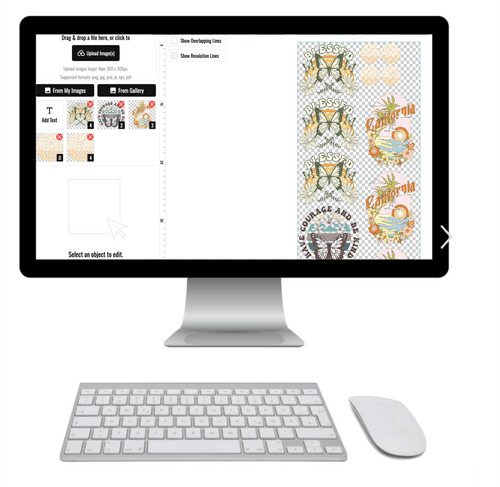
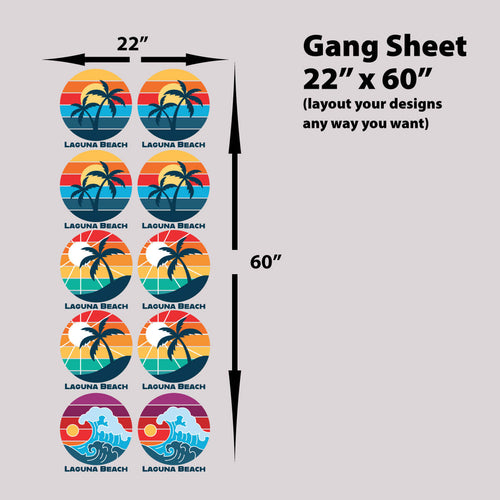
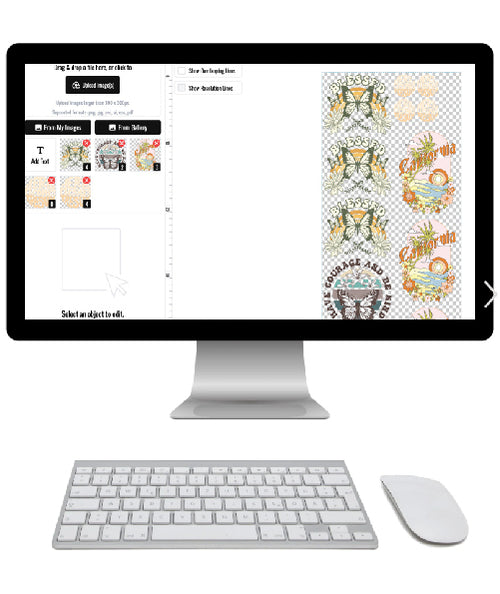
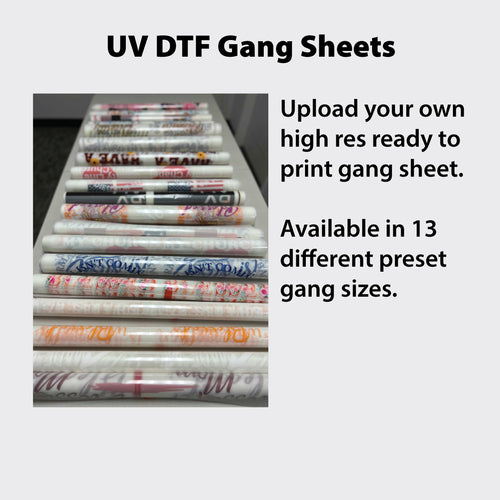
For creators and businesses looking to get the most out of their materials, planning your prints is key. This is where our Auto-build gang sheet builder comes in handy. It helps you arrange multiple designs onto a single sheet of sublimation paper, which significantly cuts down on waste and lowers your cost per item. This approach makes your sublimation projects far more cost-effective, whether you're making one-off gifts or fulfilling large orders.
The Step-By-Step Sublimation Printing Process
Turning a cool idea into a professional-looking product is all about nailing the sublimation process. Think of it like a recipe—if you follow each step exactly, you’ll get a perfect result every time. We're going to break down the whole workflow, from digital design to the final press, so you can skip the guesswork and create flawless prints from the get-go.
We'll cover everything you need to know, from prepping your art to applying the heat, and share some practical tips to help you avoid common mistakes.
This visual gives you a quick rundown of the main stages, from your printer to the heat press.

As you can see, each part of the process builds on the last one. Get one step right, and you’re set up for success in the next.
Step 1: Prepare and Print Your Design
It all starts with your artwork. Make sure your design is high-resolution—300 DPI is the industry standard—to keep it from looking pixelated and blurry.
Before you print, there's one step you absolutely cannot forget: you must mirror your image. The design gets placed face-down on your item, so if you don't mirror it, your text and images will come out backward.
Once it's mirrored, print your design onto special sublimation transfer paper using a dedicated sublimation printer and inks. It's also a good idea to add a small border or "bleed" around the image. This gives you a little wiggle room when you’re lining things up and helps prevent any ugly white gaps around the edges.
Step 2: Get Your Substrate Ready
With your transfer printed, it's time to prep your blank item, also known as the substrate. This is a super important step for getting a sharp, vibrant transfer.
- Clean the Surface: Grab a lint roller and go over the entire surface to remove any dust, hair, or loose fibers. Seriously, any tiny piece of debris you leave behind will turn into a permanent blue or dark speck on your final product.
- Pre-Press the Item: Put the blank in your heat press for about 10-30 seconds at the recommended temperature. This quick press gets rid of any moisture trapped in the material and smooths out wrinkles, giving you a perfect canvas.
Skipping the pre-press is one of the most common mistakes beginners make. That trapped moisture turns into steam during pressing, which can cause colors to shift, create blurry spots, and leave your design looking dull and faded.
Step 3: Align and Secure the Transfer
Getting the alignment right prevents one of the most frustrating problems in sublimation: "ghosting." That’s when the paper shifts slightly during pressing, leaving a faint, blurry second image.
Carefully place your printed transfer paper face-down onto your prepped item. Once you’re happy with the positioning, lock it in place with heat-resistant tape. This stuff is designed to handle the high temps of the press without melting or leaving any gunk behind.
If you’re making multiple items, our Auto-build gang sheet builder can be a real game-changer. It lets you arrange several designs on a single sheet of transfer paper, which cuts down on waste and drastically lowers your cost per print. This makes the whole sublimation heat transfer process way more affordable and efficient, whether you're just starting out or running a business.
Step 4: Apply Heat and Pressure
Here’s where the magic happens. Place your taped-up item on the heat press and cover it with a protective sheet, like parchment or butcher paper. This prevents any ink from bleeding onto your press.
Close the press and apply heat based on the manufacturer’s guidelines for your specific blank. The settings usually fall somewhere between 385-400°F for 60-75 seconds with medium to firm pressure.
When the timer goes off, carefully open the press and use heat-resistant gloves to remove the item. While it’s still warm, peel away the transfer paper to reveal your vibrant, permanent design.
Comparing Sublimation, DTF, and Other Methods
Choosing the right decoration method is crucial for getting the results you want. While sublimation heat transfer creates stunning, permanent designs, it’s not the only player in the game. Understanding its strengths and weaknesses compared to other popular techniques, especially Direct-to-Film (DTF), will help you make smarter, more cost-effective decisions for every project.
Think of it like choosing the right tool for a job. You wouldn't use a hammer to drive a screw, right? Similarly, the best printing method depends entirely on the fabric, color, and desired feel of the final product. Let's break down how sublimation stacks up against the competition.
Sublimation vs. Direct-to-Film (DTF)
This is the most common comparison, and for good reason. Sublimation and DTF are both powerful digital transfer methods, but they serve very different needs. The choice between them usually comes down to two key factors: what the item is made of and what color it is.
-
Fabric Compatibility: Sublimation ink only bonds with polyester. It really pops on 100% polyester garments, giving you the most vibrant colors imaginable. You can use it on poly-blends, but the colors will look more faded or "vintage" on fabrics with less polyester. DTF, on the other hand, is the versatile champion—it works on almost any fabric, including cotton, polyester, blends, denim, and even leather.
-
Substrate Color: Because sublimation ink is translucent, it needs a white or very light-colored surface to show up properly. You can't sublimate on dark or black fabrics because the design will just disappear into the material. DTF transfers have an opaque white ink base, which allows them to produce vibrant, full-color designs on garments of any color, including black.
-
The Feel of the Print: This is where sublimation truly shines. Since the ink becomes part of the fabric fibers, the final design has zero feel. It’s completely smooth and breathable, as if it was part of the original shirt. A DTF transfer is an ink layer that sits on top of the fabric, so while it has a soft, flexible feel, you can definitely tell it's there.
Sublimation vs. Other Classic Methods
Beyond DTF, two other methods have been industry staples for years: screen printing and heat transfer vinyl (HTV). Each has its place, but they differ a lot from sublimation when it comes to complexity, cost, and what the final product looks like. For a deep dive into the specifics, check out our guide comparing DTF vs Sublimation.
Screen printing involves pushing ink through a mesh stencil onto a garment. It’s super cost-effective for huge batches of simple, one or two-color designs but gets expensive and complicated fast when you need photorealistic images with lots of colors. HTV is all about cutting a design from a sheet of colored vinyl and pressing it onto a shirt. It’s great for simple text and bold graphics but just can't handle intricate or full-color designs.
Sublimation offers unlimited colors and photorealistic detail in a single press, making it perfect for the kind of complex, vibrant graphics that screen printing and HTV can't easily replicate.
This capability is driving huge market growth. The global dye sublimation printing market is expanding rapidly, fueled by demand for custom apparel. Projections show the market growing from USD 16.85 billion in 2026 to USD 28.05 billion by 2031. This surge is powered by small businesses and e-commerce sellers who need the high-quality, on-demand capabilities that sublimation provides. You can read the full market analysis from Mordor Intelligence to learn more.
To help you visualize the differences, here’s a quick comparison of the most popular apparel decoration methods out there.
Comparison of Apparel Decoration Methods
| Feature | Sublimation | DTF (Direct-to-Film) | Screen Printing | Heat Transfer Vinyl (HTV) |
|---|---|---|---|---|
| Fabric Compatibility | Polyester & poly-blends only | Cotton, polyester, blends, leather, denim | Cotton, blends, polyester (ink-dependent) | Cotton, polyester, blends |
| Best For | Full-color, photorealistic designs | Detailed, multi-color designs on any fabric | Large runs of simple, 1-3 color designs | Simple text, numbers, and bold shapes |
| Substrate Color | White or very light colors only | Works on any color, including black | Best on light colors; darks need underbase | Works on any color |
| Feel of Print | Zero feel, breathable | Soft, flexible layer on top of fabric | Slightly raised ink layer | Thick, plastic-like feel |
| Durability | Extremely durable, permanent | Very durable, flexible, and crack-resistant | Durable, but can crack/fade over time | Good, but can peel or crack eventually |
| Setup Cost/Complexity | Moderate setup, simple process | Moderate setup, multi-step process | High setup cost, complex for multi-color | Low setup cost, simple process |
This table should give you a clear idea of where each method excels. The best choice always comes down to the specific needs of your project.
Making the Right Choice for Your Project
So, when should you choose each method? It’s all about matching the technology to the job.
- Choose Sublimation For: A vibrant, full-color photo on a white 100% polyester athletic jersey.
- Choose DTF For: A bold, colorful logo on a black 100% cotton hoodie.
- Choose Screen Printing For: 500 one-color logos for a corporate event on cotton tees.
- Choose HTV For: A player's name and number on the back of a team jersey.
For businesses looking to offer maximum versatility, combining methods is the smartest approach. Sublimation is perfect for all your polyester jobs, while DTF expertly fills the gap for cotton and dark-colored apparel. For those who want to offer DTF without the equipment investment, using our Auto-build gang sheet builder is an incredibly cost-effective way to order multiple DTF designs at once, ready to press on any garment.
Beyond T-Shirts: Products You Can Sublimate
While apparel is a great place to start, the world of sublimation heat transfer is so much bigger than just t-shirts. Thinking beyond fabric is where you'll find new revenue streams and creative projects that let you offer a whole range of high-demand, personalized products. From home decor to promo items, almost any polyester-coated surface is a blank canvas waiting for your designs.
This is where a lot of businesses really find their groove. The same setup you use for a shirt can create a stunning, permanent design on a huge variety of items that customers love for gifts, personal keepsakes, and corporate branding.

Custom Drinkware and Mugs
Drinkware is easily one of the most popular and profitable categories out there for sublimation. Ceramic mugs, stainless steel tumblers, and water bottles that come with a special polymer coating are absolutely perfect for this process. The results are brilliant, full-color designs that are both dishwasher-safe and incredibly tough.
This market is a goldmine for creating:
- Personalized Coffee Mugs: Think photos, monograms, or funny sayings. They sell year-round.
- Branded Company Tumblers: Awesome for corporate gifts or welcoming new employees.
- Custom Water Bottles: Perfect for sports teams, gyms, and school events.
Vibrant Home Decor Items
Sublimation lets you turn everyday household goods into personalized works of art. These items make for heartfelt gifts and unique decor pieces you just can't find in a big-box store. And because sublimation has that smooth, no-feel finish, it's perfect for products that are both functional and decorative.
By sublimating on hard-surface goods, you move beyond simple apparel decoration and become a full-service provider of custom gifts and decor, tapping into markets like weddings, holidays, and real estate closings.
Consider adding these high-margin items to your product lineup:
- Photo Panels: High-gloss metal or wood panels make family portraits look absolutely stunning.
- Custom Coasters: Create themed sets using ceramic or hardboard coasters.
- Personalized Throw Blankets: Multi-panel polyester blankets are ideal for photo collages.
High-Demand Promotional Products
Finally, don't overlook the world of promotional products. Businesses are always looking for unique ways to market themselves, and sublimated items leave a professional, lasting impression. Unlike cheap trinkets that get tossed, these are items people will actually use.
A few popular ideas include:
- Phone Cases: Offer custom designs, photos, or company logos.
- Keychains: These are small, easy-to-produce items that are perfect for bulk orders.
- Mouse Pads: A classic promotional item with a huge canvas for branding.
To really dial in your efficiency with these smaller items, you need to minimize material waste. This is where our Auto-build gang sheet builder gives you a massive advantage. It lets you arrange multiple designs for mugs, keychains, and coasters onto a single transfer sheet, which dramatically cuts your cost per item. This approach streamlines your production workflow, making your sublimation heat transfer business more profitable and easier to scale.
Overcoming Sublimation Limits with DTF Gang Sheets
So, what happens when a client walks in with a black cotton t-shirt and a killer full-color design? If your shop only runs sublimation, you have to turn them away. That’s probably the biggest headache for any sublimation business—being stuck with white or light-colored polyester fabrics. But this is exactly where Direct-to-Film (DTF) transfers flip a limitation into a major opportunity, letting you become the full-service print partner you want to be.
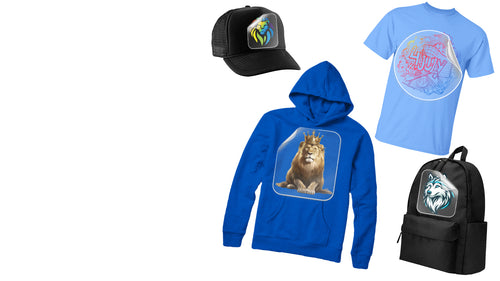
By adding DTF to your lineup, you can confidently say "yes" to pretty much any job, on any fabric, of any color. It's the perfect sidekick to your existing sublimation heat transfer setup, filling all the gaps that sublimation just can’t.
Maximizing Profitability with DTF Gang Sheets
The secret to making this new service incredibly profitable is all about efficiency. Instead of printing one design at a time, DTF gang sheets let you line up multiple designs on a single transfer film. This approach doesn't just cut down on material waste; it slashes your cost per print. It turns your business into a versatile powerhouse, ready to take on diverse and complex orders without breaking a sweat.
Our easy-to-use Auto-build gang sheet builder makes this whole process a breeze. You can quickly arrange logos, graphics, and even different client orders onto one sheet, making sure every square inch of film is put to work. That means more prints, less waste, and better margins on every single job you run. For a deeper dive into this, you can check out our complete guide on DTF gang sheets.
DTF transfers don't replace sublimation; they complete it. By offering both, you eliminate roadblocks and ensure you never have to turn away a customer due to material or color constraints.
The Growing Market for Custom Printing
This kind of versatility is non-negotiable in a market that's blowing up. The North American dye sublimation printing market, which is the engine behind sublimation heat transfer, hit USD 4,425.4 million in 2024 and is on track to nearly double by 2030. That growth screams one thing: there’s a massive demand for custom printing. You can capture all of it by offering both sublimation and DTF for every customer need. You can discover more insights about this regional market growth on grandviewresearch.com.
Using DTF gang sheets isn't just about overcoming a technical problem; it's a strategic business move. You position yourself as the one-stop shop for all custom apparel needs, ready to tackle any project your clients can dream up.
Common Questions About Sublimation Heat Transfer
As you dive into the world of sublimation, you're bound to run into a few hurdles. It's just part of the learning curve. Think of this section as your go-to cheat sheet for troubleshooting the most common issues that trip people up.
These are the questions we hear all the time, and the answers come straight from hands-on experience. Getting these fundamentals right will save you a ton of frustration and help you get those clean, professional prints you're after.
Why Are My Sublimation Colors Faded or Dull?
This is easily the number one problem for beginners. If your prints look washed out, it almost always comes down to three things: heat, time, or pressure. Every single sublimation blank—whether it's a mug, a shirt, or a keychain—has its own "recipe." You have to follow the manufacturer's recommended settings, or the colors just won't pop.
Another sneaky culprit is moisture. Even a tiny amount of water vapor trapped in the fabric will turn to steam under the press, messing with the ink transfer. To avoid this, always pre-press your item for 5-10 seconds. This little step gets rid of any hidden moisture and makes a huge difference in achieving vibrant, saturated colors.
How Can I Prevent Ghosting on My Prints?
"Ghosting" is that annoying, blurry shadow you sometimes see around your design. It happens when the transfer paper shifts—even just a millimeter—while you're opening or closing the heat press. That tiny movement causes a faint second impression of your design, ruining the sharp, crisp lines you wanted.
The fix is simple: lock that paper down. Use heat-resistant tape on all sides to make sure it doesn't budge. For an even more foolproof solution, try using tacky sublimation paper. This paper has a light adhesive that activates with heat, basically gluing the design to the substrate during the entire sublimation heat transfer process. No shifting, no ghosting.
Can I Sublimate on 100 Percent Cotton or Dark Fabrics?
This is a big one, so let's be clear: no, you cannot sublimate directly onto 100% cotton or dark-colored fabrics. It just doesn't work. Sublimation ink is transparent, and it needs to chemically bond with polyester fibers to become permanent. On cotton, there's nothing for the ink to bond with, so it will look faded from the start and wash right out.
On dark fabrics, the transparent ink simply disappears into the background color. It’s like trying to use a watercolor marker on black construction paper.
The rule of thumb for sublimation is simple: light-colored polyester is your canvas. For everything else—like cotton and dark garments—DTF (Direct-to-Film) transfers are the perfect solution.
If you want to print on any fabric a customer brings you, adding DTF transfers to your toolkit is a game-changer. It lets you say "yes" to every job. To make it affordable, our Auto-build gang sheet builder lets you easily pack multiple DTF designs onto a single sheet. This slashes your cost per print and makes it easy to expand your offerings way beyond what sublimation alone can do.
Why Do I See Press Marks on My Apparel?
Ever finish a print and see a faint rectangle on the shirt where the edge of your heat press or transfer paper was? Those marks happen when the heat and pressure flatten the fabric's fibers outside the design area.
An easy way to prevent this is to use a pressing pillow or a foam insert inside the garment. This raises the printing area just enough so the press only makes firm contact with your design. Another great trick is to tear the edges of your sublimation paper instead of cutting it. This creates a soft, feathered edge that helps the pressure blend out smoothly, leaving no hard lines on the fabric.
Ready to expand your printing capabilities beyond sublimation? With Lion DTF Transfers, you can say "yes" to any custom job on any fabric. Explore our vibrant, durable, and easy-to-use DTF transfers by visiting us at https://liondtf.com today.