



A box of blank jerseys can make a small shop feel two things at once. Good revenue is sitting on the table, and so is a pile of risk. One crooked back number, one edge that lifts after the first wash, or one size run that looks uneven as a set can turn a solid order into a callback you didn't need.
That's why professional results with heat press numbers don't come from guessing, eyeballing, or relying on one “works for everything” setting. They come from a repeatable production method. Shops that stay consistent don't just own a heat press. They control garment prep, transfer handling, placement, press settings, peel timing, and post-press inspection the same way on every order.
From Blank Jersey to Pro Uniform
Team jobs expose every weak part of a workflow. A single fashion tee can hide a slightly low print. A run of numbered jerseys can't. Set twenty shirts on a rack, and spacing mistakes, crooked placement, and inconsistent press quality jump out immediately.
That's why numbered apparel has always rewarded process over improvisation. Heat pressing became a major time-saver because pre-spaced numbers can cut production time by up to two-thirds compared with placing individual characters one at a time, as noted in Heat Press Nation's learning guide. That matters even more when a small shop is trying to hit a school, rec league, or same-week tournament deadline.
Why numbers are a workflow product
A jersey number isn't just decoration. It's a placement job, a materials job, and a consistency job.
When a beginner struggles, it usually comes from one of these habits:
- They press one shirt at a time mentally. They treat each jersey like a separate custom order instead of one production run.
- They trust visual centering alone. Numbers can look centered on the platen and still look wrong once the garment is worn.
- They skip setup discipline. Moisture, seams, collar bulk, and carrier movement create problems before heat even becomes the issue.
Practical rule: If your process only works when you move slowly and get lucky, it isn't a production workflow.
The shops that look polished build the order before they press the order. They decide number style, size, placement logic, and transfer sequence in advance. Then they repeat the same motion until the full rack is done.
What separates a pro finish
The pro finish isn't mysterious. It usually comes down to a few boring habits done well every time:
- Pre-stage the garments
- Use transfers that reduce manual alignment
- Press with tested settings
- Check peel and adhesion before moving on
- Use a placement system that changes by garment size
That last point gets ignored all the time. A number that looks balanced on one adult jersey can look visibly off on youth or extended sizes. The fix isn't better eyesight. The fix is a placement method you can repeat.
Prepping Garments and Managing Transfers
Most numbering problems start before the press closes. Shops blame the transfer when the problem was moisture in the shirt, a seam crossing the platen, or a transfer cut in a way that made straight placement harder than it needed to be.

Pre-pressing is not optional
For stock screen-printed numbers, a standard production workflow starts with a 3 to 5 second pre-press to remove moisture, according to Transfer Express stock number instructions. That step matters because steam and hidden moisture contribute to edge lift and incomplete adhesion.
Picture painting on a damp wall. The surface might look ready, but the bond won't be right.
Before you place any number, check these points:
- Flatten the print area. Make sure collars, plackets, seams, and thick trim aren't lifting part of the transfer away from pressure.
- Remove moisture and wrinkles. A quick pre-press helps the number sit on a cleaner, flatter surface.
- Lint and debris check. Athletic gear picks up fibers fast. Anything trapped under the adhesive can show through or reduce contact.
Transfer handling that saves rework
Pre-spaced number carriers solve one of the biggest production headaches. The digits arrive aligned on one carrier, so the operator places the sheet instead of building the number by hand. Stahls points out that this reduces layout errors because the operator doesn't need to manually align each digit, which is why many shops standardize around this format for team work in its heat transfer numbers overview.
That's the practical value. Less measuring between digits. Less chance of a “23” turning into a crooked “2 3.”
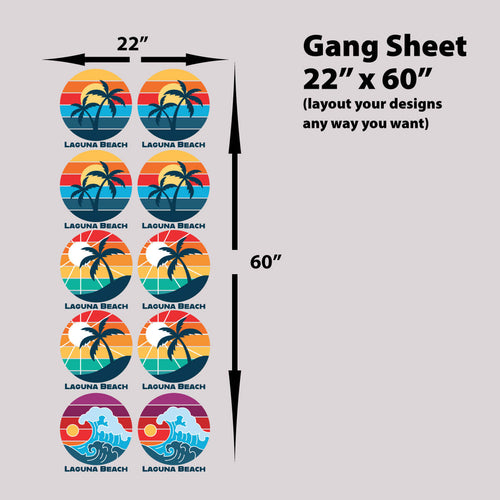
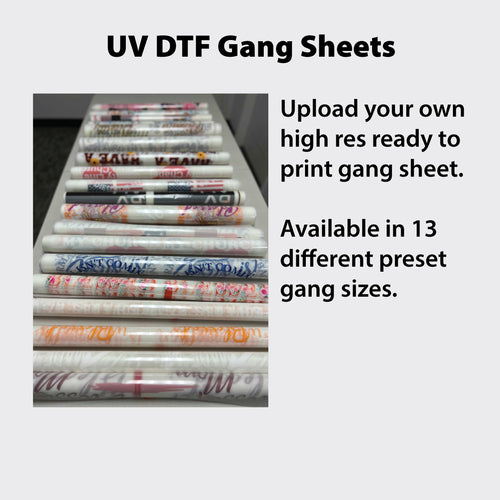
A gang sheet adds another efficiency layer, but only if you build it cleanly. Randomly packed artwork saves space on screen and wastes time on the production table. For numbered jobs, cut paths and grouping matter. You want numbers organized by team, size, or roster order so the pressing table stays moving.
Build gang sheets for production, not just for print
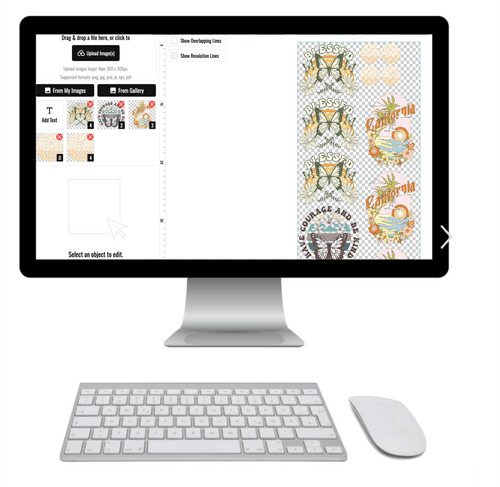
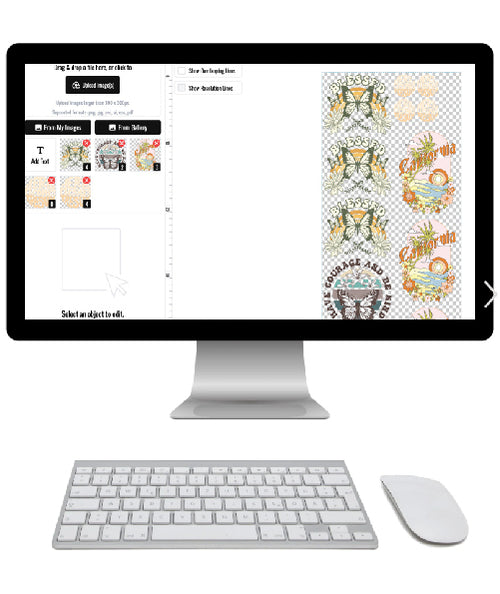
Automation offers a solution. Lion DTF Transfers' Auto-build gang sheet builder is useful for arranging multiple designs into a print-ready layout so shops can cut and sort transfers with less manual setup. For team orders, that can make the workflow easier to manage and more cost-conscious because you're not hand-placing every file one by one before production starts.
Prepping transfers for the press should feel like staging tools for a job site. If you have to hunt for each number, rotate pieces on the table, and recheck every pair, the bottleneck started long before the platen came down.
A clean transfer stack should let you move in sequence. Shirt, pre-press, position, press, peel, inspect, rack. That's the rhythm you want.
Heat Press Settings for Common Materials
A youth soccer jersey and an adult XXL football top should not get the same assumptions at the press. The transfer may use the same formula, but the garment surface, mesh texture, seam height, and print area often change how that formula behaves. Shops that stay consistent treat settings as controlled starting points, then adjust based on the actual shirt on the platen.
Temperature gets the attention. Pressure usually decides whether the job holds up after wash and wear.
The three settings that matter
Temperature turns on the adhesive. Set it too low and the number never fully bonds. Push it too high and lightweight polyester can scorch, shine, or distort.
Time finishes the bond. Longer is not automatically better. Extra dwell can flatten athletic texture, add press marks, or stress fabrics that were already close to their heat limit.
Pressure is what separates a clean sample from repeat production. Uneven contact is a common reason numbers lift later, especially on jerseys with side panels, shoulder seams, heavy mesh, or trim near the print zone.
Many “bad transfer” complaints start as uneven pressure problems.
For small shops trying to scale, discipline pays off. Use one tested setting sheet for each transfer type, then keep garment notes beside it. If Youth S poly mesh needs a pillow to clear a seam and Adult XXL lays flat without one, log that difference. The press recipe stays controlled, and the operator still knows what changes with size and garment construction.
Recommended heat press settings for numbers
Use the table below as a practical baseline. For screen printed stock numbers on cotton, the known recipe is listed directly. For the rest, use the supplier's instructions and test on the exact garment before production. If you need a broader fabric reference, Lion DTF has a heat press temperature guide for different materials.
What works better than memorizing one formula
Build a press log that matches how your shop runs. Record the garment brand, fabric, transfer type, temperature, time, pressure, peel method, and any setup note that affected the result. Include size-specific notes if placement or platen contact changed between youth and adult garments.
That record becomes part of your production system. A textured youth jersey that needed a pillow, a slippery poly practice top that needed a cover sheet, or an oversized adult jersey that pressed cleaner on a larger platen should all be written down.
Professional number work comes from repeatable settings, repeatable loading, and repeatable notes. That is how a small shop gets consistent results across a full run instead of relying on memory from shirt to shirt.
The Perfect One-Press Workflow
A clean press should feel almost boring. The shirt is loaded the same way. The transfer lands in the same place. The press closes square. The peel happens with control, not hope.

The sequence at the machine
Start with the jersey dressed onto the platen so the print area sits flat. If the collar, shoulder seam, or side panel is creating height, adjust the loading before you do anything else. Then give the garment its short pre-press.
Next, place the number transfer. Don't rush this part just because the press cycle is short. Use your center reference, confirm the vertical drop for that garment size, and make sure the carrier isn't skewed.
Then press using the tested settings for that transfer. Close the press smoothly. Jerking the handle down can shift a light carrier or disturb the garment if it wasn't laid flat.
Peel timing changes the pace
Hot-peel transfers reward confidence. Once the press opens, peel promptly and evenly. Don't yank from one corner. A steady peel lets you catch any area that didn't bond before it folds back on itself.
Cold-peel products require more patience. Let the carrier cool fully if the instructions call for it. Peeling too early is one of the easiest ways to create edge lift that wasn't caused by the press cycle itself.
If you need a visual walkthrough of DTF application sequence, Lion DTF has a step-by-step guide on how to press DTF transfers.
The peel is part of the application, not an afterthought. Shops lose good presses by getting impatient in the last few seconds.
The finish that cleans up the result
After peeling, inspect the number before the shirt leaves the press station. Look at corners, inner curves, and outline edges first. Those spots tell you faster than the center of the number whether pressure and adhesion were right.
Many operators like a brief post-press with a cover sheet to settle the finish and flatten the surface. If you do that, keep it controlled and brief. The goal is to refine the result, not cook the transfer a second time.
A smooth workflow at the machine usually looks like this:
- Load the garment flat
- Pre-press
- Place and align the number
- Press with tested settings
- Use the correct peel method
- Inspect before racking
That's the whole job. The difference between average and reliable is doing those steps the same way on shirt one and shirt thirty.
Troubleshooting Common Numbering Mistakes
Most failed number jobs leave clues. The trick is learning to diagnose the clue instead of pressing again and hoping the problem goes away.

When edges start lifting
If the number looks fine at first but corners or outline edges don't stay flat, start with the basics. Check whether the garment was pre-pressed, whether the platen contact was even, and whether a seam or texture reduced pressure in one zone.
Common fixes include:
- Recheck loading. Athletic jerseys often sit unevenly on the platen.
- Confirm actual pressure. “Firm” should feel firm, not just closed.
- Look for moisture. Damp garments can interfere with adhesion even when the transfer looked good coming off the press.
When the print shifts or shadows
Ghosting or shadowing usually comes from movement. The carrier shifts, the shirt shifts, or the platen opens in a way that drags the top layer slightly.
What helps most is controlling movement at every step. Place the transfer carefully, close the press smoothly, and open it without jolting the garment. On lightweight jerseys, even a small bump can show.
If the image moves, the problem is mechanical before it is thermal.
When polyester looks scorched or shiny
Polyester punishes heavy-handed pressing. If the fabric gets a shiny box around the press area, you're often dealing with too much heat, too much dwell, or pressure that's harsher than the garment can tolerate cosmetically.
The practical fix is to test on the actual jersey before the full run. Some performance garments need a lower-temp transfer system or a more careful finishing step. Don't assume all “polyester” behaves the same. A smooth fan jersey, a mesh practice top, and a sublimated performance shirt can react very differently.
The placement mistake most shops learn the hard way
The toughest numbering issue isn't peeling. It's consistency across a mixed size run.
A standard neckline drop can look balanced on one size and visibly off on another. The verified guidance notes that a 2 to 3 inch drop from the collar might look right on a Large but appear too low on an XS and too high on a 3XL, which is why professional shops use a scalable sizing matrix for visual consistency, as discussed in this placement-focused video reference.
That means you shouldn't use one placement number for the whole order. Build a matrix by garment size and style.
A simple sizing matrix approach
Use a worksheet or whiteboard and track placement by category:
- Youth sizes need a shallower drop and sometimes a smaller visual footprint
- Standard adult sizes can use your baseline placement
- Extended sizes often need a slightly adjusted vertical position so the number doesn't ride too high
The key is visual consistency, not blind consistency.
Here's a useful walkthrough to pair with your own testing process:
If you run team orders regularly, save a placement template for each garment brand and cut. The more variables you remove, the fewer “why does this one look off?” moments you'll have at the inspection table.
Pro Tips for Durability and Efficiency
Small shops usually hit the next level when they stop thinking only about pressing and start thinking about repeatable fulfillment. Durability and efficiency are tied together. If you build cleaner jobs, you spend less time on remakes. If you stage work properly, you can move bigger orders without rushing.
What customers need after pickup
Every numbered order should leave with simple care instructions. You don't need a lecture. You need clear, readable guidance that helps the customer avoid the habits that shorten transfer life.
That matters for two reasons. First, it protects the garment. Second, it reduces the “the numbers are peeling” complaint when the underlying issue was harsh laundering or heat after delivery. If customers ask how long transfers hold up in normal wear, Lion DTF has a customer-facing article on how long DTF transfers last.
Batch the work like a production shop
For team uniforms, pre-spaced number packs are built for speed. A decorator can place and press a complete number set in one motion, and team or league calculators help order the right quantity for roster-based jobs such as consecutive numbering 1 through 15, as shown in this team numbering tutorial.
That's the bigger business lesson. Don't cut, sort, place, and inspect each jersey as if it's the only shirt on the bench.
Use a batch flow instead:
- Sort by garment size first. This keeps placement decisions more consistent.
- Group transfers by roster order. That reduces searching and mismatch risk.
- Stage gang sheets for quick cutting. A clean layout reduces table clutter and wasted motion.
- Press in runs. Keep one operator rhythm instead of switching tasks constantly.
If you're building a lot of mixed artwork for uniforms, our Auto-build gang sheet builder is one of the easiest ways to organize that work into a more cost-effective layout before production starts.
Professional numbering isn't about moving fast for one shirt. It's about building a system that still works when the deadline gets tight.
If you need ready-to-press transfers for team uniforms, roster numbers, or mixed gang sheet orders, Lion DTF Transfers is one option to consider for building and ordering press-ready artwork with less manual setup.