

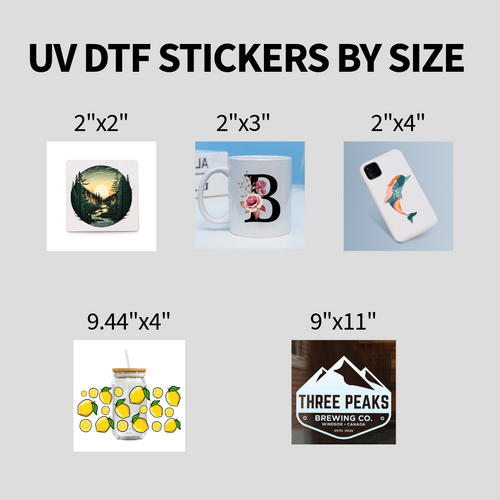
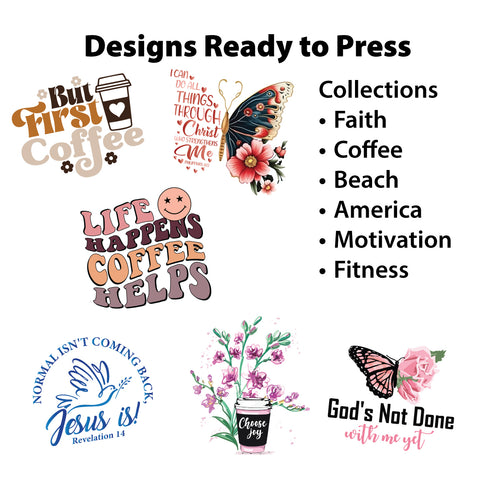



Your guitar is more than just wood and wires—it’s an extension of your creative voice. But when it comes off the shelf, it looks just like thousands of others. Custom graphics for guitars are the perfect way to break from the mold and turn a standard instrument into a true personal statement.
Instead of a permanent, costly paint job, you can use high-quality printed graphics like UV DTF stickers or custom vinyl to add intricate artwork, your band’s logo, or unique patterns directly onto the body or headstock. It's a look that’s completely your own.
Give Your Guitar a Voice With Custom Graphics

An off-the-shelf guitar has its own appeal, but it rarely captures the personality of the musician playing it. This is where custom graphics come in, giving you the power to create a one-of-a-kind masterpiece that reflects your style and sound.
This desire for personalization is a huge part of why the global guitar market is booming, projected to jump from USD 10.95 billion in 2023 to USD 18.44 billion by 2030. Musicians increasingly want instruments that stand out, and durable, vibrant prints are making that possible. You can dig deeper into this trend in recent guitar market industry analysis.
Why Go Custom?
Sure, a factory finish is clean, but it doesn't tell a story. Custom graphics offer unlimited creative freedom, letting you bring anything from photorealistic images to bold typography to life with incredible clarity.
Best of all, this approach is accessible and reversible. Unlike an expensive airbrush job, applying graphics is a project you can tackle yourself. Here’s why so many players are going custom:
- Express Your Identity: Put your band's logo front and center, or cover your guitar in artwork that tells your story.
- Revitalize an Old Instrument: Got a beat-up or secondhand guitar? Give it a completely new life without a full, messy refinishing job.
- Cost-Effective Customization: Get a professional, high-end look for a fraction of what a custom paint job would cost.
The real power here is turning a mass-produced object into something deeply personal. It’s a way to ensure the instrument you hold truly reflects the music you create.
Choosing Your Guitar Graphic Method
Getting started is easier than ever, thanks to a few standout materials. The most popular choices are UV DTF stickers, traditional vinyl decals, and full-body vinyl wraps. Each has its own strengths depending on your design and what you're trying to achieve.
Here’s a quick look at how these methods stack up.
| Method | Best For | Durability | Application |
|---|---|---|---|
| UV DTF Stickers | Small to medium-sized logos, complex artwork, and text on flat or slightly curved surfaces. | High. Scuff-resistant with a "painted-on" look and no clear edges. | Simple peel-and-stick application. |
| Vinyl Decals | Simple shapes and single-color logos. | Moderate. Can peel at the edges over time with heavy use. | Peel-and-stick, but may require careful alignment for multiple pieces. |
| Full Vinyl Wrap | Covering the entire guitar body with a single, seamless design. | Very High. Protects the original finish underneath from scratches. | Difficult. Usually requires professional installation for a bubble-free finish. |
This table should give you a solid starting point. For most musicians who want to add multiple graphics—like a logo on the headstock, art on the body, and maybe something for a pedal—UV DTF stickers are a fantastic option.
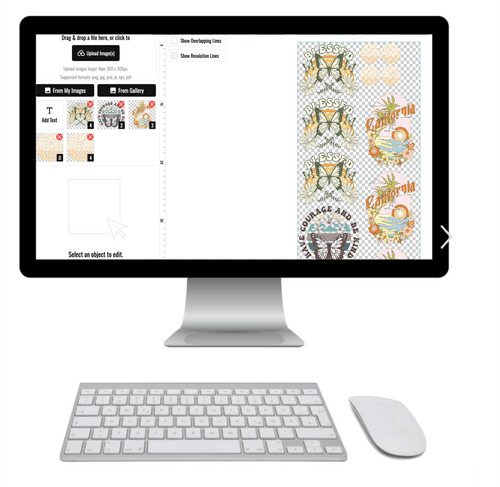
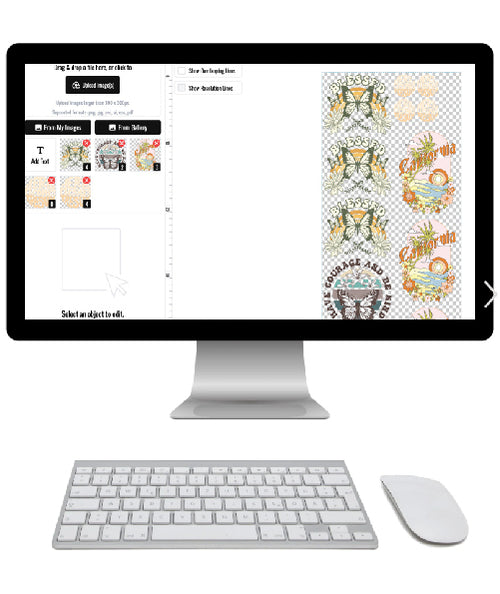
One of the smartest ways to print these is by using an Auto-build gang sheet builder. This easy-to-use tool lets you arrange all your different designs onto a single sheet, which drastically cuts down on your printing costs, making customization incredibly cost-effective. This guide will walk you through the whole process, from design to application, for a flawless, long-lasting finish.
Designing and Preparing Your Guitar Graphics for Print
You’ve got the perfect graphic in your head, but getting it from your screen onto your guitar without it looking blurry or amateurish? That’s all about the prep work. A killer design is one thing, but a clean digital file is what ensures those colors pop and the lines stay sharp.
First things first, you need to choose between vector and raster files. Raster images, like JPEGs or PNGs, are built from pixels. If you try to blow up a small raster image to fit a guitar body, you’ll get a pixelated mess. It’s a classic rookie mistake.
Vector files (think AI, EPS, or SVG) are your best friend here. They're made from mathematical paths, which means you can scale a tiny logo up to cover a full-body design, and it will stay perfectly crisp. For any text, logos, or clean line work, vector is the only way to go.
Finding and Using Guitar Templates
To get the placement just right, especially on a curved Strat body or a tricky headstock, a template is non-negotiable. You can easily find digital templates online for all the popular models—Stratocasters, Telecasters, Les Pauls, you name it.
Using a template stops you from making expensive mistakes, like having a key part of your artwork hidden under the bridge or awkwardly cut off by a pickup. Just drop the template onto a bottom layer in your design software (like Adobe Illustrator) and build your graphic on a layer above it. You'll see exactly how it wraps and where everything lands.
Essential File Prep for Perfect Prints
With your design laid out on the template, a few final checks are mandatory. Getting these details right is the difference between a professional print and a wasted one.
- Go for High Resolution: Your file needs to be at least 300 DPI (dots per inch) at its final size. Anything less will look soft and unprofessional.
- Design in CMYK Color: Your screen uses RGB (Red, Green, Blue), but professional printers run on CMYK (Cyan, Magenta, Yellow, Black). If you design in RGB, you’re risking a major color shift when it prints. Start in CMYK to avoid surprises.
- Outline All Your Fonts: If you have text in your design, convert it to outlines or shapes. This turns the letters into vector objects so the printer doesn’t need your specific font file to print it correctly.
- Export with a Transparent Background: Unless the background is part of the graphic, save the file as a PNG or another format that supports transparency. This makes sure only your artwork gets printed.
The whole point of file prep is to eliminate any and all guesswork for the printer. A clean, correctly formatted file is the single most important thing you can do to get a print that looks as good in your hands as it does on your screen.
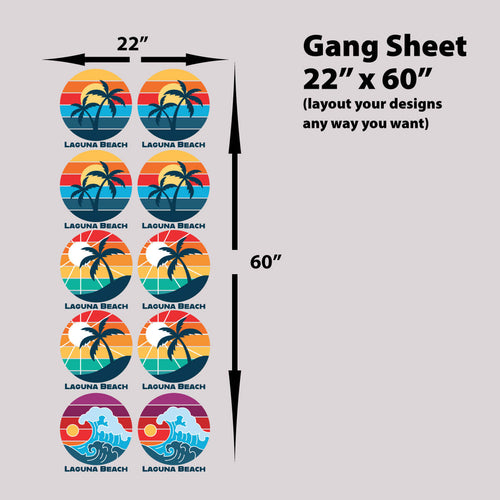
To make this whole process ridiculously cost-effective, especially if you have several smaller graphics for the headstock, body, and maybe even a pedal, our Auto-build gang sheet builder is a must-use tool. You can upload all your separate graphics, and it will automatically nest them onto a single sheet to maximize every square inch of material. This cuts down waste and saves you a ton of money. If you’re new to the idea, you can learn more about how a UV DTF gang sheet delivers top-tier results for a fraction of the cost. By ganging all your graphics together, you pay one low price for a complete set of custom prints.
Alright, you've got your digital artwork polished and ready to go. The next big choice is what material you're going to print it on. This is where your custom guitar project can either look professionally integrated or, well, like you just slapped a cheap sticker on it.
A guitar gets handled a lot. It’s exposed to sweat, bumps, and the general wear-and-tear of playing. Your graphic needs to be tough enough for the job. Three options usually come up in this conversation: UV DTF stickers, traditional vinyl decals, and standard DTF transfers. Let's dig into which one is the right call for your guitar.
Why UV DTF Stickers Are the Top Choice
For a hard, non-porous surface like a guitar's lacquered body or headstock, UV DTF stickers are the clear winner, hands down. Unlike other methods, they transfer only the ink and adhesive to the surface. The result is a clean, "painted-on" look with zero visible background or edges. It looks like it’s part of the guitar’s original finish.
Here’s why musicians and builders are turning to UV DTF:
- Vibrant, Durable Color: The UV-curing process creates a graphic that’s incredibly resistant to scratches, fading, and moisture. It’s built to last on stage.
- No Weeding Required: Forget painstakingly picking out tiny pieces of negative space. Even the most complex, full-color designs are applied in one simple piece.
- A Smooth, Premium Feel: Because there's no vinyl background, the graphic feels like it’s part of the instrument itself, not something stuck on top of it.
This decision tree can help you figure out if your design is print-ready, whether you need a template, or if your high-resolution file is good to go.

As you can see, a high-resolution file is the cornerstone of getting a professional-quality graphic. It all starts there.
What About Vinyl and Standard DTF?
So, why not just use vinyl? Traditional vinyl decals have their place, but they hit a wall with intricate, multi-color designs. Layering different colors of vinyl is a tedious job, and it creates a thick decal with noticeable edges that can start to peel over time. They can work for simple, single-color logos, but they just don't have that seamless, professional finish.
And standard DTF transfers? Those are strictly for fabric. They’re activated by heat, which makes them perfect for printing your band’s logo on t-shirts or fabric guitar cases. But that same heat would completely ruin a guitar's finish. They are not suitable for a guitar's body.
The bottom line is simple: use the right tool for the surface. For the instrument itself, UV DTF is engineered for the job. For your band merch, standard DTF is your go-to.
This is especially true as more musicians invest in personalized visuals. The electric guitar market was valued at USD 5.06 billion in 2024 and is projected to hit USD 9.38 billion by 2033. With instruments lasting 20-30 years, players want durable, high-impact graphics that can withstand years of heavy use.
If you’re planning to add multiple graphics—like a headstock logo and artwork on the body—our Auto-build gang sheet builder is a huge help for both ease of use and cost-effectiveness. It lets you arrange all your UV DTF designs onto a single sheet, which saves you money and makes the process way more efficient.
To get a deeper look into this powerful material, check out our guide on the benefits of permanent waterproof UV DTF transfers.
Applying Your Graphics for a Flawless Finish

Alright, your graphics are printed and ready. Now for the fun part: turning that printed film into a seamless part of your instrument. With a bit of patience and the right technique, you can get a professional, factory-fresh look without any bubbles or wrinkles.
Before you even think about peeling a backing, you need to prep the surface. This is non-negotiable. Any speck of dust, oil, or even a fingerprint can mess with the adhesive, causing weak spots or ugly bumps under the graphic.
Give the application area a thorough wipe-down using a soft, lint-free cloth. A guitar-safe cleaner like naphtha is perfect for this. Isopropyl alcohol can also do the job, but you absolutely have to test it on a hidden spot first—like inside a control cavity—to make sure it won’t damage your guitar's finish.
Nailing the Application Process
Once the surface is spotless and bone-dry, it's time to position your graphic. For anything bigger than a small logo, the "hinge method" is your best friend. Trust me on this.
Lay your UV DTF sticker over the target area without removing the backing paper. Get the placement exactly where you want it. Then, take a strip of painter's tape and secure the top edge of the graphic to the guitar, creating a hinge.
This simple piece of tape holds your design perfectly in place. Now you can flip the graphic up, peel the backing paper away, and smoothly roll the sticker down onto the guitar. Use a squeegee or even your fingers to press it down, working from the taped edge outward. This pushes any air out toward the edges.
Don’t rush this part. Once the graphic is squeegeed down, let it sit for a few minutes. This gives the adhesive time to really grab onto the surface before you peel off the clear carrier film.
After all your designs are applied, from the headstock logo to the main body art, there's one final step that separates a good custom job from a truly great one.
Sealing the Deal With a Clear Coat
Applying a clear coat over your graphics for guitars is what gives them long-term durability, especially if you’re a gigging musician. It’s a protective layer that shields the art from scratches, sweat, and UV rays, embedding it into the finish for a permanent, professional look.
Before you start spraying, make sure your graphics have had at least 24 hours to fully cure. If you spray a clear coat too soon, the solvents can get under the sticker and react with the adhesive, causing it to bubble or lift.
Your two main choices for sealing graphics for guitars are polyurethane and nitrocellulose lacquer. Each has its own pros and cons.
- Polyurethane: This is a tough, modern finish. It’s incredibly resistant to chemicals and dings, making it a great choice for a durable, glassy look over UV DTF stickers.
- Nitrocellulose: The classic, traditional guitar finish. It ages and "checks" over time, which is perfect if you’re going for a vintage vibe. It’s compatible with our graphics but needs more thin coats and a much longer curing time.
No matter which clear coat you pick, the key is to apply several light mist coats instead of one heavy, wet one. This is how you avoid runs and build up a smooth, even surface that makes your custom artwork pop. If you want a deeper dive, check out our article on how to apply custom UV DTF wraps for a perfect finish every time.
Alright, your custom graphics are on, and the guitar looks incredible. Now, how do we keep it that way? A custom instrument is a huge investment of your time and creativity, and you’ve got to protect that work—especially if you're a gigging musician. The forearm of your shirt, the strap, and the general wear from playing can take a toll on unprotected artwork surprisingly fast.
This is where a little bit of maintenance goes a long way. Your new graphics for guitars are tough, but they aren’t invincible. Simple, routine care is the secret to keeping your design vibrant and sharp for years, surviving countless rehearsals, shows, and studio sessions.
Gentle Cleaning for a Lasting Finish
After a long session, it’s tempting to grab any old rag and wipe down your instrument. That’s a quick way to create micro-scratches that will dull your graphics over time. You need to treat it right. Always use a clean, soft microfiber cloth—the same kind you’d use on eyeglasses or a camera lens.
And definitely avoid harsh chemicals. Cleaners with ammonia, bleach, or abrasive agents will absolutely destroy both the graphic and your guitar’s finish. A simple, guitar-safe polish or even a slightly damp cloth is all you need to get rid of fingerprints and sweat without harming the artwork.
Sealing In Durability with a Clear Coat
While cleaning is a good start, a clear coat is your ultimate line of defense. For UV DTF stickers and other high-quality graphics, applying a compatible clear coat essentially makes the design a permanent part of the instrument. It creates a hard, protective shell that shields your art from scratches, sweat, and UV damage.
This is the step that takes a DIY project and gives it a professional-grade finish that feels completely seamless. Some popular options include:
- Polyurethane: This gives you a hard, glassy, and extremely durable finish that’s highly resistant to wear and tear.
- Nitrocellulose Lacquer: If you're going for a more traditional or vintage vibe, this is a great choice. It provides a classic look that ages beautifully over time.
This trend toward durable customization is driving massive market growth. In fact, designer guitars are expected to add USD 1.29 billion to the market from 2021-2026. With electric guitars often lasting 20-30 years, players are investing in durable prints that can go the distance. You can check out more details about this impressive growth in the guitar industry.
Pro Tip: When you’re applying a clear coat, patience is your best friend. Build up the finish with several light mist coats instead of laying on one thick layer. This is how you prevent runs and ensure a smooth, even surface that really makes your graphics pop.
Your Guitar Graphics Questions, Answered
Before you dive into a custom guitar project, you probably have a few questions. That's a good thing. Getting the right answers upfront is the key to making sure your project goes smoothly and you end up with a result you love.
Let's walk through some of the most common questions we hear about applying graphics for guitars.
Can I Take the Graphics Off Later Without Damaging the Finish?
Absolutely. In most cases, high-quality graphics are designed to be removable. If you're using something like a UV DTF sticker, the process is pretty straightforward. A little gentle heat from a hairdryer will soften the adhesive, letting you peel the graphic away cleanly.
If you find any sticky residue left behind, a guitar-safe solvent like naphtha on a soft cloth will take care of it without harming your instrument’s finish.
The big exception? If you seal the graphic under a clear coat, it’s permanent. At that point, removing it means sanding down the clear coat and refinishing the guitar—a much bigger job. Plan ahead and decide if you want the graphic to be a permanent part of your guitar's life.
Will a Graphic Mess with My Guitar's Tone?
For a solid-body electric guitar, the answer is a confident no. An electric guitar’s tone comes from its wood, construction, and—most critically—its pickups. A super-thin layer of ink and adhesive from a graphic is just not enough to make any noticeable difference to the sound.
On an acoustic or hollow-body guitar, it’s a bit different. The vibration of the top wood is everything for its sound, so adding any layer could technically have a very minor effect. But for the vast majority of players, any change would be so subtle you'd never hear it. The huge visual upgrade you get from custom graphics for guitars almost always outweighs any tiny acoustic difference.
How Much Is This Really Going to Cost Me?
Here’s the best part: this DIY approach is incredibly affordable. You can get a pro-level custom look for a tiny fraction of what a professional paint or airbrush job would set you back. The final price depends on the size and number of graphics you need, but you'll be surprised at how low it is.
You can use our easy Auto-build gang sheet builder to fit multiple designs onto a single sheet. This squeezes the most value out of the material and drops the cost to as little as $0.017 per square inch.
This makes the whole process unbelievably cost-effective. For just a few dollars, you can print a complete set of graphics for the body, headstock, and maybe even your pedalboard. It's a smart way to pull off a full custom overhaul on just about any budget.
Ready to bring your vision to life? At Lion DTF Transfers, we make creating durable, vibrant graphics for your guitar fast and easy. Design your custom prints today at https://liondtf.com.