



The first decision for a Tulsa DTF order is whether to pick up locally or have the transfers shipped. A gang sheet can cost $20.16 for a 14 x 24 inch sheet at a published rate of $0.06 per square inch, whether it holds one logo or thirty, so fulfillment, file readiness, and sheet layout all affect the final value. Golden DTF's gang-sheet pricing example shows why the layout matters before you place the order.
You may be standing in a Tulsa garage with a stack of blank shirts, a heat press warming up, and a customer asking when the team order will be ready. Or you may be comparing a local pickup against shipping from outside the metro because the deadline is close. Most pages targeting DTF Tulsa stop at a phone number or location. A practical order involves more: preparing artwork correctly, filling film efficiently, choosing pickup or delivery, and pressing the transfer so it survives normal wear.
What DTF Transfers Are and Why Tulsa Buyers Use Them
A Tulsa buyer may have blank shirts ready, a heat press warming up, and a team order waiting on artwork approval. Direct-to-Film, or DTF, prints the design onto PET film, applies hot-melt adhesive powder, cures the transfer, and prepares it for pressing. You place the film on the garment, apply heat and pressure, then remove the carrier according to the film's peel instructions. The process skips the screen creation and color-separation work used in traditional screen printing.
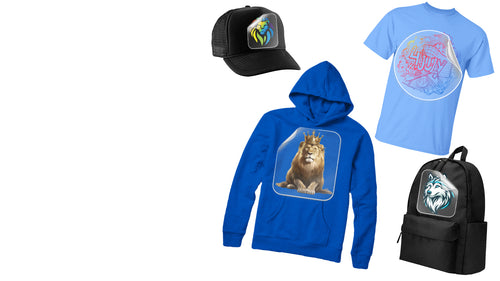
That workflow suits a single shirt, a short run, or artwork containing several colors and fine detail. DTF works on cotton, polyester, and common blends, although the garment changes the test plan. Stretchy athletic fabric, a dark cotton hoodie, and smooth performance material may need different temperature, pressure, peel, or curing decisions. A transfer can look correct on the film and still fail if the fabric or press settings are wrong.
Start with the order handoff
Decide early whether the finished transfers need Tulsa pickup or shipping. Pickup removes the carrier handoff and lets you inspect the package before leaving. Shipping may be the better choice when a drive across the region takes longer than waiting for delivery. Compare the travel time, delivery window, and deadline before choosing.
Tulsa-area vendors may differ in cutoff times, production batching, and pickup windows. Local listings and social posts describe quick turnaround expectations, but those references do not guarantee the schedule for your order. Confirm the production cutoff, pickup hours, and whether artwork approval starts the clock. A buyer who needs same-day or next-day service should ask what happens if the file requires correction.
Practical rule: A fast press job starts with a complete file and a confirmed handoff time. Pickup or shipping cannot fix artwork that still needs review.
For a plain-language explanation before uploading, this DTF transfer overview explains the printing, powder, curing, and pressing sequence. That knowledge helps you ask better questions about garment compatibility and order timing.
Building a Gang Sheet the Easy Way
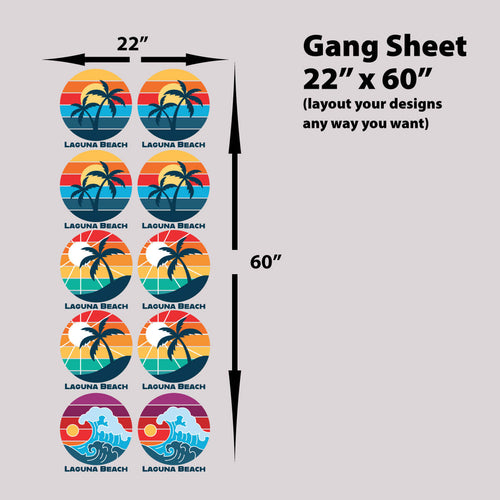
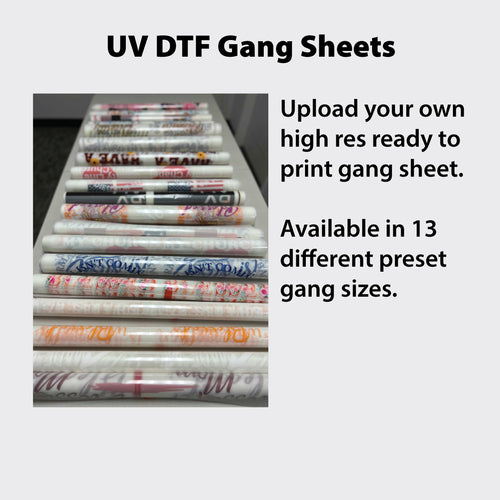
A gang sheet combines multiple designs on one larger piece of PET film. The printer charges for the total sheet area, not the number of separate graphics placed on it. That means empty film is a cost, while a tightly arranged layout gives each logo or front print a better share of the sheet.
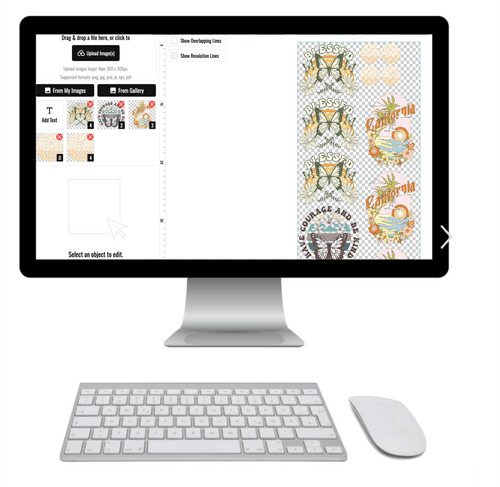
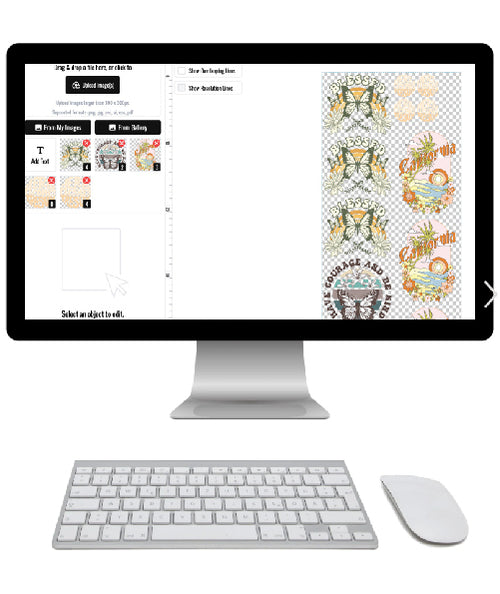
Start with the Auto-build gang sheet builder. Upload transparent PNG files, enter the intended sizes, and let the builder organize the artwork before you make small adjustments. You can then review the arrangement, move graphics away from crowded edges, rotate artwork where appropriate, and check the live square-inch total before checkout.

A reliable layout routine
Use this sequence when building a Tulsa order:
- Upload clean artwork: Keep the background transparent and name files so you can identify garment placement later.
- Set final dimensions: A logo intended for a left chest should be sized for that use, rather than enlarged after printing.
- Nest the designs: Place similar jobs together, rotate rectangular art to fill gaps, and keep related quantities easy to count.
- Protect the trim: Leave a visible gap between graphics so cutting and separating transfers doesn't damage neighboring artwork.
- Check the press: If you're pressing in-house, make sure the sheet and separated transfers fit your platen and your handling method.
- Review the area total: The builder's square-inch readout is more useful than counting designs because unused film still contributes to the order.
A practical buffer keeps neighboring graphics from touching during trimming. You should also avoid packing artwork so tightly that the bottom row becomes difficult to cut or peel. Auto-build helps with the initial arrangement, but a human review still catches awkward rotations, oversized logos, and designs that won't fit the intended garment.
The practical gang-sheet builder guide goes deeper into arranging artwork. The main takeaway is simple: buy film space once and use it deliberately. For small shops, that can be more effective than trying to negotiate a lower transfer price while leaving large blank areas on every sheet.
Preparing Print-Ready Files for a Tulsa Order
File preparation causes more avoidable delays than most buyers expect. A printer can't correct a low-resolution logo, a hidden white background, or an unexpected color profile without making a judgment that may change the finished shirt. Send artwork at its final pressed size and review the preview before production.
The upload checklist
Use this checklist before you submit:
- Resolution: Prepare raster artwork at 300 DPI at the final pressed size. A small image enlarged onto a large shirt print can look soft or pixelated even when saved as a PNG.
- Transparency: Remove the background completely. A white rectangle isn't the same as transparency, and white areas in the file can print as white ink on a dark garment.
- Color profile: Work in sRGB unless the printer gives you a different specification. CMYK artwork can shift when a production RIP converts it for an inkjet DTF workflow.
- Bleed: Extend artwork slightly beyond the intended trim edge so a tiny cutting variation doesn't expose an unwanted gap.
- Text: Convert type to outlines or embed the fonts. Otherwise, a missing font can alter spacing and letter shapes.
- Preview: Inspect small text, thin strokes, gradients, and transparent edges against both light and dark garment colors.

What commonly goes wrong
Illustrator users often send editable files with linked images, hidden spot-color layers, or live fonts. Those files may look correct on the designer's computer and still fail when opened on another production system. Export a flattened, transparent PNG after converting or embedding the elements that need to remain consistent.
A white background deserves special attention. If the design needs a white shape, keep it. If the white area only exists because the designer never removed the background, delete it before export. The file-format guide for printing offers additional guidance for choosing a usable upload format.
Before you submit: Open the exported PNG on a checkerboard background, then place it over a dark mockup. If you see a box, fringe, or missing detail there, the production file needs another pass.
Save the final file with the design name and intended size. That small habit prevents a common Tulsa-shop problem, where a buyer approves the right artwork but the wrong version gets placed on the gang sheet.
Pickup in Tulsa vs Shipping Transfers
Pickup and shipping serve different Tulsa buyers. Choose pickup when timing is tight, you want to inspect the transfers before pressing, or you are already near the metro. Shipping makes more sense when the drive is inconvenient, the order is planned, or you live outside the immediate area.
Local collection removes carrier handling and limits the chance of a package being left outside. Tulsa heat still matters. Transfers sitting on a hot porch can soften the adhesive before pressing. Bring delivered film indoors promptly, then store it flat in a clean, dry place.
| Factor | Local Pickup in Tulsa | Shipped via UPS |
|---|---|---|
| Handoff | Collect the order directly after the shop confirms it's ready | Wait for carrier delivery after production |
| Rush work | Strong fit for urgent jobs and sample approval | Requires enough planning for production and transit |
| Travel | Best for buyers already near the Tulsa metro | Useful for buyers outside the metro who want to avoid the drive |
| Inspection | You can check quantity, alignment, and visible damage at pickup | Inspect the package immediately after delivery |
| Weather exposure | No porch wait if you collect it promptly | Protect the package from Tulsa heat after delivery |
| Cost logic | Avoids shipping charges and travel may be minimal | Shipping adds a delivery charge but can save a long drive |
Ask the shop to confirm four details before paying: production completion, pickup location, package condition at handoff, and whether rush timing applies to your artwork and quantity. A shop's stated same-day or next-day service is a planning signal, not a promise for every order.
Local marketplace information describes same-day printing and order-by-1PM guidance for Tulsa DTF Prints. Local social posts also describe 24-hour-or-less turnaround as a market expectation. Verify those details with the vendor because artwork complexity, sheet size, approval delays, and order volume can change the schedule. Buyers can review The Tulsa DTF Prints social page for current local communication.
For customers outside the metro, a published shipping example lists $7 to $12 flat-rate shipping and 1 to 3 days of UPS Ground transit inside Oklahoma. Those figures reflect the stated fulfillment plan for this guide, so confirm the current rate and service at checkout. Buyers in Broken Arrow, Owasso, Bartlesville, or Stillwater should compare the delivery charge with fuel, traffic, and the time needed to collect a local order. If pickup saves only a short drive, it may win. A longer trip can cost more than delivery even when shipping carries a separate fee.
Understanding DTF Pricing in Tulsa
A Tulsa order can look inexpensive until unused film, delivery, or a rush request changes the total. DTF pricing usually follows the sheet's total area, not the number of separate designs. One large logo may cost the same as many smaller graphics on an identically sized sheet. Color count, white underbase, and gradient detail generally do not change the area charge.
A published example uses $0.06 per square inch, so a 14 x 24 inch sheet costs $20.16 whether it holds one design or thirty. The calculation is simple: multiply width by height, then multiply the area by the rate. Confirm whether your Tulsa supplier bills the full sheet dimensions or only the printed area before approving the order.
Read the sheet math before checkout
Another pricing model changes its rate at 15,000 square inches, from $0.017 to $0.016 per square inch. Its calculator lists a 22 x 20 inch sheet at 440 square inches for $7.48 and a 22 x 60 inch sheet at 1,320 square inches for $22.44. Printivo's gang-sheet calculator shows how dimensions and volume thresholds affect the total.
Use that math to judge common Tulsa orders:
- One 10 x 10 inch logo: The charge covers the complete 100-square-inch area, even when the artwork occupies only part of it.
- Twelve chest prints on a 22-inch-wide sheet: Nesting lets the designs share the film width and reduces empty space compared with separate orders.
- A 22 x 36 inch sheet packed with small logos: Filling more of the available area lowers the effective cost per separated transfer compared with a mostly empty sheet.
Your final total still depends on the supplier's rate, sheet dimensions, artwork spacing, shipping, and any rush fee. A low advertised rate does not establish equal wash durability, color consistency, or pressability. Industry coverage places some gang-sheet pricing at $0.017 to $0.025 per square inch, giving Tulsa buyers a comparison point. The 2026 DTF market discussion links pricing pressure with automation and production-system changes.

Providers that offer no minimums and no setup fees can suit hobbyists and small shops buying only what they need. Teddy Transfers' gang-sheet page explains that area-based pricing follows the sheet rather than the design count. Use an auto-build gang-sheet tool to control the variable you can change, how much film area is filled.
Pressing Your DTF Transfers the Right Way
A good transfer can still fail when the press operator skips moisture removal, uses the wrong temperature, or peels at the wrong moment. Start with a clean, flat garment and test unfamiliar fabric before pressing the full order. Athletic polyester, tri-blends, and dark garments can behave differently under heat.
A repeatable press sequence
- Preheat the press: Use the transfer supplier's fabric setting. A common working guide is 280°F for cotton and poly blends, 250°F for full polyester, and 260°F for tri-blends. Lower heat can help limit dye migration on athletic fabrics, but the film's own specification takes priority.
- Dry the garment: Press the blank for 5 to 7 seconds to remove moisture and wrinkles. Garages and back rooms need this step because stored garments can hold humidity even when they feel dry.
- Position the transfer: Put the printed side against the garment and align it carefully. Use a ruler for repeated placements instead of judging every shirt by eye.
- Apply pressure: Press firmly at medium pressure for 7-10 seconds unless the supplier specifies another setting.
- Peel correctly: Cold peel is common and can produce a matte finish. A warm peel after 5 to 10 seconds can suit detailed logos when the film supports that method.
- Re-press: Cover the design with parchment or a Teflon sheet and press for 10 seconds to reinforce the bond and soften the hand.
Protect the finished shirt
Wash garments inside out in cold water. Tumble dry on low or hang dry, and avoid fabric softener and bleach. If Tulsa water leaves residue on your garments, an extra rinse can help keep detergent and mineral buildup from remaining in the fabric.
Do not judge durability from one successful press. Check stretch recovery, edge adhesion, and the appearance of fine details after laundering. If the print lifts at an edge, cracks across a stretch point, or shows dye migration, adjust the fabric setting, pressure, peel timing, or artwork placement before continuing the whole run.
Pressing rule: A sample is cheaper than a replacement order. Test the garment and transfer combination before decorating every shirt for a team, school, event, or merch launch.
Getting Started With Your Tulsa DTF Order
A clean first message saves more time than a long explanation later. Send the artwork file, desired sheet size, garment type, quantity, and fulfillment choice together. State whether you need Tulsa pickup or shipping, and mention the event or deadline so the shop can tell you what is realistic.
Include the details that affect production
Your order request should contain:
- Artwork: Attach the final transparent PNG or identify any file that needs cleanup, vectorization, or resizing.
- Sheet plan: Give the intended dimensions, or ask for a custom gang sheet if you don't know how to arrange the designs.
- Garment information: Name the fabric type and shirt color, especially for polyester teamwear or dark garments.
- Quantity: Explain how many separated transfers you need and how you'll use them.
- Fulfillment: Choose local pickup or shipping before production so the timing is clear.
- Approval contact: Provide the email or phone number where you can review a proof quickly.
Tulsa-area buyers who don't want to build the layout themselves can request a gang sheet as an add-on. A file review should confirm whether the artwork is usable, followed by proof approval and a stated production timeline before the order enters the press workflow.
The documented history of Tulsa DTF Prints shows a business launched under another name on October 10, 2022, then changed its name in November 2023, giving it an operating timeline of at least 1 year and about 1 month before the rebrand. The company's own website provides that timeline. For any supplier, though, longevity isn't a substitute for asking about current cutoff times, file review, pickup instructions, and the quality checks applied to your order.
Start with a small test order if you're new to DTF, or request a custom quote when the artwork, sheet size, or garment mix is complex. That approach lets you verify color, adhesion, and placement before committing to a larger Tulsa run.
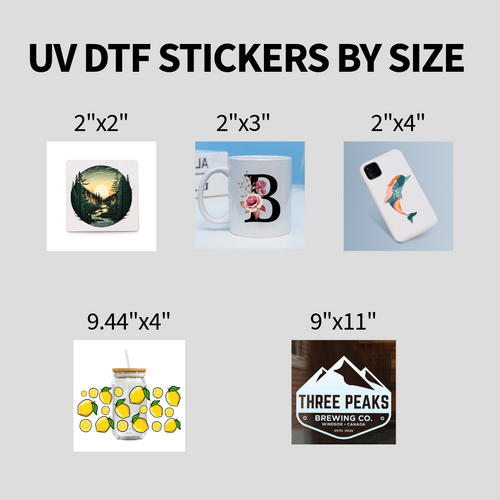
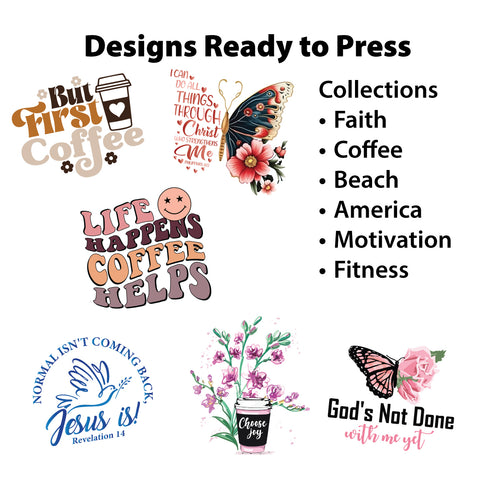
Lion DTF Transfers offers ready-to-press DTF transfers, custom gang sheets through an online builder, and UV DTF stickers for smooth non-fabric surfaces. Visit Lion DTF Transfers to upload your artwork, build a sheet, start a small test order, or request a custom quote for your Tulsa project.
Email orders@LionDTF.com or Text or Call: 833-350-5466