



You open the box, pull out a fresh stack of transfers, and the first thought is usually the same. “I don't want to ruin a shirt on the first press.”
That's the right instinct. Dtf transfers ready to press are simple once the workflow is stable, but they're not forgiving if your press runs cold, your pressure is uneven, or you peel at the wrong moment. Most wasted blanks come from skipping the boring setup steps.
The good news is that ready-to-press DTF removes the hardest part for most shops and side hustlers. You don't need to own a DTF printer, manage white ink, or fight daily maintenance. You receive the printed transfer, prep the garment, press it correctly, peel it correctly, and finish it correctly. When that sequence is tight, production gets fast.
What Are Ready to Press DTF Transfers
A new operator usually sees the film, sees the shirt, and assumes the job is just press and peel. That assumption ruins blanks.
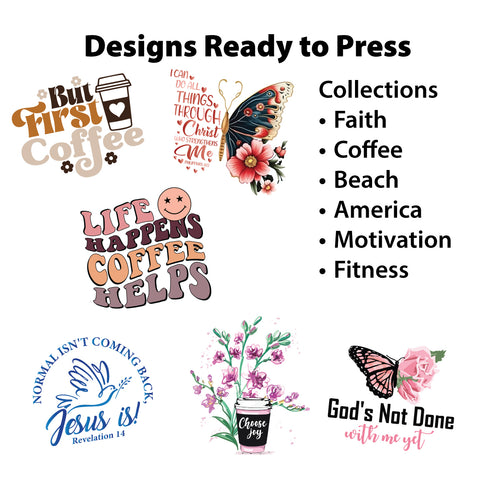
Ready-to-press DTF transfers are pre-printed Direct-to-Film designs that arrive with the image and adhesive system already built into the transfer. The printer handles the ink laydown, white backing, and powder application. Your job starts at the heat press. Place the transfer correctly, apply the right heat and pressure, peel it at the right moment, and finish it with a short second press.
That division of labor is why shops use them for short runs, name drops, test launches, and mixed-artwork orders. You can buy transfers instead of maintaining a printer, chasing white ink issues, or stopping production for daily cleaning. If you need a reliable starting point before you press your first order, keep this DTF heat press settings guide at the machine.

What makes them different from older heat-applied methods
The practical advantage is range.
One transfer method can cover cotton, poly blends, and many common shop garments without splitting the order across screen print, vinyl, and sublimation. It also handles detailed color transitions and small text better than many beginners expect, especially on jobs that would be awkward or expensive to screen print in low quantities.
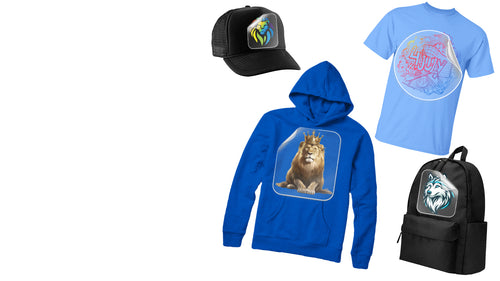
That flexibility matters on the production floor. A left chest logo, a full-front graphic, and a sleeve hit can all come from the same transfer order if the artwork is prepared correctly. Fewer decoration methods usually means fewer setup errors.
Hot peel versus cold peel
This is the part generic guides rush through, and it is where a lot of waste starts.
Hot-peel transfers are made to release while the film is still hot or after only a short pause. In a real shop, that speeds up the line because garments do not pile up waiting to cool. Press, peel, check adhesion, then run the finishing press. When the transfer is built for hot peel, that timing is part of the recipe, not operator preference.
Cold-peel transfers use a different rhythm. You press them, wait for full cooldown, then remove the carrier. That can be useful for some prints, but it slows throughput and gives inexperienced operators more chances to peel too early and lift detail.
Premium hot-peel transfers are often selected because they support faster application and are built for repeat washing, a point highlighted in this product guidance on ready-to-press DTF transfers.
The shop-floor lesson is simple. “Ready to press” does not mean “hard to mess up.” It means the printing step is done for you. The hot-peel step still has to be timed and handled correctly if you want clean release, strong bonding, and a print that stays down after washing.
Dialing In Your Heat Press Settings
A transfer can be printed perfectly and still fail at the press. In production, bad settings waste more shirts than bad artwork.
Start with the press, not assumptions. Hot-peel DTF gives you speed, but it also shortens the margin for error. If temperature is low, the adhesive stays underactivated and the film can fight you on the peel. If pressure is uneven, the print may release in the middle and lift at the edges. If dwell time is too long, you can gloss the fabric or overwork the adhesive before you ever get to the peel.
The three settings that matter
Temperature turns the adhesive on. Too little heat leaves weak bonding. Too much heat can mark the shirt face, especially on polyester, tri-blends, and performance blanks.
Time controls how long the adhesive flows into the garment surface. A press that looks fine right after application can still fail later if the transfer did not get full dwell across the entire image.
Pressure decides whether the adhesive makes even contact. This is the setting newer operators miss most often. Good hot-peel results depend on consistent contact across the whole design, not just the center.
Keep a fabric-specific reference at the press. A good starting point is this heat press settings guide for DTF by fabric type.
Recommended Heat Press Settings by Fabric
| Fabric Type | Temperature | Time | Pressure |
|---|---|---|---|
| 100% cotton | 280°F | 10 seconds | Medium-firm |
| Polyester blends | 240-260°F | 7-10 seconds | Medium-firm |
| Nylon | Qualitative starting point only. Test first and follow transfer instructions. | Qualitative starting point only. Test first. | Medium-firm |
| Stretch synthetics | Qualitative starting point only. Pre-press first and test before production. | Qualitative starting point only. Test first. | Medium-firm |
Use that table as a starting recipe, then test on the actual blank you plan to run. Nylon, coated fabrics, stretch goods, and lightweight performance shirts can all react differently even when the label sounds similar.
What changes from one garment to the next
The same transfer can behave differently across fabric constructions. A smooth cotton tee usually gives you a forgiving press. A slick poly jersey can show shine fast. A fleece hoodie changes pressure because of bulk. Seams, zippers, collars, and pocket edges all interrupt contact, which matters even more with hot peel because the carrier needs a clean release right away.
This is why experienced operators do a live test press before a full run, even with familiar artwork.
Setup checks that prevent wasted blanks
Run this check before production starts:
- Confirm platen level: The press should close evenly across the print zone.
- Let the press stabilize: Wait for the machine to reach and hold target temperature.
- Match pressure to garment thickness: Recheck pressure when you switch from tees to hoodies or heavyweight cotton.
- Watch the print area: Avoid seams, ribbing, pockets, and other height changes unless you are using a pad or workaround.
- Test peel behavior on the actual blank: A clean hot peel tells you more than the display screen does.
A failed application is often a setup miss, not a transfer defect. Treat heat, time, pressure, and peel timing as one system, and the line gets faster without giving up durability.
The Perfect Pressing and Peeling Workflow
A hot-peel job can look perfect for three seconds, then fail the moment the carrier comes off. That usually happens in the peel, not the press. Shops that run DTF cleanly treat peel timing as part of the application, not as an afterthought once the platen opens.

Start with the shirt, not the transfer
Set up the garment first so the transfer has a flat, dry surface to bond to. Warm the print area with a quick pre-press, then lint-roll while the fabric is still warm. On fleece, ringspun cotton, and washed blanks, that simple habit saves a lot of edge lift later.
Do not rush into placement if the shirt still feels cool, damp, or uneven. Hot peel is less forgiving when moisture or texture interrupts contact.
The pressing sequence that holds up in production
Use one repeatable order on every shirt:
-
Pre-press the garment
Smooth the print zone and push out moisture. If the fabric still feels damp, pre-press again. -
Lint-roll the application area
Loose fibers can block full contact, especially on soft cotton and fleece. -
Place the transfer on a fully supported area
Keep the design clear of seams, pockets, zippers, and any raised edge that changes pressure across the image. -
Set pressure for the actual blank
Recheck pressure whenever garment thickness changes. A hoodie and a lightweight tee should not get the same setup just because the artwork is the same. -
Press at the transfer maker's recommended settings
Many standard apparel runs land in a common DTF range, but the transfer spec and the blank still decide the final numbers.
Hot peel starts the second the press opens. Waiting too long can change how the carrier releases, especially on jobs with fine detail or small isolated shapes. For a practical breakdown of timing and release technique, this guide to hot peel DTF transfers is a useful reference.
A short visual walkthrough helps if you're training someone at the press:
How to peel without lifting the design
Peel while the transfer is still in its intended release window. For hot peel, that means do not set the shirt aside and come back later.
Start at one corner and keep the carrier low to the platen. Pull it back in a smooth motion, close to the garment surface. That low-angle peel reduces upward stress on the adhesive while it is still settling into the fabric.
If part of the design starts coming up with the film, stop right there. Lay the carrier back down, cover it if your process calls for it, and press again. Do not try to save it by yanking faster. In production, that usually makes a small failure turn into a ruined blank.
Peel low and smooth. Fast hands help, but controlled hands save more shirts.
The second press finishes the job
The first press bonds the transfer. The second press sets the finish and helps lock the print into the fabric face.
Use a protective sheet and give the print a short finishing press after the carrier is removed. That step improves the hand feel, settles the surface, and does a lot of the work behind long-term wash performance. Operators skip it because the graphic already looks done. Experienced shops keep it in the workflow because good appearance right off the peel is not the same thing as a fully finished application.
Troubleshooting Common DTF Transfer Issues
Good troubleshooting starts with one question. Did the failure happen at setup, at application, or after the peel?
If you answer that directly, most DTF problems become simple. Operators get into trouble when they keep pressing more shirts without isolating the cause.

When the transfer won't stick
This usually points to insufficient pressure, trapped moisture, or poor platen contact.
If only part of the design bonded, check whether the garment crossed a seam or if the lower platen wasn't supporting the entire print zone. If the whole design feels under-bonded, revisit your pre-press and pressure first.
Try this:
- Recheck pressure: The machine may feel tight but still be too light at the edges.
- Pre-press longer on damp blanks: Some garments hold moisture more than you expect.
- Flatten the area fully: Use pillows or pads only when they improve contact.
When edges peel up after washing
Edge lift after laundering usually means the original application never fully locked in. It can also happen when the finishing press was skipped or rushed.
This is why process discipline matters more than “good enough” first appearance. A print can look solid on the table and still be weak at the perimeter.
If the edges are the first thing to fail, look at pressure consistency before you blame the transfer.
When you see ghosting or a hazy outline
Ghosting often happens when the film shifts during or immediately after pressing. It can also come from under-pressure, especially if the transfer partially releases and then settles back onto the garment unevenly.
The fix isn't complicated. Keep the shirt flat, avoid bumping the platen during opening, and make sure the transfer isn't bridging over raised garment features.
When the fabric gets shiny or scorched
That's usually too much heat exposure for the fabric, not a sign that DTF “runs hot.” Polyester is the usual suspect, but some cotton finishes mark easily too.
Use a protective sheet where appropriate, test on a spare blank, and lower exposure if the fabric shows stress. If the print bonds but the garment face suffers, your transfer settings may be fine while your blank choice needs a lighter touch.
Ordering and Preparing Artwork Like a Pro
A fast hot peel only pays off if the artwork was built for production in the first place. I have seen presses, settings, and peel timing get blamed for problems that started with a low-resolution logo, a hidden background, or art sized for a mockup instead of a real shirt.
Good DTF ordering starts before the file upload. The goal is simple. Send art that prints clean, peels clean, and holds up once that hot-peel film is off the garment and the print face is fully exposed.
Build artwork for print, not for a phone screen
Clean edges matter. Transparent backgrounds matter. Small text matters even more on DTF because muddy detail shows up fast once the transfer is pressed and hot-peeled.
Accepted file types commonly include AI, PNG, and PDF, and some providers offer vectorization help when art needs cleanup, according to this overview of ready-to-press transfer ordering and file handling. File acceptance is only the starting point. If the original art is soft, compressed, or pulled from a screenshot, the transfer will reproduce those flaws.
Use a preflight check before you order:
- Keep the background transparent: Hidden white boxes, stray pixels, and flattened backgrounds print exactly as submitted.
- Watch thin details: Fine strokes, distressed texture, and tiny type can fill in or break apart.
- Size for the actual garment: Full-front adult prints usually need a different width than youth sizes or left chest logos. Measure the blank, then size the art to fit the job instead of guessing from the screen.
- Check edge quality at full size: Zooming in catches jagged outlines and low-resolution imports before they become expensive remake requests.
Gang sheets work best when the layout matches the order mix
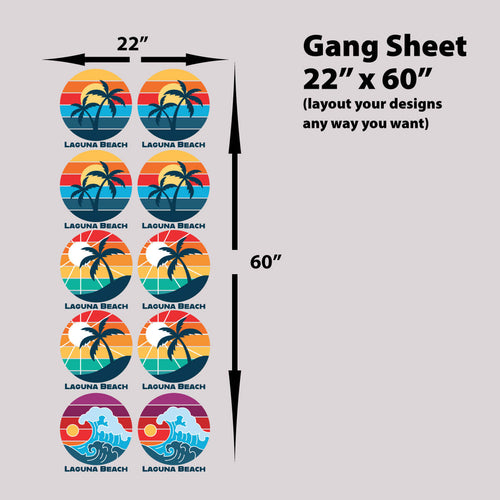
Gang sheets save money when you build them around real production. A small shop rarely runs one design in one size all day. The normal mix is chest logos, full fronts, youth versions, sleeve hits, and a few extra pieces for spoilage or late add-ons.
For runs of 10-100+ units, ordering a gang sheet can deliver 50% cost savings, and outsourcing transfers can remove in-house bottlenecks that cost self-printers 10-20% in output loss, according to this batch production and gang sheet analysis.
That is why layout discipline matters. Leave enough spacing to cut quickly, group sizes logically, and keep repeat jobs easy to rebuild. A clever sheet that saves half an inch but slows down cutting and sorting is usually not the cheaper option on the production floor.
Use the builder if it saves time and wasted space
Manual gang sheet setup still works. It also eats time, especially when the order includes multiple placements and size breaks.
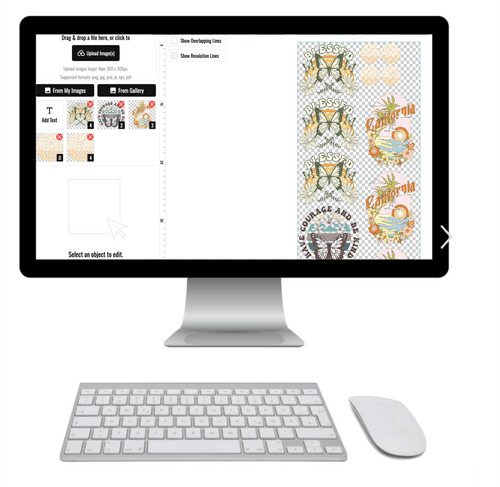
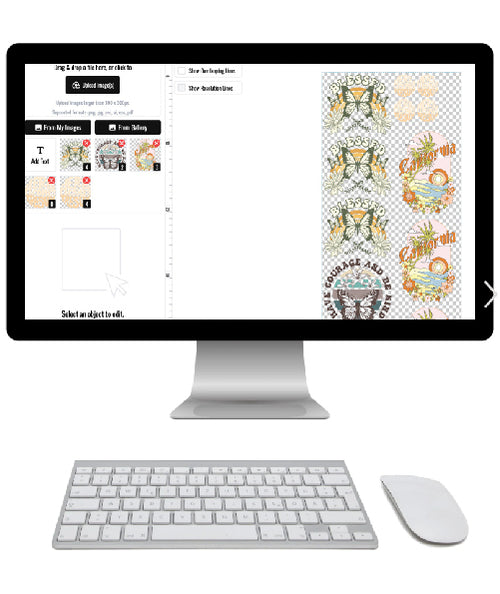
An auto-build tool can help pack artwork more efficiently and reduce paid dead space on the sheet. If the customer file is rough, getting custom heat transfer designs cleaned up before ordering usually prevents more trouble than trying to fix a bad file at press time.
A practical order routine looks like this:
- Test one layout first: Confirm size and placement on the exact blank you plan to sell.
- Group related prints together: Keep left chest logos, sleeves, and full fronts organized by job.
- Order for reprints: Save the final dimensions and layout notes so a reorder matches the first run.
- Add a few extras when the job is tight: That gives the press operator room to stay fast on hot peels without worrying that one bad placement will wipe out the margin.
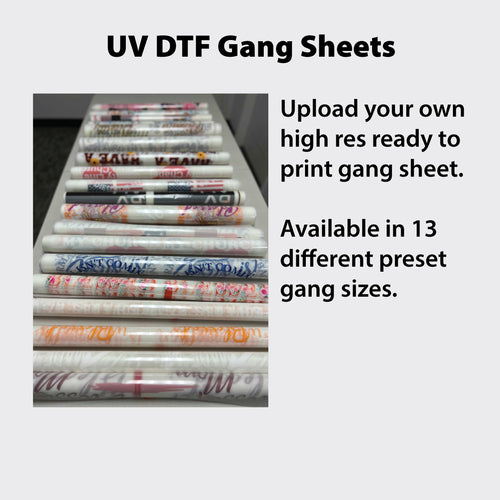
Lion DTF Transfers offers an Auto-build gang sheet builder and a “We Build a Gang Sheet for You” option. That is a practical fit for shops that want sheet efficiency without laying out every piece by hand.
Ensuring Durability and Exploring More Options
A shirt isn't done when it leaves the press. It's done when the customer wears it, washes it, and still likes how it looks.
Ready-to-press DTF has earned a strong reputation here because properly applied transfers have been tested to withstand 100+ washes without fading, cracking, or peeling in the verified durability data already cited earlier. That kind of lifespan depends on the application being right and the care instructions being simple.
Keep aftercare simple
Tell customers what to do in plain language:
- Wash inside out: It reduces abrasion against the print face.
- Use normal laundering, not abuse: Harsh treatment shortens the life of any decoration method.
- Avoid unnecessary high heat when possible: Heat is part of application, but repeated garment abuse in drying can still stress fabrics.
Those instructions aren't complicated, and that's the point. If care rules are too fussy, customers won't follow them.
Expand beyond shirts when the order calls for it
A lot of sellers start with tees, then realize customers want bundles. Event kits, school spirit packs, team merch, and promo drops often need more than apparel.
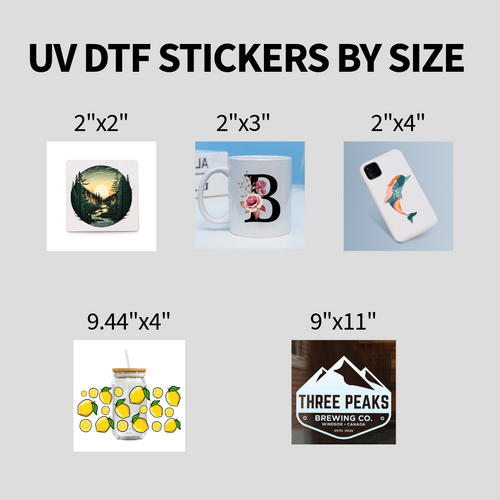
There's a broader shift here. In a promotional products market growing 35% in 2025, sellers are combining apparel with non-textile merch, and using one vendor for both ready-to-press DTF and UV DTF stickers can reduce setup time by 50%, according to this write-up on hybrid merch workflows.
That opens up practical bundle ideas:
- Team packs: shirts plus tumblers
- Event merch: tees plus sticker sets
- Brand kits: apparel plus laptop or packaging decals
If you're short on time, services like gang sheet building, vector cleanup, and artwork support are worth using. They cut rework, which is what really eats profit in decorated apparel.
If you're ready to press with fewer mistakes and a cleaner ordering workflow, take a look at Lion DTF Transfers. You can order ready-to-press transfers, use the Auto-build gang sheet builder to pack layouts more efficiently, or hand off the sheet building if you'd rather keep production moving than spend time arranging artwork.