


You're trying to turn shirts into a product people buy again, not just a one-off experiment that eats time, ink, and patience. Maybe you've already wasted blanks on bad placement, fuzzy artwork, or a transfer that looked great on the press and failed after a few washes. DTF transfers for shirts solve that problem by giving you a faster, more flexible way to produce custom apparel without locking you into huge runs or complicated setup.
The decorated-apparel market tied to DTF was estimated at USD 2.56 billion in 2023 and is forecast to reach USD 3.99 billion by 2030, a 6.5% CAGR projection that points to growing demand for personalization and efficient short-run production (Impressions Magazine). For a small shop, that matters because the right workflow can mean less waste, quicker turnaround, and more room to take on varied shirt orders without slowing down.
Your Modern Solution for Custom Apparel
A lot of new apparel sellers start the same way. One week it is a logo for a few shirts, the next it is a school order, then a birthday batch, and the same production method starts to feel clumsy. Screen printing can demand more setup than a small run needs, and vinyl can slow down once the artwork gets detailed or colorful.
DTF transfers for shirts fit that kind of workflow. They let you move from file to finished garment without building a separate process around every order. For a small business, that means less waste on test runs, faster turnaround on repeat jobs, and more room to accept mixed shirt orders without changing methods each time.
Why small businesses keep choosing it
The appeal is practical. A merch brand can test a new design without tying up extra inventory, a school can reorder uniforms without reinventing the process, and a print shop can keep several job types moving without stopping to reset its whole workflow.
Practical rule: if your shirt orders vary by design, size, and quantity, you need a process that stays efficient even when the order list changes every day.
DTF has become a useful option because it supports personalization, high-quality textile printing, and short-run production in a way that matches how modern custom apparel gets sold and shipped. It is a strong fit for creators who want speed without sacrificing presentation.
What Are DTF Transfers and Why Are They Ideal for Shirts
A new shirt order lands in the shop, and the artwork is full of color, fine lines, and a few different fabric types. DTF, or Direct to Film, is built for that kind of job. The design is printed on film first, then pressed onto the shirt, so the artwork is prepared as a transfer before it ever touches fabric. That keeps the workflow simple for small businesses, because one file can move from screen to press without building a separate production path for each order.

The process itself follows a clear sequence. A printer lays down CMYK pigment ink and a white underbase onto PET film, then polyamide hot-melt adhesive powder is applied and cured. After that, the transfer is heat-pressed at about 300 to 325 degrees Fahrenheit for 10 to 15 seconds before the carrier is peeled away. If you want a broader explanation of how decorators use the method, Long Island DTF Printing lays out the complete workflow.
Why that process works so well on shirts
The white underbase gives the artwork a solid foundation. On dark shirts, that layer keeps bright colors from sinking into the garment color, so the design stays readable and sharp. The adhesive powder and heat stage do the bonding work, which means the press settings affect both appearance and durability.
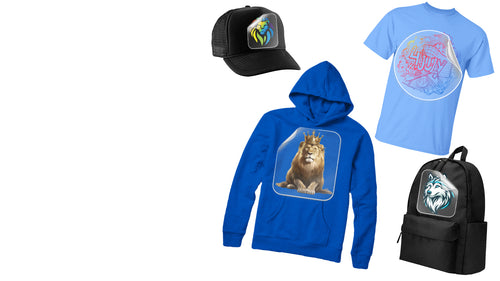
That matters in a print shop because shirts are not all the same. DTF transfers for shirts work on cotton, polyester, and blends, so a shop can take on fashion blanks, team apparel, and workwear without changing methods for every fabric family. For a small business, that reduces production friction and makes mixed orders easier to quote, print, and repeat.
How it compares with older methods
Heat transfer vinyl can be a good fit for simple graphics, but full-color art, gradients, and tiny details are easier to handle with DTF. Screen printing still makes sense for larger runs, yet it usually asks for more setup before the first shirt is ready. DTF sits between those two approaches, giving a shop a practical way to produce detailed shirts without the same setup burden or run-size pressure.
That balance is what makes the method useful for entrepreneurs. A shop can use it for sample runs, one-off custom pieces, and repeat orders without changing the whole production flow every time. If the job needs color, speed, and flexibility more than large-run economics, DTF fits well.
Preparing Your Designs for Flawless DTF Prints
Good DTF starts before the press ever warms up. If the file is wrong, the print can still look wrong even when the transfer itself is made correctly. That's why file prep isn't a design department issue only, it's a profit issue.
The safest starting point is a PNG with a transparent background. Transparency keeps the shirt color from showing inside the artwork box, which matters whenever the design has irregular edges, cutouts, or logos that aren't meant to sit inside a white rectangle. For a deeper breakdown of file choices, use this file format guide for printing.
The three checks that save the most reprints
Resolution matters because blurry art becomes obvious fast once it's pressed onto fabric. A file that looks acceptable on a phone screen may still print soft or jagged if it was built too small. Keep the artwork sharp from the beginning, because DTF transfers tend to reward clean source files.
Sizing matters just as much. A full-front design, a left-chest logo, and a sleeve print don't use the same dimensions or visual balance. If you size everything the same way, the shirt starts to look off even when the print quality itself is good.
Transparency matters because fabric isn't paper. Shirts have texture, knit lines, and color variation, so your design needs to sit cleanly on top of that surface instead of carrying a boxed background with it.
The fastest way to lose time in production is to fix a file after it has already been ordered, printed, and pressed.
When a design is prepared correctly, you get cleaner edges, more accurate positioning, and fewer surprises at the press. That's the significant value of good file prep. It doesn't just make art look better, it keeps the whole order moving.
How to Order DTF Transfers Efficiently and Save Money
Ordering DTF transfers should feel like buying production time, not buying mystery. The best setup depends on how often you reorder, how many designs you need on each sheet, and how much labor you want to spend arranging art before checkout.

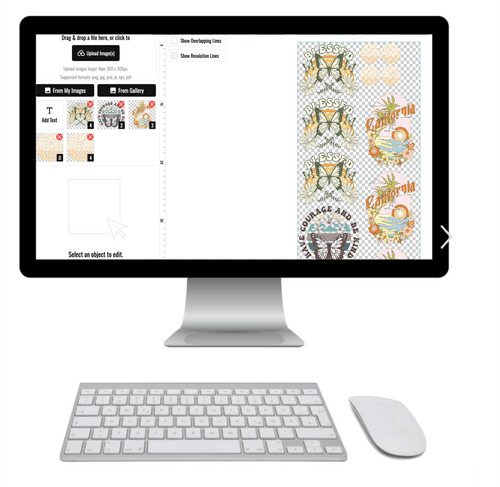
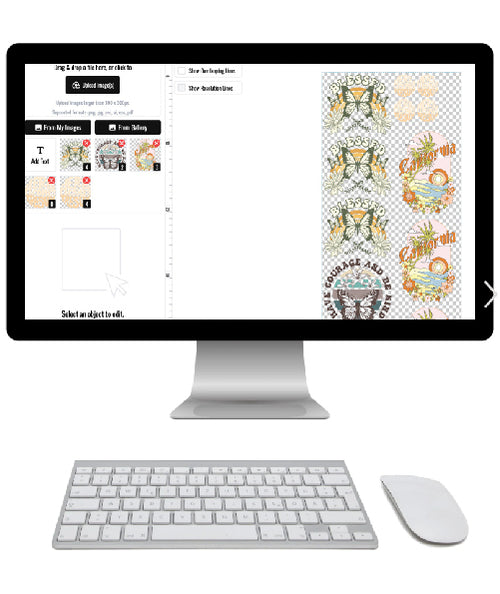
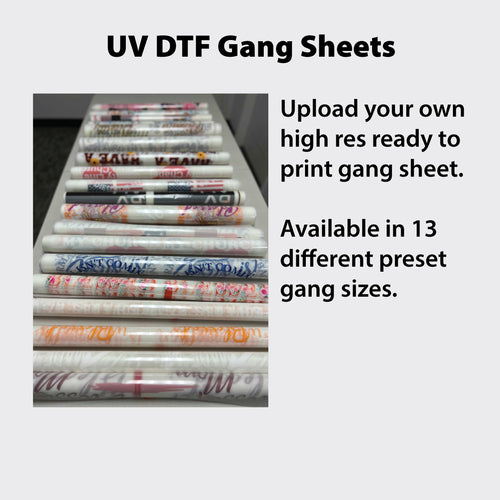
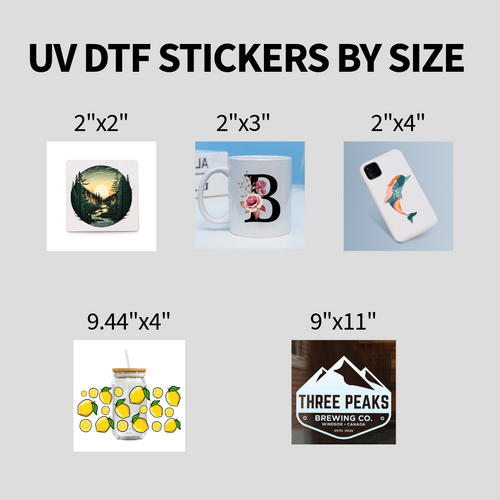
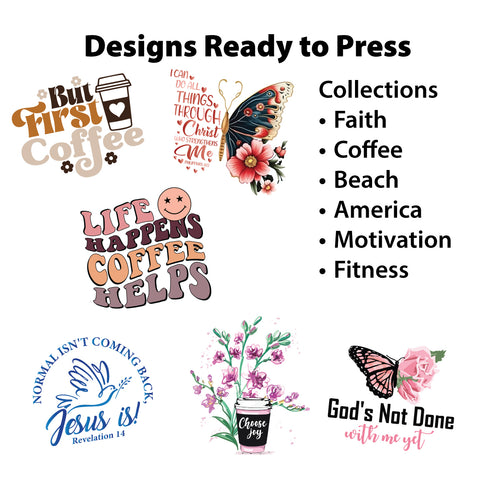
There are three common ordering paths. You can buy transfers by size, choose from ready-to-press collections, or build a gang sheet that combines multiple designs onto one sheet. The right choice depends on whether you're ordering one shirt, a batch of the same shirt, or a mixed set of artwork for several jobs. If you want a step-by-step ordering example, this guide on how to order custom DTF transfers shows the process from upload to checkout.
Why gang sheets usually win on value
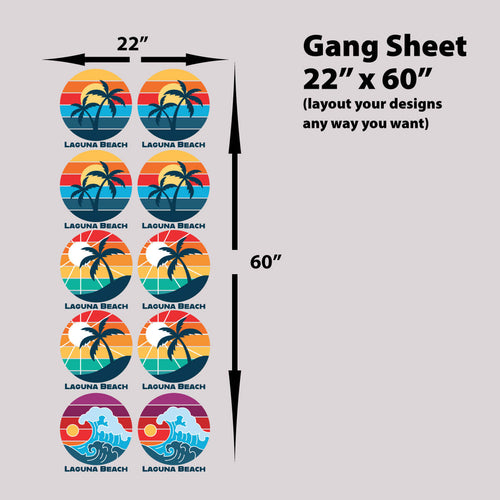
A gang sheet is the most efficient option when you want to reduce waste. Instead of paying for isolated placement space around each design, you pack multiple graphics into one sheet and use the film more completely. DTF gang sheet pricing varies by provider and order size, so the primary savings come from how tightly you fill the sheet and how often you can reuse the layout.
That pricing structure is exactly why an Auto-build gang sheet builder is so useful for ease of use and cost effectiveness. It helps you maximize film usage without having to manually nudge every logo and graphic into place. For a small shop, that means less time arranging and more time selling.
Practical rule: if you're ordering more than one design, build the layout to minimize empty film before you think about anything else.
A useful way to think about it is this. Individual transfers are simple, but they're not always the cheapest path. Ready-to-press collections can save time if the design already matches what you need. Gang sheets give you the most control, especially when multiple shirt orders are moving at once.
How to keep the ordering process clean
Use the order method that matches your workflow. If you already know the final shirt count and design mix, gang sheets often make the most sense. If you're testing a design or handling a one-off, a single transfer by size may be easier.
Lion DTF Transfers is one option that offers custom upload, gang sheet creation, and ready-to-press collections, which gives shops a practical way to handle different order types without rebuilding their production routine every week. The main point is consistency. When ordering becomes repeatable, your quoting gets easier, your production stays organized, and your turnaround is easier to protect.
Pressing and Caring for Shirts for Lasting Results
The press stage is where many first-time buyers lose confidence. A transfer can look clean on the film, yet the shirt only turns out right if heat, pressure, and placement all line up. A good press job feels boring in the best way, because nothing needs rescuing afterward.

The basic press range is about 240 to 280 degrees Fahrenheit for 10 seconds. For a more detailed setup reference, use these heat press settings for DTF. Even pressure matters because uneven pressure can leave weak edges or prevent full bonding.
A useful way to think about the press is simple. The design is only half the job. The other half is giving the adhesive enough heat and pressure to grab the fibers evenly, like a label that needs full contact across every corner. If one side is cooler than the other, the print may look fine at first but start breaking down sooner.
Placement matters more than the old collar rule
A lot of people repeat the same collar-distance advice, but real shirts are not that tidy. Collars shift, seams are not always symmetrical, hoodies have bulk, and pockets change the visual center. The better habit is to fold the shirt vertically and use the fold line as your true center reference.
That matters most when you are doing mixed-size orders. Adult tees, youth shirts, sleeves, and hoodies all read differently on the body. A design that looks centered on paper can sit too high or too low once the shirt is worn, and that is the kind of mistake customers notice right away.
Wash care that protects the print
Once the shirt is pressed correctly, care instructions help protect that result. Well-made DTF transfers are built to hold up through repeated wear, and durability stays strong when pressing and curing are done the right way. Good press habits matter just as much as good artwork, because the finish is only as strong as the application.
Use these simple habits after pressing:
- Wait before aggressive washing: let the print settle before hot laundering.
- Wash gently: keep the shirt out of rough cycles when you can.
- Avoid harsh heat: excessive dryer heat is hard on any decorated garment.
- Turn it inside out: that reduces surface friction on the design.
This video demonstrates the proper pressing technique for long-lasting results:
When customers ask why a shirt lasted, the answer is usually straightforward. The file was clean, the placement was careful, and the press settings were respected. That is the difference between a shirt that looks good for a day and one that stays in rotation.
Common Use Cases for DTF Shirt Transfers
The clearest way to understand DTF is to look at the kind of orders it handles well. A creator launching a merch drop needs full-color artwork without a complicated setup, so DTF keeps the run manageable. A café outfitting staff in branded shirts needs a polished logo on multiple sizes, and DTF keeps the look consistent.

A local sports team is another good fit. You may need fan shirts, coach shirts, and warm-up gear in different quantities, and DTF lets you keep the artwork cohesive across all of them. A family reunion or birthday order works the same way, because you can personalize names or roles without changing the core production approach.
Three common scenarios
Brand merchandise: a small apparel line wants to test a new graphic before committing to a bigger run. DTF makes that easier because the order can stay small and still look professional.
Events and promotions: a school, church, or business needs shirts for a short-term event. DTF handles quick-turn orders well because the artwork can be adapted and pressed without a large setup burden.
Custom gifts: when the shirt is meant for one person or a limited group, DTF keeps the process practical. You don't need a high minimum just to make a personalized item feel complete.
The strongest DTF jobs are the ones where design variety would slow down other decoration methods.
The common thread is flexibility. If your customer base keeps changing, DTF keeps your production simple enough to follow that demand instead of fighting it.
FAQs and Troubleshooting Common DTF Issues
Why isn't my transfer sticking well?
Check pressure first, then temperature, then the garment itself. If one of those is off, the adhesive bond won't fully set, and the shirt may look fine at first but fail at the edges later. The fix is usually to correct the press settings and recheck your application method before blaming the design.
Can I use a home iron?
You can apply some transfers that way in a pinch, but it isn't the reliable choice for production work. An iron gives uneven pressure and inconsistent heat, which makes results harder to repeat from shirt to shirt. If you're selling garments, a heat press is the safer tool.
Is DTF the same as UV DTF?
No. Standard DTF is for textiles, especially shirts and other garments, while UV DTF is used for hard surfaces and stickers. Mixing them up leads to bad expectations fast, so always match the transfer type to the product.
If you're still getting lift after pressing, look at whether the shirt fabric is too stretchy, whether the heat was uneven, or whether the transfer was under-cured before application. That's usually where the problem lives.
For shirt sellers, the goal is not just making one good sample. It's building a repeatable system that turns artwork into finished apparel without surprises. Start with clean files, use the right ordering method, press with care, and keep your workflow simple enough to repeat tomorrow.
If you're ready to turn shirt orders into a smoother, more profitable process, explore Lion DTF Transfers and compare the ordering options, gang sheet tools, and ready-to-press formats that fit your shop's workflow.