


A client texts at 4:40 p.m. They need left-chest logos for polos, full-front graphics for tees, and a few tote bags for an event. The artwork changed twice. They want local pickup. They also want the brand colors to stay tight because the merch is going in front of sponsors, buyers, or customers who already know the logo by heart.
That's normal in Orange County and Los Angeles.
DTF printing works well in that environment because it handles mixed garments, small runs, and fast reorder cycles without the setup drag that makes other methods painful for short-notice jobs. It's also part of a market that was valued at USD 2,720.0 million in 2024 and is projected to reach USD 3,920.0 million by 2030, with a 6.0% CAGR from 2025 to 2030, according to Grand View Research on the direct-to-film printing market. That growth shows up on the ground in cities like LA, where buyers care less about theory and more about whether the transfer presses clean, ships fast, and survives washing.
The practical side matters more than the sales pitch. If you're buying transfers in LA, you need to know how to prep files, when gang sheets save money, how pickup changes your production schedule, and what quality checks separate a clean run from a reprint headache.
Your Guide to Fast Custom Apparel in Los Angeles
Los Angeles buyers usually have one of three problems. The order is small, the deadline is short, or the garments are mixed. Sometimes it's all three at once. A streetwear drop needs black hoodies and natural tees. A fitness brand wants polyester blends. A promo client adds hats, totes, and staff shirts after the invoice is already out.
That's where DTF becomes useful. It fits the kind of order flow LA shops see every day, especially when the job doesn't justify a long setup or a large minimum. If you're searching for local options, this guide pairs well with a practical look at custom DTF transfers near me because proximity only helps if the files, turnaround, and pressing method are dialed in.
What matters most in LA
Speed isn't the only issue. Predictability matters more.
A local transfer supplier can save a job when you need pickup, but only if you're sending artwork that won't stall in prepress. Same-day or next-day production gets wasted fast when the file has low resolution, stray backgrounds, un-outlined fonts, or colors that were never checked for print behavior.
Practical rule: In Orange County and Los Angeles, the fastest order is the one that doesn't bounce back for artwork fixes.
The other issue is cost control. A lot of buyers overpay because they order piece by piece instead of planning by sheet, size group, or reorder potential. If you sell online, run events, or decorate in-house, the smart move is to think beyond the immediate shirt count and build orders around usable transfer layouts.
The jobs DTF handles well
DTF is a strong fit when you need:
- Mixed garment compatibility for cotton, polyester, nylon, and blends
- Short runs without the pain of high setup costs
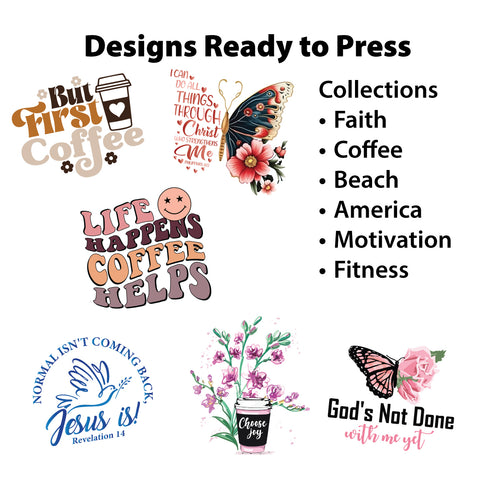
- Full-color graphics for logos, illustrations, and detailed art
- Local flexibility when pickup timing matters more than freight optimization
If your order is simple one-color text at scale, another process may make more sense. But for the typical LA rush job, where artwork changes and garment types shift midstream, DTF is one of the most forgiving production tools you can buy from.
Understanding Your DTF Printing Options
A client approves tees at 11 a.m., adds nylon warmups at noon, then asks if the same art can go on water bottles before pickup. That is a normal Los Angeles order. If you do not separate garment DTF from UV DTF at the start, the whole job slows down.
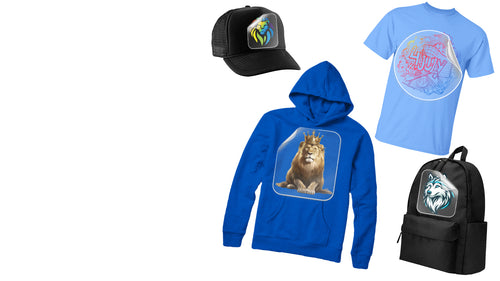
For apparel, the product you want is usually hot-peel DTF transfers. The design prints onto PET film, adhesive powder is added and cured, then the transfer gets heat pressed onto the garment. The practical upside is range. One workflow can cover cotton, poly, blends, and many nylons, which is useful in LA because one brand drop often spans streetwear blanks, teamwear, tote bags, and promo pieces in the same order.

Hot-peel transfers for garments
Hot-peel garment transfers are what apparel buyers usually mean when they search for DTF printing Los Angeles.
The decision is less about whether DTF works and more about whether it fits the garment, artwork, and deadline. DTF is strong for full-color chest prints, left chest logos, back graphics, names and numbers, and mixed-fabric orders that would be annoying to split across multiple decoration methods. It is also forgiving when a client changes quantities late and you need to reorder only the transfer count you need.
There is a trade-off. Large solid prints can feel heavier than plastisol screen print or water-based ink, especially on fashion tees where hand feel matters. If softness is the first priority, I usually tell people to reconsider giant filled rectangles and build the art with more negative space, halftones, or shaped edges. The print still looks bold, but it wears better.
Color control matters too. Brand clients in LA often care less about generic "bright color" and more about whether this week's reorder matches last month's pop-up run. DTF can hold detail well, but consistency depends on the file, the RIP setup, and whether anyone checked the art against a real proofing workflow before production. If a logo has a sensitive red, skin tone, or near-black charcoal, ask for a print reference or test before you commit to a larger sheet count.
UV DTF for hard goods
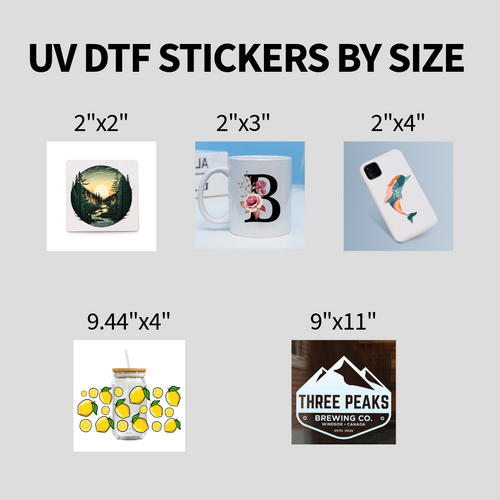
UV DTF is a separate product category. It is made for hard surfaces and applied like a durable decal, not pressed onto shirts.
Use it for bottles, packaging, laptops, candle jars, phone cases, and other smooth non-fabric items. For LA agencies, event teams, and merch sellers, that matters because the same campaign often needs apparel plus branded hard goods on the same timeline. You can keep the artwork system consistent, but the production method needs to match the surface.
The ordering mistake is predictable. A buyer asks for "DTF" without saying whether the item is a hoodie or a tumbler. That turns into quote revisions, incorrect films, or pickup delays. Calling out "garment DTF transfer" versus "UV DTF decal" upfront saves time in prepress and avoids a bad handoff to production.
Why DTF keeps getting used for LA apparel jobs
DTF fits how a lot of Los Angeles orders come in. Quantities shift. Garment styles change mid-job. A brand wants local pickup, not a long freight window. The process handles that kind of pressure well because there is no screen setup to rebuild every time the order changes.
It also works for buyers who plan by sheet instead of by single logo. If you are ordering for multiple SKUs, event sizes, or future restocks, gang-sheet buying usually gives better value than treating every graphic as a separate print. Shops that offer auto-builders make this easier because you can pack a sheet by size, duplicate fast-moving logos, and see wasted space before checkout. In a fast LA workflow, that is one of the clearest ways to keep cost under control without cutting print quality.
Use garment DTF for fabric. Use UV DTF for hard goods. Then judge the shop on the things that affect the final result: color matching, film quality, pickup reliability, and whether the ordering system helps you build smart sheets instead of expensive ones.
Preparing Flawless Artwork for DTF
Most expensive DTF mistakes start before printing. They start in the file.
In LA pickup jobs, artwork often gets approved too quickly. Someone exports a PNG off Canva, drags it into an order form, and assumes the printer will “clean it up.” Sometimes they can. Sometimes they can't. When color, edge sharpness, or fine text matters, that shortcut turns into delays, fuzzy detail, or a transfer that technically prints but doesn't look like a finished brand asset.

Start with the right file type
If the artwork includes logos, type, icons, or anything that needs crisp edges, use vector whenever possible.
A neutral DTF source notes that vector files produce the sharpest results, while raster files need to be at least 300 DPI at print size. The same source says artwork should be color-profiled for CMYK + white ink and mirrored before pressing, as explained in French Press Custom's DTF transfer guidance.
Use this as your baseline:
- Vector first: AI, EPS, and press-ready PDF files hold edges better when you resize.
- Raster only when necessary: PNG or TIFF can work, but they need to be built at final size, not stretched later.
- True transparency: A fake transparent background often shows up as a white box or halo once printed.
If you're sending a logo sheet with multiple lockups, don't flatten everything into one mystery file with random spacing. Keep versions organized and labeled by use.
Color is where fast jobs go wrong
Most local DTF pages talk about “vibrant color.” That's not enough if your logo already exists in physical form on signage, packaging, labels, or prior merch.
Color-managed DTF work starts before the transfer is printed. Build files with print in mind, not screen appearance. A bright RGB file viewed on a phone can look very different once converted for a CMYK + white ink workflow.
Here's the practical checklist I'd use for any brand-sensitive order:
- Work from approved brand art. Don't rebuild logos from screenshots.
- Use CMYK-aware design files. That won't guarantee a perfect match by itself, but it avoids some preventable shifts.
- Flag critical colors before ordering. Deep navy, warm grays, skin tones, and neon-adjacent colors deserve attention.
- Ask for a proofing step when the job matters. Pickup speed is nice. Brand consistency is better.
If the logo has to match packaging, storefront paint, or sponsor branding, don't approve the job from a phone screen and hope for the best.
Small file issues that create big production issues
A lot of “bad print” complaints are really file prep problems. Common ones include:
- Unoutlined fonts that substitute when the file opens elsewhere
- Hairline strokes that look clean on screen but print weak
- Soft-edged exports from low-res mockup tools
- Hidden white backgrounds around art that was never properly cut out
A clean DTF file should feel boring. It should open correctly, size correctly, separate cleanly, and leave no questions about what is intended to print.
One more thing about proofs
For local pickup workflows, buyers often skip formal proofing because they're in a rush. That's exactly when they need it.
A fast proof doesn't need to be overbuilt. It just needs to confirm placement, dimensions, and any color concerns before the order hits production. That single pause saves far more time than reprinting a bad run.
How to Order DTF Gang Sheets and Save Money
If you order DTF often, gang sheets are where most of the savings live.
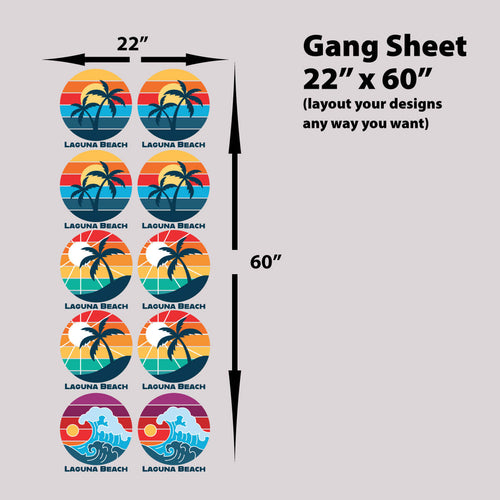
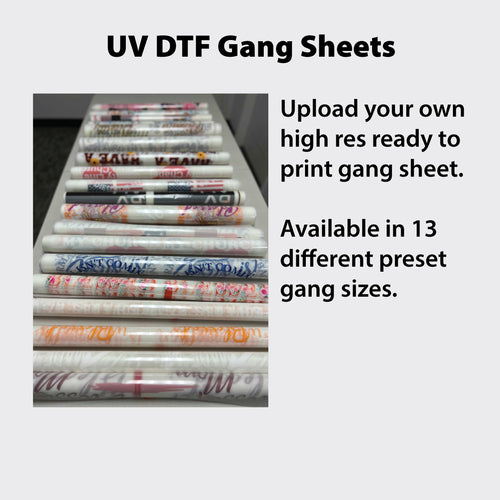
A gang sheet lets you place multiple designs on one sheet of film instead of buying each transfer as a separate unit. That can mean left-chest logos next to sleeve prints, youth sizes next to adult sizes, or multiple client jobs grouped into one production layout. For small shops, Etsy sellers, and in-house decorators, that's usually the most efficient way to buy.

Why manual gang sheet building wastes money
A lot of buyers still build sheets by hand. They drag artwork around, guess spacing, and leave dead zones they don't notice until after checkout. That approach works for occasional orders, but it gets expensive fast.
The economics behind DTF help explain why optimization matters. One verified industry summary reports that DTF can reduce ink waste by 25% compared with DTG, that the initial investment is about 50% lower than a high-end DTG setup, and that orders commonly reach ROI in 6 to 8 months, according to WiFi Talents' DTF printing industry statistics. If waste control is already part of the process, poor sheet planning works against the whole advantage.
What an auto-builder does better
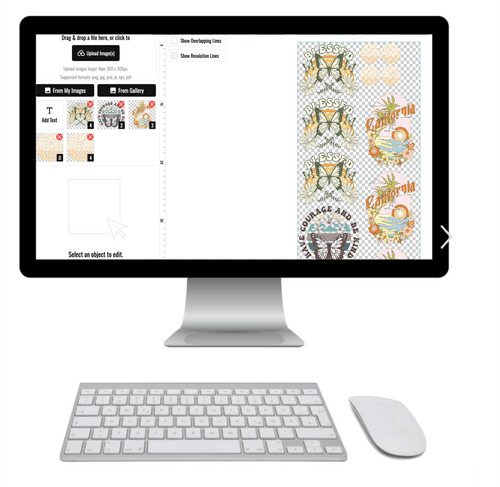
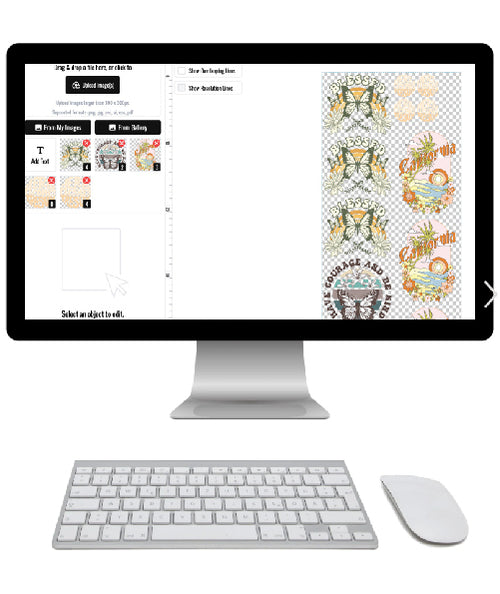
An Auto-build gang sheet builder takes a different approach. You upload individual files, set the sizes you need, and the software nests them to use the film more efficiently. That matters because every inch of empty film is cost you already paid for.
Good use cases include:
- Mixed logo packs for brands that need chest, back, and tag prints
- Multi-size event runs where the same design repeats across garment sizes
- Batch client orders for decorators combining several small jobs
- Reorder planning when you want extras of your fastest-moving graphics
One practical option is Lion DTF's gang sheet guide and ordering workflow, which explains gang sheets and supports auto-building layouts from uploaded artwork. That kind of tool is useful when speed matters and you don't want to hand-nest every file.
How to decide what belongs on one sheet
Don't group designs randomly. Build gang sheets around how you'll press and use the transfers.
A better method looks like this:
| Order type | Best gang sheet strategy | Common mistake |
|---|---|---|
| Brand merch | Group by placement and repeat size | Mixing unrelated sizes with no labeling |
| Client work | Separate by customer or PO | Combining jobs that are easy to mis-cut |
| Events | Include extras of likely replacement sizes | Ordering exact counts with no backup |
| E-commerce | Batch top sellers and evergreen logos | Filling sheets with low-probability designs |
Before you submit, check three things. Are the sizes final, are duplicate designs intentional, and is the sheet organized well enough that your production team won't waste time identifying each piece?
A quick walkthrough helps if you're new to this process:
Shop-floor advice: Build gang sheets for the way you sell, not just the way the artwork arrived.
That's the difference between “cheap enough” and profitable.
Local Logistics Turnaround Time and Pickup in LA
In Los Angeles, the print itself is only half the job. The other half is getting it into your hands at the right moment.
Some buyers need transfers shipped to a contract decorator. Others want to pick up locally so they can press same day, inspect color in person, or avoid transit delays. Neither option is automatically better. It depends on the job, the deadline, and who's doing the pressing.

When pickup makes more sense
Pickup is usually the smart move when the order is urgent, brand-sensitive, or heading straight into production.
If you're in the Valley, near DTLA, or moving goods between a supplier, decorator, and event location, local collection gives you one more chance to catch a problem before the transfers get pressed. That can be worth more than the convenience of shipping.
Pickup tends to work best for:
- Rush jobs where every hour matters
- Color-sensitive orders that you want to inspect before use
- Press-in-house workflows where your team applies transfers immediately
- Event production when shipping risk isn't worth taking
When shipping is the better move
Shipping works better when your production is distributed or your schedule is stable enough that transit time won't hurt you.
If the transfers are going directly to another facility, or the order isn't needed immediately, shipping can simplify coordination. It also makes sense when you're batching multiple jobs instead of reacting to one urgent request.
The trade-off is control. Once the order leaves, you lose the chance to inspect before handoff unless the recipient is trained to do it.
A local pickup order can save a deadline. It can also expose file mistakes faster, which is exactly why serious buyers use it.
Planning an LA and OC order without drama
A simple workflow prevents most logistics issues:
- Lock artwork early in the day. Last-minute revisions slow everything.
- Confirm whether you need transfers or finished pressing.
- Choose pickup if the order is urgent or color-critical.
- Use shipping when the receiving location is the primary production hub.
For DTF printing in Los Angeles, logistics is part of quality control. A transfer that arrives too late is just as unusable as one that was printed badly.
From Transfer to Tee Applying and Vetting Your Prints
A good transfer can still fail on the press. That's why application and supplier vetting belong together.
The pressing step is where adhesion, finish, and wash performance get locked in. If your garment has moisture, if the powder wasn't cured well, or if the transfer doesn't get a proper final press, the print may look acceptable on day one and disappoint later. A lot of people blame the transfer when the underlying issue was process control.
The pressing sequence that works
A practical DTF workflow follows a strict sequence. Pre-press the garment to remove moisture and flatten fibers, print onto PET film, apply adhesive powder evenly, cure the powder, then heat-press the transfer for about 10 seconds, hot-peel immediately, and post-press once more to improve durability. Skipping the pre-press or post-press steps is a known quality risk because it reduces adhesion consistency and wash resistance.
If you're applying transfers yourself, use this operating checklist:
- Pre-press first: Remove moisture and flatten the surface before the transfer touches the shirt.
- Watch pressure, not just heat: Even pressure matters as much as temperature.
- Peel hot when the transfer is built for hot peel: Waiting too long can change the release behavior.
- Post-press every job: Use parchment or a finishing sheet if needed, then lock it in.
For a more detailed step-by-step reference, this guide on how to apply DTF transfers covers the application side clearly.
What bad transfers look like before washing
You can catch a lot of problems before the shirt ever leaves the shop.
Look for these warning signs:
- Patchy adhesion at the edges, especially in fine details
- Gloss differences that suggest uneven pressing
- Grainy or inconsistent areas that can point to powder issues
- Cracking during stretch right after pressing
- Weak bond on textured garments where fibers weren't flattened first
If you see those problems repeatedly, don't assume your press is the only issue. Ask harder questions about the transfer itself.
Questions worth asking any LA DTF supplier
Most buyers ask about turnaround first. Better buyers ask about consistency.
Here's what I'd want answered before trusting a supplier with repeat work:
- What file types do you prefer for clean output?
- How do you handle color-sensitive brand jobs?
- What films and adhesives are you using?
- What's your guidance on press settings and peel timing?
- How do you recommend testing a new garment style before a full run?
Those questions matter because the common failure points in DTF are known. Industry summaries note that uneven powder coverage, under-curing, and low-quality film or adhesive can lead to fading, cracking, or weak bonding, as noted earlier in the article.
The best supplier isn't just the one that prints fast. It's the one whose transfers behave predictably on press.
Vet the process, not just the sample
A single sample can look good. Repeatability is the ultimate test.
If you're running volume, test the transfer on the actual garments you plan to sell. Wash one. Stretch one. Compare a repress or reorder against the first run. The goal isn't perfection in theory. The goal is a process you can trust when the client reorders the same logo next month and expects it to match.
If you need a practical source for Lion DTF Transfers, use it the same way you should use any supplier in this market. Send clean artwork, build gang sheets efficiently with the Auto-build gang sheet builder when it fits the job, and treat pickup, proofing, and press settings as part of one production system instead of separate decisions.