



You've got the transfers in front of you, the shirt is loaded, and everything looks easy until your hand reaches for the press. That's the moment most beginners hesitate. The film looks finished already, so it's tempting to think the hard part is over.
It isn't.
The final result depends on application. A sharp transfer can still fail if the garment holds moisture, the pressure is uneven, or the peel happens at the wrong moment. When people ask how to apply dtf transfers, what they usually want isn't a generic list of steps. They want to know how to press one cleanly, repeat it on the next shirt, and trust it won't come back with lifted edges or a cracked print.
A good DTF workflow feels simple once you understand why each step matters. You're managing three things at once: fabric condition, adhesive contact, and peel timing. Get those right and the process becomes fast, repeatable, and calm, whether you're doing one left-chest logo or a full table of event shirts.
Perfect DTF Prints Start Here
A new team member usually makes the same first mistake. They focus on the transfer and ignore the garment. They'll line up the design carefully, check the artwork twice, then press onto a shirt that still has moisture, lint, or a crease running through the print area.
That's how good transfers get blamed for bad application.
The job is to create a clean bond between the adhesive and the fabric fibers. That means the shirt has to be flat, dry, and ready before the film ever touches it. It also means you need a consistent pressing routine so each garment gets handled the same way. Once a shop builds that habit, DTF stops feeling like trial and error and starts feeling like production.
Practical rule: Treat every press like a repeatable setup, not a one-off craft project.
For hot-peel transfers, confidence matters. You don't want to hover over the press wondering whether to wait longer or peel slower. You want a known process, a clean release, and a finish that looks intentional. That's what separates a shirt that looks homemade from one that looks shop-made.
The rest of the craft comes down to discipline. Prep the blank. Use the right tool. Match your settings to the fabric. Peel with purpose. Then check the result before the next piece goes on the platen.
Preparing Your Garment and Transfers
Most application problems start before the first press cycle. Edge lift, dull color, and partial adhesion usually trace back to a shirt that wasn't prepared properly. Major-market guidance consistently recommends a 5–10 second pre-press because lint, moisture, and wrinkles are common causes of poor bonding.
Start with a clean pressing surface
A blank shirt fresh out of the box isn't automatically ready. Fibers hold humidity, collars create tension, and warehouse dust or loose lint can sit right where the adhesive needs full contact.
Use this checklist before you place the transfer:
- Lint roll the print area: Even tiny fibers can create bumps under the film and keep parts of the design from sealing evenly.
- Check seams and collars: If the design area sits near a thick seam, thread the garment or reposition it so the platen stays level.
- Flatten the fabric: Smooth by hand before pre-pressing so you're not locking wrinkles into the application.

Pre-press before you press
That short pre-press isn't filler. It removes hidden moisture and relaxes the fabric so the transfer sits on a flatter, more stable surface. If you skip it, the garment can release steam during the main press, which interferes with adhesive contact.
A good pre-press routine looks like this:
- Lay the garment flat and make sure the print zone is fully supported.
- Press briefly to drive off moisture and knock out wrinkles.
- Let the fabric settle for a moment before placing the transfer.
- Recheck alignment after the fabric relaxes, especially on lightweight shirts.
A shirt can look flat and still hold enough moisture to cause a weak press.
Prep your transfers like a production job
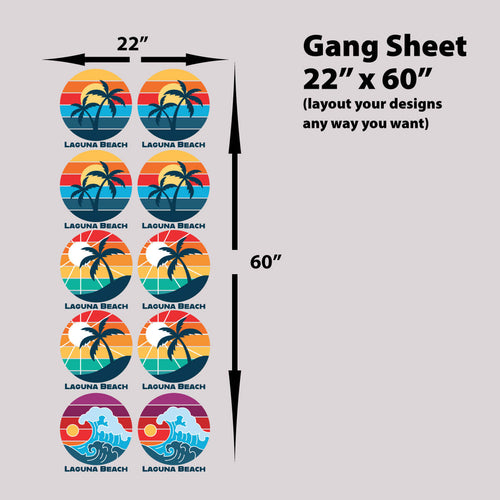
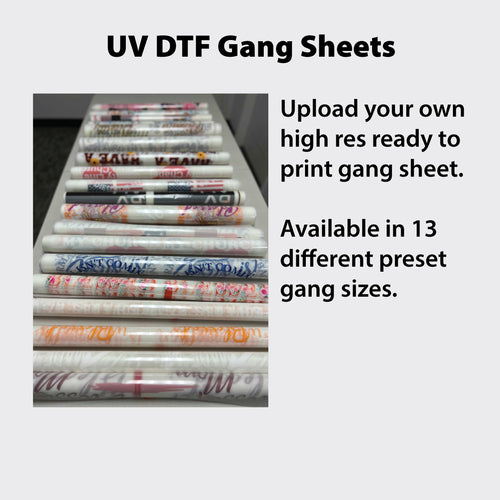
The transfer side matters too. Cut gang sheet pieces cleanly if needed, keep the carrier free of dust, and organize your press order before the heat press is on and waiting. That prevents rushed placement and accidental misalignment.
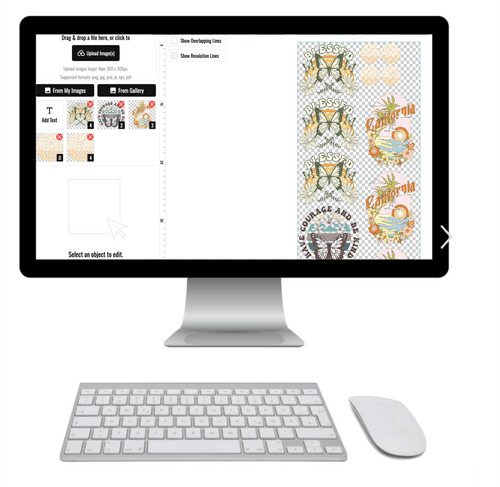
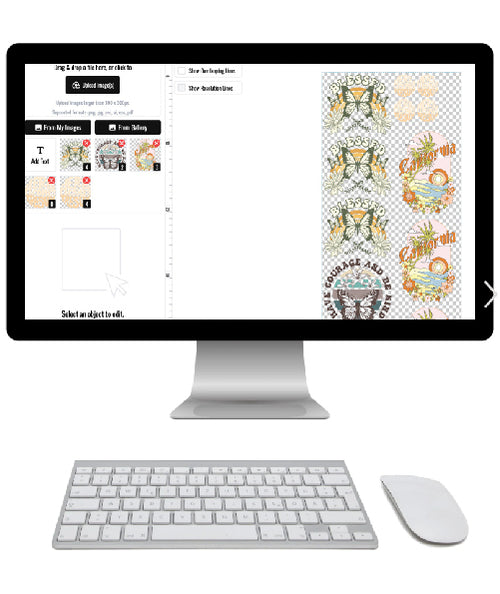
This is also where gang-sheet planning pays off. If you're laying out multiple logos, sleeve prints, and full-front graphics, an auto-layout tool saves both film and time. Lion DTF Transfers' Auto-build gang sheet builder is one example of a tool that helps arrange designs efficiently before production, which makes prep more cost-conscious and easier to manage when you're batching jobs.
What good prep feels like
When prep is done right, the transfer sits on a garment that feels dry, level, and predictable. There's no tug from a wrinkle, no fuzz under the adhesive, and no guesswork about placement. Operators who rush this stage usually think they're saving time. In practice, they're creating rework.
The Core Hot-Peel Application Process
Once the garment is prepped, the actual press cycle is straightforward. The key is to treat it like a sequence, not a collection of disconnected steps. Position, cover, press, peel. Done the same way every time, it becomes fast and reliable.

Position the transfer with intent
Set the transfer on the garment only after the blank is ready. Don't slide it around excessively once it's in place. That can shift your alignment and pick up lint from the fabric.
For standard shirt placement, most operators use visual references such as the collar, shoulder seams, and the garment centerline. For sleeves, pockets, and youth sizes, the safest move is to check balance by eye and compare left-to-right spacing before you commit. Consistent positioning is part of the finished look.
A few habits make this easier:
- Use the shirt structure: The collar and side seams tell you more than the artwork does.
- Step back before pressing: A quick visual check catches crooked placements faster than measuring after the fact.
- Keep specialty areas flat: If a zipper, placket, or seam lifts one side of the press area, adjust the garment setup first.
Press with even contact
The broad workflow is now standardized across major suppliers. Lion DTF Transfers instructs users to preheat to approximately 280°F, pre-press the garment for 5-10 seconds, then press the transfer for 7-10 seconds with medium, even pressure before peeling. Follow our detailed guide for pressing instructions based on the fabric used.
That consistency matters in a shop. It means the application method is no longer guesswork. Operators can learn a repeatable baseline and adjust from there based on fabric, transfer type, and press behavior.
Use a cover sheet such as parchment or Teflon when your workflow calls for it. The purpose is simple. Protect the platen, protect the film surface, and help maintain a clean press environment.
Peel like a hot-peel transfer operator
The peel is where beginners hesitate, especially if they've used other transfer types that demand a full cool-down. Hot-peel film rewards decisiveness. If you wait too long or peel with a jerky motion, you can turn a clean application into a rough release.
When the transfer is designed for hot peel, remove the carrier with a smooth, controlled pull at a low angle. Don't snap it upward. Don't yank from one corner with force. Keep the motion steady and watch the design as it releases.
What to look for right after the peel
A good peel leaves the print looking settled into the fabric, not perched on top of it. The edges should sit cleanly, fine details should stay down, and the surface should look uniform across the image.
If a small area wants to lift with the carrier, stop and lay it back down before the problem spreads. That usually points to uneven pressure, incomplete contact, or a fabric issue under that part of the transfer.
Peel technique is part of the press, not an afterthought.
Choosing Your Tool Heat Press vs Home Iron
A lot of people asking how to apply dtf transfers are really asking a simpler question. Can I do this with what I already have on hand?
Sometimes, yes. But the trade-off is consistency.
Guides that allow for home use note that an iron can work with high heat, no steam, and firm pressure for 20+ seconds, while also recommending a heat press for better results because uniform contact and consistent pressure matter for full adhesive bonding.

What a heat press solves
A heat press gives you three things an iron usually can't deliver reliably: a stable heated surface, even downward pressure, and a timer that removes guesswork. Those aren't luxury features. They are the foundation of repeatable transfer application.
For shop work, that means:
| Tool | What it does well | Where it struggles |
|---|---|---|
| Heat press | Even platen contact, controlled pressure, repeatable workflow | Takes space and dedicated setup |
| Home iron | Small one-off jobs, basic access, low barrier to entry | Uneven edges, hot spots, hard-to-repeat results |
If you're pressing more than occasional single pieces, the press wins quickly because it removes variability. Operators don't need to guess whether the center got hotter than the corners or whether enough pressure reached the bottom edge of the design.
When an iron is acceptable
A home iron can be workable for a small logo on a forgiving cotton garment. Small graphics are easier because you're dealing with less surface area, which means fewer chances for cold spots and incomplete bonding.
But the risk climbs fast when you move into:
- Large graphics: More image area means more chances for uneven heat.
- Hoodies or thick garments: Bulk changes contact across the design.
- Polyester or blends: Heat sensitivity narrows your margin for error.
- Seam-heavy placements: Irons don't bridge uneven surfaces well.
If you want a deeper breakdown of those trade-offs, this guide on whether DTF transfers can be ironed on is useful for deciding when home equipment is enough and when it isn't.
The honest rule
If the shirt matters, use a heat press. If the order repeats, use a heat press. If the fabric is sensitive, use a heat press.
An iron is a workaround. A press is a production tool.
Dialing in Settings for Different Fabrics
Fabric choice changes the application strategy. Cotton is generally forgiving. Polyester is less forgiving because too much heat can affect the garment before the transfer has a chance to bond cleanly. Blends sit in the middle, which means they usually need testing more than confidence.
Think in ranges, not absolutes
A transfer doesn't read the label on the shirt. It responds to actual fabric behavior under heat and pressure. That's why a shop should work from tested ranges and make small adjustments based on the garment in front of them.
This is the practical way to think about the main categories:
- Cotton: Usually tolerates moderate to higher heat well and gives you a wider operating window.
- Polyester: Needs more caution. Lower settings help reduce the chance of fabric damage.
- Blends: Often press cleanly, but they can combine cotton's forgiveness with polyester's sensitivity, so sample testing matters.
- Tri-blends and soft fashion blanks: These can shift, mark, or react faster than standard tees.
Why polyester changes the game
Polyester doesn't give you as much room for sloppy technique. If the garment is delicate, lower-temperature application becomes important, and pressure control matters even more because you can't brute-force the bond with extra heat.
That's one reason DTF became so useful for modern apparel mixes. The method is adaptable enough to work across cotton, polyester, and blends with moderate adjustments rather than a complete process change.
On mixed-fabric jobs, test a sample first. The transfer may be the same, but the garment is doing half the work.
A practical shop approach by fabric type
Rather than memorize dozens of garment-specific presets, use a decision system:
- Start with the transfer supplier's baseline.
- Check the garment fiber content and feel.
- Reduce heat first for delicate synthetics instead of reducing pressure blindly.
- Test a corner or spare blank before committing a full run.
- Watch for surface response after the first press, not just transfer adhesion.
For operators who want a settings reference organized around common garment types, this heat press settings guide for DTF is a practical place to compare starting points before you test on your own blanks.
What works on darks and specialty garments
Dark garments often show mistakes faster. Silvering, edge lift, and uneven texture are easier to spot against a black hoodie than a light tee. On those jobs, clean prep and balanced pressure matter more than trying to overpower the press with extra heat.
For tote bags, heavy sweatshirts, and performance wear, build in time for test presses. Specialty garments don't fail because DTF can't work on them. They fail because someone assumed the same settings from a basic cotton tee would transfer over unchanged.
Troubleshooting and Pro Tips for Longevity
Troubleshooting gets easier when you stop thinking in symptoms and start thinking in causes. A transfer that lifts at the edge, cracks later, or looks dull after pressing usually points back to one of three issues: prep, contact, or fabric mismatch.
If the transfer won't stick cleanly
Look at the garment first. Moisture, lint, and wrinkles are frequent culprits. Then check whether the press made even contact across the entire design.
Common causes include:
- Poor garment prep: The fabric wasn't fully dried out or flattened before pressing.
- Uneven pressure: One area bonded while another barely touched.
- Difficult surface geometry: Seams, collars, or hoodie pockets changed platen contact.
If one section of the image releases and another stays on the carrier, that usually means the press itself was uneven or the garment wasn't sitting level.
If the print starts failing later
A design that looks good on the platen but breaks down in wear often had a weak initial bond. Sometimes the problem shows up after washing because the adhesive never fully seated into the fabric in the first place.
A few habits improve long-term durability:
- Inspect immediately after peeling: Don't stack garments before checking the edges and fine details.
- Use a consistent workflow: Variation between operators creates inconsistency between shirts.
- Pass care instructions to the customer: Even a properly applied print lasts better when the garment is washed and dried with reasonable care.
Shops build their reputation on the shirts that come back, not the shirts that leave the press looking good for five minutes.
Build a workflow your team can repeat
Good shops don't depend on memory. They reduce variables. Keep your pressing area clear, stage garments in order, and separate pre-pressed blanks from finished goods so operators don't lose track mid-run.
Use a simple rhythm:
- Stage blanks first
- Prep every garment
- Press one tested setup
- Approve the result
- Run the batch without changing technique unless the garment changes
That matters more than people think. Most inconsistent output comes from small shifts in handling, not dramatic mistakes.
If your team is still building those habits, these beginner DTF pressing tips are a helpful reference for tightening up day-to-day execution.
The standard worth aiming for
Professional DTF application isn't about pressing harder or hotter. It's about making the same correct decisions every time. Clean garment. Correct setup. Even contact. Confident peel. Final inspection.
That's the craft. Once your hands know that rhythm, the process gets faster without getting sloppy.
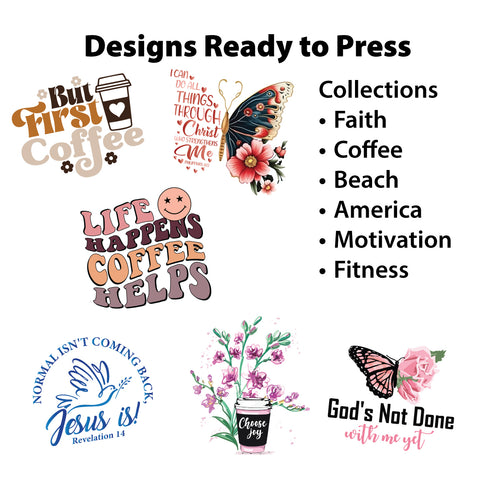
If you want ready-to-press transfers, gang sheets, or a faster layout workflow, Lion DTF Transfers offers custom transfers and an Auto-build gang sheet builder that can simplify file setup before you ever reach the press.