


You're probably staring at a stack of shirts, a last-minute event list, or a manager's text that says the logo needs to be ready by Friday. In Philadelphia, that kind of deadline isn't unusual. Schools, hospitals, nonprofits, local brands, and event teams all need branded apparel that can move fast, handle mixed garment types, and still look clean when the order is pressed, packed, and handed off across the city.
DTF Philadelphia fits that reality better than a lot of older print methods. Direct-to-Film transfers can handle short runs, full-color art, and multiple designs without forcing a shop into the same setup pattern every time. In a city where pickup windows, delivery traffic, and emergency reorders matter, the production method you choose can be just as important as the design itself.
Why Philadelphia Businesses Are Turning to DTF Printing
A fundraiser organizer in South Philadelphia doesn't need a week of back-and-forth just to get 50 shirts. A school staff order doesn't need to be split between cotton tees, polyester polos, and a few hoodies because one decoration method can't handle the mix. A healthcare department needs names, logos, and department marks turned around without making the order feel like a custom fabrication project.
That's where DTF transfers keep winning attention. Philadelphia's economy leans heavily toward education, health services, trade, transportation, and utilities, so a lot of apparel demand comes from organizations that order in short bursts and want the job done without drama. In that environment, DTF is useful because it handles fast-moving, deadline-sensitive work without asking the buyer to clear a big minimum or redesign the job around the print method.
Why local timing changes the decision
Philadelphia is also a dense, operationally complicated market. Parking, delivery windows, and traffic patterns can make a simple pickup matter more than a glossy marketing promise. If a team can grab transfers locally, press them the same day, and avoid waiting on a package from outside the region, that changes the project math in a very real way.
Practical rule: if the order has more than one garment type, more than one design, or a deadline tied to an event, DTF usually deserves a look before screen printing or embroidery.
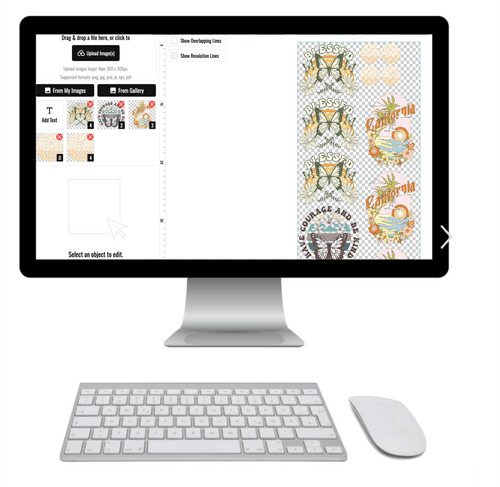
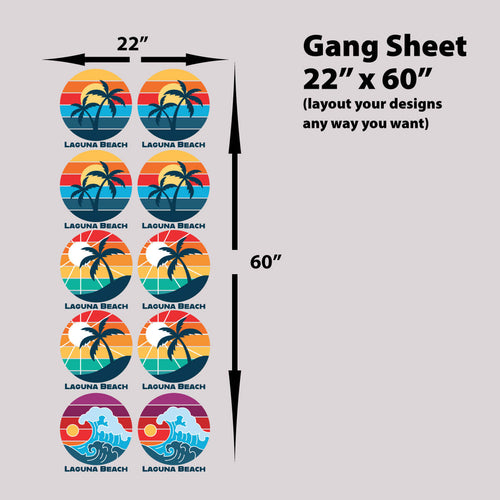
A lot of buyers ask the wrong first question, which is, “What is DTF?” The better question in Philadelphia is, “What gets this order finished on time without wasting money on setup that the job doesn't need?” That's why Auto-build gang sheet builder workflows matter so much here. They let you group multiple logos or sizes on one sheet, which is a cleaner fit for the way Philadelphia businesses order apparel.
How DTF Technology Actually Works
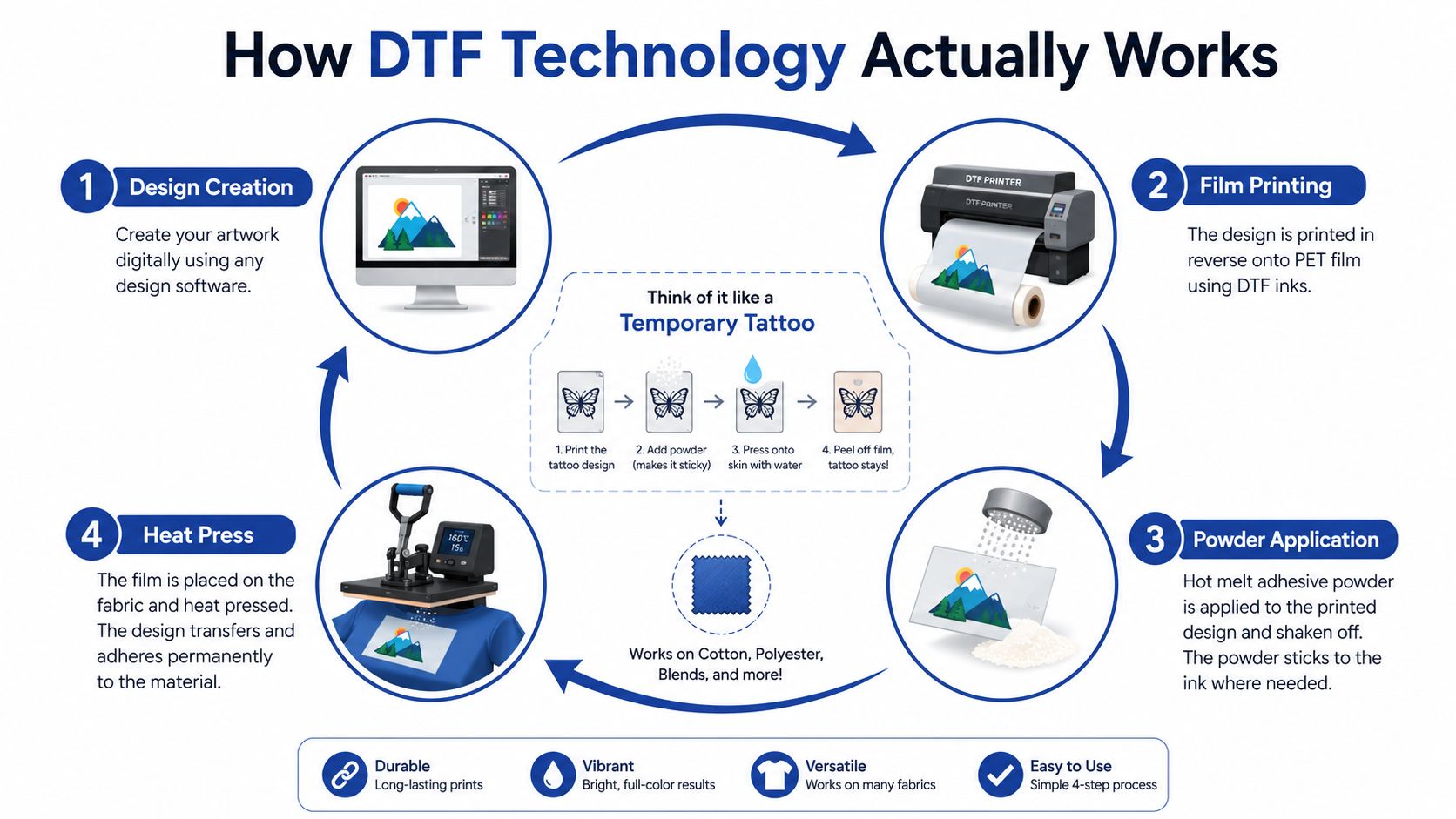
Think of DTF like a temporary tattoo for fabric, except the transfer is built for heat, pressure, and daily wear. The design doesn't print directly onto the garment first. It starts on film, gets coated, cured, and then pressed onto the shirt or hoodie.
For a deeper visual breakdown, the mechanics are also covered in this DTF transfer workflow guide. The key idea is simple. The film is the carrier, the adhesive is the bond, and the heat press is what locks everything into the fabric.
The production sequence
The process starts with CMYK plus white printing onto PET film. The white layer matters because it helps colors stay visible on dark garments, where a regular ink pass would sink into the fabric visually and lose pop. After printing, the film gets coated with hot-melt adhesive powder, then cured so the adhesive is ready to bond during pressing.
That adhesive stage is not decoration, it's the engine of the transfer. Once the transfer is placed on the garment, it goes under a heat press at about 240 to 280°F for 7 to 10 seconds at medium pressure, 40 to 60 PSI (Yoycol DTF specifications). That window matters. Under-curing weakens the bond, and over-heating can hurt hand feel or stretch performance.
Why throughput changes with detail
The job also changes when you demand more detail. A commercial DTF platform shows throughput dropping from 0.97 m²/h at 720×1080 DPI to 0.73 m²/h at 720×1440 DPI, and from 5.5 m²/h at 720×1200 DPI down to 0.74 m²/h at 720×1800 DPI (DTF platform specifications). That doesn't mean higher resolution is bad. It means more ink passes and finer dot placement take more time, so high-fidelity artwork costs more production capacity than simple logos.
The right DTF workflow is never just “print and press.” It's a controlled chain of print, powder, cure, and heat, and each step affects durability.
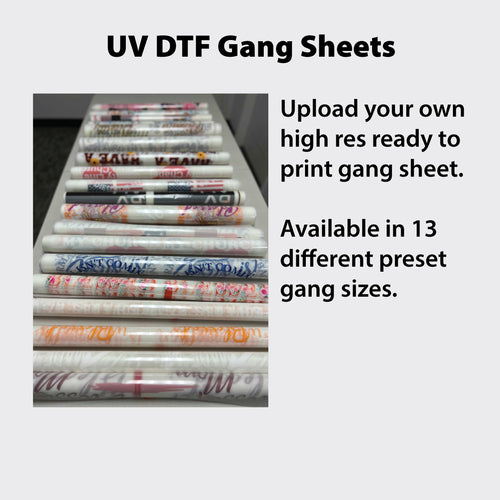
That's also why gang-sheet planning matters so much. When several designs are built onto one film sheet before curing and pressing, the shop can keep the workflow efficient instead of treating every logo as a separate micro-job.
DTF vs Screen Printing vs Embroidery for Philadelphia Orders
This comparison guide frames the choice pretty well, but the answer in Philadelphia depends on order size, garment type, and how many variations are in the job. A 24-piece school order with five different names behaves very differently from a 500-shirt run for a single event sponsor. One is a transfer problem. The other might be a screen printing job.
When each method makes sense
| Factor | DTF Transfers | Screen Printing | Embroidery |
|---|---|---|---|
| Short runs | Strong fit | Usually less efficient | Possible, but not always ideal |
| Full-color artwork | Strong fit | Works best with simpler separations | Limited |
| Mixed garment types | Strong fit | More restrictive | Good for structured items |
| Premium look on polos and hats | Good for small logos | Less common | Strong fit |
| Large-volume repeat jobs | Useful, but not always the first choice | Strong fit | Less efficient for many designs |
| Fine detail | Strong fit | Depends on setup | Limited by stitch detail |
DTF usually wins when the order is small, colorful, and varied. Screen printing still makes sense when the artwork is stable and the quantity is high enough that setup gets spread across the run. Embroidery remains the right answer for polos, hats, and workwear where a stitched finish is part of the brand presentation.
The Philadelphia-specific trade-off
Philadelphia buyers often care less about theory and more about whether the order can survive the calendar. If a nonprofit needs event shirts for different volunteer groups, DTF avoids the problem of paying for multiple screens. If a restaurant needs embroidered hats and a few matching tees, embroidery and DTF can even split the job by garment type.
The important thing is not to force one method across every item. A mix of apparel usually deserves a mix of decoration choices. For school spirit wear, team gear, branded merch, and emergency restocks, DTF often gives the cleanest balance of flexibility and speed.
Good production rule: choose the decoration method after you've counted garment types, artwork versions, and deadline pressure, not before.
Evaluating DTF Providers in the Philadelphia Market
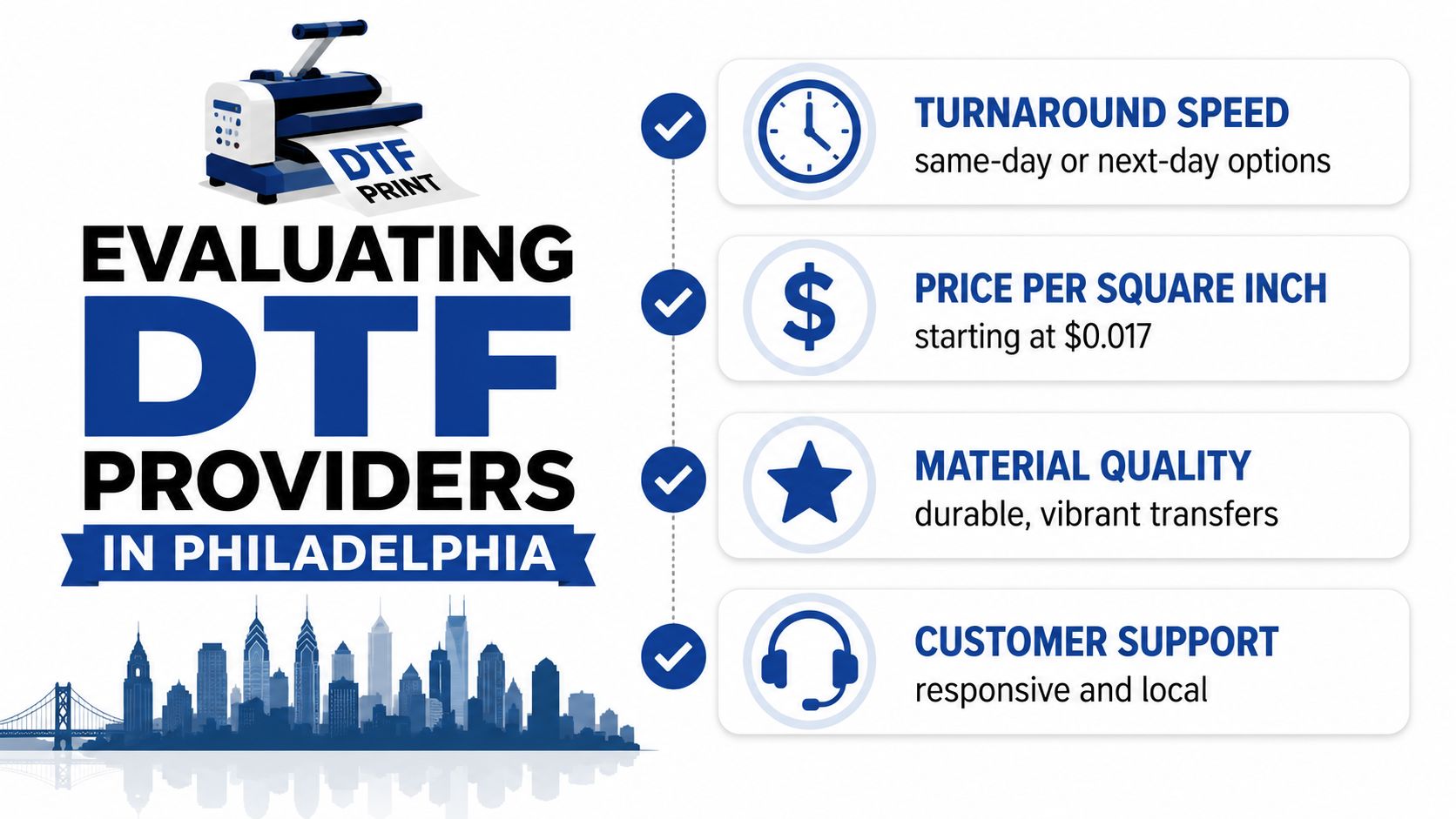
Philadelphia shops live or die on responsiveness. A provider can have nice sample photos and still miss the mark if no one answers a text when a coach needs replacement transfers by tomorrow morning. That's why provider evaluation should focus on operating discipline, not just visuals.
What to ask before you order
The first thing to check is turnaround. Some providers can print within 24 hours, while standard jobs may run 3 to 5 days before shipping or pickup, depending on queue and complexity. That timing difference matters when the order is tied to an event, a team schedule, or a donor deadline.
Next, look at the ordering tools. A good provider should make gang-sheet building easy, especially for customers with multiple logos or repeated placements. If the layout tool is clumsy, you'll lose time before production even starts. For Philadelphia buyers, that translates directly into pressure, because local projects rarely have room for file-chasing and revision loops.
Signs of a reliable shop
- Clear turnaround language: You should know whether the order is same-day, next-day, or standard shipping before you upload files.
- Useful layout tools: Gang sheet builders should be straightforward enough for non-designers to use.
- Local pickup or nearby fulfillment: In a city where parking and delivery timing can be messy, pickup can solve more problems than it creates.
- Responsive support: Call, text, email, and chat each matter when a deadline is close.
- Sample and quality policy: If a provider won't explain color handling or sample options, that's a warning sign.
Watch for vague pricing. If you can't tell how the transfer is priced or what affects the final cost, the provider is asking you to accept risk without giving you control.
For local buyers searching around the city, this neighborhood-focused provider locator reflects a simple truth. The right vendor is the one that can fit Philadelphia's logistics, not just the one with the loudest sales page.
Preparing Your Artwork for DTF Printing
Most bad transfers start as bad files. A logo that looked fine in a browser can print soft, jagged, or muddy if the artwork isn't built correctly. The fix is usually boring, which is good, because boring file prep saves money.
The basics that prevent most errors
300 DPI is the minimum target for print-ready artwork. Lower-resolution art can look acceptable on a screen and still fail once it's pressed onto fabric. PNG with a transparent background is usually the safest file type when you want clean edges and no ugly box around the image.
Color mode matters too. CMYK files often look more accurate in screen preview, while the final print workflow still depends on the provider's color handling and white ink setup. That's why it's smarter to ask for color guidance than to assume a social-media graphic will translate cleanly to a shirt.
Use the sheet, not just the file
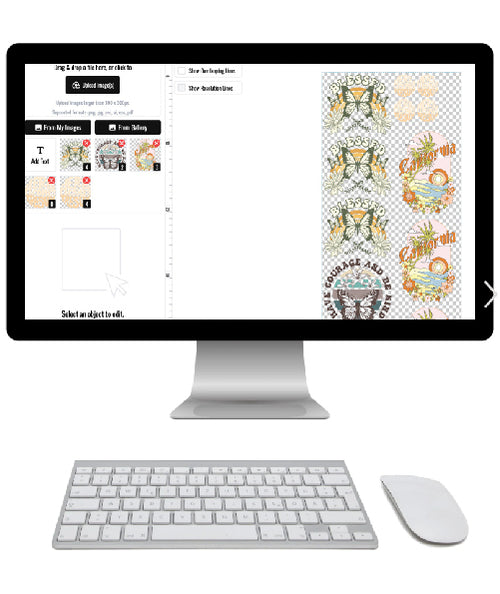
That's where the Auto-build gang sheet builder becomes useful. Instead of uploading each logo separately and wasting film space, you can arrange multiple designs on one sheet for better cost control. It's especially helpful for schools, clinics, local brands, and event teams that need several placements in one run.
A few habits keep the sheet clean:
- Keep artwork away from the edges: Crowding the border invites trimming problems.
- Match sizes to garment use: Chest logos, sleeve marks, and back prints all need different sizing decisions.
- Group similar artwork together: Similar logos or color families can make review easier before production.
- Check transparency carefully: White boxes around artwork usually mean the background wasn't removed properly.
If a design is blurry before printing, it won't magically sharpen under heat. If the file is too small, the problem compounds at press stage. Good prep lets the press operator focus on execution instead of rescuing weak artwork.
The cheapest transfer is the one you don't have to reprint.
Understanding DTF Pricing and Turnaround Times
DTF pricing usually makes the most sense when you look at the job as a whole instead of chasing one number. Per-square-inch pricing, gang-sheet efficiency, rush handling, and shipping all change the final picture. For Philadelphia buyers, local pickup can also shave friction off the process when the order is urgent or the delivery window is awkward.
What drives the cost
A simple logo on a gang sheet costs less in practice than a photo-heavy design that needs more detail and more print time. That's because, as noted earlier, higher fidelity slows production. A complex art file takes more device time than a plain mark, so the shop is spending more capacity on the order.
Rush service changes the equation again. If a team needs transfers immediately, the price often reflects the lost flexibility in the production queue. That's normal, because the shop has to move the job ahead of other work.
What Philadelphia buyers should expect
For local jobs, the decision often comes down to pickup versus shipping. If the order is close and the customer can get across town quickly, local pickup can be the simplest path. If the job is not urgent, shipping may be fine, especially when the files are clean and the quantities are organized.
Use this as a practical checklist before you place the order:
- Confirm the deadline. File upload, approval, print time, and handoff each eat into the clock.
- Count the design variations. More artwork versions usually mean more layout work.
- Choose the right turnaround tier. Same-day, next-day, and standard service are not interchangeable.
- Plan for the press step. The transfer isn't finished until your team applies it.
The useful part of DTF pricing is that it rewards organization. If your artwork is ready and your sheet is well planned, the order moves faster. If the job arrives as a bundle of loose ideas, the timeline stretches and the cost usually follows.
Getting Started with Lion DTF Transfers
Lion DTF Transfers is a practical option for Philadelphia buyers who need ready-to-press transfers without overcomplicating the process. The service includes custom DTF transfers, gang sheets, and design help for customers who need support with file setup or layout. It also offers an Auto-build gang sheet builder for ease of use and cost effectiveness, which matters when you're juggling multiple logos or garment placements.
A few service details are especially relevant in a city like Philadelphia. Orders can ship in 1 to 2 business days, and the shop also offers 24-hour printing, same-day pickup, and next-day air options. For deadline-driven work, those choices give you more control over whether the job moves by courier or by local handoff.
The key is to keep the process clean. Upload print-ready files when you can, use the gang sheet builder when you're combining designs, and ask for help if the art isn't ready yet. Lion DTF also supports customers by call, text, email, and chat, which is useful when a school event, team order, or branded launch is moving fast.
Philadelphia orders tend to reward the provider that can absorb pressure without slowing the whole schedule. That's why a setup built around quick printing, local pickup, and an easy sheet builder tends to work well for this market. If you're comparing options, start with the job details, then match the transfer method and fulfillment path to the deadline.
If you need ready-to-press apparel transfers for a school, event, shop, or brand launch, visit Lion DTF Transfers to upload your artwork, build a gang sheet, or get help preparing the file. Their DTF transfer workflow is built for fast turnaround, local pickup, and clean production on the kind of mixed orders Philadelphia businesses place every day.