



If you're trying to get shirts, hoodies, or tote bags ready for a pop-up, a team event, or a last-minute client drop in New York, you probably don't have time to guess your way through printing. You need transfers that arrive fast, press cleanly, and hold up after they're worn.
That's exactly where Direct-to-Film helps, but the term dtf new york can mean different things. Search results split between Din Tai Fung's New York location, the New York State Department of Taxation and Finance, and Direct-to-Film printing, so the smartest move is to separate those meanings immediately and focus on the apparel transfer side if that's what you need search intent confusion around dtf new york.
Your Guide to DTF Printing in New York
New York doesn't give you much room for slow decisions. If a café in Midtown needs staff tees for a weekend launch, or a streetwear brand in Brooklyn is trying to get a limited drop out before the next event, the print method has to fit the pace of the city. DTF transfers do that because they let you move from artwork to finished apparel without the setup burden that slows down older methods.
The phrase dtf new york is also easy to misread. People land on the restaurant, the tax department, or apparel printing, and that split is exactly why strong local content has to answer the intent fast search intent confusion around dtf new york.
For apparel buyers, the value is simple. You can order transfers, press them onto the garments you already have, and keep the workflow flexible when deadlines tighten. That matters in New York because events change, head counts change, and merch orders rarely stay static for long.
Practical rule: If your job needs speed, color, and flexibility, DTF is usually easier to manage than a process that needs heavy setup before you can print even one design.
What Are DTF Transfers and Why Are They a Game-Changer
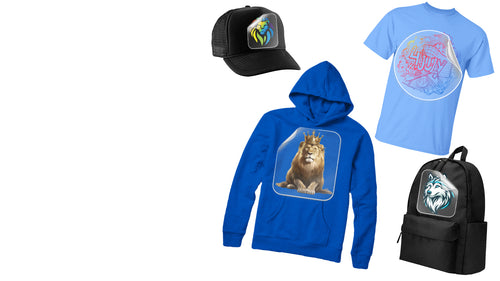
Think of a DTF transfer as a fabric-ready graphic that behaves a lot like a super-durable sticker for clothing. The design is printed onto film, adhesive is added, then the transfer is cured so it can be pressed onto a garment with heat. That straightforward workflow is why so many shops like it for small runs, mixed sizes, and fast turnaround jobs.

Why New York buyers care
New York orders tend to be practical before they're ambitious. A restaurant wants branded aprons, a school wants durable team shirts, and a promoter wants event merch that doesn't look washed out under indoor lights. DTF handles all of that because it's built for full-color artwork and a wide mix of garment types.
The other advantage is that you're not locked into a narrow fabric choice. Cotton, polyester, and blends all become easier to work with when the transfer is doing the heavy lifting instead of a complicated print setup. For clients who need one design on many garment types, that's a major operational win.
What works and what doesn't
DTF shines when you need vibrant art, fast production, and flexibility. It's not the best fit if you want to hand-build every shirt one by one with a home iron, because that's where quality drops and consistency gets shaky.
A solid order also depends on print detail. For basic logos, 300 DPI can be enough. That matters if your brand uses fine lettering, layered art, or subtle color fades.
How to Prepare and Order Your Transfers for Perfect Prints
The cleanest DTF orders start with clean files. Use a transparent background, save the artwork as PNG, and make sure the file is sharp enough to hold up once it's pressed. If the art is soft, pixelated, or built on a white box, the final transfer usually looks amateur no matter how good the print equipment is.

File prep that saves time
If you're designing for shirts, keep the artwork sized for the intended garment. A chest print for a tee, a larger center design for a hoodie, and a smaller mark for a tote all need different thinking. The goal is to avoid guessing after the transfer arrives.
The resolution question matters too. 300 DPI is acceptable. If your design includes small text, hairline outlines, or a multi-tone illustration, don't force a low-resolution file into production.
Why gang sheets lower your cost per piece
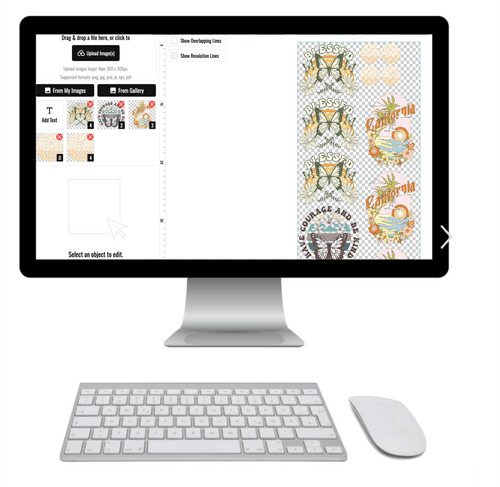
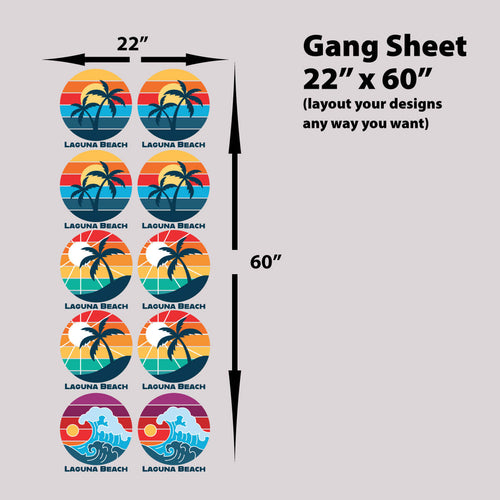
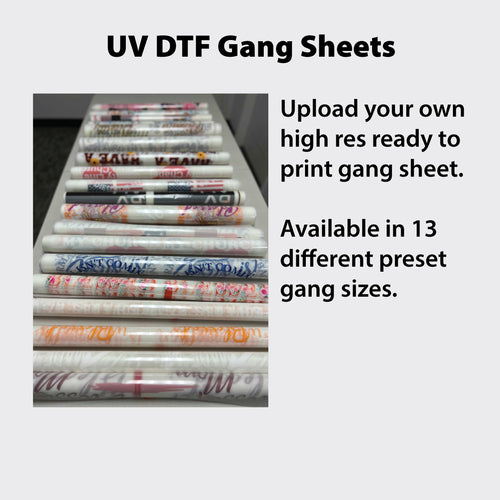
A gang sheet lets you place multiple designs on one transfer sheet instead of ordering them separately. That's useful for New York businesses that need a mix of sizes, names, logos, or product variations without wasting material. The more you fill the sheet intelligently, the better your cost efficiency usually gets.
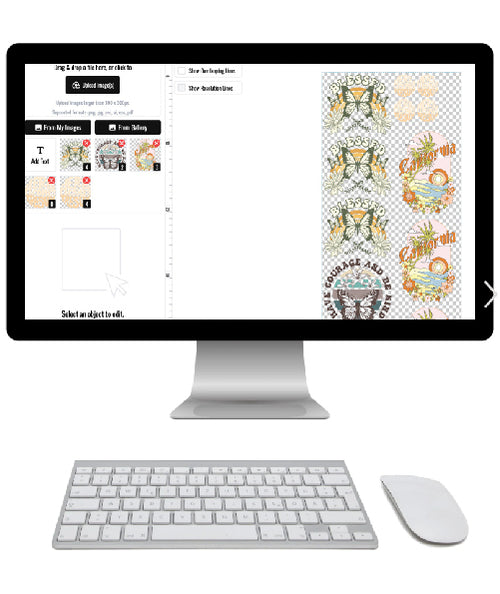
That's where our Auto-build gang sheet builder becomes the easiest path. It helps you pack artwork tightly, avoid dead space, and get more usable transfers out of one sheet. For teams that need a fast ordering process, it removes a lot of the manual layout work that slows orders down.
Best practice: Group all the graphics you'll actually press in the same run. A well-built gang sheet usually saves more money than placing a series of separate small orders.
If you want a practical walkthrough for file setup, this custom DTF ordering guide is a useful reference point before you upload your artwork.
Turnaround Times Shipping and Pickup Options in NYC
In New York, speed is part of the product. If you're launching a pop-up, replacing damaged merch, or outfitting a team before the weekend, a slow production window can kill the whole plan. That's why local buyers pay attention to production speed, shipping choice, and pickup availability before they ever upload a file.
For urgent work, a 24-hour rush printing option makes sense when the calendar is tight. Standard 1 to 2 business day production is the better fit for planned jobs where you still want speed without paying for emergency handling. Orders that need to land across the boroughs can also move by Next Day Air, which is the kind of backup New York operators appreciate when a deadline won't budge.
Pressing Instructions and Garment Care
A good transfer can still fail if the press settings are off. Use the right temperature, pressure, and timing, then the print bonds smoothly and wears better. If you're pressing in a shop or on a home unit, consistency matters more than squeezing the job a little harder.
The working window for DTF apparel production is 240 to 280°F for 7 to 10 seconds at medium to firm pressure, followed by a short 5-second post-press with Teflon or parchment DTF Printing NY pressing guidance. That combination is designed to improve bonding and surface smoothness, which helps the print resist cracking and fading during wear and washing.

Simple care keeps the print looking sharp
Once the garment is pressed, keep the wash routine gentle. Cold water, inside-out washing, and low tumble drying are the safest habits for preserving the look of the print over time. That's especially important for premium merch, where the garment itself may be cheaper to replace than the brand image.
If you want a more detailed setup reference for pressing, this heat press settings guide for DTF is worth checking before you start a batch.
What usually goes wrong
Most bad presses come from rushed prep, not bad artwork. Too little pressure, uneven heat, or skipping the post-press can leave the transfer looking unfinished. If you're running multiple garments, test one piece first and confirm the feel before you press the full order.
Popular DTF Use Cases for New York Brands
DTF fits New York because New York businesses rarely order the same thing twice. A fashion label in SoHo might need a short run for a seasonal drop, while a café in the West Village needs branded staff aprons that can handle daily wear. The same printing method works across both jobs, which is why it's become such a practical option.

Real New York applications
A Bronx school team usually needs something durable, not flashy, and DTF is well suited for jerseys and spirit wear that get worn often. A Midtown agency may need event gear for a conference or activation, where the logo has to look clean on every shirt in the stack. A café or food truck can use the same process for aprons, staff tees, and customer merch without changing its whole production workflow.
Practical insight: The best DTF orders in New York usually mix function with branding. If the garment gets worn often, the transfer has to survive the routine, not just look good on day one.
This is also where a shop's flexibility matters. Some businesses need a single logo. Others need names, numbers, or multiple product variations in one run. DTF handles that range without forcing you into a long setup cycle.
New York DTF Frequently Asked Questions
How quickly can I get an order in Manhattan?
If the files are ready and the order is placed early enough, local pickup is the fastest path. For shipped jobs, Next Day Air is the safest choice when you need the transfers to arrive without stretching the schedule.
Is a home iron good enough to apply DTF transfers?
It can work in some cases, but it's not the ideal tool for consistent results. A heat press gives you even pressure and stable heat, which is what the transfer needs to bond properly.
What if I need help setting up my gang sheet?
Use the Auto-build gang sheet builder if you want the fastest layout option. If you'd rather hand it off, a We Build a Gang Sheet for You service is a practical alternative when your order is complex or time-sensitive.
What's the difference between apparel transfers and UV DTF stickers?
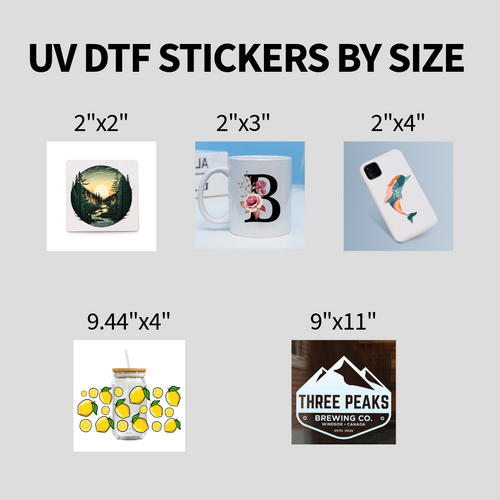
Apparel transfers are made for garments and pressed with heat. UV DTF stickers are made for hard surfaces, so they belong on products like bottles, cups, and packaging, not shirts.
If you need fast, clean, and cost-conscious custom transfers for a New York job, start with a print-ready file, use the Auto-build gang sheet builder, and choose the turnaround path that matches your deadline. Place your order with Lion DTF Transfers and get your next apparel run moving without the usual back-and-forth.