


You've got a deadline. The shirts aren't printed, the event date isn't moving, and your options in Nashville start shrinking fast once you need full color, clean detail, and a turnaround that doesn't eat the whole week.
That's why so many local shops, bands, boutiques, and event teams have shifted to DTF. It solves the problem that keeps coming up in this city: short runs, fast changes, mixed garment types, and artwork that can't be flattened into a basic one-color print. In Nashville, that matters more than people think. Merch often gets approved late, roster counts change, sponsors get added, and somebody always wants one more hoodie color.
Your Fast Track to Custom Apparel in Nashville
A band gets added to a Lower Broadway lineup late in the week. A boutique realizes the tourist rush is stronger than expected and needs a fresh run of Nashville-themed crewnecks. A fitness studio wants branded performance tees before a weekend pop-up. Those jobs don't fit neatly into older production models.
Traditional screen printing still has a place, but it's slower to set up when artwork changes often or order counts stay low. Embroidery works for certain looks, but not when you need photo-quality color or soft, large-format graphics. DTF fills the gap. It lets shops move quickly from approved art to press-ready transfers without building a full production run around one design.
The reason this shift is happening at scale is simple. DTF printing grew from a $782.1 million market in 2023 to a projected $2.1 billion global industry by 2026, a 169% increase in three years, according to this DTF printing market summary. That kind of growth doesn't happen because a method is trendy. It happens because shops keep finding that it works.
Where DTF fits in Nashville
Nashville jobs tend to punish slow processes. Event merch changes. Small brands need test runs before they commit to volume. School groups, church events, bachelor and bachelorette trips, neighborhood markets, and local creators all need speed more often than they need complicated print setups.
Practical rule: If the art is full color, the order is short-run, or the garment mix includes cotton and performance wear, DTF is usually the first method worth pricing.
For people searching for a local path to fast custom apparel, custom DTF transfers near me is often the practical route, especially when you already have blanks or a press workflow and just need dependable transfers fast.
What works better than waiting on a full print run
The fastest jobs usually share a few traits:
- Late-approved artwork: Sponsors, dates, and names change right before production.
- Mixed garment orders: Tees, hoodies, jerseys, and tote bags all in one batch.
- Small but important runs: Staff shirts, launch merch, or event gear where timing matters more than volume.
- Need for high detail: Gradients, multicolor logos, fine lines, and photo-style graphics.
That's the lane where DTF Nashville jobs live every day.
What Exactly Are DTF Transfers
DTF transfer means Direct-to-Film. The easiest way to think about it is this: it's a professional, high-tech temporary tattoo for fabric, except it's made to stay on the garment through regular wear and washing when it's pressed correctly.

How the transfer is built
The design is printed in reverse onto a clear film. While the ink is still in the right stage, adhesive powder is applied to the printed area. That powder is what lets the design bond to the garment under heat and pressure.
Three parts matter most:
- PET film: This is the carrier sheet that holds the printed design in place until pressing.
- Water-based inks: These create the color and detail. They're what let you reproduce gradients, edges, and dense artwork cleanly.
- Adhesive powder: This is the bonding layer. If this part is poor quality or not cured properly, the print won't hold up.
What happens at press time
Once the transfer is ready, you place it on the garment and heat press it. The adhesive activates, the design bonds to the fabric, and then the film peels away. What stays behind is the print itself.
That's why DTF is different from vinyl. You're not cutting shapes out of material and layering them. You're applying a fully printed image with much finer detail and a softer result on many garments.
A good DTF transfer should look clean at the edges, stay flexible after pressing, and not feel like a stiff patch sitting on top of the shirt.
Why beginners usually pick it up fast
For a Nashville maker, print shop, or brand owner, the appeal is that the process is easy to understand without becoming a production engineer. You don't need to learn screen setup, ink separation, or the limitations that come with basic vinyl workflows.
The basic sequence is straightforward:
- Start with artwork that's ready to print.
- Print to film with the design reversed.
- Apply adhesive powder and cure it correctly.
- Press onto the garment with the right temperature, pressure, and timing.
- Peel and finish according to the transfer type.
That simplicity is a big reason DTF has become so common for fast-moving apparel work.
Why Choose DTF for Your Nashville Project
A Nashville order often changes right up to press time. A Friday merch table needs extra mediums. A real estate team adds two new agents before an open house. An event planner swaps shirt brands because the original stock ran out. DTF fits that kind of work because it handles mixed garments, full-color art, and short runs without forcing a full production reset.
That matters here more than in a lot of cities.
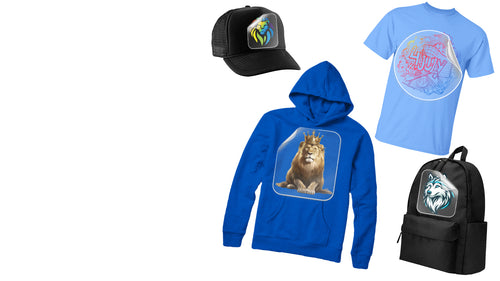
Nashville buyers rarely order one plain shirt style and call it done. They need cotton tees for promo staff, lightweight performance shirts for outdoor crews, hoodies for cool nights, and tote bags or extras for sponsor kits. DTF gives shops a practical way to keep the graphic consistent across those items while keeping turnaround under control.
Why it fits Nashville jobs
Speed is the first reason. Local apparel work is tied to concerts, festivals, launches, school events, pop-ups, and weekend activations. Those jobs often come in late, change after approval, or need a small second run once the first batch sells through. DTF keeps those reorders manageable because the artwork can be reused without rebuilding a screen setup for every revision.
Climate is the second reason. Nashville heat and humidity are hard on cheap prints. If the transfer, adhesive, and pressing are done right, DTF holds up well for shirts worn outdoors at summer events, job sites, and street promotions. The weak point is not the method itself. The weak point is poor film, poor powder, or sloppy pressing. That is why production discipline matters more than marketing claims.
DTF also gives local businesses a cost advantage on jobs that would be awkward in other methods. A real estate office can order a modest batch of branded apparel for a new team without paying for a setup-heavy process. A venue can test one merch design before committing to a larger run. A restaurant group can keep staff shirts consistent even if locations order at different times.
DTF vs Screen Printing vs DTG for Nashville Needs
| Feature | DTF Transfers | Screen Printing | DTG (Direct-to-Garment) |
|---|---|---|---|
| Best use case | Mixed garments, short runs, detailed art | Larger runs with simple graphics | Cotton-focused orders with DTG-ready artwork and workflow |
| Artwork changes | Easy to update between runs | More disruptive once screens are built | Usually manageable, depending on file prep and garment choice |
| Fabric range | Strong across many common apparel types | Varies by garment, ink, and job setup | Narrower in practice |
| Rush-order practicality | Strong for event work and reorders | Better when the order is stable | Can slow down with pretreat and garment handling |
| Cost efficiency | Strong on small and mid-size orders | Strong on volume | Depends heavily on garment and shop setup |
| Feel on the shirt | Good when pressed correctly | Excellent on the right job | Often very soft on suitable cotton |
Where DTF wins, and where it does not
DTF is a strong fit when the art is detailed, the order is not huge, and the garments are mixed. That describes a lot of Nashville work.
Screen printing still wins on long runs of simple designs. If a company needs hundreds of one-color tees for a stable order, screen printing often gives a lower unit cost and a great finish. DTG still has a place too, especially for certain cotton garments where a direct print feel is the priority.
For Nashville projects, the practical question is simple. How many pieces, what fabrics, how complex is the art, and how fast do you need it? If the answer includes tight timing, multiple garment types, and graphics that need to look the same across all of them, DTF is usually the cleanest option.
Real-World DTF Use Cases in Music City
DTF shows up all over Nashville, usually in the jobs that don't leave much room for delay. A new artist needs merch before a weekend set. A bridal group wants matching shirts that don't look generic. A school booster club needs a fast reorder after sizes sell out. These aren't unusual jobs here. They're normal.

Where local demand shows up fastest
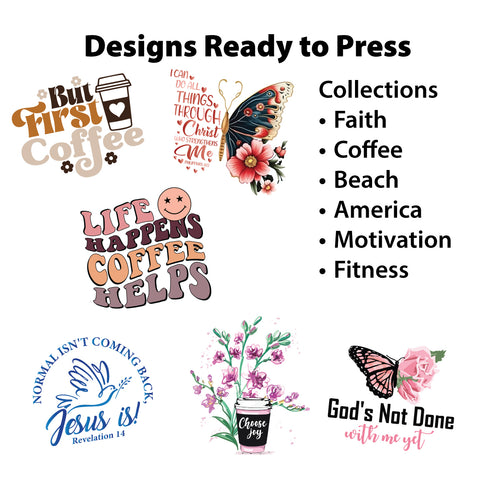
Band merch is the obvious example, but it's far from the only one. Boutiques use DTF for limited drops because they can test designs without overcommitting. Fitness brands use it for bold graphics on performance wear. Event planners use it for welcome bags, staff apparel, and sponsor-branded pieces that have to be turned fast.
A few common Music City applications:
- Lower Broadway and touring merch: Full-color graphics, back prints, and quick reruns.
- Bachelorette and group apparel: Personalized names, themed artwork, and mixed garment styles.
- School and rec sports: Team gear, fan shirts, and player-specific add-ons.
- Corporate activations and festivals: Branded staff apparel and event-specific graphics.
The real estate opportunity most shops overlook
One local angle deserves more attention. Nashville is a market to watch, with over 50,000 new apartment deliveries expected, creating an underserved demand for rapid-turn custom apparel for property teams, resident events, and local branding, based on PwC's emerging market real estate outlook.
That opens a practical lane for DTF work:
- Leasing team polos and event tees
- Resident welcome apparel
- Seasonal move-in event shirts
- Amenity launch merch for new multifamily communities
- Vendor and maintenance team branding
Property managers and event teams rarely need huge runs first. They need clean branding, flexible quantities, and the ability to reorder fast when occupancy events hit.
Why these jobs fit DTF so well
Most of these buyers don't want a long consultation about print methods. They want a clear path from artwork to finished apparel. DTF works because it supports that kind of decision-making. The design can stay detailed, the run can stay small, and the garment mix doesn't force a restart.
That's what makes DTF Nashville work practical rather than theoretical. It fits the way local orders come in.
How to Prepare Your Art and Order Transfers
The easiest DTF job is the one that starts with clean art. Most production delays don't come from the transfer itself. They come from blurry files, missing transparency, bad scaling, or layouts that waste space.

Start with print-ready artwork
Keep the art simple on the technical side, even if the design is visually complex. The file should be sharp at final size, not stretched up from a tiny web graphic.
Here's the cleanest prep checklist for most orders:
- Use high-resolution files: If the artwork looks fuzzy on your screen at print size, it'll print fuzzy.
- Keep the background transparent: A solid box around the art usually means the export was done wrong.
- Send the right file type: PNG works for many ready-to-print designs. AI is useful when editable vector art is available.
- Size it intentionally: Don't upload one file and hope the printer guesses whether it belongs on a left chest or a full back.
Build gang sheets to control cost
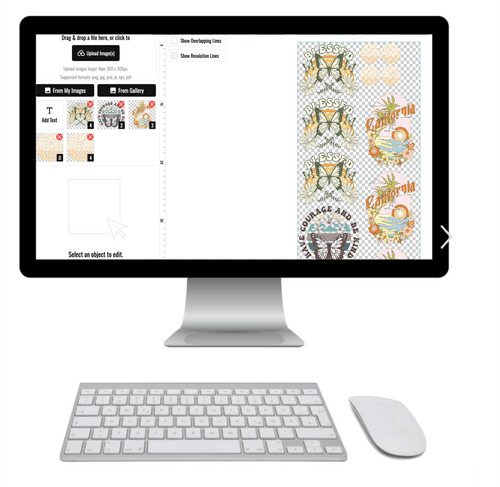
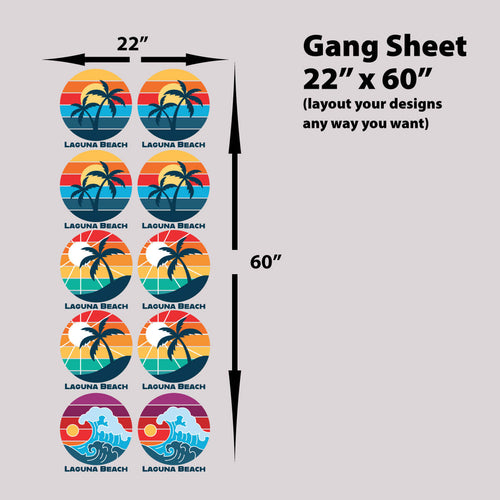
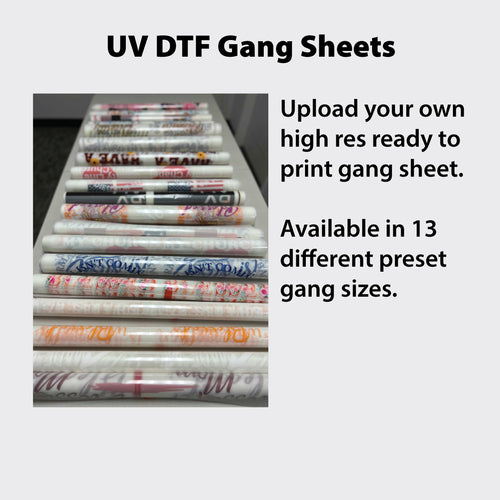
Gang sheets are where many buyers either save money or waste it. A gang sheet puts multiple designs on one sheet of film so you can print several logos, names, or graphics together. That matters when you're producing multiple placements or batching work for several customers.
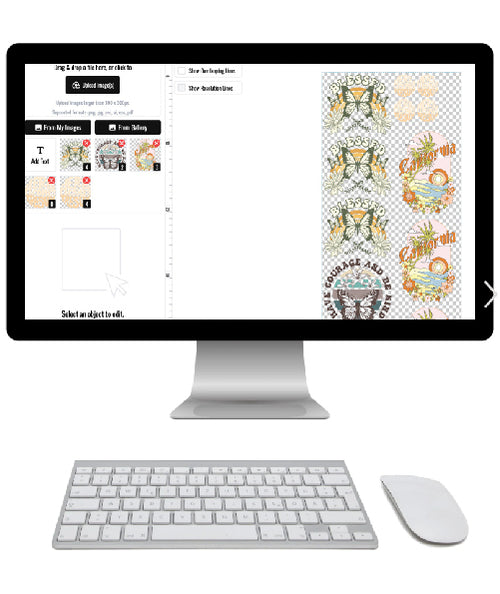
The easiest route is to use an automatic layout tool instead of dragging every design around by hand. Lion DTF's Auto-build gang sheet builder automates the arrangement of multiple designs on a single print layout to maximize space utilization and reduce wasted material, as shown in this overview of the Auto-build gang sheet builder.
That's the right tool for jobs with mixed logos, neck tags, sleeve hits, left chest placements, and full-back designs. If you manually nest everything, you can get there, but it takes longer and usually leaves dead space.
Shop-floor note: The sheet doesn't get cheaper because the art is small. It gets cheaper when the layout uses the available space well.
For designers who want examples of usable file setups and transfer-ready layouts, custom heat transfer designs is a practical starting point.
A simple order flow that prevents mistakes
A reliable ordering process usually looks like this:
- Finalize the artwork first. Don't upload a file that still needs text edits.
- Group designs by purpose. Put left chest logos together, back prints together, and size variants together when possible.
- Choose sheet dimensions based on actual need. Don't oversize the sheet just in case.
- Let the Auto-build gang sheet builder do the first layout pass. Then check spacing and orientation before submitting.
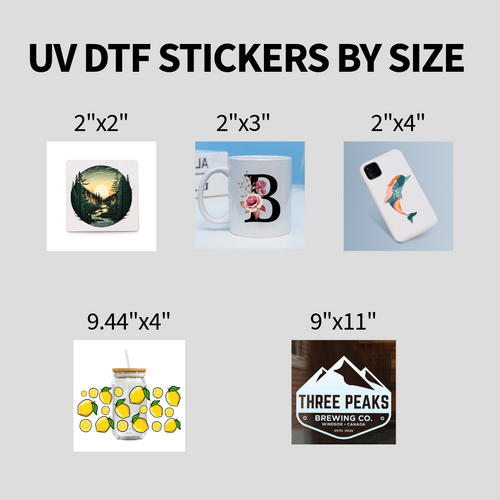
- Match transfer size to garment placement. Adult back print, youth front print, and sleeve hit should not all use one default scale.
A quick walkthrough helps if you haven't built a sheet before:
What speeds up fulfillment
Rush jobs get delayed by preventable issues. The usual culprits are low-quality uploads, inconsistent dimensions, and unapproved revisions arriving after submission.
To keep orders moving:
- Approve artwork before upload: Don't use the printer as your proofing stage.
- Name files clearly: “Final-final-2” is how mistakes happen.
- Batch related pieces together: It's easier to verify one organized sheet than several scattered uploads.
- Confirm how you'll receive the order: Pickup, shipped transfers, or a production handoff should be decided early.
The fastest DTF Nashville orders usually come from people who treat file prep as part of production, not as an afterthought.
Pricing Turnaround and Wash Durability
A Broadway promo team ordering shirts at 9 a.m. for a weekend pop-up usually cares about three things. Price, turnaround, and whether the print will survive heat, sweat, and repeat washes. In Nashville, those three are tied together.
What drives price
DTF pricing starts with film usage. A clean gang sheet with tightly planned placements costs less than a sheet full of oversized graphics and empty space. Order structure matters too. One repeated logo is faster to process than a sheet packed with mixed sizes, names, and last-minute swaps.
For local event work, campaign merch, and real estate team apparel, the cheapest option is not always the smartest one. Saving a little on setup can backfire if you need reprints, if the art was sized poorly, or if the transfer choice slows down production on press day. The practical goal is efficient layout, clear counts, and artwork that is ready to print.
What turnaround really means in Nashville
Turnaround is about production readiness, not just the clock.
A same-day or next-day DTF order can work well for concert merch, neighborhood festivals, realtor open-house teams, and short-run staff shirts. It only works if the file is approved, the sizes are confirmed, and the order enters the queue without questions. Jobs slow down when customers send revised art after submission or wait to approve counts until the press window is already gone.
Nashville also has a rhythm to rush ordering. Event work stacks up before weekends. Convention dates, school functions, and tourism-driven promos can compress lead times fast. If the deadline is tight, build extra time for pickup coordination or local delivery instead of treating print completion as the finish line.
How to get better wash life on Nashville garments
Humidity changes the job. Shirts can hold moisture in storage, especially performance wear and blended fabrics, and that affects adhesion. Cotton usually presses with fewer surprises. Polyester blends, athletic shirts, and lightweight event apparel need more disciplined press settings and more consistency from piece to piece.
For performance garments, follow performance-fabric DTF pressing guidance from DTF Sheet and stay within the recommended temperature, time, and pressure range. A second press often improves the final bond and finish, especially on garments that will be worn outdoors or washed hard after events.
For a closer look at expected wear life, care, and what affects longevity, review how long DTF transfers last on finished apparel before you commit to a large run.
Judge durability after wash, stretch, and wear. A clean peel alone does not confirm a reliable press.
What usually causes wash failure
Wash issues usually come from production misses, not from the transfer itself. The common problems are:
- Pressing a garment that still holds moisture
- Using too little pressure
- Cutting dwell time short on rush jobs
- Skipping the second press on fabrics that need it
- Using one press recipe for every shirt style
If the edges lift, the print feels under-bonded, or the graphic sits stiffly on top of the fabric, check the press settings and the garment type first. In Nashville summer conditions, that step saves a lot of wasted blanks.
Troubleshooting and Getting Expert Support
Most DTF problems aren't mysterious. They're usually traceable to art prep, layout mistakes, or press settings that drifted off target. If a print looks soft, the file may be low resolution. If the transfer doesn't bond, pressure or temperature is often the issue. If the design feels awkward on the shirt, the artwork was probably sized without thinking about final placement.
Common issues you can catch early
A few checkpoints save a lot of wasted garments:
- Blurry print edges: Check the original art file, not just the preview.
- Unexpected background box: Export with transparency.
- Poor adhesion: Recheck temperature, pressure, and garment moisture.
- Crooked placement: Use alignment guides and test one piece first.
- Wasted sheet space: Let the Auto-build gang sheet builder handle the layout instead of packing by guesswork.
When support matters most
The difference between a stressful job and a smooth one usually comes down to how quickly you can get a clear answer. That includes questions about vectorizing artwork, correcting file problems, choosing the right sheet format, or getting pressing instructions for unusual garments.
If you're running a print shop, launching merch, or trying to get a Nashville event order out the door, responsive support matters more than broad promises. Call, text, email, and website chat all have their place. The key is reaching someone who can identify the actual issue fast and keep the order moving.
Good DTF service isn't just about printing film. It's about helping customers avoid preventable production mistakes before they cost time and blanks.
If you need a practical path for DTF Nashville orders, Lion DTF Transfers is one option for ordering transfers, building gang sheets, and getting help with artwork, pressing questions, pickup, or rush production planning.