



A Charlotte merch drop never stays small for long. One school wants hoodies in a hurry, a brewery needs staff tees for a weekend event, and a print shop is trying to turn three logos into twenty garments without setting up screens or wasting time on weeded vinyl. That's where DTF Charlotte becomes the practical route, because it fits the order mix local buyers deal with, fast, colorful, and often too varied for traditional production to stay efficient.
Charlotte's own growth makes that feel even more current. The city's history runs deep, from its founding in 1768 and its Queen City identity to the gold discovery tied to Conrad Reed in 1799, and today it's a major market with a population of 876,694 in the 2020 census and an estimate of 911,311 in 2023. The scale matters because more events, more teams, more businesses, and more branded apparel all push buyers toward a transfer process that can keep up. Charlotte history and population context
Why Charlotte Creators Are Switching to DTF
A lot of Charlotte buyers reach the same breaking point. They've got full-color art, a short deadline, and no appetite for setup-heavy methods that punish small runs. DTF solves that by letting a creator move from file to finished garment without screen charges, vinyl weeding, or the awkward math of trying to make one design fit a tiny order.
The kind of order DTF handles well
A local apparel brand can launch a small merch test without committing to a big inventory buy. A school booster club can print a roster mix, with names, colors, and sizes all changing from one shirt to the next. A neighborhood event organizer can move from concept to boxed shirts without waiting for a large production slot.
That flexibility matters in Charlotte because the city's service area and public footprint are large. The Charlotte Fire Department, for example, says it operates out of 45 firehouses and serves approximately 940,000 people across a 320-square-mile area. That's the kind of scale that keeps branded apparel, outreach gear, and event merchandise in constant motion, and it rewards a process that doesn't punish mixed orders. Charlotte Fire Department service area
Practical rule: if the order includes multiple designs, multiple sizes, or a deadline that can't slip, DTF is usually easier to manage than methods built around heavy setup.
Why fast shipping matters here
Charlotte buyers don't just want a transfer method, they want a local ordering path that fits how they work. Some want to order online, ship the same day, and press next day. Others want 1-2 day shipping because the art is ready but the shop is working across locations or filling a mixed cart for several clients.
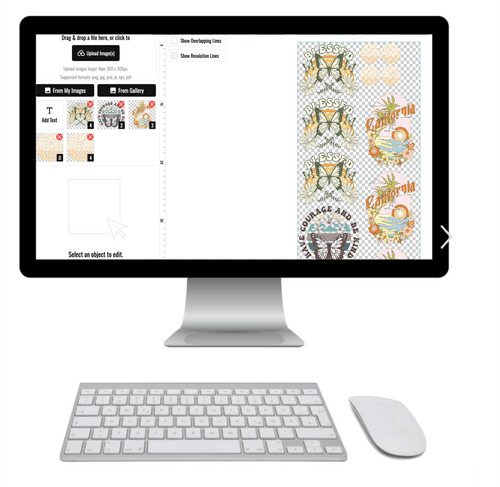
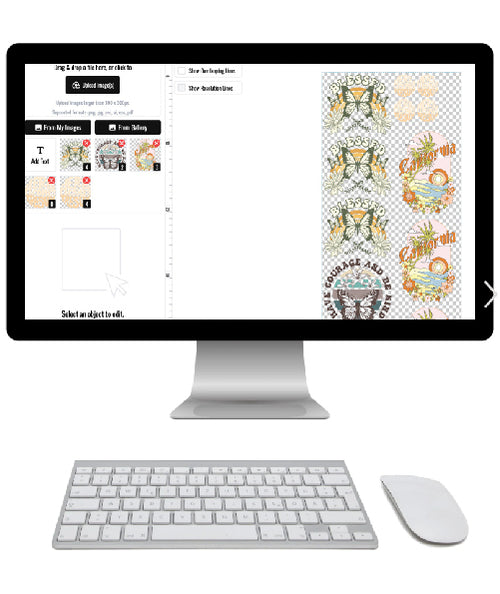
That's why our Auto-build gang sheet builder for ease of use and cost effectiveness belongs in the conversation from the start. It helps turn scattered artwork into a layout that's ready to print, which is especially useful when a buyer is trying to keep cost down on small batches or multi-design runs. For Charlotte creators, the advantage is not just speed, it's speed without making the order process messy.
What DTF Transfers Actually Are
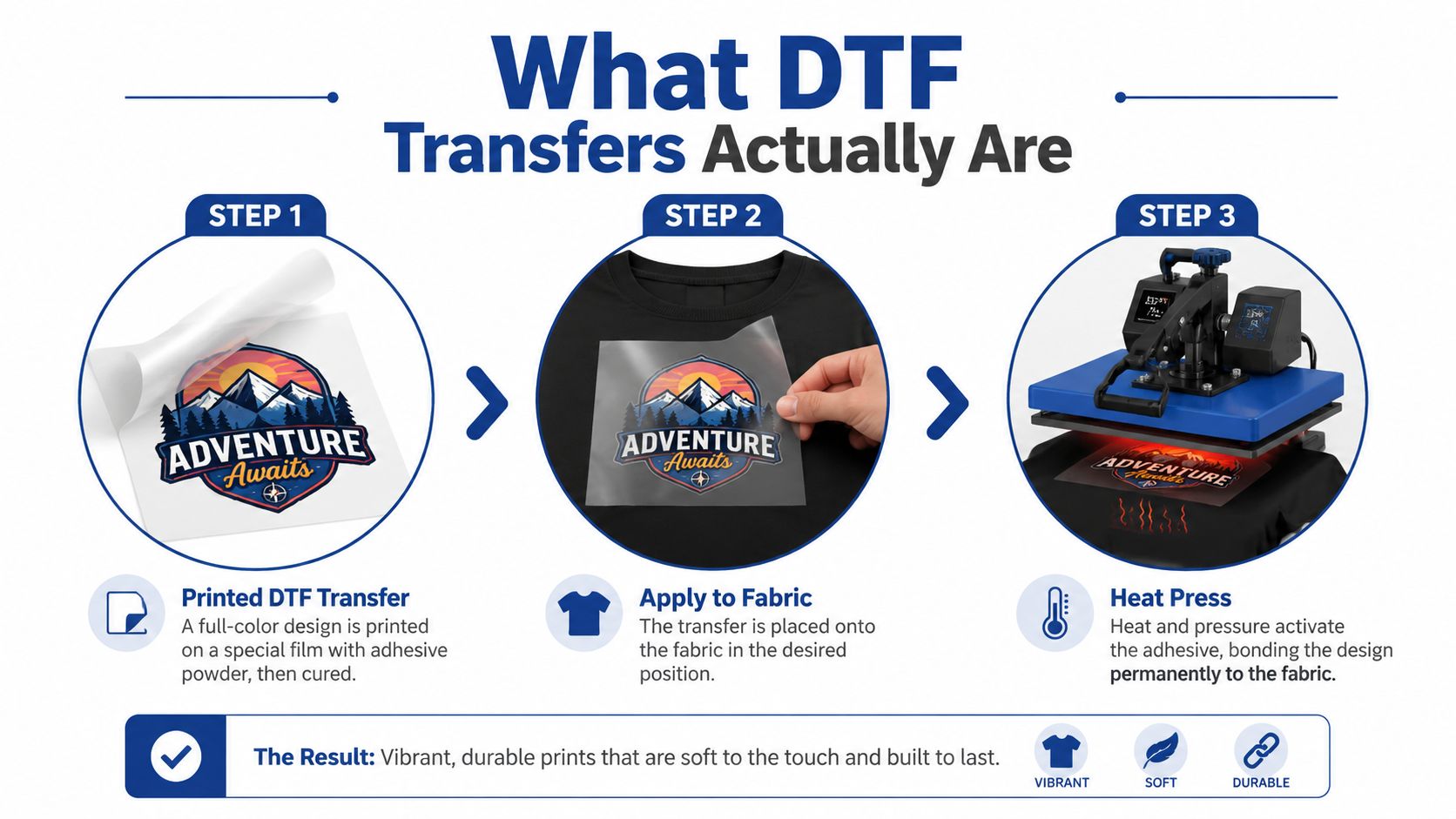
DTF stands for Direct-to-Film, and the easiest way to understand it is to compare it to a full-color sticker that's made to bond to fabric under heat and pressure. The print goes onto a special film, adhesive powder is applied, and the finished transfer is pressed onto the garment so the image moves from film to cloth. That workflow is what gives DTF its value for Charlotte buyers who need detail, color, and flexibility without a long setup cycle.
The four parts of the process
The first part is the artwork on PET film, where the printer lays down the image in the right order for transfer. The second part is the adhesive powder, which is what lets the print bond when heat activates it. The third part is the hot peel, which removes the film cleanly after pressing. The fourth part is the heat press itself, which applies the temperature and pressure needed to lock the design onto the garment.
That sequence is different from screen printing, which is built around separate screens for each color, and different from HTV, which often needs more cutting and weeding. For a Charlotte shop handling logos, event merch, or one-off names, DTF avoids a lot of the prep work that slows production.
What fabrics it works on
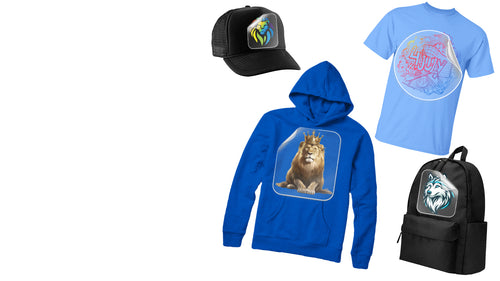
DTF Charlotte transfers are described for cotton, polyester, blends, and leather, and they're also stated as requiring no weeding or pretreatment. That matters because the buyer isn't forced to split the order into different decoration methods just because the garments vary. One order can cover tees, blends, and specialty pieces without changing the basic transfer workflow. DTF Charlotte product details
Pricing, Gang Sheets, and the Auto-Build Advantage
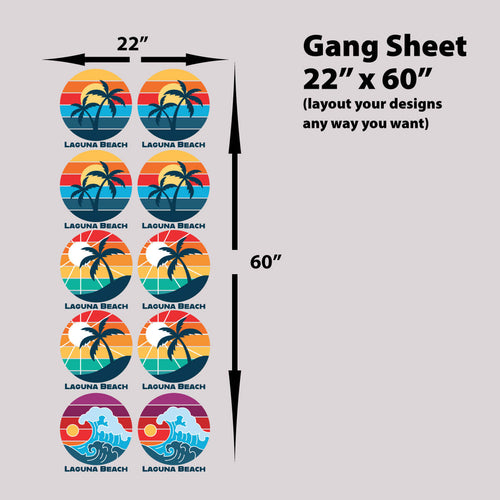
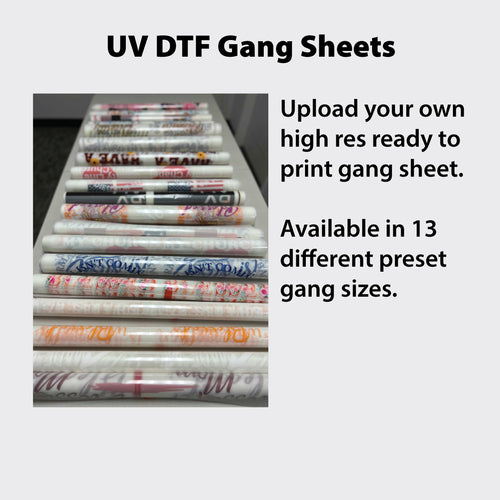
DTF pricing makes the most sense when you stop thinking in terms of one shirt and start thinking in terms of sheet efficiency. The buyer is paying for printable area, so packing more usable art onto one sheet usually lowers the cost per design. That's why gang sheets matter, and why an Auto-Build gang sheet builder is more than a convenience, it's a cost-control tool for Charlotte orders that include several logos, names, or graphics.
Why gang sheets change the math
A gang sheet lets you combine multiple transfers on one print area instead of buying each image separately. That's useful for a shop batching client work, but it's just as useful for a small business that needs a logo for the chest, a back print, and a sleeve mark on different garments. The layout work is where a lot of buyers lose time, especially when they're juggling PNGs from different people.
That's where the automation pays off. If the builder can organize the art quickly, you're spending less time dragging boxes around and more time making sure the order is right. For buyers comparing options, the new Auto Builder feature is changing DTF gang sheet creation because it removes a lot of the manual packing that usually slows production down.
What drives cost in real orders
The main drivers are sheet size, artwork density, and how much dead space gets left behind. A tidy gang sheet with multiple logos usually beats a loose file set that forces the printer to waste room. A single shirt order can still make sense, and a bigger merch drop can make even more sense if the art is organized before checkout.
Practical rule: if the art is already split into separate files, build the gang sheet before you submit the order. That one step often decides whether the job feels easy or chaotic.
This is also where no-minimum ordering helps. A Charlotte buyer can run one hoodie, one team jersey, or a full mixed batch without changing vendors. If you're trying to keep a merch launch lean, that flexibility matters as much as the print quality.
How to Order DTF in Charlotte Step by Step
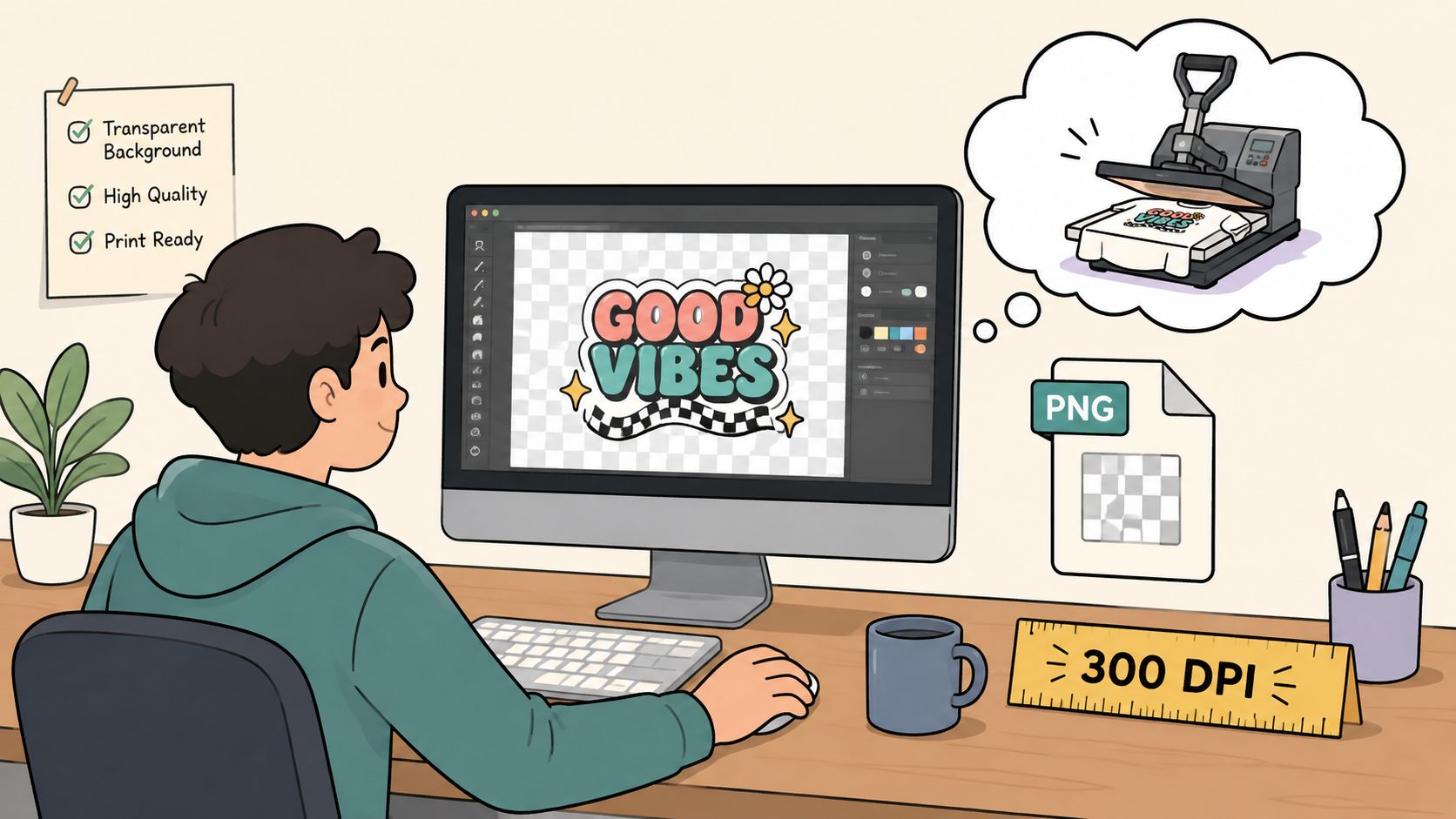
The cleanest orders usually start before the website opens. Good DTF files are built at 300 DPI at final print size for logos, text, and photo detail, because under-resolution art shows rough edges and soft type once it's printed and pressed. If the file is blurry on a laptop, it won't magically sharpen on film.
Start with the file, not the checkout cart
Use a transparent PNG when possible, and make sure the design is sized for the garment it's going on. If the art includes tiny type, thin outlines, or complicated gradients, it needs to be checked before upload, not after. The production problem is rarely the press, it's the file that arrived too small or too crowded.
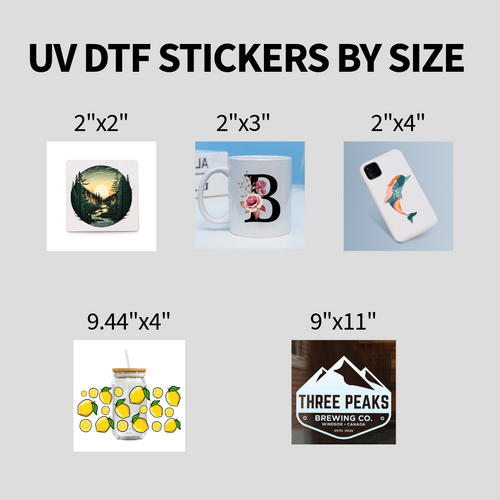
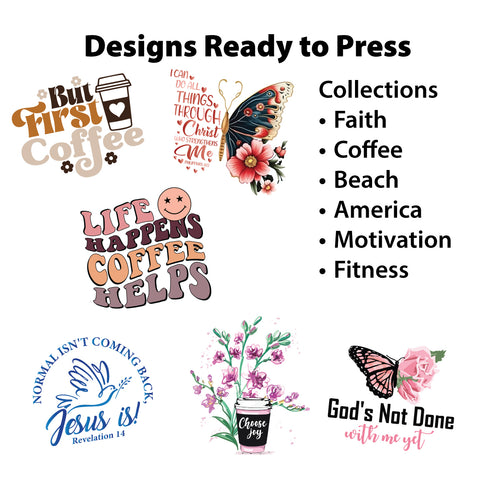
Once the file is ready, choose the path that matches the order. A buyer can use our Auto-build gang sheet builder for ease of use and cost effectiveness, submit a transfer by size, or pick from ready-to-press collections when the art direction is already set. That choice matters because it determines how much layout work happens before printing and how fast the order can move.
Choose pickup, shipping, or rush options
Charlotte ordering works best when local convenience is built into the process. Some buyers want same-day shipping. Others want shipping, and if the deadline is tight, next-day air is the safer lane than hoping ground transit cooperates.
A Charlotte buyer should also confirm the order details before paying. That includes garment type, transfer placement, size, and whether the art is ready to print. If those four things are clear, the order usually moves faster and with fewer back-and-forth messages.
How to order custom DTF transfers
Who Uses DTF Charlotte and Why It Fits Each Buyer
A local apparel brand usually starts with the product calendar, not the press. DTF fits because it gives the brand room for colorful graphics, small drops, and mixed sizes without forcing a large production commitment upfront. That matters when the merch is tied to a launch, a pop-up, or a seasonal release, and the buyer needs flexibility more than a high minimum.
Screen printers use it for a different reason. Many shops add DTF as a complement, not a replacement, because it handles short runs, detailed art, and one-off jobs that do not make sense on screens. The larger runs can stay on the traditional line while DTF covers the full-color work that would otherwise slow the schedule.
Different buyers, different reasons
Schools and sports teams rely on DTF for rosters, parent orders, and event gear because the design often changes from piece to piece. Hobby crafters like it because a home heat press can still produce a clean result without a steep learning curve. Promo agencies use it when the client approves late and the delivery clock is already tight.
Good fit signal: if the order needs color, speed, and a small minimum, DTF is usually the least frustrating option.
A buyer who wants help with layout or art prep can also use a service that handles transfers by upload and size selection. Lion DTF Transfers offers that workflow, along with custom transfers and ready-to-press options, so the ordering path stays simple for clients who do not want to build every sheet from scratch.
What each buyer should prioritize
- Apparel brands: prioritize gang sheet efficiency and color consistency.
- Schools and teams: prioritize fast turnaround and easy name changes.
- Print shops: prioritize reliable print quality and order batching.
- Crafters: prioritize simple upload steps and small minimums.
- Promo agencies: prioritize rush handling and pickup or shipping choices.
The same transfer method can work for all five groups, but the best ordering path is different for each one. Charlotte buyers usually save time when they choose the path that matches their real workload instead of forcing every job through the same format. For pressing setup and finish quality, see the practical guide on how to press DTF transfers.
Pressing, Durability, and Quality Control
A transfer can look perfect on film and still fail on the shirt if the press settings are sloppy. Temperature, time, pressure, and peel sequence all work together, and the garment underneath matters just as much as the transfer itself. That's why the press room is where quality gets locked in, not where it gets saved.
The press settings that matter most
The checklist that comes up most often is straightforward. A professional DTF setup often calls for 280°F, 10 seconds, medium-firm pressure, and a hot peel immediately after pressing. Those settings are only useful if the press is even across the platen, because uneven pressure can leave parts of the image looking under-bonded.
The practical takeaway is simple. Light fabrics, dark garments, and textured items can all respond differently, so the operator needs to test the setup before running a full batch. If the press is too light, the edges lift. If the press is too heavy or too hot, the feel can get stiff and the image can look overworked.
Durability and the finishing details
DTF Charlotte says its transfers can last 100+ washes, which is the kind of durability claim that only matters if the garment is also cared for properly. How to press DTF transfers gives the basic workflow, but the shop still has to avoid rushing the peel, stretching the film, or folding hot shirts before the adhesive has settled.
The same quality mindset applies to UV DTF stickers on hard goods like tumblers, helmets, and packaging. If a Charlotte buyer is decorating apparel and accessories for one event, it makes sense to bundle both parts of the order so the look stays consistent across the whole set. The clean result comes from matching the method to the surface, then pressing or applying it with care.
Common Ordering Questions From Charlotte Buyers
How fast can I really get transfers if I order today
If the file is ready and the order is clean, same-day shipping options are available or next-day production is realistic for many Charlotte buyers. Lion DTF Transfers offers same-day shipping when order is placed by certain time, 24-hour printing, and next-day air options, with prices as low as $0.017 per square inch and transfers that can last 100+ washes. That combination matters most when the event date is fixed and the art cannot wait for a long production queue.
What if my artwork isn't print-ready
That comes up a lot. The usual fix is to clean up the file before upload, and if the layout is still messy, use a builder or ask for help with the gang sheet arrangement. Files that are too small, flattened badly, or exported at low resolution are the ones that slow a job down.
Do you offer design help or vectorization
A lot of Charlotte buyers need that support at least once. Logo cleanup, vectorization, and gang sheet building help when the design came from a phone screenshot, a rough mockup, or a client who only sent one workable file.
| Option | Best For | Turnaround |
|---|---|---|
| Auto-Build gang sheet builder | Mixed art, multi-logo orders, lower-cost packing | Fastest when files are ready |
| Custom transfer by size | Single designs, simple apparel runs | Fast once art is approved |
| Ready-to-press collection | Buyers who need a quick visual direction | Fastest when the theme fits |
How do I confirm color accuracy on dark garments
Use artwork that is built for dark fabric, not a bright-shirt mockup pasted onto black and hoped for the best. White underbase coverage and clean edges matter most there, because the dark garment exposes weak file prep faster than a light one. If the art has thin lines, low contrast, or soft shadows, those problems usually show up right away once the transfer is pressed.
Placing Your First DTF Charlotte Order
A first order usually goes better when the buyer makes three calls before checkout. Pick the route, either the Auto-Build gang sheet builder, a transfer by size, or a ready-to-press collection. Then get the file to print-ready standards, and choose pickup or shipping based on when the shirts need to be in hand.
Charlotte orders stay simple when there is no guesswork left in the process. If the design needs cleanup, handle that before payment instead of after the printer has already started. If the order has a rush deadline, say so up front and keep the artwork clean enough to move quickly.
Support matters here because many first-time buyers do not need a lesson in printing theory. They need the file corrected and the order placed the right way. Phone, text, email, and website chat make that easier, especially when a team is trying to keep the job moving while also sorting shirts, sizes, and deadlines. The fastest next step is straightforward, pick the ordering path, upload the art, and choose the fulfillment option that fits the schedule.
If you need Charlotte-ready DTF transfers, gang sheet layout help, or a faster path from file upload to finished order, visit Lion DTF Transfers and choose the ordering route that matches your job. Their custom transfers, Auto-Build workflow, and pickup or shipping options fit the mixed, deadline-driven apparel work Charlotte buyers place every week.