


Direct to Film printing services offer a powerful way to create vibrant, full-color, and durable designs that you can apply to almost any fabric. Instead of dealing with the messy, complex setup of traditional printing, these services print your artwork onto a special film and ship it right to your door. All you have to do is press it onto your garments in a matter of seconds.
This process unlocks incredible versatility for print shops, clothing brands, and even DIY creators.
What Are Direct to Film Printing Services
Think of Direct to Film (DTF) transfers as professional, permanent graphics for clothing. A direct to film printing service does all the heavy lifting for you—the printing, powdering, and curing—so you can focus on creating products.
You just upload your artwork, and the service uses specialized printers to transfer it onto a clear PET film. A fine adhesive powder is applied to the wet ink and then melted, creating a ready-to-press transfer. These finished sheets are then shipped to you, ready for application with a standard heat press.
This completely sidesteps the steep learning curve and high equipment costs that come with other printing methods. It’s a game-changer for anyone who needs pro-quality custom apparel without the headache.
The Rise of DTF Printing
The buzz around DTF is real, and the numbers back it up. The U.S. Direct-to-Film printing market is on a steady climb, expected to grow from $302.7 million in 2025 to a projected $389.8 million by 2030. This growth shows just how critical DTF has become for e-commerce sellers and print shops that need consistent, high-quality results. You can read the full research about the DTF printing market to get a deeper look at the trend.
Key Takeaway: DTF services make professional apparel printing accessible. By handling the technical side of production, they allow anyone with a heat press to create top-tier products, which is a huge reason for their explosive growth.
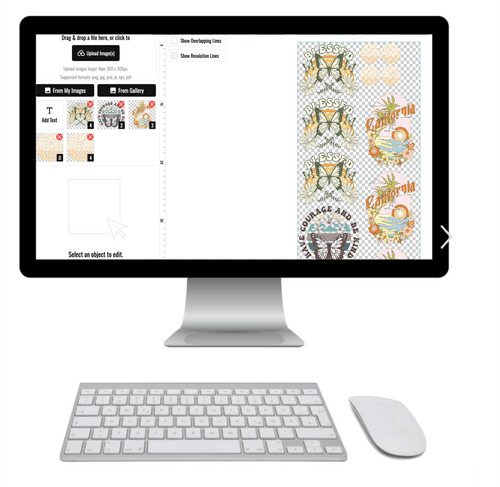
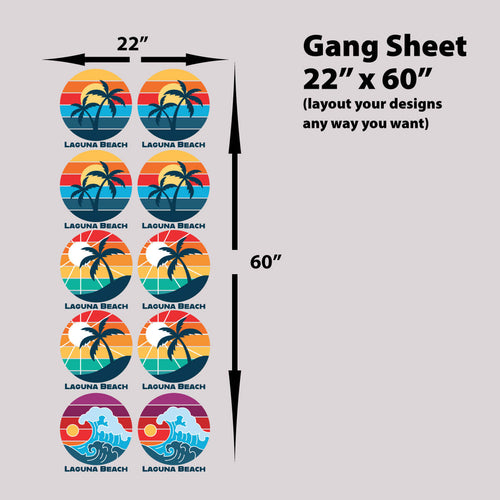
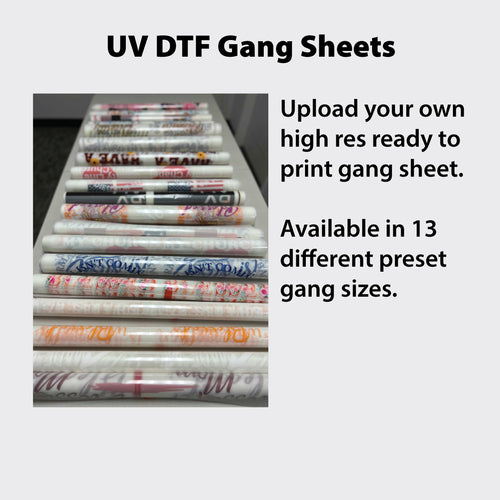
One of the most efficient ways to order is with a "gang sheet," which lets you group multiple designs onto a single large film. This strategy dramatically brings down the cost per design, making it perfect for small batches or testing new artwork. Our Auto-build gang sheet builder even automates this process for maximum ease of use, arranging your designs perfectly to save you the most money.
DTF vs Traditional Printing At a Glance
To really see where direct to film printing shines, it helps to put it side-by-side with old-school methods like Screen Printing and Direct-to-Garment (DTG). Each one has its place, but DTF often fills the gaps where others fall short.
This table breaks down the key differences at a glance.
| Feature | Direct-to-Film (DTF) | Screen Printing | Direct-to-Garment (DTG) |
|---|---|---|---|
| Fabric Versatility | Excellent (cotton, poly, blends, leather) | Limited (best on cotton) | Limited (best on 100% cotton) |
| Color Complexity | Unlimited colors and gradients | Limited by number of screens | Unlimited colors and gradients |
| Small Orders | Highly cost-effective | Very expensive due to setup fees | Moderately cost-effective |
| Feel on Garment | Soft, flexible, and lightweight | Can be thick depending on ink layers | Very soft, ink dyed into fabric |
| Setup Process | None; direct from digital file | Complex screen setup per color | Simple, but requires pre-treatment |
As you can see, DTF hits a sweet spot, offering the fabric versatility and color freedom that many creators need without the high setup costs or material limitations of other methods. It’s a workhorse solution built for the demands of modern apparel decoration.
How the DTF Printing Process Works
So, how does a digital file on your computer become a vibrant, durable design on a t-shirt? The process behind direct to film printing services is surprisingly straightforward. A professional provider handles all the technical heavy lifting, delivering a finished transfer that’s ready for you to press.
It all starts with your design. Once you upload your artwork, we take over the complex part—printing, powdering, and curing—to create a professional-grade transfer. For maximum ease of use and cost-effectiveness, you can arrange multiple designs using tools like an Auto-build gang sheet builder, which optimizes your order before it even goes to print.
This flow chart breaks down the simple three-step process you'll follow when ordering from a DTF printing service.

From your design upload to the final delivery, all the technical production is managed for you. This makes high-end apparel decoration accessible to anyone, no matter their experience level.
Step 1: Printing the Design onto Film
First, we use a specialized inkjet printer loaded with DTF-specific inks to print your design onto a sheet of clear PET (polyethylene terephthalate) film. Unlike a regular printer, this machine prints your artwork in reverse.
Crucially, it lays down a layer of white ink that serves as an opaque base. This ensures your colors look bright and solid on any color garment, from black to heather gray. The precision here is what allows for photorealistic details, unlimited colors, and smooth gradients that are tough to get with other print methods.
Step 2: Applying and Curing the Adhesive Powder
While the ink on the film is still wet, we move to the next key stage: the powder application. A fine, granulated thermoplastic polyurethane (TPU) adhesive powder is evenly coated over the entire printed area. This powder is engineered to stick only to the wet ink, leaving the rest of the film clean.
Think of this adhesive as the "glue" that will permanently bond the ink to the fabric fibers. Without it, the design would have nothing to hold onto.
The transfer then moves through a curing oven. The heat melts the powder, fusing it into a smooth, even layer on top of the ink. Once cured, your design becomes a self-contained, durable transfer, ready to be shipped and applied.
Step 3: The Final Heat Press Application
This is where you come in. We ship the finished DTF transfers directly to your door, ready for you to press. All you need is a standard heat press to create your final products in a matter of seconds.
The application is incredibly simple:
- Position the Transfer: Place the DTF transfer on your garment exactly where you want the design.
- Press with Heat: Using your heat press, apply heat and firm pressure for the recommended time, typically just 10 seconds.
- Peel the Film: Once pressed, you peel away the clear film. High-quality services provide hot peel transfers, which means you can remove the film immediately while it's still hot. This seriously speeds up your production workflow.
That final peel leaves behind a soft, vibrant, and remarkably durable print. By ordering ready-made transfers, you skip all the technical hurdles and get straight to creating professional-grade custom apparel. To dive deeper into the technology, check out our guide on what DTF is and how it can help your business.
Why Businesses and Creators Choose DTF
The buzz around direct to film printing services isn’t just another trend—it’s a direct answer to the real-world problems that modern businesses and independent creators face every day. From startups dropping their first merch line to established print shops needing to expand their services, DTF delivers a powerful mix of quality, flexibility, and cost that solves a lot of common production headaches. It neatly fills the gap between other printing methods, making it a go-to choice for a huge range of projects.
This isn't some niche technique. The global market for product customization is valued at over $500 billion and is growing every single day. In this massive industry, DTF has quickly gone from a disruptive new player to a core production method, often beating out older techniques for jobs that require complex, multi-color designs. You can learn more about the business potential of DTF printing and why it's so profitable.

This wide adoption really comes down to a few key benefits that just make sense for anyone trying to produce custom apparel efficiently.
Unmatched Fabric Versatility
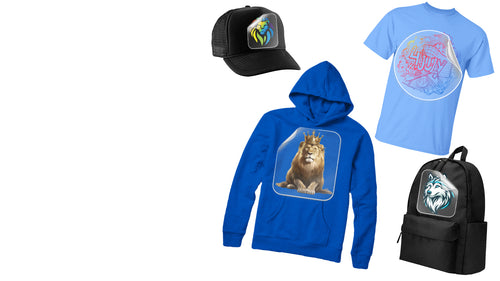
One of the biggest wins for DTF is its "print on almost anything" capability. Unlike other methods that can be really picky about what fabrics they’ll work with, DTF transfers stick beautifully to a massive list of materials.
This opens up a world of creative possibilities:
- Cotton and Blends: Get bright, solid prints on 100% cotton, 50/50 blends, and tricky tri-blends without having to pre-treat anything.
- Polyester: It's perfect for athletic jerseys, performance gear, and team apparel where you need prints that breathe and hold up.
- Specialty Materials: You can easily decorate items made from leather, denim, canvas, and even wood, letting you expand your product line way beyond just t-shirts.
For a business, this means you can offer a whole catalog of different products using a single, consistent printing method. That simplifies your entire production workflow.
No Limits on Color or Complexity
Traditional screen printing makes you create a separate screen for every single color. That makes photorealistic images or designs with smooth gradients incredibly expensive and complicated to produce. Direct to film printing services completely remove that barrier. Since the process uses a digital inkjet printer, you can reproduce an unlimited number of colors with incredible accuracy.
Key Insight: With DTF, a simple one-color logo costs the exact same to print as a full-color photograph. This really levels the playing field, allowing small brands to create complex, eye-catching designs that used to be possible only for huge companies with big budgets.
This freedom lets creators bring their wildest ideas to life without having to dumb down the color or detail. Whether it’s a subtle gradient, a complex illustration, or a high-resolution photo, DTF can handle it without breaking a sweat.
Superior Durability for Long-Lasting Products
A great design means nothing if it cracks, peels, or fades after a few washes. DTF transfers are engineered for incredible durability, often outlasting the garment they’re printed on. The special adhesive actually bonds with the fabric fibers, creating a print that is both strong and flexible.
When applied correctly, high-quality DTF prints are tested to handle over 100 wash cycles without losing their color or falling apart. This makes them the perfect choice for items that get a lot of wear and tear, like:
- Work uniforms
- Sports team jerseys
- Kids' clothing
- Everyday fan merch
That kind of reliability ensures your customers get a premium product that looks great for years, which builds trust and keeps them coming back.
Cost-Effectiveness for Any Order Size
Finally, DTF really shines when it comes to price, especially for small to medium-sized orders. With no setup fees for each color, the price stays low and predictable whether you’re ordering one transfer or one hundred. This is where the real economic power of direct to film printing services kicks in.
By putting multiple designs onto a single sheet, you can seriously lower your cost per print. You can take this even further by using an Auto-build gang sheet builder to automatically arrange your art for maximum efficiency and ease of use, making sure you get the most value from every order. This cost-effectiveness makes it profitable to test new designs, run limited-edition drops, or fill on-demand orders without breaking the bank.
How to Prepare Artwork and Build a Gang Sheet
Getting a flawless print starts long before you ever power on the heat press. It all begins with your digital file. Giving your direct to film printing service a properly prepped file is the single most important step for ensuring your final transfers are sharp, vibrant, and professional. The quality of your source file directly impacts the quality of the final print.
Think of it like building a house—you wouldn't start pouring concrete without a solid blueprint. Your artwork file is that blueprint. Getting it right from the very beginning prevents headaches, avoids costly reprints, and makes the entire production process run smoothly.

Let's walk through the essential file prep steps and then dive into how you can get the most value out of your order with gang sheets.
Mastering Your Artwork Files for DTF
To get the best results, your artwork needs to meet a few key technical specs. These aren't just friendly suggestions; they're the industry standards that professional printers depend on. Skipping them is a surefire way to get fuzzy edges, pixelation, or those dreaded background boxes on your finished prints.
Here are the three non-negotiable rules for print-ready artwork:
- File Type Must Be PNG: While there are lots of file types out there, PNG (Portable Network Graphics) is the gold standard for DTF. It’s the only common raster format that supports transparent backgrounds, which is an absolute must.
- Resolution Must Be 300 DPI: DPI stands for "Dots Per Inch," and it's a measure of pixel density. A resolution of 300 DPI ensures your design prints crisp and clear. Anything lower will probably look blurry and pixelated.
- Background Must Be Transparent: Your design has to be on a transparent background. If your file has a solid white or colored background, the printer will print that color, leaving an ugly box around your design.
Critical Tip: Don't just open a low-resolution JPG and save it as a 300 DPI PNG. That doesn't magically add detail—it just stretches the existing pixels and guarantees a low-quality print. Always start your design process on a 300 DPI canvas from the get-go.
The Power of the Gang Sheet
Once you have your individual designs perfected, the real secret to ordering cost-effectively is the gang sheet. A gang sheet is one large sheet of transfer film where you arrange, or "gang up," multiple designs. Instead of paying for each little design one by one, you pay for the total film area you use, which can dramatically lower your cost per print.
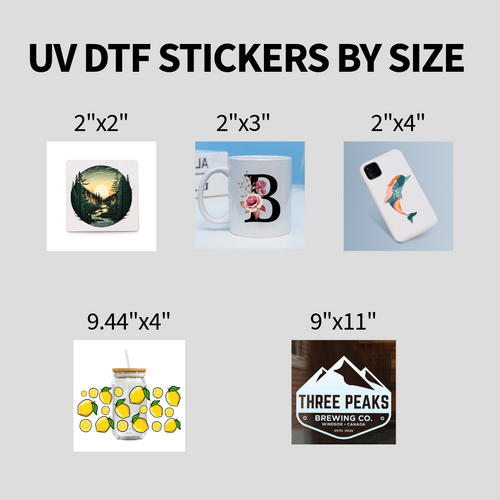
This method is a total game-changer for apparel businesses and creators. It lets you bundle different logos, sizes, and designs into a single, efficient order. For instance, you could fit a few big front-chest designs, a handful of smaller left-chest logos, and a dozen sleeve graphics all onto one sheet.
This is where our Auto-build gang sheet builder comes in to make your life much, much easier. It's built to give you maximum value with minimal effort.
How to Use the Auto-Build Gang Sheet Builder
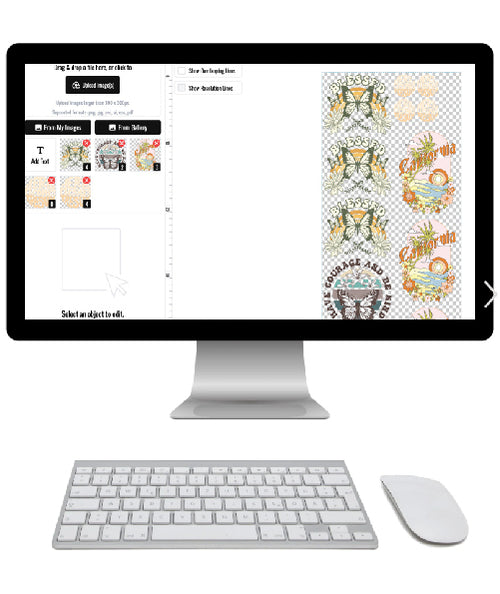
Manually arranging designs to fit perfectly on a sheet can be a tedious puzzle. Our builder automates this entire process, acting like a smart layout assistant that optimizes your sheet to save you money and provide maximum ease of use.
Here’s a quick rundown of how it works:
- Upload Your Designs: Start by uploading all your print-ready PNG files. You can add as many different designs as your project requires.
- Set Quantities for Each Design: For each image, just type in the quantity you need. You might need 10 of your main logo, 20 of a pocket-sized version, and 5 of a limited-edition graphic.
- Let the Builder Work Its Magic: With one click, the tool automatically arranges all your designs onto the right-sized gang sheet. It intelligently rotates and nests the images to cut down on wasted space, ensuring you get the most prints for your money.
This hands-off approach takes all the guesswork and manual layout work off your plate. It guarantees you’re using every inch of film as efficiently as possible, which translates directly to cost savings. For those who want to learn more, our guide on DTF gang sheets offers even more pro tips.
We Build It For You: A Convenient Alternative
We get it—time is money. If you're juggling multiple projects, have a complex order, or just prefer to have an expert handle the technical setup, our "We Build It For You" service is the perfect solution.
This service is designed for anyone who wants the cost-saving benefits of a gang sheet without any of the setup hassle. Just send us your artwork files and tell us the quantities you need. Our experienced design team will professionally build the gang sheet for you, ensuring the layout is perfectly optimized for both print quality and cost-effectiveness. It frees you up to focus on the other parts of your business.
Choosing the Right DTF Printing Service
With so many companies offering direct to film printing services, it can be tough to know who to trust with your brand’s reputation. The truth is, not all providers are created equal. The difference between a great partner and a bad one shows up in faded colors, slow shipping, and wasted money.
Choosing the right service is about more than just finding the lowest price—it's about finding a reliable partner who delivers consistent quality. Think of it like picking a mechanic for a prized car. You wouldn't hand it over to just anyone. You’d look for proof of their expertise, clear pricing, and good reviews. The same logic applies here. Vetting your DTF provider is a crucial step to protect your investment and make sure your final products look amazing.
Evaluating Print Quality and Durability
The first and most important benchmark is the quality of the print itself. A top-tier provider should be confident enough to show off how their transfers perform in the real world. Look for services that openly share the results of their wash tests, which prove how well the prints hold up against fading, cracking, and peeling.
High-quality DTF transfers should easily last for 100+ wash cycles without breaking down. You should also pay close attention to color accuracy. Your brand's specific shade of blue needs to be that exact shade of blue, not something close.
Reputable direct to film printing services use advanced color profiling and high-end printers to get vibrant, accurate colors that match your original digital file. If a provider’s sample images look dull or inconsistent, it's a major red flag.
Turnaround Time and Shipping Reliability
In the world of custom apparel, speed matters. Whether you're filling an urgent customer order or getting ready for an event, you need a printing service that can keep up. Before you place an order, always check the provider's stated turnaround times.
Many leading services offer fast options to meet tight deadlines:
- Same-Day Printing: For local customers, some printers offer same-day pickup, which is a lifesaver for last-minute projects.
- 24-Hour Shipping: A great benchmark for a fast provider is the ability to print and ship your order within one business day.
- Next-Day Air: When you absolutely need transfers tomorrow, look for services that provide expedited shipping options.
A reliable partner will be totally transparent about their production schedule and offer tracking so you know exactly when to expect your delivery. Slow or unpredictable shipping can bring your whole operation to a halt.
Transparent Pricing and Customer Support
Finally, a trustworthy provider makes pricing easy to understand. The best way to get real value is by using gang sheets, which let you fit multiple designs onto a single sheet to lower your cost per print. Look for companies that offer tools to make this easy, like our Auto-build gang sheet builder. It automatically arranges your layout for ultimate cost-effectiveness and ease of use, maximizing every inch of space to cut down on costs.
Just as important is good customer support. What happens if you have a question about a file or an issue with your order? A great service has a real team you can reach by phone, email, or chat. Give this a test before you buy—responsive and helpful support is always a sign of a company that actually cares about its customers.
The industry is always evolving. Forecasts for 2026 show that new DTF printing innovations are on track to change production workflows, with updated ink chemistry set to deliver a 10% wider color range and even greater visual impact. Leading services are already ahead of the curve, offering online gang sheet builders like our Auto-build gang sheet builder for enhanced ease of use, vectorization services, and state-of-the-art printers with incredible speed and color accuracy. To learn more about the equipment driving these changes, check out our guide on finding the best DTF printer for a small business.
Common Questions About DTF Printing
Getting into direct to film printing services always brings up a few practical questions. Once you understand the basic process, you start wondering about the details—like how the final print actually feels, or how to take care of it so it lasts.
We get these questions all the time from creators and print shops before they place their first order. Here are the straightforward answers you need to order with confidence, knowing exactly what to expect from your DTF transfers.
How Does a DTF Print Feel Compared to Screen Printing?
This is easily the most common question we hear, and for a good reason. Nobody wants a thick, plastic-like print on a soft t-shirt. The great news is that modern, high-quality DTF transfers are a world away from the stiff, heavy heat transfers from years ago.
A professionally made DTF transfer feels surprisingly soft, lightweight, and flexible. The ink and adhesive layer is incredibly thin, which allows it to stretch and move with the fabric. When applied correctly, the feel is very close to a premium, soft-hand screen print—smooth to the touch and really comfortable to wear. It’s the best of both worlds: the soft feel of a high-end print combined with the unlimited color capability of digital.
The Bottom Line: Don't expect a heavy, plastic shield on your shirt. A quality DTF print from a reliable service will feel soft, flexible, and integrated with the garment, offering a premium hand-feel that rivals traditional screen printing methods.
What Kind of Heat Press Do I Need?
You don’t need a super expensive or complicated machine, but you absolutely need the right tool for the job. While just about any quality heat press will work for applying DTF transfers, two factors are non-negotiable for getting professional, lasting results: consistent temperature and even pressure.
A good heat press guarantees that the entire surface of your transfer gets the same heat and pressure. This is critical for the adhesive to bond properly across the whole design. It’s also why we strongly advise against using a standard home iron. An iron has "hot spots," delivers uneven pressure, and can't hold a steady temperature, which is a recipe for a failed application.
Your heat press is the final, crucial step in the process. Investing in even a basic, reliable clamshell or swing-away press is what ensures your prints adhere correctly and are built to last.
How Do I Wash and Dry Garments with DTF Prints?
Durability is one of the biggest strengths of DTF printing, but a few simple care instructions will maximize the lifespan of your garments and keep them looking vibrant. High-quality DTF transfers are tested to withstand 100+ wash cycles without cracking, peeling, or fading when cared for properly.
To get the most life out of your printed apparel, just follow these simple steps:
- Turn the Garment Inside Out: This is the single most important step. It protects the print from rubbing against other clothes, zippers, and buttons in the wash.
- Wash with Cold Water: Always use a cold water setting. Over time, hot water can be harsh on both the fabric and the print.
- Use a Mild Detergent: Stay away from bleach or aggressive fabric softeners, as they can break down the print's integrity.
- Tumble Dry on Low or Hang Dry: High heat is the enemy of any printed garment. Either tumble dry on your lowest heat setting or, for the best possible results, hang the garment to air dry.
Following these instructions will ensure your designs stay as bright and sharp as the day you first pressed them.
What Is a Hot Peel Transfer?
As you start looking into direct to film printing services, you'll see the terms "hot peel" and "cold peel." This simply refers to the temperature at which you remove the clear film after pressing the transfer. Any high-quality, efficient service will provide hot peel transfers, and for a very practical reason.
A hot peel transfer means you can peel the film away immediately after the heat press opens, while everything is still hot. For anyone producing apparel, especially in larger quantities, this is a massive advantage.
The benefits are clear:
- Faster Production: You don't have to wait for each shirt to cool down. This drastically cuts your production time and lets you press, peel, and move to the next item in seconds.
- Better Workflow: It creates a smooth, continuous process without that awkward pause of setting items aside to cool.
- Softer Finish: Hot peel transfers often leave a slightly softer, more matte finish that feels more integrated with the fabric.
Hot peel is the professional standard for DTF printing because it maximizes efficiency without cutting corners on quality. It's a key feature to look for in a provider, as it shows they're focused on a fast and effective process for their customers. It's why all our transfers are hot peel—to help you work smarter, not harder.
Ready to create stunning, durable custom apparel with ease? At Lion DTF Transfers, we provide premium hot-peel transfers that are vibrant, soft, and built to last. Use our Auto-build gang sheet builder to maximize your value and bring your designs to life today.