


You’re probably in one of three spots right now.
You’ve got a brand idea and want shirts that don’t look homemade. You run a business and need staff shirts, event shirts, or merch without tying up cash in a giant order. Or you’re a print shop, crafter, or side hustler trying to decide which method gives you the fewest headaches and the most consistent result.
That’s where many get stuck. The shirt itself is simple. The production choices aren’t. Screen printing, DTG, vinyl, transfers, gang sheets, file setup, heat press settings. It’s easy to waste time and money before the first shirt is even made.
I’ll walk you through this the same way I’d explain it to a new shop partner. Start with why custom t shirts matter. Then choose the right print method. Then get the artwork ready, order transfers efficiently, press them correctly, and price the finished shirt so the work makes sense as a business.
Why Custom T Shirts Are a Powerful Tool for Brands and Creators
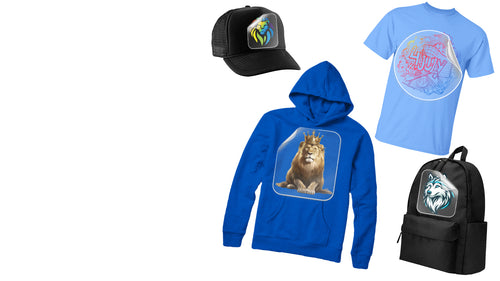
A shirt does a job that a business card never can. People wear it in public. They post it. They hand it to friends. They keep it around if it feels good and looks sharp.
That’s why custom t shirts work for so many different buyers. A local coffee shop uses them for staff uniforms and retail merch. A school uses them for clubs, booster programs, and field days. A creator uses them to turn an audience into something that feels like a community.

Why the category keeps growing
The market is large, and it’s still expanding. The global custom t-shirt printing market is valued at USD 6,849.4 million in 2026 and is projected to reach USD 15,621.5 million by 2033, growing at a CAGR of 12.5%. The same report says the online sales channel holds an estimated 62.1% market share in 2025, which tells you where buyers are shopping and ordering now: custom t-shirt printing market projections and online share.
That matters if you sell online, but it also matters if you sell locally. Buyers have gotten used to fast ordering, design previews, and smaller runs. They don’t want to wait for a giant minimum order just to test an idea.
What custom t shirts do for a business
A good shirt can carry several jobs at once:
- Build identity: Staff members look like part of the same team.
- Create belonging: Event attendees and fans feel included.
- Extend marketing: Customers wear the design after the sale.
- Open a revenue stream: Merch becomes an add-on product, not just a cost.
- Support quick campaigns: Seasonal designs, fundraisers, launches, and limited drops become easier to test.
Custom apparel works because it’s useful and visible at the same time.
Where beginners usually get confused
Often, the design idea isn't the struggle. They struggle with the method.
They hear that screen printing is the classic choice. Then someone else says DTG is softer. Then another person says DTF can go on almost anything and handles small orders better. By that point, they’re not comparing methods. They’re collecting half-explained opinions.
The smart move is to treat custom t shirts like a production workflow. Pick the method that fits modern ordering patterns, mixed designs, and short runs. For most new brands, many established shops, and a lot of ecommerce work, that points to DTF.
Choosing Your Print Method DTF vs The Rest
If you strip away the sales talk, each print method is just a different way to get art onto fabric. The question is which method gives you the fewest limitations for the kind of orders you take.

The quick side by side view
| Method | Best fit | Strengths | Tradeoffs |
|---|---|---|---|
| DTF | Mixed orders, small batches, full-color art, many garment types | Strong color, flexible workflow, good for detailed designs | Requires clean artwork and proper pressing |
| Screen printing | Bigger runs with simpler color counts | Familiar process, solid look for bulk jobs | Setup is heavier, less agile for many design variations |
| DTG | Full-color prints on cotton garments | Soft feel on the right garment | Less durable in standard use than properly cured DTF |
| HTV | Names, numbers, simple text, basic shapes | Useful for personalization | Not ideal for complex full-color artwork |
DTF works like a production shortcut
The easiest way to think about DTF, or Direct to Film, is this. You print the design onto film, then heat-press that transfer onto the shirt. That sounds simple because it is simple, at least compared with methods that need a separate setup for each color or each artwork change.
For a modern shop, that flexibility matters. One order might include a left chest logo, a full back print, a sleeve hit, and a neck label. Another order might be a dozen shirts, all with different names or graphics. DTF handles that kind of variety cleanly.
Durability matters more than beginners expect
A shirt doesn’t just need to look good on day one. It needs to survive wear, washing, folding, and being thrown in the back seat of a car.
Properly cured DTF transfers achieve wash durability of 100+ washes, while standard DTG prints typically endure 30+ washes, according to this custom t-shirt guide covering DTF and DTG durability. That single difference changes how you think about merch, uniforms, and repeat customer satisfaction.
A shirt that fades or cracks too early doesn’t just hurt one sale. It hurts trust.
How DTF compares to screen printing
Screen printing is still a solid method. It’s proven, and for larger orders with a limited number of colors, it makes sense. It's similar to using a dedicated stencil system. When the artwork repeats over and over, the setup pays off.
But that same setup becomes friction when the order is small or varied.
If you’re printing bulk event tees with the same graphic on every shirt, screen can be a fit. If you’re testing designs, personalizing pieces, or juggling e-commerce orders with several placements, DTF is usually easier to manage.
For a deeper process comparison between transfer and garment-direct methods, this breakdown of DTF vs DTG printing is useful.
How DTF compares to DTG
DTG prints directly onto the shirt, which can feel great on certain cotton garments. It’s often chosen for detailed art and soft-hand results. But it’s pickier about garment type and less forgiving when durability is a top priority.
DTF is more adaptable across fabrics and more practical for a shop that can’t afford to say no to half the garments customers bring in.
Where HTV fits
Heat Transfer Vinyl has a place. I still think of it as a specialty tool, not a main production method for broad custom t shirts work.
It shines for simple lettering, player names, numbers, and straightforward spot graphics. Once the artwork becomes photographic, textured, multicolor, or highly detailed, HTV starts feeling like the wrong tool.
Practical rule: If the design has lots of color, shading, or fine detail, DTF is usually the cleaner path.
A lot of buyers ask which method is “best.” That’s the wrong question. The better question is which method handles the widest range of real-world jobs with consistent results. Today, that answer is often DTF.
Before you decide, it helps to watch the methods side by side in action.
Preparing Your Designs for Flawless Printing
Most print problems don’t start at the heat press. They start on the computer.
I’ve seen beginners blame the transfer, the shirt, or the press when the underlying issue was a weak file. If the artwork isn’t built for print, the finished shirt will show every mistake.

The file checklist that saves rework
Use this short checklist before you upload anything:
- Set the artwork to 300 DPI: High-quality printing demands files at 300 DPI, and lower-resolution raster files can cause pixelation and visual defects that lead to reject rates of 15-25% in professional print runs, as noted in these custom t-shirt design guidelines for print-ready artwork.
- Use a transparent background: If the background isn’t transparent, the transfer may print a box around the design.
- Export as PNG for standard DTF art: That keeps the background clean and makes upload easier for most transfer workflows.
- Build at final print size: Don’t make a tiny file and expect software to enlarge it cleanly.
- Check edges and small details: Thin outlines, tiny text, and faint shadows can disappear or print poorly.
Why 300 DPI matters
A file can look fine on your phone and still print badly.
Screens hide a lot. They’re backlit, small, and forgiving. Fabric is not. If the art is low resolution, curves turn jagged, text softens, and little details start to break apart.
That’s why experienced shops ask for print-ready files instead of “whatever you have.” They’re not being difficult. They’re trying to protect the result.
Common beginner mistakes
Here are the files that usually cause trouble:
- A social media screenshot: It looks sharp online, but it’s rarely built for printing.
- A JPEG pulled from a website: Compression artifacts and background issues show up fast.
- A logo copied from a document: Word and presentation files aren’t print production formats.
- Artwork with fake transparency: A white background may blend into your screen and still print as a solid block.
If your design includes soft shadows, distressed textures, or tiny lettering, zoom in before uploading. What looks subtle on screen can turn muddy on fabric.
A practical sizing habit
Before you upload, ask one simple question. Where is this print going?
A full front design needs a different canvas than a left chest logo or sleeve graphic. If you prep each piece for its intended placement, everything gets easier later. That includes gang sheet building, cost control, and press alignment.
For custom t shirts, I like to save separate files for each placement. One file for front. One for back. One for sleeve. One for neck tag. It feels slower at first, but it prevents avoidable mistakes when the order gets bigger.
Ordering Transfers with a Gang Sheet Builder
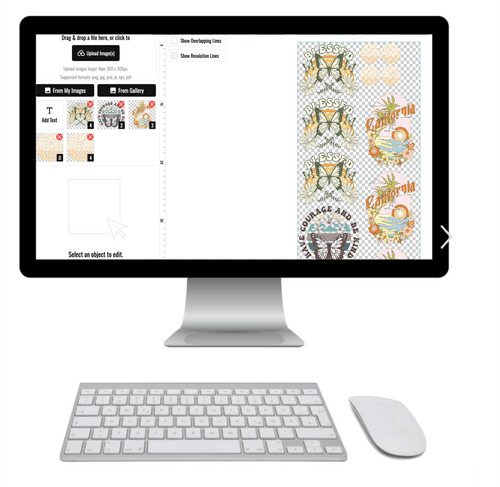
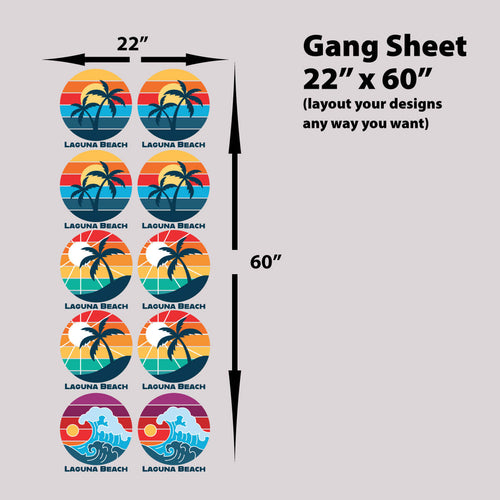
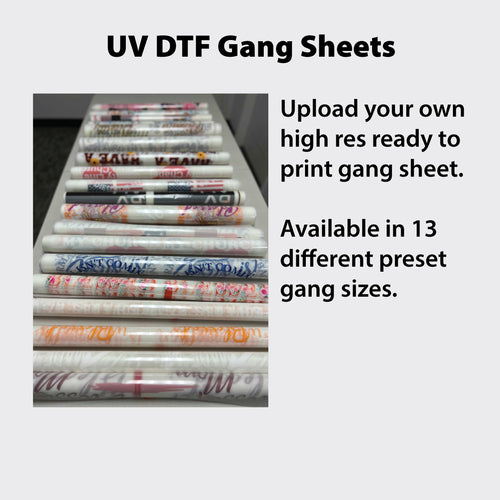
A gang sheet is just one transfer sheet that holds multiple designs. That could mean several copies of the same logo, or a mixed layout with left chest prints, back graphics, sleeve hits, tags, and extras all arranged on one sheet.
If you’ve never used one, this is usually the moment where DTF starts making real business sense.

Why gang sheets matter
You don’t buy a separate setup for every little design element. You combine artwork efficiently and order it in one run.
That approach fits the way modern shops work. You may need six front logos, six back prints, a dozen sleeve marks, and a few spare transfers in case a shirt gets ruined during pressing. Gang sheets let you package all of that into a cleaner order.
DTF gang sheets excel for small-batch custom t-shirts, where screen printing setup fees can spike costs by 2-3x. DTF adoption has surged 45% among print shops due to its efficiency for low-volume, high-variety orders, according to this overview of no-minimum custom shirt ordering and DTF demand.
Manual layout vs auto-build
You can build gang sheets manually. Plenty of people do. But manual layout has a habit of eating time.
You upload files. Resize them. Rotate them. Try to nest them tighter. Realize one design is slightly oversized. Move everything again. Then you wonder whether you left too much unused space on the sheet.
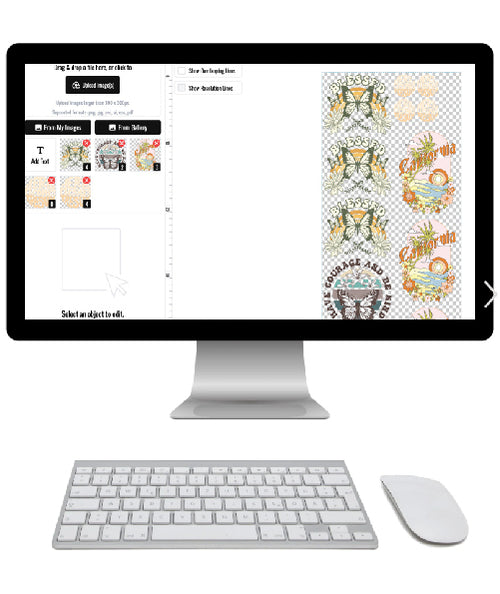
That’s where an auto-build tool helps. Instead of acting like a digital puzzle player for half an hour, you let the builder arrange the files for better space use.
One practical option is an auto-build DTF gang sheet builder that takes uploaded artwork and organizes it into a printable layout. That’s especially useful when you’re mixing placements or building sheets for several jobs at once.
What to include on a sheet
A lot of new sellers only think about the big front graphic. That’s money left on the table.
A smarter gang sheet often includes:
- Primary front prints: The main logo or graphic.
- Back designs: Full back art, upper back branding, or event graphics.
- Sleeve elements: Small marks for a cleaner retail look.
- Neck labels: Useful for private label style finishing.
- Spare pieces: Extras save a job when one shirt gets mispressed.
The cost habit that scales
When you order transfers, don’t think one shirt at a time. Think one workflow at a time.
If a local gym needs black tees this month and hoodies next month, the same art can often be organized for repeated use. If an ecommerce store runs several shirt colors with the same logo, gang sheets make it easier to stock transfers rather than finished inventory.
A strong gang sheet doesn’t just reduce waste on film. It simplifies fulfillment later.
That’s why the Auto-build gang sheet builder is so useful for custom t shirts work. It removes one of the most tedious steps in the DTF process and makes smaller, mixed orders far easier to price and produce.
The Art of Heat Pressing Your DTF Transfers
Pressing is the point where a transfer becomes a shirt you can sell.
This is also where beginners get nervous. They worry about crooked placement, wrong settings, peeling too soon, or ruining the blank. Those are valid concerns. The fix is a repeatable routine.
Start with a controlled setup
You need a dependable heat press, a flat garment surface, and clean transfers. A home iron can apply heat, but it can’t give you the same consistency in pressure and coverage.
Before the transfer touches the shirt, pre-press the garment briefly to remove moisture and flatten the print area. Wrinkles and damp fabric cause more problems than people expect.
For setup guidance and setting ranges, this article on heat press settings for DTF is a useful reference.
The three variables that decide the result
Every successful press depends on the same three inputs.
- Temperature Too low, and the adhesive won’t bond correctly. Too high, and you can scorch fabric or distort the transfer.
- Time Rushing the press often creates weak adhesion. Leaving it too long can flatten the print feel or stress the garment.
- Pressure Uneven or too-light pressure causes partial bonding, especially around edges.
The key is consistency. Once you find settings that work with your transfer and garment combination, write them down and repeat them.
Placement is where many misprints happen
A lot of custom t shirts look amateur not because the print itself is bad, but because the print sits too high, too low, or slightly off-center.
That problem gets worse on sleeves, back yokes, and unusual placements. Precise DTF placement guidance is still underserved, and informal shop reports estimate misprint waste rates at 20-30% when users guess on non-standard placements, as noted in this DTF placement discussion.
Use physical reference points on the shirt, not your eyes alone.
A practical placement routine
- Center from the garment, not the table: Shirt seams and collars matter more than platen edges.
- Fold and crease lightly for alignment: A center line helps with front and back prints.
- Measure tricky placements: Sleeves and pocket-area designs need real spacing, not eyeballing.
- Check for obstructions: Seams, zippers, collars, and pocket edges can affect pressure.
On non-standard placements, do a test shirt first. One test shirt is cheaper than guessing across a full order.
The peel and finish
Most hot-peel DTF products are designed to peel soon after pressing, while the transfer is still warm or hot. Peel smoothly and steadily. Don’t jerk upward from one corner.
After the carrier is removed, many press operators do a short finishing press with a protective sheet. That helps set the transfer, smooth the hand feel, and improve consistency across the run.
If you want the durability covered earlier in the article, this part matters. Good transfers still need good pressing.
Post-press care matters too
Tell your customer how to care for the shirt. Wash inside out. Avoid harsh treatment. Don’t apply direct iron heat onto the print.
You don’t need to turn care instructions into a lecture. A small card or a simple note with the order is enough. Good production plus clear care instructions gives the shirt its best chance to look sharp for a long time.
Pricing and Scaling Your Custom T Shirt Business
A lot of people price custom t shirts backwards. They look at what competitors charge, pick a number that feels reasonable, and hope there’s enough left over.
That approach creates stress fast. You need to know your cost before you choose your selling price.
The simple pricing formula
Start with three inputs:
- Transfer cost
- Blank garment cost
- Labor and overhead allowance
Then use a simple formula:
Total shirt cost = transfer + blank + labor/overhead
After that, set a selling price that leaves room for profit, reprints, packaging, and your time communicating with the customer.
Three common pricing situations
| Order type | What to consider | Practical pricing mindset |
|---|---|---|
| One-off custom shirt | More communication, setup, and handling time | Charge for convenience and customization |
| Small business batch | Repeated art, multiple sizes, simpler fulfillment | Price for consistency and reorder potential |
| Event or merch run | Volume planning, extras, deadline pressure | Protect margin against rush work and replacements |
If you skip labor because you’re pressing the shirts yourself, you’ll underprice the job. Your time counts whether you’re a solo maker or a shop owner.
DTF helps cash flow
This is one reason DTF is such a practical model for growth. You don’t have to hold stacks of preprinted inventory just to launch a design.
You can keep blanks on hand, order transfers as needed, and press near the point of sale. That lowers inventory risk and makes it easier to test new graphics without betting on a large run.
A better way to think about scale
Scaling doesn’t always mean buying bigger equipment right away.
Often it means tightening the workflow:
- Use standard blank styles: Fewer garment surprises.
- Keep repeat art organized: Faster reorder turnaround.
- Bundle placements efficiently: Front, back, and sleeve jobs are easier to quote.
- Build margin into rush work: Fast jobs create more handling pressure.
The businesses that scale cleanly don’t just sell more shirts. They reduce decision-making inside each order.
If you’re running a brand, this means fewer bottlenecks. If you’re a shop, it means more jobs can move through the same press setup without chaos. If you’re a side hustler, it means you can grow without filling your garage with slow-moving stock.
Your Path to Professional Custom Apparel
Professional custom t shirts don’t require a giant production floor anymore.
The workflow is straightforward when you treat each stage seriously. Use clean artwork. Choose a method that matches how people order today. Build transfers efficiently with gang sheets. Press them with care. Price the finished garment like a business, not a hobby.
DTF fits that workflow well because it solves several problems at once. It handles detailed, colorful art. It works for small batches. It supports mixed placements and fast-moving order types. It gives newer sellers a path to polished results without forcing them into bulky inventory or complicated setup.
That’s why so many modern apparel businesses center their process around it.
If you’re just getting started, don’t aim for perfect on the first order. Aim for controlled. One shirt. One blank. One clean file. One accurate press. Then repeat the process until it feels normal.
That’s how good shops are built. Not by guessing. By running a reliable system over and over.
Frequently Asked Questions about Custom T Shirts
Quick answers for common beginner questions
| Can I use a regular home iron instead of a heat press for DTF transfers? | What is the difference between hot peel and cold peel DTF transfers? | What are UV DTF stickers and how are they different from shirt transfers? | Besides t-shirts, what other materials can I apply DTF transfers to? |
|---|---|---|---|
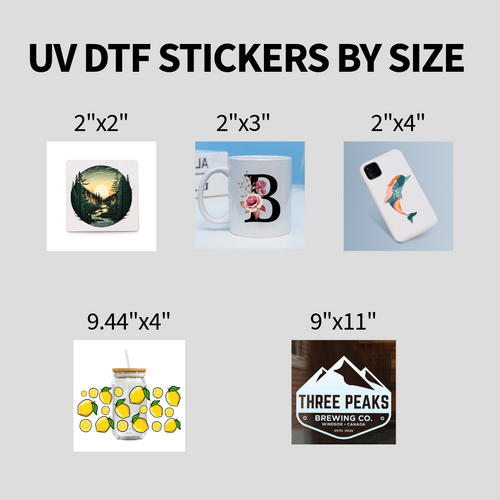
| A heat press is the better tool. An iron usually can’t apply even pressure across the full design, and that inconsistency can affect bonding and final appearance. For hobby testing, people try irons, but for sellable work, use a heat press. | Hot peel transfers are peeled shortly after pressing while still warm or hot. Cold peel transfers must cool before the carrier comes off. You need to follow the transfer’s intended peel method. Using the wrong peel timing can affect the finish or adhesion. | UV DTF stickers are adhesive transfers for hard surfaces, not fabric. Think cups, packaging, glass, plastic, and similar items. Shirt DTF uses heat and pressure to bond onto garments. UV DTF is for decorating non-fabric items without a heat press. | DTF transfers can work on more than tees. Shops commonly use them on hoodies, sweatshirts, tote bags, and other compatible apparel items. Always check the material and test first, especially on coated, stretchy, or textured surfaces. |
A few extra clarifications
Customers also ask whether DTF feels heavy. The answer depends on the artwork. A small chest logo feels different from a large full-front graphic with solid coverage. Good design choices help a lot.
Another common question is whether they should order finished shirts or transfers only. If you already have blanks and a heat press, transfers give you more flexibility. If you don’t want to handle production, a full-shirt service may make more sense.
People also ask whether custom t shirts can support related products. Yes. Once you have artwork organized, the same brand assets often extend into stickers, packaging, and other merch. That’s one reason shops offering both shirt transfers and UV DTF stickers can support broader brand kits.
Keep the artwork organized from the start. One clean design library makes shirts, labels, sleeves, stickers, and future reorders much easier.
If you’re ready to turn artwork into press-ready transfers, Lion DTF Transfers offers custom DTF transfers, gang sheets, UV DTF stickers, and an Auto-build gang sheet builder that can simplify the ordering side of custom t shirts for shops, brands, and DIY makers.