



You’ve probably hit the same wall most apparel sellers hit early. A customer wants ten left-chest logos, twelve full-front event shirts, and a handful of one-off names for staff or family members. Screen printing feels inefficient for that mix, HTV feels slow and fragile, and doing everything manually eats the margin before the order is packed.
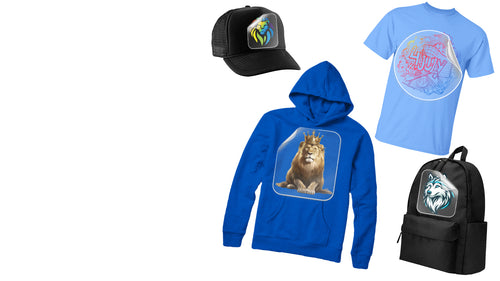
That’s where custom apparel t shirts with DTF become practical, not just possible. The process works for short runs, mixed artwork, detailed color, and a wide range of fabrics. It also gives small shops and growing brands a way to keep quality high without locking every order into big minimums or long setup cycles.
The business case is clear. The custom t-shirt printing market analysis from Grand View Research says the global custom t-shirt printing market was valued at USD 5.16 billion in 2024 and is projected to reach USD 9.82 billion by 2030, with 1 in 3 consumers preferring to buy personalized products. More buyers want custom work. Shops that can produce it cleanly and profitably have room to grow.
From Idea to Incredible Custom Apparel
A lot of people start with the wrong question. They ask which machine to buy, which blank to stock, or which press setting to copy. The better question is simpler. How do you turn an idea into a shirt that looks professional enough to sell and efficient enough to make money on?
DTF answers that better than most methods for small and mid-size custom work. It handles sharp detail, works across cotton and blends, and avoids the friction of screen setup on smaller orders. For a brand testing designs, a local shop filling mixed orders, or an event seller with changing artwork, that flexibility matters more than theory.

What good DTF changes in a shop
A clean DTF workflow lets you do a few things that keep revenue healthy:
- Print mixed jobs efficiently so you’re not forcing every order into a bulk model.
- Offer full-color artwork without treating every extra color like a pricing problem.
- Use more than one garment type because the process isn’t limited to one narrow fabric lane.
- Reduce rework when your files, layouts, and pressing routine are standardized.
That last point matters most. Most bad outcomes in custom apparel t shirts aren’t caused by the transfer itself. They come from sloppy prep, poor layout, uneven pressure, or artwork that should never have gone to print.
Practical rule: If the file is weak, the print will expose it. DTF is forgiving on fabric choice, not on careless setup.
If you’re still learning the process, start with a repeatable system instead of improvising each order. Build artwork correctly, group jobs efficiently, press with discipline, and test every garment category before you sell it. If you need a primer on the format itself, DTF transfers for apparel production break down the core process and why it works so well for modern custom work.
What works and what doesn't
What works is simple artwork, clear production standards, and jobs batched for efficiency. What doesn’t work is treating every order like custom art school. You don’t need complexity. You need consistency.
That’s the mindset behind the rest of this process. Not just making shirts that look good on press day, but building a workflow that holds up when orders stack up.
Designing for Flawless DTF Transfers
File prep decides whether the job is smooth or expensive. Shops lose time on artwork fixes, surprise halos, unreadable small text, and files that looked fine on a laptop but collapse on film. If you want reliable custom apparel t shirts, the design file has to be built for print, not just for approval.

Start with resolution and file type
The minimum standard is 300 DPI at final print size. According to the DTF artwork mistake guide from BlueSky T-Shirts, images below 150 DPI result in blurry prints in 85% of cases, and tiny fonts under 12pt cause 40% of print failures due to ink bleed. That’s not a small quality dip. That’s production waste.
The easiest way to think about it is this. Enlarging a low-resolution file is like stretching a small sticker over a large sign. The flaws don’t disappear. They become obvious.
Use vector files when you can. AI and EPS files scale cleanly and keep edges crisp. Raster files can still work, but only when they’re built at the right size and resolution from the start. A tiny PNG pulled off social media is usually a rebuild, not a print-ready file.
Clean transparency matters more than people think
DTF prints what’s in the file. That includes stray pixels, semi-transparent shadows, soft outer glows, and ghosted backgrounds that weren’t noticed on a checkerboard preview. Those small errors often show up after pressing as dirty edges or unwanted film around the design.
Check these before upload:
- Remove hidden backgrounds even if they look invisible on screen.
- Flatten intentional effects carefully so glows and fades don’t create dirty print edges.
- Inspect the perimeter at high zoom for random pixels.
- Expand thin strokes if they’re close to disappearing at production size.
A lot of first-time sellers send artwork that’s “visually finished” but not production finished. Those are different things.
Color choices affect print success
DTF handles vibrant color well, but the screen still lies sometimes. Bright RGB artwork can shift when translated to print. You don’t need to turn every design session into a color science exercise, but you do need a habit of checking expected output before you sell mockups.
Do this instead of guessing:
- Build the art at final size.
- Keep high-contrast text and linework.
- Avoid stacking too many subtle fades into a single small design.
- Test difficult colors on the actual garment family you plan to sell.
Dark shirts expose weak color decisions quickly. Mid-tones can disappear, and overcomplicated shading can muddy the print. Strong designs usually print stronger than overly delicate ones.
A quick walkthrough helps if your team is training new staff or outsourcing design prep:
Design with production limits in mind
Some artwork is beautiful on screen and bad for apparel. That’s normal. Shirt graphics need room to breathe, especially when you’re running multiple jobs and want predictable pressing.
A few examples from real shop practice:
| Design choice | Usually works | Usually causes trouble |
|---|---|---|
| Text | Bold, open lettering | Thin scripts at very small sizes |
| Detail | Clear shapes with spacing | Dense clusters of tiny linework |
| Effects | Controlled gradients | Heavy glows, soft smoke, faint drop shadows |
| Layout | Intentional negative space | Edge-to-edge clutter with no hierarchy |
The easiest print to sell again is the one that still looks clean after the customer wears it, washes it, and orders more.
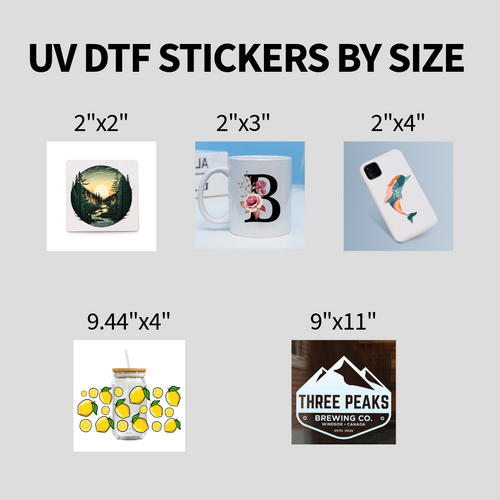
If a customer insists on fine lines or very small wording, resize the print area or adjust the art. Don’t promise impossible detail on a tiny left-chest file and hope the press saves it. It won’t.
Maximizing Profit with DTF Gang Sheets
A lot of shops think margin comes from charging more. Sometimes it does. More often, margin comes from wasting less film, less time, and fewer motions on press day. That’s why gang sheets matter.
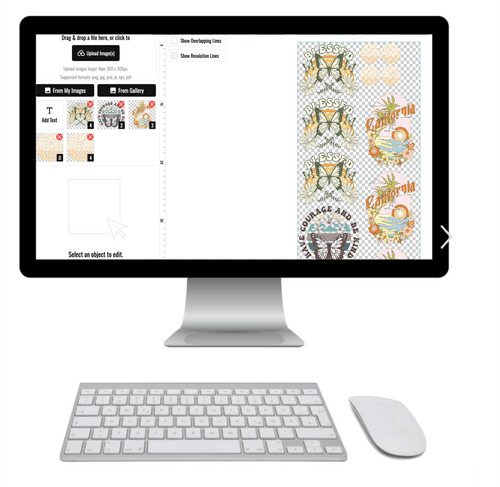
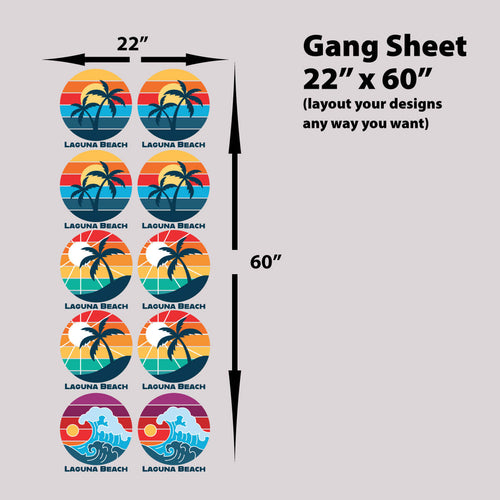
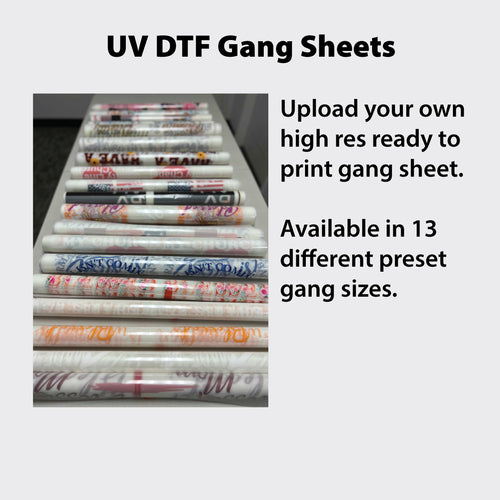
For small and mixed orders, gang sheets are one of the most practical ways to make custom apparel t shirts profitable. You place multiple designs, sizes, or repeats on one larger sheet, then cut and press what you need. The savings don’t come from magic. They come from density and workflow.
Why gang sheets beat one-off ordering
The screen printing versus DTF comparison from Morningstar Shirts states that for runs under 500 units, DTF is superior to screen printing, with zero setup costs and full-color output. The same source says DTF adoption rose 300% from 2020 to 2025 among e-commerce sellers, and hybrid shops reported a 25% profit uplift by using DTF gang sheets.
That lines up with what happens in production. If you order or print every design separately, you pay for dead space over and over. If you combine left chest prints, tag prints, sleeve logos, and front graphics into one organized sheet, each inch works harder.
The real profitability lever is layout efficiency
A gang sheet is not just a sheet with multiple designs on it. A profitable gang sheet is arranged intentionally.
Good layout does four things:
- Fills empty space with usable artwork instead of leaving gaps
- Groups similar jobs so cutting and sorting stay fast
- Matches production sequence so press operators don’t hunt for pieces
- Reduces reorder friction because repeated layouts are easier to save and rerun
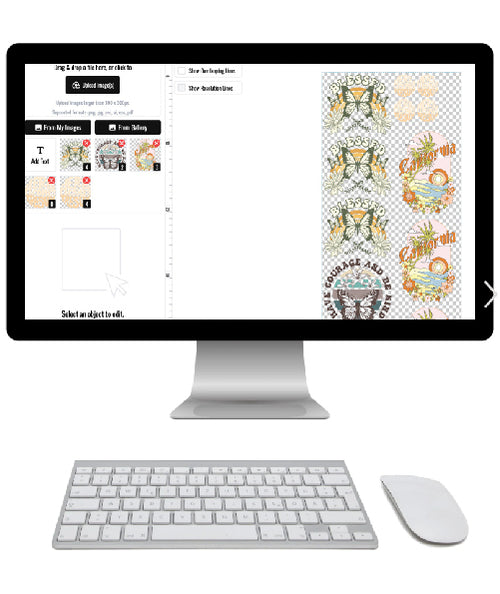
That’s where an auto-build tool earns its keep. Manual nesting takes time, and time is a production cost even when no one writes it on the invoice. An automated tool speeds up placement and removes a lot of avoidable mistakes.

What to put on one sheet
Don’t think only in terms of matching designs. Think in terms of matching workflow.
A profitable sheet might include:
- Front prints for one brand drop
- Left chest logos for a contractor order
- Neck labels for several SKUs
- Backup copies of high-risk pieces that are likely to be reordered
That’s one reason an Auto-build gang sheet builder for DTF production is useful. It reduces the manual arranging that usually slows down short-run jobs and helps pack more usable artwork into each sheet for cost control.
Common mistakes that kill sheet value
Some operators lose the gang-sheet advantage because they treat layout like a visual puzzle and ignore production.
Avoid these habits:
-
Mixing unrelated priorities
If one order is due now and another is waiting on blanks, don’t lock them together in a way that complicates cutting and dispatch. -
Leaving awkward slivers of waste
Small open areas can often hold sleeve hits, tags, or extra logos. -
Ignoring cut paths
Tight nesting is good until pieces become slow to separate or easy to mis-sort. -
Uploading inconsistent file sizes
A gang sheet doesn’t fix poor prep. It multiplies it.
A good gang sheet lowers cost twice. First on the print itself, then again when the press team can move through it without hesitation.
If you’re trying to grow from side income to stable shop revenue, gang sheets are one of the clearest turning points. They let you keep the flexibility customers want without accepting the waste that usually comes with small custom orders.
Pressing Custom Apparel T-Shirts Like a Pro
A strong transfer can still fail on the press. That’s the part a lot of sellers learn the hard way. They buy solid prints, rush the application, and then blame the method when the problem was moisture, uneven pressure, or guesswork on settings.
The basic DTF pressing sequence is straightforward. Press at 300 to 320°F for 10 to 15 seconds with medium pressure, then hot peel after 10 seconds of cooling, based on the workflow described in the verified DTF production guidance. The problem isn’t usually knowing the number. It’s applying it consistently across real garments.
Start with the garment, not the transfer
Every press job begins with the blank. Cotton, poly blends, and performance fabrics all behave a little differently under heat. Seams, collars, zippers, and moisture in the shirt can all change pressure across the platen.
Before the transfer goes down:
- Pre-press the garment to remove wrinkles and moisture.
- Lint roll the surface if the fabric attracts debris.
- Thread or position carefully so seams don’t create an uneven press plane.
- Check platen contact before you commit the print.
Many avoidable failures begin when a shirt looks flat on the table yet presses unevenly due to a side seam or thick collar edge.
Use a repeatable pressing routine
Operators get better results when they follow the same rhythm every time. Random variation is what creates callbacks.
A practical shop routine looks like this:
- Pre-press the garment briefly.
- Align the transfer and secure it if needed.
- Press at the approved temperature and dwell time.
- Let it cool briefly for the hot-peel window.
- Peel in one smooth motion.
- Repress with a cover sheet if the finish needs refinement.
The peel matters. If you jerk the film upward too fast or peel at a bad angle, you can disturb the edge before the adhesive has settled properly. Hot peel is fast, but it still rewards controlled motion.
Recommended Heat Press Settings for DTF Transfers
| Fabric Type | Temperature | Time | Pressure |
|---|---|---|---|
| Cotton | 280°F | 10 seconds | Medium |
| Polyester | 240 to 250°F | 7 to 10 seconds | Medium |
| Poly-blend | 250 to 260°F | 10 seconds | Medium |
| Nylon | 240°F | 5 to 7 seconds | Medium |
Those settings are the baseline. Your exact press, platen condition, room humidity, and blank brand can still affect the outcome. That’s why serious shops test each garment family before offering it broadly.
For a broader reference on application variables, heat press settings for DTF garments can help compare fabric behavior and refine shop standards.
What good pressure feels like
Pressure is the variable people describe worst. “Medium” means nothing until your team can feel the difference between weak contact and proper compression.
A few practical signs:
| Press result | Likely issue |
|---|---|
| Edge lift after peel | Pressure too light, garment not flat, or incomplete contact |
| Print looks scorched or distorted | Heat too aggressive for the blank |
| Adhesion looks patchy | Moisture, debris, seam interference, or uneven platen contact |
| Film fights the peel badly | Timing is off or the press cycle wasn’t consistent |
Don’t test settings on a customer order. Test them on the exact blank before you offer that blank for sale.
What separates a shop press from a hobby press
It isn’t just equipment price. It’s process discipline. Shops that get reliable results track which blanks run hot, which require extra flattening, and which placements are prone to error. They also train everyone to apply transfers the same way.
That consistency is what makes custom apparel t shirts scalable. One good press is not a system. A good press routine is.
Ensuring Durability and a Premium Finish
Customers don’t judge your work at the moment you peel the film. They judge it after wear, after washing, and after the shirt has lived through regular use. That’s why a premium finish is more than a visual detail. It’s part of quality control.
The custom apparel market note associated with Real Thread states that DTF adoption has surged 40% in major markets, and pricing at $0.017/sq inch on gang sheets can yield 60% margins. The durability side of that matters as much as the margin side. If the print lasts, the customer trusts the shirt. If the shirt holds up, the customer trusts the brand.

The post-peel press is worth doing
A second press after peel often improves the hand feel and surface finish. Use parchment or another suitable cover sheet, then apply a short finishing press. The result is usually a more settled print surface and a cleaner final look.
This extra step is especially helpful when:
- You want a softer, more matte presentation
- The print surface feels slightly raised after peel
- The garment is part of a premium retail order
- You’re standardizing finish across multiple operators
It takes extra time, but on higher-value shirts it’s time well spent.
Build a wash-test habit
Most small shops skip wash testing until a complaint arrives. That’s backwards. Every blank category you plan to sell should get its own test cycle before it becomes part of your regular catalog.
A practical internal check includes:
- Pressing the transfer on the exact blank you plan to sell
- Letting the shirt rest fully after application
- Running repeated wash and dry cycles under normal consumer conditions
- Inspecting edge adhesion, color hold, surface texture, and cracking
You don’t need a giant lab process to learn a lot from this. You just need consistency. Test the same way each time, keep notes, and don’t assume one successful press means a garment line is production-safe.
Brand reputation usually breaks on the little things. A print that looks fine on day one but degrades too early costs more than the original job was worth.
Quality checks that protect repeat business
A premium finish is partly technical and partly operational. Shops that keep customers tend to inspect the same points every time.
Use a final check list like this:
| Checkpoint | What to look for |
|---|---|
| Surface finish | Smooth appearance, no unexpected gloss patches |
| Edge integrity | No lifting corners or thin areas |
| Placement | Consistent location across the run |
| Fabric reaction | No press marks, scorching, or distortion |
| Print clarity | Sharp text, solid fill, clean linework |
The point isn’t perfectionism for its own sake. It’s fewer remakes, fewer disputes, and more confidence when you ship. Premium work looks better, but it also behaves better over time.
Pricing and Fulfillment for Your Apparel Business
Pricing custom apparel t shirts gets messy when shops price from instinct instead of process. They remember the transfer cost, forget labor, ignore spoilage, undercharge for rush handling, and then wonder why sales are strong but cash is tight.
A better pricing system starts with actual production inputs. Blank garment, transfer, pressing labor, trimming time, packaging, and delivery all belong in the equation. If you offer design cleanup, naming, individual personalization, or order splitting, those need to be accounted for too.
Build your pricing around production reality
There are two common models that work well.
Cost-plus pricing is the simpler one. Add your direct costs, add labor, then add the margin you need. This works well for contract printing, school orders, staff uniforms, and straightforward client work.
Value-based pricing fits better when the shirt solves a bigger customer problem. Event shirts, merch drops, branded kits, and short-deadline promotional work often justify stronger pricing because the buyer is paying for speed, flexibility, and convenience, not just fabric plus ink.
A practical pricing worksheet should include:
- Blank cost
- Transfer cost
- Pressing and finishing labor
- Artwork time or cleanup
- Packaging
- Shipping or pickup handling
- Spoilage allowance
- Target margin
If you skip even one of those, your quote can look profitable and still underperform.
Fulfillment is part of the product
A good shirt packed badly still creates a weak customer experience. Fulfillment needs to protect the garment and support the type of business you’re building.
For example, a contractor reorder needs fast sorting and clear size labeling. A boutique merch order needs cleaner folding and presentation. A school pickup order needs names or category grouping so distribution doesn’t become chaos.
Use simple systems that scale:
| Fulfillment task | Good practice |
|---|---|
| Folding | Keep a standard fold for all retail orders |
| Size sorting | Group by size and label clearly |
| Multi-design orders | Separate by job or placement before packing |
| Pickup orders | Mark customer name and order contents clearly |
| Shipped orders | Protect against moisture and transit friction |
Sustainability now affects buying decisions
The custom apparel market forecast from Global Growth Insights says demand is driven 60% by the desire for personalized items, 50% by advancements in digital printing, and 40% by preference for sustainable fabrics. The same report says 58% of consumers prefer sustainable materials.
That should affect how you build your offer. If your buyers care about sustainability, don’t bolt it on as a vague marketing note. Offer garment options that align with that preference, explain the difference clearly, and package orders without unnecessary waste where possible.
Fast production changes how you can sell
Quick turnaround gives small shops an advantage if they use it correctly. It supports local pickup, limited-time event selling, replenishment for small brands, and late-stage corrections on mixed orders. But speed only helps if your internal process is organized.
Use these operating habits:
- Batch by garment and placement so pressing stays efficient
- Pack in the same sequence orders are invoiced
- Set clear cutoff times for rush work
- Offer local pickup if your customer base supports it
- Keep reorder files organized so repeat jobs don’t start from zero
Pricing and fulfillment are connected. If your production flow is clean, your quotes can stay competitive without becoming desperate. If the flow is sloppy, no pricing model will fully save it.
Frequently Asked Questions About Custom DTF T-Shirts
What’s the difference between hot peel and cold peel DTF
Hot peel means you remove the film shortly after pressing, during the short cooling window used for that transfer style. Cold peel means you wait until the transfer cools fully before peeling. Hot peel is faster in production and helps keep workflow moving, but it still requires consistent timing and a smooth peel technique.
If you switch between transfer types, don’t assume the same habit works on both. Follow the transfer’s intended peel method every time.
Can I use a home iron instead of a heat press
You can experiment with an iron, but it’s not a serious production method. A heat press gives even pressure and consistent heat across the full print area. An iron usually doesn’t.
For hobby testing, an iron might get something to stick. For sellable custom apparel t shirts, use a press.
How do I handle very fine lines or small text
Simplify the artwork before it becomes a problem. Thin detail and tiny lettering are among the most common causes of weak output. Increase line weight, enlarge the design, or remove low-priority detail that won’t survive real-world viewing and washing.
If the detail only works when zoomed in on a screen, it’s probably too delicate for apparel at that size.
What causes a transfer to peel after washing
Usually one of four things is wrong. The press didn’t deliver enough pressure, the garment had moisture or debris, the application timing was inconsistent, or the transfer wasn’t properly finished on that fabric.
Start troubleshooting with the process, not the material. Recreate the job on the same blank and check prep, press contact, peel timing, and finishing.
Why does a print look dull even when it adhered well
The file may be weak, the garment color may be fighting the artwork, or the design may rely too much on subtle effects that don’t translate well to apparel. Some prints also improve visually with a controlled post-peel finishing press.
A transfer can bond correctly and still look underwhelming if the artwork wasn’t built for the shirt.
Should I use DTF or screen printing for every order
No. DTF is a strong choice for mixed jobs, short runs, full-color art, and flexible production. Screen printing still makes sense for certain larger runs and simpler artwork where the setup is justified. Good shops don’t force one method onto every job. They pick the process that matches the order.
How do I reduce mistakes when I’m scaling up
Standardize the repeatable parts. Use approved file specs, keep placement guides, test blanks before offering them, and batch jobs in a way that makes the press station easier to run. Most scaling problems come from inconsistent decisions, not from lack of demand.
What’s the biggest mistake new sellers make
They focus on getting the first shirt made instead of building a workflow that can make the tenth, fiftieth, and repeat order efficiently. One successful press is encouraging. A repeatable process is what makes a business.
If you want a simpler path from artwork to press-ready production, Lion DTF Transfers offers hot-peel DTF transfers, custom gang sheets, and online build options that fit shops, sellers, and creators who need consistent output without slowing down their order flow.