


You've got a design on your screen and a product idea in your head. Maybe it's your first merch drop, a staff uniform refresh, school spirit wear, or a customer order you need to turn around fast. The confusing part isn't the artwork. It's figuring out how to turn that file into a shirt that looks sharp, presses clean, and makes money instead of causing reprints.
That's where many get stuck in custom apparel printing. They start by asking which print method is “best,” then get buried in acronyms and half-answers. A better question is this: which workflow fits the kind of orders you want to produce? That question gets you closer to profit, consistency, and scale.
Your Big Idea Needs the Right Print
A lot of new creators think printing is mainly a design choice. It isn't. It's a production choice first. The method you choose affects how you prep files, how fast you can fulfill orders, how many garments you can handle in a day, and whether small runs are worth doing at all.
That matters because this space is growing fast. The global custom t-shirt printing market was valued at USD 5.16 billion in 2024 and is projected to reach USD 9.82 billion by 2030, with an 11.5% CAGR from 2025 to 2030, according to Grand View Research's custom t-shirt printing market analysis. This isn't a tiny side niche anymore. Buyers expect custom gear, short runs, and quick turnaround.
Where beginners usually get tripped up
Most first-time sellers and small shops run into the same three problems:
- Too many methods: Screen printing, DTG, HTV, DTF, sublimation, embroidery. The names pile up before the logic does.
- Bad fit between method and order type: A workflow that works for a school order can be terrible for one-off online merch.
- Production waste: Extra setup, poor file prep, bad placement, or underused transfer space can eat margin.
Practical rule: Don't choose a print method by trend. Choose it by order size, artwork style, garment type, and how repeatable the process is for you.
What good decision-making looks like
If you're serious about custom apparel printing, think like a shop owner, even if you're still working from a spare room. Ask:
- How many pieces am I making at once?
- Will the design change often?
- Do I need full color or simple spot colors?
- Am I printing on one fabric type or several?
- Can I fulfill this repeatedly without adding friction?
The creators who grow aren't always the ones with the flashiest designs. They're the ones who build a workflow they can repeat.
The Landscape of Custom Apparel Printing Methods
Before you choose a workflow, you need a clear picture of the main methods. Don't think of these as competing buzzwords. Think of them as different production tools for different kinds of jobs.

Screen printing
Screen printing is the old workhorse. The simplest way to picture it is industrial stenciling. Ink gets pushed through a mesh screen onto the garment, and each color usually needs its own setup.
That setup work is the whole story. Once you're dialed in, screen printing can be efficient for larger runs with simpler artwork. But if you're changing names, running lots of colors, or doing tiny quantities, setup starts to feel expensive in time and labor even before you count materials.
It shines when you've got consistent artwork and enough volume to justify prep.
Direct-to-garment
DTG is the closest thing to an inkjet printer for shirts. The printer applies ink directly onto the fabric, which makes it useful for detailed, colorful artwork and smaller orders.
The big advantage is flexibility on design complexity. If someone wants a graphic with shading, gradients, or photo-style detail, DTG handles that more naturally than methods built around separated colors. The limitation is workflow fit. DTG tends to favor certain garment types and can be less convenient when you need broad fabric versatility.
Heat transfer vinyl
HTV works like a cut-and-press process. You cut shapes or lettering out of vinyl, weed away the excess, then heat press the remaining design onto the garment.
For names, numbers, simple text, and bold graphics, HTV still has a place. Sports jerseys are the easy example. But once your artwork gets intricate, multicolor, or highly detailed, the labor piles up fast. Weeding tiny elements is not how most shops want to spend a busy afternoon.
Direct-to-film
DTF sits in a very useful middle ground. The design is printed onto a film, adhesive powder is applied, the transfer is cured, and then it's pressed onto the garment. That separates the printing stage from the garment application stage, which changes the workflow in a big way.
For many small businesses, that separation is the breakthrough. You can prepare transfers ahead of time, store them, and press them when orders come in. It supports full-color artwork, handles a wide range of fabrics, and avoids a lot of the setup drag that slows other methods.
Embroidery
Embroidery isn't printing, but it belongs in the conversation because customers often compare it with print options. Thread creates a stitched, textured finish that feels more formal on polos, hats, and workwear.
It's usually the right choice when you want a raised, premium look rather than a large graphic print.
A method can be excellent and still be wrong for your job. The question isn't whether a process is good. The question is whether it fits the way you need to produce.
A Deep Dive into Direct-to-Film Transfers
A familiar small-shop problem looks like this. Five orders come in before lunch. One is a full-color front print on black cotton tees. One is a left-chest logo on performance polos. Another is a hoodie reorder in mixed sizes. If every job has to be printed directly onto the garment from scratch, production slows down fast.
DTF helps because it separates artwork production from garment fulfillment. That one shift changes the whole business math. Instead of treating every shirt like a brand-new print event, you can prepare transfers in batches, keep them organized, and press them as orders arrive. For creators and small brands, that often means fewer stoppages, less wasted setup time, and better use of a small workspace.
How the DTF process works
The process has four basic stages. First, the design is printed onto film. Next, adhesive powder is applied to the wet ink. Then the transfer is cured so the adhesive is ready to bond. After that, the finished transfer is heat pressed onto the garment.
That sequence matters because DTF is really a two-part workflow. Transfer making happens upstream. Pressing happens downstream. A shop that understands that split can run more like an assembly line and less like a scramble.
A good analogy is meal prep in a busy kitchen. If sauces, chopped ingredients, and proteins are already prepped, the lunch rush stays under control. DTF gives apparel decorators that same advantage. The art can be ready before the garment ever reaches the press.
Why shops like the workflow
The biggest strength of DTF is not just that it can print detailed, full-color art. The bigger advantage is operational. You can batch the slow, technical part first, then handle garment application as orders come in.
That creates a cleaner rhythm:
- Transfer production: print, powder, cure, sort
- Order fulfillment: align, press, peel, inspect, pack
For a small business, that split solves several common bottlenecks at once. You are not waiting on a garment printer for every single piece. You are not rebuilding screens whenever a design changes. You are not committing finished inventory to every size and color before demand is clear.
This workflow also pairs well with gang sheet planning. If you place multiple designs on one sheet, you use film more efficiently and reduce waste. For shops comparing digital methods, this breakdown in DTF vs DTG printing workflows helps clarify why transfer-first production often fits mixed, fast-changing orders better.
Where DTF earns its place
DTF earns its keep on jobs that look messy on paper but normal in real business. A school order may include tees, hoodies, and athletic wear in one batch. A creator may test three designs in low quantities before committing to a winner. A local brand may need restocks in uneven size runs every few days.
In those cases, DTF gives you room to stay profitable because the workflow stays flexible.
- Mixed fabrics: one print approach can serve cotton, blends, and many performance garments
- Short and medium runs: you can produce low quantities without heavy setup drag
- Detailed artwork: gradients, small elements, and full-color graphics reproduce well
- Transfer inventory: storing prints flat takes less space than stocking finished garments in every variation
The practical lesson is simple. If your sales pattern changes often, your production method has to absorb change without creating extra labor each time.
What to watch closely
DTF still rewards disciplined production. If the powder coverage is uneven, the cure is off, the press pressure is weak, or the placement is rushed, the final print will show it. Shops sometimes blame the transfer when the problem happened at the process level.
Pressing deserves the same care as printing. Clean alignment, consistent temperature, real pressure, and a repeatable peel routine are what turn a decent transfer into a professional result.
If a transfer fails early, check the workflow before you check the artwork. Cure quality, pressure, and operator consistency usually decide the outcome.
DTF has become popular because it fits how modern creators sell. Designs change. Garment mixes change. Order sizes change. A transfer-based workflow gives small businesses a practical way to handle that variation without letting production chaos eat the profit.
Comparing Printing Methods for Your Project
If you only compare print methods by feel or by what someone on social media prefers, you'll make expensive decisions. Compare them by production reality instead. The right choice depends on quantity, artwork, fabric mix, and how often designs change.
Printing Method Comparison
| Factor | Direct-to-Film (DTF) | Screen Printing | Direct-to-Garment (DTG) |
|---|---|---|---|
| Setup style | Transfer-based workflow with prep before pressing | Screen setup tied to design and colors | Digital garment printing with garment-by-garment production |
| Best fit | Mixed orders, varied fabrics, full-color graphics, flexible runs | Larger runs with simpler artwork and stable designs | Small runs with detailed artwork, often on cotton-focused jobs |
| Color handling | Strong for multi-color and detailed designs | Best when artwork stays simpler | Strong for detailed and photo-style art |
| Fabric flexibility | Broadly versatile across many common garment types | Depends on the job and ink system | More limited in practical day-to-day use |
| Small-batch practicality | Strong | Often less practical because setup weighs heavily | Strong |
| Repeatability for changing designs | Strong | Weaker when designs change often | Good for short-run variation |
| Workflow bottleneck | Press accuracy and transfer handling | Setup and color separation | Garment printing speed and garment compatibility |
| Storage option | Can store transfers before pressing | Finished production usually follows setup | Usually printed to garment as ordered |
When screen printing still makes sense
Screen printing remains useful when the design is stable and the order is large enough to justify prep. If you're printing event tees, team shirts, or a company order with simple artwork repeated across many garments, screen printing can be a smart fit.
But there's a catch. The setup becomes harder to justify when you're handling:
- frequent art revisions
- many color variations
- names or personalized pieces
- small test runs
- mixed garment types
That's why some shops that love screen printing for bulk jobs still use transfer-based workflows for everything else.
Where DTG fits naturally
DTG is a strong option when you need soft-feeling, detailed prints on jobs that match its strengths. It's often attractive for one-off ecommerce orders and cotton-focused merch where artwork complexity matters more than broad fabric flexibility.
If you want a more focused breakdown of tradeoffs, this guide on DTF vs DTG printing is useful for understanding how the workflows differ in practice.
Why workflow often decides the winner
A lot of people compare methods as if they were only comparing image quality. In a real shop, workflow friction usually matters more. Ask yourself:
- Does this method let me accept mixed order sizes?
- Can I change designs without rebuilding setup?
- Can I fulfill rush jobs without chaos?
- Can I keep costs under control when customers order unpredictably?
That's where DTF often pulls ahead for creators and smaller businesses. Not because it replaces every other method. Because it handles messy, modern order patterns better than methods built for narrow conditions.
Shop-floor advice: Profit usually disappears in setup, rework, and wasted material. The print method that looks cheapest on paper isn't always the one that leaves you with the healthiest margin.
Your Production Workflow From Design to Press
Custom apparel printing stops being theory. Good shops don't just print well. They move cleanly from art prep to order building to pressing without introducing mistakes at every handoff.

File prep that prevents headaches
Start with the file. If the art is weak, nothing later fixes it. For professional results, artwork should be prepared at 300 DPI at the final print size, and oversized garments need adjusted placement and scale. A chest graphic that works at about 9 to 10.5 inches wide on a standard tee may need to grow to 11 to 13 inches on a 2XL or 3XL to keep visual balance, according to this oversized shirt design sizing guide.
A few file habits save a lot of trouble:
- Build at final size: Don't design small and hope the printer rescues it later.
- Keep the background transparent: That avoids unwanted boxes and makes placement cleaner.
- Use RGB during design: It's commonly recommended for on-screen workflows before output conversion, as noted in Printify's t-shirt design size guide.
- Check line weight and tiny text: If an element looks fragile on screen, it usually gets worse on fabric.
Ordering smarter with gang sheets
Beginners often leave money on the table. They order one transfer at a time, one design at a time, and one size at a time. That's easy to understand, but it's not efficient.
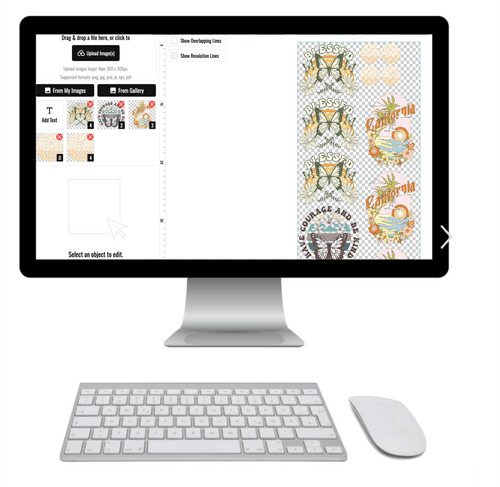
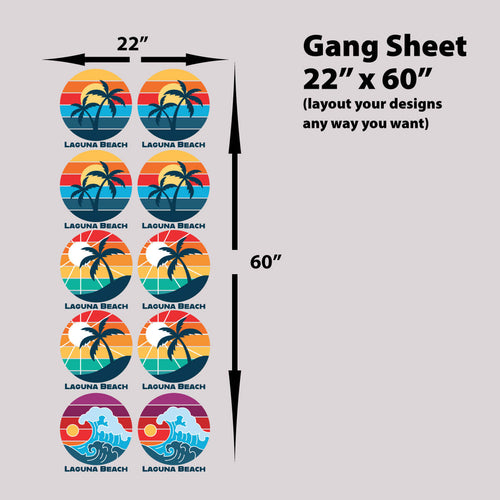
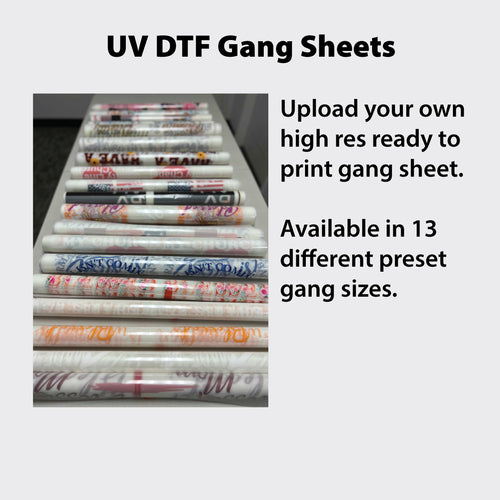
A gang sheet groups multiple designs on one transfer sheet so you use the available space better. That can mean one logo in several sizes, left chest prints plus full fronts, or a batch of different customer jobs nested onto a single sheet. The benefit isn't theoretical. It cuts waste and simplifies batching.
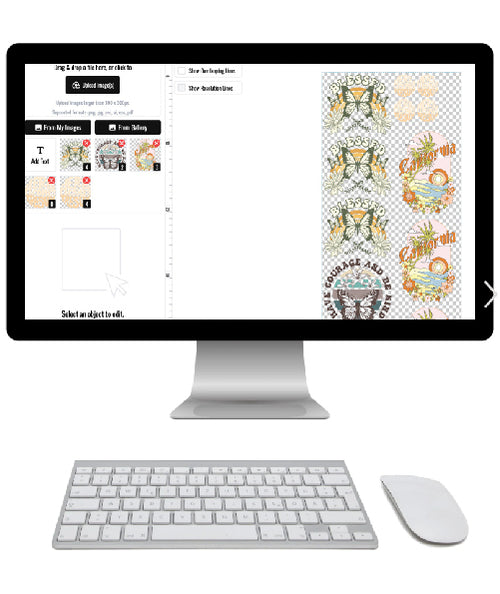
For shops and creators who want less manual arranging, the Auto-build Gang Sheet Builder is worth using because it helps place artwork onto a sheet quickly and in a more cost-conscious way. If you're ordering transfers, that kind of tool removes a lot of drag from production.
Pressing with consistency
Pressing is where a good transfer becomes a good garment. In a typical DTF workflow, pressing is done at around 300°F for about 50 seconds with significant pressure, which helps the adhesive bond properly during application. If you want a visual walkthrough of press setup and technique, this guide on how to use a heat press machine is a practical reference.
Use a repeatable sequence:
- Pre-press the garment to remove moisture and flatten the print area.
- Align the transfer carefully using the collar, seams, or a placement guide.
- Apply the full press cycle with real pressure, not a light tap.
- Peel according to transfer instructions and finish with a final press if your workflow calls for it.
The video below is a useful visual reference for how a transfer-based workflow comes together in practice.
The small details that separate hobby results from shop results
Two operators can use the same transfer and get different outcomes. Usually the difference comes from discipline, not equipment price.
- Measure once, then standardize: Keep common placement notes for left chest, full front, sleeve, and oversized garments.
- Test new blanks: Different fabric weights and finishes can change how a press behaves.
- Batch similar jobs together: Pressing runs faster when the garments and placements match.
- Keep rejected pieces visible: Your mistakes teach you faster than your successful jobs do.
Smart Use Cases for Custom Apparel
Once your workflow is clean, the business possibilities widen fast. Custom apparel printing isn't just for souvenir tees or one-time events. It's a practical way to package identity, promotion, and repeatable products.
The market size reflects that broader demand. The custom apparel market is projected to grow from USD 14.7 billion in 2023 to USD 31.2 billion by 2032, and one analysis noted that women represented 65% of revenues in 2023, according to this custom apparel industry statistic summary.

Small brands and merch drops
A creator launching merch doesn't always need a warehouse full of printed inventory. A cleaner approach is to hold blank garments, keep transfer-ready art organized, and produce in tighter batches.
That setup works especially well when:
- the designs change seasonally
- you want to test several graphics before committing
- customers prefer a mix of tees, hoodies, and sweatshirts
- you need restocks without rethinking the whole production plan
A small brand can look polished without acting like a massive operation.
Teams, staff, and uniforms
A coffee shop might need matching staff shirts. A youth team might want names and numbers. A contractor might need logo shirts that can be reordered quickly when a new employee joins.
These jobs reward workflow flexibility. Uniform programs often start small, then continue in uneven reorders. If your method punishes low-quantity follow-ups, the account becomes annoying to maintain. If your method handles repeat logos and small reruns smoothly, the account becomes dependable.
The most valuable apparel customers aren't always the biggest first orders. They're the ones who come back because reordering is easy.
Events and fast-turnaround projects
Volunteer shirts, family reunions, local fundraisers, pop-up shops, and school clubs all tend to share one trait. They move on a short clock.
For these buyers, production speed and simplicity matter as much as design. A workflow built around reusable transfers, careful gang sheet planning, and consistent pressing is easier to scale under deadline pressure than a method that needs more setup every time.
Fashion testing without overcommitting
A lot of early-stage apparel brands make the same mistake. They order too much of one design before they know what buyers want. Smarter testing looks smaller and faster.
Run a limited set of garments. Watch which styles move. Reorder the winners. Retire the weak designs without sitting on cartons of dead stock. That's not just safer. It's usually how better brands are built.
Ensuring Longevity and Final Thoughts
A shirt can look excellent coming off the press and still disappoint a customer two washes later. That gap between a good first impression and a good long-term result is where disciplined production earns its keep.
Print longevity starts before the garment ever reaches a washer. It starts with consistent press settings, dry fabric, firm pressure, and a repeatable workflow your team can follow without guessing. If one operator presses for a little less time, another skips the pre-press, and a third eyeballs placement, quality drifts fast. Profit usually drifts with it because reprints and complaints eat the margin you thought you made.
Simple care habits that help prints last
Customers do not need a technical explanation of adhesive powder or fabric behavior. They need clear instructions they can follow on laundry day.
Use care notes like these:
- Wash inside out: This cuts down surface rubbing against other garments.
- Use cold water: Lower heat is gentler on both the print and the shirt.
- Avoid high-heat drying: Too much dryer heat can stress the graphic over time.
- Keep irons off the print: Direct heat on the design can damage the finish.
A short care card in the package or a care note on the product page prevents a surprising number of avoidable problems. If you want a practical reference for customer expectations, this guide on how long DTF transfers last is a useful resource.
Troubleshooting common pressing issues
Pressing problems usually leave clues. You just need to read them the way a mechanic reads tire wear.
| Problem | Likely issue | What to check |
|---|---|---|
| Edges lifting | Not enough pressure or incomplete bonding | Increase pressure and confirm full contact |
| Uneven finish | Garment wasn't flat or moisture stayed in fabric | Pre-press before application |
| Weak adhesion | Press settings drifted | Recheck temperature and dwell time |
| Inconsistent results across garments | Workflow variation | Standardize placement and pressing steps |
The exact settings depend on the transfer and the supplier's instructions, but the pattern stays the same. Good adhesion comes from consistency, not luck. Keep a written press recipe for each transfer type, train everyone to follow it, and test one sample before running the whole batch. That simple habit saves far more time than it costs.
The bigger takeaway
Custom apparel printing rewards operators who treat production like a system. Design prep affects sheet layout. Sheet layout affects waste. Press discipline affects durability. Durability affects reorder rates and refund requests.
That is why workflow matters more than method charts alone. A creator or small shop does not just need a print that looks good. They need a process that handles short runs, reorders, deadline jobs, and growth without piling on setup time. Modern DTF transfers, paired with gang sheet builders and organized press practices, solve many of the bottlenecks that slow small businesses down.
If you are ready to turn designs into press-ready apparel with less setup friction, Lion DTF Transfers offers DTF transfers, gang sheets, and online ordering tools that fit the workflow described above, including an Auto-build Gang Sheet Builder for easier sheet creation and more efficient use of space.