



A lot of people start in the same place. You want to sell shirts, uniforms, event merch, or a few custom pieces online, then you price a professional press and the budget gets ugly fast. That’s usually when cheap heat presses move from “backup option” to “real option.”
That choice can work.
Affordable presses have opened the door for thousands of small operators, and the multifunction segment alone was valued at about $0.5 billion in 2024, with a projected 8.5% CAGR, according to multifunction heat press market data. The reason is simple. Budget equipment gives creators and small businesses a way into custom apparel without waiting for a perfect setup.
The mistake is thinking a cheap press will behave like a premium one straight out of the box. It usually won’t. If you buy budget gear, you need to run it like a technician, not just an owner. The operators who get clean, durable results from cheap heat presses usually do three things well. They choose the right press style, they calibrate around the machine’s weaknesses, and they protect margin with efficient production habits.
Your Guide to Starting a T-Shirt Business on a Budget
If you’re staring at a cart full of blanks, transfer supplies, and entry-level equipment, you’re not behind. You’re at the normal beginning. Most new apparel businesses don’t start with a premium swing-away and a fully built-out shop. They start with one machine, a small workspace, and a lot of testing.
Cheap heat presses make that first step possible. The good side is obvious. Lower upfront cost means you can put more money into garments, artwork, packaging, and customer acquisition. The harder truth is that budget gear shifts more responsibility onto you. You become the quality control department.
That’s still a workable path if you keep the order of priorities right.
Start with the products you want to sell. If your first goal is tees, hoodies, and simple custom orders, a basic flat press can get you moving. Then learn the press you bought before you expand into every attachment and every product category.
Practical rule: Your first press doesn’t need to do everything. It needs to do your main job consistently.
A home-based startup usually succeeds faster when the workflow stays simple:
- Pick one lane first: Focus on standard apparel before adding mugs, hats, or rigid items.
- Use repeatable artwork sizes: That makes layout, pressing, and reorders easier.
- Build around realistic output: Don’t price and promise like a commercial shop if you’re still learning your machine.
If you’re building from a spare room, garage, or corner table, this guide on how to start a t-shirt business at home is a useful next read before you buy equipment.
Understanding Budget Heat Press Types
The cheapest machine isn’t always the cheapest to live with. Style matters because it affects how you load garments, how much room you need, and how easy it is to place transfers accurately.

Clamshell presses
A clamshell opens and closes like a panini press. The top platen lifts upward from the back hinge and comes down over the garment. For many beginners, this is the easiest design to fit into a small room because the machine footprint stays fairly compact.
That compact design has trade-offs. A clamshell can feel tighter when you’re placing transfers near collars, seams, or thick hoodie pockets. On some cheaper models, the rear hinge design also makes pressure less even across the platen.
Clamshell presses are often the most realistic choice for:
- Small work areas: Apartments, spare bedrooms, and shared craft rooms
- Basic apparel jobs: Front chest prints, back prints, and simple repeat orders
- New operators: People who want a straightforward open-close workflow
Swing-away presses
A swing-away opens more like a heavy book arm rotating off to the side. You get a clear view of the lower platen, which makes garment loading easier and safer for many people. It’s also generally more comfortable when you’re trying to line up transfers carefully.
The downside is space. Swing-away presses need clearance around the machine, not just above it. In a crowded setup, that extra movement can become annoying fast.
For apparel work, swing-away models are often better when you care about placement accuracy and operator access more than footprint.
A swing-away usually feels slower at first, but many beginners place transfers better on it because they can actually see the pressing area clearly.
Combination presses
Combo machines try to be the all-in-one answer. You get a flat platen plus attachments for mugs, caps, and other products. On paper, that sounds ideal for a startup.
In practice, combo units often make the most sense only if you know you’ll use those attachments. If your real business is shirts, the extra parts can become clutter, and every attachment adds one more thing to store, learn, and troubleshoot.
A simple way to choose:
| Press Type | Best Advantage | Main Limitation | Best Fit |
|---|---|---|---|
| Clamshell | Space-saving design | Tighter access to platen | Small home setups |
| Swing-away | Better visibility and access | Needs more room | Apparel-focused users who want cleaner placement |
| Combo | Product versatility | More complexity and clutter | Sellers with genuine multi-product demand |
The Real Cost and Risks of Cheap Heat Presses
The biggest problem with cheap heat presses isn’t the purchase price. It’s inconsistency. A budget machine can save money on day one and lose money every week after that through reprints, wasted garments, and failed transfers.
Heat is the first place many low-cost presses show their weakness. Entry-level presses from brands like Vevor have shown temperature inconsistencies of up to 10°C near the platen edges in thermal imaging tests, and that matters because DTF film needs uniform heat around 150 to 160°C to cure properly and avoid peeling, according to Transfer Express testing on budget heat presses.
That edge drop is exactly why a press can look “fine” on a small center print and still fail on larger layouts or gang sheets. The middle cures. The outer area doesn’t.
Why cheap presses fail in real use
Manufacturers cut cost somewhere. Usually it’s in the heating system, the frame, the hinge design, the controller, or the platen itself. If the platen is thin and the heater isn’t distributed well, heat falls off near the outer areas. If the hinge and pressure system are loose, one side grabs harder than the other.
For DTF work, both problems show up quickly:
- Cold edges: The transfer may stick in the center but peel or crack near the perimeter.
- Uneven pressure: Adhesive doesn’t bond evenly, especially on seams, fleece, or textured garments.
- Inconsistent repeats: One shirt looks great, the next one with the same settings doesn’t.
Cheap Heat Press Budget Tiers Compared
| Price Range | Common Features | Typical Failure Points | Best For |
|---|---|---|---|
| Sub-$200 | Very basic controls, lighter frames, compact sizes | More noticeable heat inconsistency, weaker hinges, less stable pressure | Hobby use and occasional small apparel runs |
| $200-$400 | Larger platens, digital displays, more common clamshell and swing-away options | Uneven edge heat, pressure drift over time, mixed build quality | New side hustles and home-based apparel sellers |
| Under $500 combo units | Multiple attachments, flat platen plus mugs or caps | More parts to troubleshoot, compromises across functions, uneven performance by attachment | Users testing several product types on a tight budget |
What that means for a buyer
A cheap press isn’t automatically a bad buy. It’s a bad buy if you expect it to self-correct. You need to test the platen, learn the pressure pattern, and work within the machine’s sweet spot. If you do that, a budget press can produce sellable work. If you don’t, the machine will train you through failed shirts.
Key Features to Prioritize for Quality DTF Results
Most beginners shop by price and platen size first. I’d reverse that. For DTF, the machine needs to control heat and pressure predictably before anything else matters.

Digital controls that hold steady
A digital controller isn’t premium fluff. It’s the minimum for repeatable work. You need to set temperature and time precisely, then watch whether the machine behaves the same from job to job.
Cheap presses used for DTF have shown a 40% higher return rate for fading and peeling issues compared with HTV, tied to uneven platen wear after 500 cycles, according to Lion DTF’s review of affordable heat press reliability. That’s why a stable controller matters. It won’t fix weak hardware, but it gives you a consistent starting point and makes troubleshooting possible.
Platen quality and heat retention
If I had to inspect one physical part before buying, it would be the platen assembly. A better platen holds heat more evenly and recovers faster between presses. A weak one forces you into constant compensation.
Look for these practical signs of “good enough” on a budget model:
- Solid feel: The upper platen shouldn’t feel flimsy or tinny when opened and closed.
- Stable heating behavior: Reviews and demos should show the machine reaching and holding set temperature without obvious swings.
- Flat contact surface: The platen should close squarely, without visible tilt or rocking.
Pressure adjustment that actually locks down
Pressure control matters just as much as heat with DTF. You need a system that tightens with purpose, not one that feels vague until you clamp it and hope for the best.
A decent budget press should let you make noticeable, repeatable pressure changes. If the knob or mechanism feels sloppy, assume production will feel sloppy too.
Buy the machine that lets you repeat a result, not the machine with the longest feature list.
Build quality and support basics
Cheap heat presses often lose on longevity before they lose on first impressions. Check the hinge, handle, base stability, and wiring quality. If replacement parts, instructions, or support are impossible to find, that’s part of the purchase too.
A practical buyer’s checklist:
- Controller readability: You should be able to read the display quickly from standing position.
- Lower platen stability: Garments shouldn’t shift because the base flexes.
- Pressure mechanism feel: It should tighten predictably, not jump from loose to over-tight.
- Safe operation: Handles, frame edges, and electrical components should feel finished and secure.
Calibrating and Maintaining Your Budget Press
A cheap press should never go from box to paid order without testing. Factory settings are just a starting point. Budget machines often arrive usable, but not dialed in.

First-day calibration
Start with heat mapping. Bring the press up to your intended working temperature, then check multiple points across the platen with an infrared thermometer. You’re not looking for perfection. You’re looking for the machine’s pattern.
Next, test pressure with actual garments, not just by feel on an empty platen. Budget presses have shown 42 psi in the center and 28 psi at the edges in testing, and that inconsistency is a major reason DTF transfers delaminate and drop from 100+ washes to fewer than 50, according to this pressure variability demonstration on budget presses.
That tells you two things. First, don’t trust center performance as proof the whole platen is working. Second, don’t put your first large production run near the edges until you know how your machine behaves.
A simple calibration routine:
- Heat the press fully: Let it stabilize before checking readings.
- Map the platen: Check center, corners, and edges.
- Press test samples: Use the same fabric types you plan to sell.
- Record the best zone: Many cheap heat presses have a sweet spot.
- Adjust workflow around that zone: Center critical prints if needed.
Weekly and monthly maintenance
A press that starts acceptable can drift if you ignore it. Hinges loosen. Residue builds up. Pressure changes as parts wear in.
Weekly, wipe the platen and inspect the pad condition. Monthly, check whether the upper platen still closes level and whether your pressure setting feels the same as it did before.
If adhesive residue starts to build, clean it before it affects the next garment. This guide on how to clean a heat press covers the basics and is worth bookmarking.
Here’s a useful visual walkthrough before you start making adjustments on your own machine.
Small maintenance problems become print problems fast. A dirty platen, loose hinge, or worn pad can look like a transfer issue when the machine is really the cause.
Maximizing Profit with Smart Workflows and Lion DTF
Cheap heat presses force you to think like an operator, but they also force you to think like a business owner. Since weaker materials and lower-cost components mean that “something [fails] on a cheap heat press much sooner”, according to Heat Press Henry’s analysis of cheap heat press durability, profit depends on reducing waste every place you can.
That’s where workflow matters more than hardware bragging rights.
Use gang sheets to protect margin
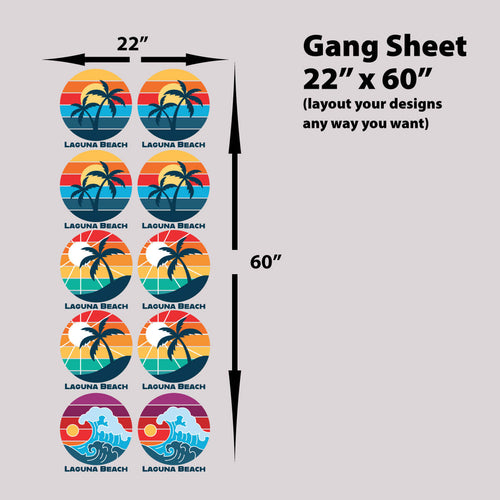
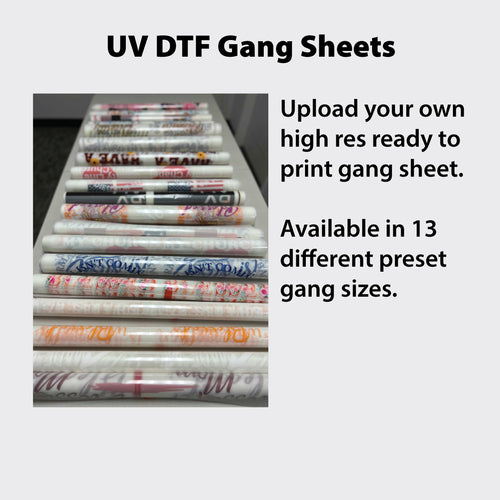
If your press isn’t top-tier, you can still run a strong business by tightening layout, reducing setup waste, and avoiding unnecessary reprints. Gang sheets help because they let you place multiple logos, left chest prints, tag prints, sleeve art, and full fronts on one sheet instead of ordering each piece separately.
The practical gain isn’t just material usage. It’s decision speed. You prepare one organized sheet, one pressing plan, and one clear production batch.
A strong workflow looks like this:
- Group orders by garment type: Similar fabric and print size means fewer setting changes.
- Build transfers in batches: Combine repeat logos, names, and common placements.
- Use consistent placement rules: That cuts alignment mistakes on cheap presses where repositioning costs time.
Why the Auto-build Gang Sheet builder matters
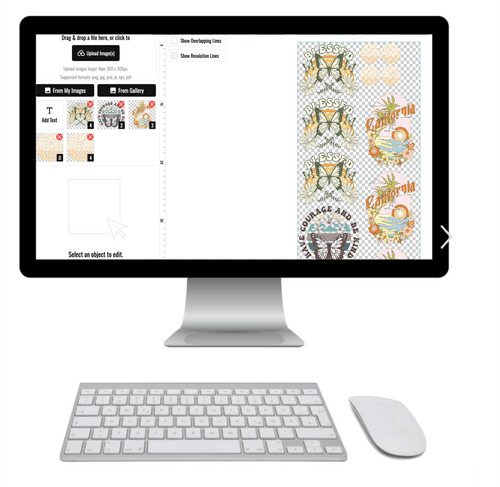
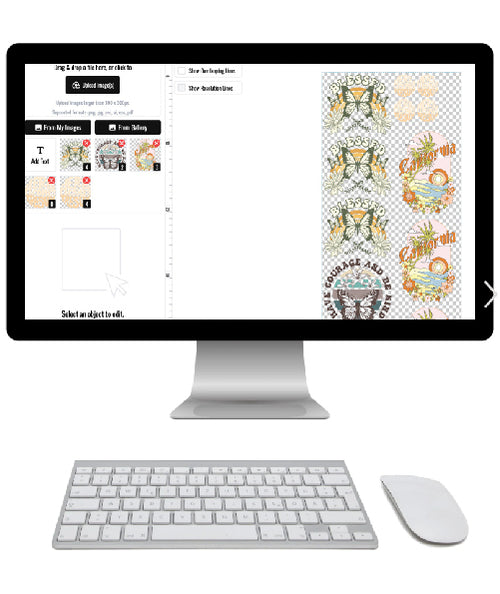
The easiest way to waste money with a budget setup is to be disorganized. You spend all your attention compensating for the machine, then lose margin through poor transfer layout. That’s why the Auto-build gang sheet builder practical guide is useful. It removes a lot of manual layout friction.
Instead of dragging every design around and second-guessing spacing, the Auto-build tool helps arrange artwork efficiently. That matters when your real goal is simple. Fit more sellable graphics onto each sheet, press them in logical batches, and keep the machine running inside its most reliable zone.
Expand carefully, not randomly
A cheap press can support a real business if you add products in a controlled way. Don’t jump from tees to every possible promo item in one month. Add products only after your apparel workflow is stable.
Profitable operators usually scale in this order:
- Standard tees and hoodies first
- Repeat team or business orders next
- Secondary placements after that, such as sleeves, pockets, and small branding areas
That approach gives you cleaner throughput and fewer ruined blanks.
Your Next Steps to Pressing Success
Cheap heat presses aren’t magic, and they aren’t junk by default. They’re tools with narrower margins for error. If you respect that, test them properly, and run disciplined production, they can absolutely help launch a real apparel business.
The winning formula is simple. Buy the right style for your space, prioritize heat and pressure consistency over flashy extras, calibrate the machine before selling with it, and build workflows that reduce waste. That matters more than owning the most expensive press in the room.
If you’re getting started, keep your setup lean. Master one press, one product line, and one efficient production system. Then scale from proof, not hope.
Frequently Asked Questions About Cheap Heat Presses
Can cheap heat presses work for sublimation too
Yes, but the same rule applies. You need even heat and dependable pressure. If the platen has obvious edge drop or pressure imbalance, sublimation results can look inconsistent, especially on larger pieces. Test small before taking paid work.
What should I do first if my transfer peels at the edges
Check the platen edges before changing everything else. Many cheap heat presses struggle most near the perimeter. Move the design toward the most reliable zone, confirm the press is reaching the intended temperature, and test pressure with the actual garment thickness you plan to sell.
Is a clamshell or swing-away better in a tiny workspace
Usually a clamshell. It takes less operating room and fits more easily into home setups. Choose a swing-away only if you have the clearance and know you’ll benefit from the extra access during layout.
Can I run a business with a combo press
You can, but only if your product mix justifies the attachments. If apparel is the main revenue driver, a simpler flat press is often easier to learn and maintain.
How do I know if my cheap press is no longer worth fighting
Watch for repeating problems that don’t respond to cleaning, recalibration, or pad replacement. If heat pattern drift, pressure inconsistency, or mechanical looseness keeps ruining otherwise correct jobs, the machine may have moved from “budget tool” to “production bottleneck.”
If you're ready to turn a budget setup into a cleaner, more profitable workflow, explore Lion DTF Transfers for premium hot-peel transfers, gang sheets, and the Auto-build gang sheet builder that helps you fit more usable artwork into every order and get more from every press cycle.