



So you're ready to start making custom apparel. That's a great move, whether it's for a new business or just for fun. Your single most important tool, the one that makes everything possible, is a quality heat press. For anyone just starting out, a solid entry-level machine will run you between $200 and $500. This price range is the sweet spot where you get consistent heat and durable build quality without having to drain your bank account.
Finding Your First Affordable Heat Press

Picking your first press can feel like a huge decision, but it doesn't have to be overwhelming. When we say "affordable," we aren't talking about the absolute cheapest machine you can find on the internet. We're talking about making a smart investment in a reliable piece of equipment that will give you professional results from day one.
Trust me, going too cheap will cost you more in the long run. A poorly made press with hot and cold spots is a recipe for peeling transfers, wasted shirts, and a frustrated customer base.
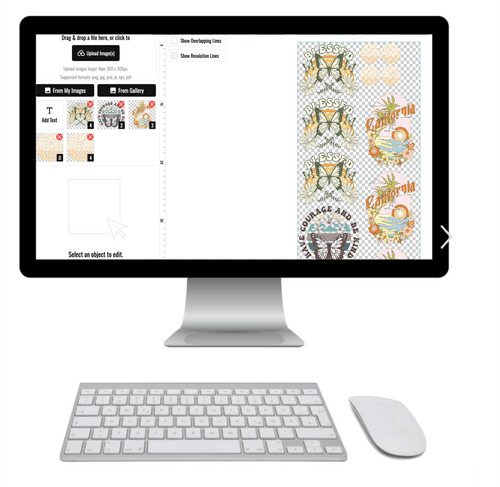
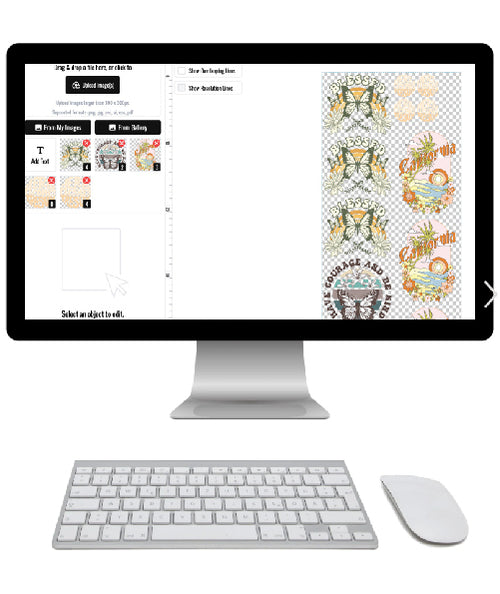
Think of your heat press as the heart of your entire operation. It's the final, critical moment where a beautiful Direct-to-Film (DTF) transfer becomes a vibrant, durable, and sellable garment. The right press guarantees every single print gets the perfect temperature and pressure it needs to look amazing. Our easy-to-use Auto-build gang sheet builder makes it cost-effective to get those beautiful transfers, and your press brings them to life.
Why a Quality Press Matters
Even the most perfect DTF transfers from us are worthless without a dependable press to apply them. Inconsistent heat and uneven pressure are the two biggest reasons applications fail. Just imagine spending your time and money on gorgeous designs, only to have them wash off a customer's shirt because your platen had a cold spot. That's a reputation killer.
This is exactly why you need to focus on value over rock-bottom cost. A good affordable heat press delivers on three key promises:
- Consistency: It holds the right temperature across the entire heating surface, every single time.
- Reliability: It's built on a sturdy frame that won't bend or break when you clamp it down.
- Professional Results: It gives you the confidence to sell products that will stand up to real-world wear and washing.
When you choose wisely, your press becomes a true partner in your success. If you're new to all this, you can dive deeper by checking out our guide on the best heat press for beginners to see which features really make a difference.
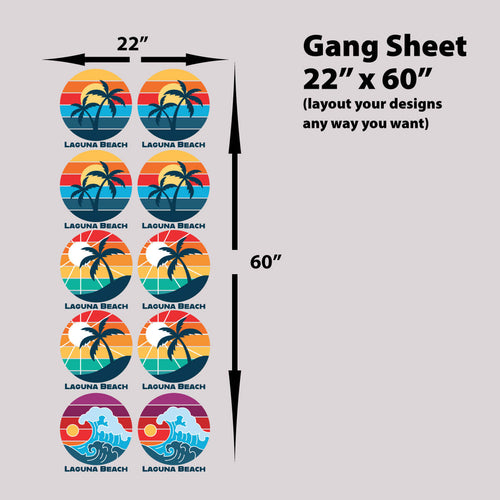
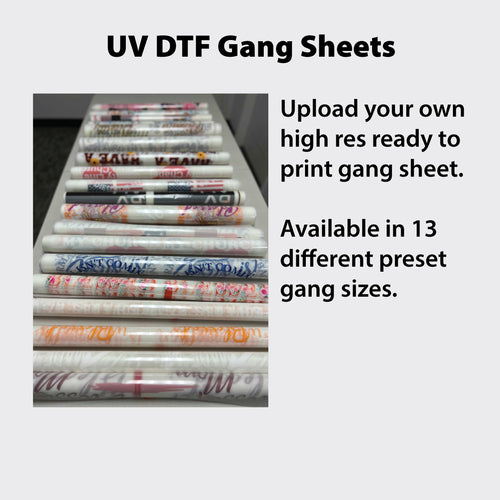
A great press is what lets you bring designs to life perfectly. And if you want to make that process even more profitable, pair it with our Auto-build gang sheet builder. It lets you cram multiple designs onto one sheet, which slashes your cost for each individual print. That’s how you get the most out of your press and your profits.
Clamshell vs Swing-Away Heat Press
When you're ready to buy an affordable heat press, you’ll hit a major fork in the road almost immediately: clamshell or swing-away? The style you choose completely changes how you work, so it's critical to understand the difference and pick the machine that fits your space and your projects.

A clamshell press opens and closes just like a waffle iron. The top platen lifts straight up and hinges down, making it compact and fast. This simple design is a go-to for anyone with limited space or a need to crank out standard items like T-shirts quickly.
But that efficiency comes with a trade-off. Since the heated platen is always hovering directly over your workspace, it can be tough to place detailed designs perfectly without feeling rushed. It also increases the chances of an accidental burn while you're arranging your garment and transfer.
The Clamshell Advantage
A clamshell press is the undisputed champ when you need to prioritize speed and save space. Its direct up-and-down motion is perfect for high-volume jobs where every second counts.
- Space-Saving: These machines have a much smaller footprint, making them a great fit for a home office, a corner of the garage, or a small workshop.
- Fast Operation: The simple open-and-close action is faster than swinging a heavy platen out and back, which really adds up when you're pressing a large batch of shirts.
- Cost-Effective: Clamshell models are typically less expensive, so they’re an excellent starting point for new businesses trying to manage their budget.
Clamshells are absolute workhorses for standard apparel. You can really maximize that speed by pairing one with our Auto-build gang sheet builder. It lets you pack dozens of your top-selling designs onto one sheet, dropping your cost per transfer and letting you press a huge variety of orders in a single session.
The Swing-Away Advantage
On the other hand, a swing-away heat press works more like a revolving door. The top platen swings completely away from the bottom one, giving you a wide-open, unobstructed view of your entire work area. For precision and safety, this design is a total game-changer.
That clear workspace makes it so much easier to perfectly align intricate DTF transfers without having to worry about touching a hot surface. It's also better for pressing thicker items like hoodies, plaques, or tiles because the platen comes straight down, ensuring perfectly even pressure across the entire surface. To see if it's the right move for you, check out our deep dive into the benefits of a swing-away heat press. Just be aware that it needs more room on your table to accommodate the swinging motion.
Must-Have Features in an Affordable Heat Press
When you start looking at heat presses, it's easy to get overwhelmed. But once you move past the basic styles, the specific features are what really separate a smart investment from a piece of equipment that will cause nothing but headaches. If you're shopping on a budget, having a checklist of non-negotiables is crucial.
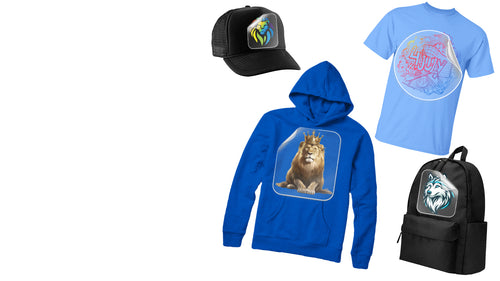
This isn't just about saving a few bucks upfront. It's about picking a tool that will actually help you create professional-quality products day in and day out. A press with sloppy controls or an uneven platen can turn a perfect Lion DTF transfer into a peeled, faded mess, wasting your time, money, and inventory.
Platen Size and Quality
First up, let's talk about the platen size. The platen is the heated metal plate that does all the work. While a giant press might look impressive, a standard 15x15 inch platen is the true sweet spot for most people starting out or running a small business. It's big enough to handle almost any adult t-shirt design you can throw at it, but it won't take over your entire workspace or break the bank.
But honestly, the quality of that platen is far more important than its size. Cheaper presses are notorious for having warped platens made from thin, low-grade metal. A warped platen is a deal-breaker because it will never apply even pressure, leaving you with spots where your DTF transfer just won't stick right.
A common failure point in cheap presses is uneven heat distribution. Cold spots across the platen are a recipe for peeling graphics. You need a press that delivers consistent, edge-to-edge heat, ensuring every part of your design receives the exact temperature required for a perfect application.
Digital Controls for Precision
Next on your checklist: the controls. You absolutely, positively need a press with digital time and temperature controls. Analog dials are pure guesswork, and with DTF transfers, precision is everything. Being off by just 10-15 degrees can be the difference between a vibrant, durable print and a scorched, unsellable garment.
Digital controls let you punch in the exact settings you need for different fabrics and then trust that the machine will hold them steady. Look for models with a clear, easy-to-read display that doesn’t leave you second-guessing. This level of accuracy is non-negotiable if you want to produce professional-grade apparel that actually holds up in the wash.
When you're comparing affordable models, it can be tough to keep track of what really counts. This checklist breaks down the essential features you should be looking for.
Affordable Heat Press Feature Checklist
| Feature | What to Look For | What to Avoid | Why It Matters for DTF |
|---|---|---|---|
| Platen Quality | Thick, flat aluminum platen; Teflon-coated surface. | Thin metal, visible warping, or uneven coating. | A flat platen is critical for the even pressure DTF transfers need to bond correctly. |
| Temperature Control | Digital LCD display; accuracy within +/- 5°F. | Analog dials or vague "Low/Medium/High" settings. | DTF requires a specific temperature window; guesswork leads to failed applications. |
| Timer | Digital display with an audible alarm. | Manual timing (stopwatch) or no timer at all. | Precise timing prevents under-curing or scorching the garment and transfer. |
| Pressure Adjustment | Center-mounted manual knob; easy to turn. | Flimsy knobs or systems that are hard to adjust. | DTF needs consistent, firm pressure that you can easily dial in and repeat. |
| Build Quality | Solid steel frame; welded joints. | Plastic components on the frame or handle. | A sturdy frame ensures the press can handle firm pressure without flexing over time. |
| Warranty | At least a 1-year warranty on parts. | 30-day returns only or no warranty information. | A good warranty shows the manufacturer stands behind their build quality. |
Think of this table as your quick-reference guide. If a press you're considering has too many red flags in the "What to Avoid" column, it's probably best to keep looking.
Build Quality and Pressure Adjustment
Finally, you need to size up the overall build quality and pressure system. Even when you're shopping online, you can spot the warning signs of a weak frame. Steer clear of presses with a lot of plastic parts or joints that look flimsy. A solid, steel-welded frame is what you want for a machine that’s going to hold up to daily use.
Pressure is just as important as temperature. Your press must have a reliable and easy-to-use pressure adjustment knob. This allows you to dial in that perfect medium-to-firm pressure needed for DTF transfers to bond permanently with the fabric fibers. A machine with a clunky or unreliable pressure system will give you inconsistent results and weak prints that won't last.
Remember, a great press is only part of the equation for a profitable workflow. Combining a reliable machine with smart ordering—like using our Auto-build gang sheet builder to pack multiple designs onto one sheet—is how you really start to win.
Perfecting Your DTF Pressing Technique
Getting a quality heat press is the first step, but the real skill comes from mastering the pressing technique itself. This is the moment where your vibrant DTF transfer permanently bonds to the garment. Nailing that flawless, durable finish all comes down to controlling three things: time, temperature, and pressure.
Even with a reliable press, things like fabric type or even the humidity in your room can change the outcome. That’s why having a consistent, repeatable process is your best asset. Small details, like pre-pressing a shirt for 5 seconds, make a huge difference by removing moisture and wrinkles that could otherwise ruin your transfer.
These are the features that give you that critical control.

The image above highlights how platen size, digital controls, and even heat distribution all work together. It’s a simple formula: consistent, edge-to-edge heat, managed by accurate controls, is the foundation for professional-grade results.
The DTF Pressing Recipe
Think of pressing a DTF transfer like following a recipe. Different fabrics are like different ingredients—they need slightly different settings to come out perfect.
While you'll fine-tune things, a great starting point for most cotton and polyester blends is a temperature of 240-280°F for 10 seconds with firm pressure.
Here’s a basic step-by-step process for a successful press every time:
- Pre-Press the Garment: Place your shirt on the lower platen and press it for 5 seconds. This gives you a flat, dry surface to work with.
- Position Your Transfer: Carefully lay the DTF transfer on the garment. If you need it to be perfect, use a little heat-resistant tape to hold it in place.
- Press with Protection: Cover the transfer with a Teflon sheet or parchment paper. This protects both the transfer and your heat press.
- Execute the Press: Lock down the press using the right time, temperature, and firm pressure for your specific fabric.
- Perform the Hot Peel: As soon as the timer goes off, open the press and immediately peel the film away in one smooth, confident motion. This is the key to a clean "hot peel" finish.
Troubleshooting Common Issues
Even with a solid process, you’ll occasionally run into problems. If your transfers aren't sticking properly, it's almost always a pressure problem—try increasing it just a bit. If you notice scorching on sensitive fabrics like polyester, lower the temperature by 10-15 degrees and shorten the press time.
For a deeper dive into dialing in the perfect settings for all kinds of materials, check out our detailed guide on heat press settings for DTF transfers.
By mastering these techniques, your heat press will become a powerhouse for creating stunning, long-lasting custom apparel.
Getting Your DTF Workflow and Costs Dialed In
Having a smooth workflow is what turns a fun side project into a real, profitable business. Your heat press might be the main event, but it's the right accessories and a smart process that make your entire operation run without a hitch. These tools aren't just about convenience—they're about preventing expensive mistakes and making sure every single print comes out looking professional.
It's often the simplest accessories that have the biggest impact on your day-to-day. For instance, a Teflon sheet is a non-negotiable. Placing one over your transfer creates a barrier that stops ink from ever sticking to your upper platen or scorching the garment. In the same way, a roll of heat-resistant tape is a lifesaver for locking small or awkwardly placed transfers in position, stopping any misalignments that waste a good garment and a perfectly good transfer.
Smart Tools and Your Bottom Line
Beyond the basics, building a business that actually makes money means getting strategic about your costs. This is where tools designed to boost your return on investment really change the game. An affordable heat press helps you save on the initial setup, but smart ordering is what saves you money on every single item you print from then on.
The single most effective way to drop your cost-per-print is to use every single inch of your transfer sheet. Any blank space is wasted money, and ordering your designs one at a time just isn't efficient for a growing business.
This is precisely why we created our Auto-build gang sheet builder. It’s a simple but powerful tool that lets you arrange multiple designs—all different shapes, logos, and sizes—onto one big sheet. Instead of paying for each transfer individually, you just pay for the sheet, which drastically cuts the cost of each design. This one change to your ordering process can make a huge difference in your profit margins.
Building an Efficient Print System
To really get your whole operation streamlined, think about adding these pieces to your workspace:
- Pressing Pillows: These foam-filled, heat-resistant pads are a must-have when you're working with anything that has zippers, thick seams, or buttons. The pillow raises the print area, which is the only way to get the firm, even pressure you need for a perfect DTF application.
- Laser Alignment System: If you're doing high-volume work or jobs that need serious precision, a laser guide helps you line up every transfer in the exact same spot, every single time.
- Design Organization: This sounds simple, but it matters. Keep your digital files and your pre-cut transfers organized. A messy system is a recipe for mistakes and wasted time digging for the right design.
When you pair a reliable press with these key accessories and cost-saving tools like our gang sheet builder, you’re creating a system that’s powerful, profitable, and efficient. This approach cuts down on waste, makes ordering way simpler, and sets you up for real, long-term success.
Keeping Your Heat Press in Top Shape for the Long Haul
Think of your heat press as the workhorse of your entire operation. Just like any crucial piece of equipment, it needs a little bit of regular attention to keep running smoothly. Taking care of your press is what ensures it delivers those crisp, professional results year after year, saving you from the headaches and lost income that come with unexpected downtime.
A simple maintenance routine isn't time-consuming, but the payoff is huge. It protects your investment and makes sure every single DTF transfer gets the exact heat and pressure it needs. When you skip the basics, you're risking inconsistent prints, wasted materials, and a much shorter lifespan for your machine.
A Quick Maintenance Checklist
Keeping your press clean and running right is pretty straightforward. By focusing on a few key areas regularly, you can head off common problems before they even start.
- Cleaning the Platen: Once your press has cooled down completely, just wipe the Teflon-coated platen with a soft, clean cloth. If you’ve got some stubborn gunk from a transfer or adhesive, grab a specialized platen cleaner. Never, ever use an abrasive pad or scrubber—you’ll scratch the non-stick surface for good.
- Checking the Electricals: Give your power cord and plug a quick look-over for any signs of fraying or damage. A solid electrical connection is non-negotiable for both your safety and for getting consistent power to the platen.
- Lubricating Moving Parts: If you have a swing-away or auto-open press, a little lubricant on the pivot points and joints goes a long way. Check your manufacturer's guide for what to use. This keeps the action smooth and prevents strain on the machine’s frame.
Consistent maintenance is the secret to getting every dollar's worth out of an affordable heat press. It stops the small issues—like uneven pressure or heat spots—that are almost always the real reason applications fail.
Essential Safety Practices
Safety always comes first. A heat press gets incredibly hot and demands your respect to prevent any accidents in the workshop.
Always make sure you're working in a well-ventilated area. This helps any fumes from the garments or transfers clear out quickly. Keep your workspace free of clutter, especially anything flammable, to cut down on fire risk. And finally, always be aware of the hot platen. Even after you’ve turned it off, it can stay dangerously hot for a long time.
Sticking to these simple maintenance and safety tips makes sure your machine is ready to go for your next big project. This bit of proactive care lets you focus on what really matters—creating awesome products and making money, especially when you pair your press with our Auto-build gang sheet builder to get the most out of every print run.
Common Questions About Affordable Heat Presses
Jumping into the world of custom apparel always brings up a few key questions. We get it. To make sure you’re choosing the right affordable heat press with total confidence, we’ve put together clear answers to the most common things creators ask.
One of the first questions we hear is about size. For most people starting out, a 15x15 inch press is the sweet spot. It’s large enough to handle the vast majority of adult t-shirts and other popular items, but it won't break the bank or take over your entire workspace.
Expanding Your Product Line
Lots of creators wonder if they'll be stuck just making t-shirts. Definitely not! A quality flatbed heat press is a versatile workhorse, perfect for all sorts of flat items like tote bags, pillowcases, mousepads, and even coasters. It’s an easy way to expand your product line without buying more equipment. For maximum cost-effectiveness, you can group designs for all these different products on a single sheet with our Auto-build gang sheet builder.
But what if you want to press thicker items? If you're planning to work with hoodies or sweatshirts that have bulky seams, a swing-away press is almost always the better choice. It gives you the extra clearance and even pressure you need to get a perfect application, even on those trickier surfaces.
Of course, cost is a huge factor. You can expect a reliable and durable heat press to fall somewhere in the $200 to $500 range. While cheaper machines are out there, investing in this price point gets you much better build quality, more consistent heat, and a solid warranty to protect your investment.
What about power? Most heat presses designed for home or small business use will run on a standard household outlet. To be safe, it's always best to plug your press into a dedicated circuit that isn't sharing power with other heavy-duty appliances like a microwave or an AC unit.
This little step ensures your press gets a steady stream of power for consistent performance, helping you create flawless products every single time.
Ready to turn your incredible designs into real, tangible products? At Lion DTF Transfers, we make it simple to get professional, vibrant prints for your new heat press. Maximize your profits with our Auto-build gang sheet builder and start creating stunning custom apparel today.