



You're probably in one of two spots right now. You landed a team order that's bigger than anything you've handled before, or you're building a merch brand and you've realized retail blanks will wreck your margins fast.
That's when blank jerseys wholesale starts looking simple on the surface and messy underneath. Every supplier says their jerseys are premium. Every listing looks decent in photos. A lot of guides also make it sound like you need a huge budget, a warehouse, and a formal wholesale setup before you can even begin.
You don't.
What you do need is a buying process that protects your cash, your print quality, and your reputation. The wrong jersey can print badly, fit badly, arrive late, and turn a profitable order into a stream of remakes. The right jersey gives you room to price confidently and deliver work that customers reorder.
Understanding Jersey Materials and Construction
When you compare jersey blanks, start with the fabric and the build. Supplier photos will not tell you how a jersey presses, how it hangs on the body, or whether it still looks sellable after a few washes.
That matters more for small shops than a lot of guides admit. If you are buying in modest quantities, one bad jersey choice can wipe out the profit from an order because you do not have much room for remakes, spoilage, or slow-selling leftover stock.
The category is growing fast. Analysts at Polaris Market Research covering the blank apparel market project steady expansion in blank apparel demand, which tracks with what decorators already see on the ground. More team wear, more merch brands, more buyers expecting retail-level quality from undecorated blanks.
Start with the fabric, not the color chart
Performance polyester is the standard for athletic jerseys because it handles sweat, repeat wear, and print methods like sublimation well. Cotton works better for casual and fashion-focused jerseys where softness matters more than moisture control. Blends can be a smart middle ground, but only if you know what compromise you are accepting on feel, heat response, and print finish.

If you decorate apparel regularly, it helps to review different T-shirt materials and how they behave under print and heat. Jerseys follow the same basic rule. Fiber content affects drape, heat tolerance, moisture handling, and how the print looks after real use instead of just right off the press.
Practical rule: Buy for the decoration method and the end use first. Color and price come after that.
What each material is actually good at
A spec sheet gets easier to read once you know what problem each fabric solves.
| Material | Best use | Watch out for |
|---|---|---|
| 100% polyester | Team uniforms, sublimation, moisture-focused wear | Low-grade versions can feel thin, shiny, or cheap |
| 100% cotton | Lifestyle jerseys, streetwear drops, softer casual pieces | Absorbs sweat, dries slower, less suited to performance use |
| Poly-cotton blends | Fan merch, mixed-use team apparel, crossover styles | Heat response and print finish can be less predictable |
For shops that print in-house, the biggest mistake is treating all polyester as equal. It is not. Some polyester jerseys press cleanly and hold shape. Some scorch easily, show press marks, or feel so slick that the finished piece reads cheap even if the print looks sharp.
A jersey can pass the thumbnail test and still fail in production.
Construction matters as much as fiber
Fabric content tells you what the jersey is made from. Construction tells you whether it is worth decorating.
Check these points before you place a wholesale order:
- Seams and stitching: Look for straight stitching, consistent seam tension, and clean finishing around sleeves, side seams, and plackets.
- Cut and fit: Trim athletic cuts can look sharper, but they also increase return risk if your customer base prefers a looser fit.
- Panel layout: Buttons, piping, stripes, contrast shoulders, and mesh side panels all reduce usable print space.
- Fabric weight and hand: Lightweight mesh may be right for sports, but it can show platen lines, adhesive marks, or dye migration more easily than a denser knit.
- Neck, placket, and hem details: These affect how premium the blank feels before you ever decorate it.
Small buyers should also pay attention to consistency across sizes. A supplier might send a solid medium and a poorly cut 2XL from the same style. That creates avoidable problems if you are fulfilling team sets, family merch runs, or event orders where the whole batch needs to match.
A good blank jersey is not just a garment. It is the base for your print quality, your reorder rate, and your margin.
Your Guide to Sourcing Wholesale Blanks
A lot of new sellers get stuck before they place the first order because they believe one myth. They think wholesale is locked behind a formal license and long-term account setup.
That's not always true. Contrary to popular belief, small businesses in major markets can easily purchase wholesale-grade blanks through liondtf.com
Three real sourcing paths
Most small shops end up using one of these channels.
Direct from manufacturers
This route can give you stronger pricing and better control over repeat inventory. It's also where you'll usually face stricter order requirements, slower communication, and less flexibility on mixed sizes or colors.
Direct buying works best when you already know:
- exactly which style moves for you
- which sizes you reorder most
- how much cash you can tie up in inventory
If you're still testing a market, manufacturer-direct can lock you into too much stock too early.
Large distributors
Distributors are the middle lane. You won't always get the absolute lowest base cost, but you often get easier ordering, broader size runs, easier reorders, and faster domestic fulfillment.
For a new print shop, that reliability is worth money. It reduces the chance that one missing youth size holds up a full team order.
Online B2B and open-access wholesale platforms
Many startups should begin here. The barrier to entry is lower, product access is wider, and you can test styles without pretending you're a massive operation.
The downside is that quality varies hard. Some listings are solid. Some are just polished product photography covering weak fabric, inconsistent sizing, or poor stock continuity.
The best supplier for a startup usually isn't the cheapest one. It's the one that lets you reorder the same jersey next month without surprises.
How small shops should source their first serious order
Don't start by asking, “Who has the cheapest blank jerseys wholesale?”
Start with these questions instead:
-
Can they keep the style in stock?
If you land a reorder, can they match the same jersey again? -
Do they offer sample access?
If a supplier won't let you test the product, that's a warning sign. -
Can you mix sizes cleanly?
Team and merch orders rarely run evenly across all sizes. -
Are they responsive before payment?
Slow answers before the order usually become slower after the order. -
Do they understand decorators?
Sellers that know print shops tend to provide better fabric details, color consistency, and replacement handling.
A practical first move
For your first large purchase, split risk. Order samples from more than one supplier. Press them. Wash them. Compare fit, hand feel, and print response. Then place your real order with the supplier that performs best under your actual production conditions, not the one with the most polished website.
That approach costs a little more upfront and saves a lot more later.
Decoding Pricing MOQs and Profit Margins
New buyers usually focus on unit price. Experienced decorators focus on landed cost.
That difference is why some shops stay profitable and others stay busy but broke. A jersey that looks cheap on the product page can become expensive once freight, spoilage, replacements, and customer complaints show up.
To illustrate how buyers often think about tiers, this pricing visual is useful as a concept piece:

The price trap most startups fall into
The common target is simple. Find a blank under a certain number, decorate it, and sell it at a decent markup.
The problem is quality. Many startups seek blanks under $20, but this often leads to high return rates as cheap polyester blends can degrade after 50+ washes and fail to hold heat-applied graphics, whereas professional-grade, moisture-wicking polyesters at $25–$30 ensure print longevity and customer satisfaction, based on the sourcing discussion in this Reddit thread on blank baseball jerseys.
That's a real trade-off. If you sell custom sportswear, your customer doesn't judge the blank and the print separately. They judge the finished jersey as one product.
How to think about MOQs without getting burned
MOQ means minimum order quantity. It sounds simple, but it shapes your whole buying strategy.
A low MOQ helps when you're testing:
- a new team style
- a school fundraiser run
- a niche merch concept
- a youth and adult size mix you haven't sold before
A higher MOQ can make sense if:
- you already know the jersey sells
- you can reorder the same decoration repeatedly
- your supplier offers enough consistency to justify stocking deeper
Here's the mistake I see often. A shop jumps into a large order to chase a lower per-unit cost, then discovers half the sizes move slowly and the rest are unavailable by the time the reorder comes in. Savings on paper disappear in storage, dead stock, and split-shipping headaches.
This walkthrough helps frame the buying math in a real production context:
Use a simple landed-cost formula
Before you quote a customer, add up:
- Blank garment cost
- Inbound shipping
- Tax and handling
- Decoration cost
- Spoilage allowance
- Packing materials
- Labor
- Replacement risk
If your margin only works when everything goes perfectly, your pricing is too low.
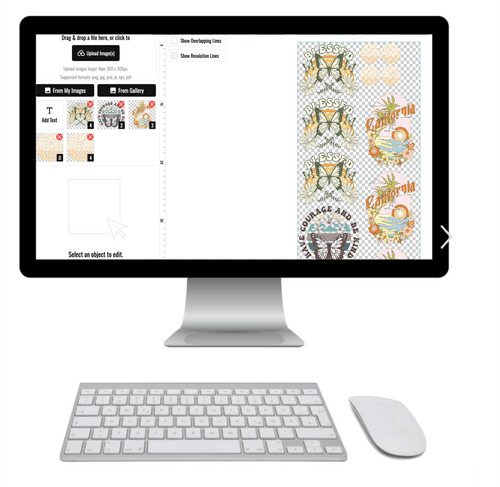
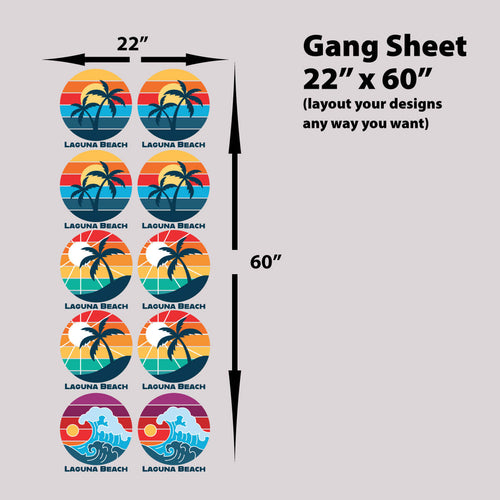
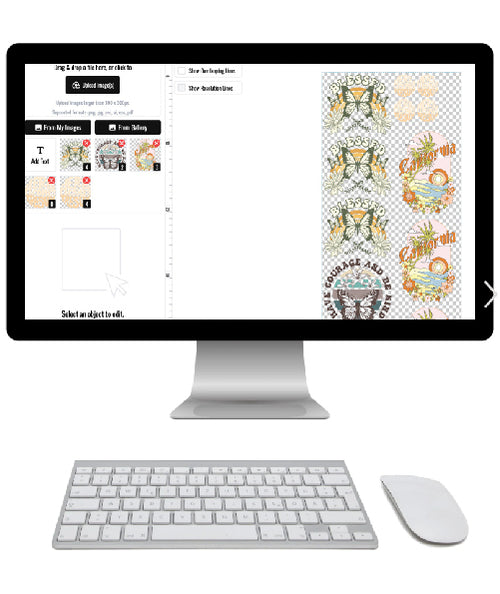
One more operational note matters here. The easier it is to lay out multiple logos, names, and sleeve prints efficiently, the easier it is to protect margin on smaller runs. That's why shops pay attention to tools like an Auto-build gang sheet builder. It improves ease of use and cost effectiveness when you're trying to reduce waste on transfer layouts instead of over-ordering material.
How to Vet Suppliers and Guarantee Quality
Your first big team order is where supplier problems stop being annoying and start getting expensive. A late carton, a bad size run, or fabric that reacts badly under heat can wipe out the margin you thought you had.
Small shops feel this faster than big buyers because there is less room for error. You may not have a formal wholesale account history or the budget to absorb a failed reorder. That means vetting matters before you commit, not after the boxes land.
What to inspect on the sample
A product page cannot tell you how a jersey behaves in production. A sample can.
As noted earlier, some suppliers publish useful material details. Keep that standard in mind here, but do not stop at the spec sheet. Put the sample through the same checks you would use before approving a customer job. If you need a refresher on production variables that affect print results, this practical guide to t-shirt printing methods and setup basics helps frame what to test.
Run this checklist on every sample:
- Seam quality: Turn the jersey inside out. Check for skipped stitches, loose threads, uneven seam allowance, and weak spots near sleeves, side seams, and plackets.
- Fabric consistency: Compare multiple colors in the same style if you can. Some suppliers keep the cut the same but change fabric feel or stretch by color.
- Surface behavior: Press a small test graphic. Watch how the face reacts to heat, pressure, and peel, especially around textured mesh or coated finishes.
- Shape retention: Stretch the collar, sleeve opening, and body lightly. Low-grade blanks lose shape early, and that shows up fast on athletic fits.
- Sizing reality: Measure chest width, body length, and tolerance from piece to piece. Size charts are a starting point, not proof.
One sample is enough to reject a supplier. It is rarely enough to approve one.
If the jersey is a serious candidate, ask for a second sample in another size or color. That extra step costs a little up front and saves a lot of trouble when your first customer order includes youth sizes, extended sizes, or a color you did not test.
Questions that reveal whether a supplier is serious
Good suppliers answer operational questions clearly. Weak suppliers answer with sales language.
Ask them:
- What is the claim process for short shipments, defects, or size mix errors?
- Can they confirm current stock and realistic restock timing for your style?
- Will reorders match the same fabric, trim, and color lot closely enough for team work?
- Can you buy samples without opening a large account?
- Who handles problems after the order is placed?
The goal is not to catch them in a mistake. The goal is to see how they handle details that affect your schedule and your refund risk.
A supplier with clear answers and stable reorders usually makes you more money than a cheaper supplier who goes quiet after payment.
Red flags that should stop the order
Use this table as a quick filter:
| Green light | Red flag |
|---|---|
| Sample arrives on time | Sample delays with no explanation |
| Fabric specs are clear | Product details are generic |
| Rep answers specific questions | Rep avoids direct answers |
| Return policy is written | Return process is unclear |
| Reorder availability is discussed honestly | Supplier promises everything |
Add one more red flag. If a supplier pushes you toward a large opening order before they can answer basic stock, sizing, and claims questions, walk away. New shops get trapped here because the unit price looks better, but the actual cost shows up later in replacements, missed deadlines, and dead inventory.
Do one wash test before you commit
Print the sample. Wash it. Dry it the way your customer is likely to handle it. Then inspect edge lift, color shift, seam twist, puckering, and hand feel.
A jersey that looks good fresh off the press can still fail after one normal laundry cycle. That is usually where coating issues, shrinkage, and construction shortcuts start to show.
Catching that on a sample is cheap. Catching it on a school program, rec league order, or online pre-sale is the kind of mistake a small shop remembers for a long time.
Matching Jerseys to Your Customization Method
The best blank and the best artwork still fail if the decoration method doesn't fit the garment.
New shops often waste money. They buy one jersey style and try to force every print method onto it. That works until it doesn't. A better approach is to match the jersey to the job first, then choose the decoration method that gives you the fewest production problems.
Screen print, sublimation, embroidery, and DTF each want different things
For screen printing, substrate stability matters. Verified product guidance states that wholesale jerseys used for screen printing typically need 140–180 GSM fabric weight to balance breathability and ink adhesion, which helps prevent ink migration and supports sharp multi-color output, as explained on Mavyq's page for blank jerseys wholesale.
For sublimation, polyester is the clear fit because the process depends on dye bonding into the fiber. If the jersey isn't right for sublimation, no artwork trick fixes that.
For embroidery, you're watching for fabric stability, puckering risk, and whether the jersey can support the stitch count without distorting.
For DTF, versatility is the reason so many shops lean into it. You can move across different garment types more easily, handle detailed artwork, and avoid some of the setup friction that makes other methods less practical for short runs or mixed designs.
If you want a broader production primer, this overview of modern T-shirt printing methods is worth reviewing because the same logic carries into jerseys.
Why DTF usually gives small shops the best balance
DTF isn't the answer to every job. But for many small shops, it's the most flexible tool in the room.
It works well when you need:
- full-color graphics without screen setup
- small runs with multiple names or logos
- fast artwork changes
- cleaner inventory control because you don't have to commit to one decoration style across every order
That flexibility matters even more when you're sourcing blank jerseys wholesale for mixed customers. A school booster club, rec team, and merch client rarely need the same artwork structure. DTF lets you adapt without rebuilding your process every time.
This kind of production workflow also benefits from better layout tools.

The practical advantage of an Auto-build gang sheet builder is simple. It improves ease of use and cost effectiveness when you need to place multiple graphics on one sheet without manually wasting space. That's especially useful for jersey work where left chest logos, sleeve hits, names, and numbers can turn into a messy layout fast.
A simple matching guide
| Customization method | Best jersey traits |
|---|---|
| DTF | Stable surface, reliable heat response, consistent sizing |
| Screen printing | 140–180 GSM range, low migration risk, smooth print face |
| Sublimation | 100% polyester, preferably high-density performance fabric |
| Embroidery | Structured areas, low puckering risk, solid backing support |
Use the method that lowers failure points for that order, not the method you happen to like most.
That one decision protects margin better than almost anything else in production.
Managing Logistics Lead Times and Shipping
Two shops can buy the same jersey from the same supplier and get very different outcomes. The difference usually isn't fabric. It's planning.
One shop gets the order, sends the PO late, assumes transit will be normal, and books the customer pickup too aggressively. Then one carton gets delayed, youth mediums arrive a day behind the adult sizes, and the whole job misses the event.
The other shop builds slack into the schedule from day one. They confirm stock before invoicing, order samples early, communicate a realistic completion window, and keep a backup jersey option ready if inventory shifts.
The first shop loses the order twice
They lose it once when they miss the deadline. They lose it again when that customer doesn't come back.
This happens all the time with team wear because jersey orders aren't isolated products. They're tied to opening day, tournaments, school photos, booster deadlines, and fundraising events. A late blank means a late decorated garment. Customers usually don't care which vendor in the chain caused the delay.
Here's the operational habit that separates steady shops from chaotic ones. The steady shop builds its calendar backward from the in-hands date, not forward from the day the order was placed.
Build your timeline in reverse
Use a simple sequence:
- Customer needs it in hand
- You need time to decorate and pack
- You need blanks on your floor before production
- Supplier needs time to pick and ship
- You need approval time before any of that starts
That reverse planning forces honest scheduling.
A few details make a big difference:
- Check stock the same day you quote: Don't quote from last week's availability.
- Split critical orders carefully: If a supplier can't fulfill all sizes from one location, ask before you invoice the customer.
- Keep one backup style ready: Not identical. Close enough that you can pivot if inventory disappears.
- Write customer deadlines clearly: “Estimated” and “needed by” are not the same thing.
The second shop wins because they planned for friction
They didn't assume perfect transit. They expected something to go wrong and gave themselves room to absorb it.
Shipping delays don't just hurt late orders. They force rushed pressing, skipped QC, and preventable mistakes.
This is also where tool choice matters. If your decoration workflow is clunky, you lose time after the blanks arrive. A smoother production setup, including an Auto-build gang sheet builder for ease of use and cost effectiveness, gives you more room to recover when inbound inventory lands later than expected.
The shops that survive busy seasons aren't the ones with the boldest promises. They're the ones whose timelines can handle reality.
Common Questions from Jersey Resellers
Should I stock blanks or order on demand
Stock proven styles. Order experimental styles on demand.
If one jersey keeps selling in the same colors and size range, carrying inventory can shorten turnaround and protect repeat business. If demand is inconsistent, ordering on demand reduces dead stock risk.
Pro Tip: Start by stocking only the sizes and colors you reorder most often. Let actual sales history decide what earns shelf space.
How should I handle mixed sizes and colors on one order
Ask this before you quote, not after payment. Some suppliers are easy with mixed packs. Others aren't.
Write the size breakdown into the job sheet and confirm availability by size, not just by total quantity. A supplier saying “we have stock” doesn't always mean they have every size you need.
Pro Tip: Keep one alternate color approved by the customer for rush jobs. That can save an order when one specific shade goes short.
What wash care should I give customers
Keep it simple and consistent. Tell customers to follow the garment label, wash inside out when appropriate, and avoid harsh treatment that can shorten the life of decorated apparel.
For custom work, the biggest mistake is giving vague care advice. If a customer ruins a jersey and says they weren't instructed properly, you'll still end up handling the conversation.
Pro Tip: Print care instructions on every packing slip for custom orders. That reduces back-and-forth later.
How do I handle returns on customized jerseys
Set the rule before production starts. Customized goods usually need a tighter return policy because they can't be resold the way standard blanks can.
Be generous on production defects. Be firm on customer-approved artwork, names, numbers, and size choices. If they approved it, that approval needs to be documented.
Pro Tip: Save mockups and approval emails in the same folder as the order art. You'll need them if a dispute shows up weeks later.
What's the safest first wholesale order size
Big enough to test real demand. Small enough that mistakes won't hurt.
A first order should prove four things: the jersey sells, the sizing works, the print method holds up, and the supplier can reorder the same style reliably. If even one of those fails, a huge first order becomes expensive storage.
Pro Tip: If you're decorating multiple placements, use an Auto-build gang sheet builder to improve ease of use and cost effectiveness before deciding whether a small run is profitable enough to scale.
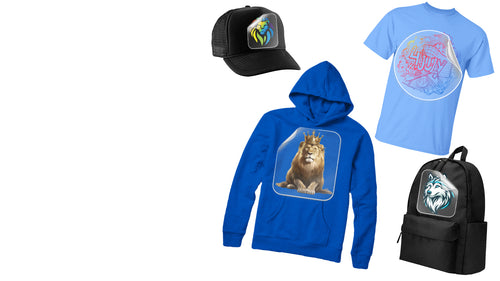
If you need dependable transfers for jerseys, team wear, and custom merch, Lion DTF Transfers is built for speed, consistent color, and easy ordering. You can upload ready-to-press art, build gang sheets fast, and keep production moving without adding unnecessary setup friction. For print shops, creators, schools, and resellers, it's a practical way to turn solid blanks into finished products that look professional and hold up.